Fishing rod guides play a bigger role than most anglers realize. They control how your line flows, how far you cast, and how long your rod lasts under real fishing pressure. Poor guides lead to line damage, lost fish, and rods that wear out too fast.
So, what are the best fishing rods with stainless steel guides? Rods built with stainless steel guides offer a strong combination of corrosion resistance, durability, and consistent performance. They hold up in both freshwater and saltwater conditions, making them a go-to choice for anglers across all skill levels.
Whether you are chasing surf fish at the coast or targeting crappie on a quiet lake, choosing the right guide material makes a real difference. This guide breaks down everything you need to know before making your next rod purchase.
What Are Stainless Steel Guides and Why Do They Matter?
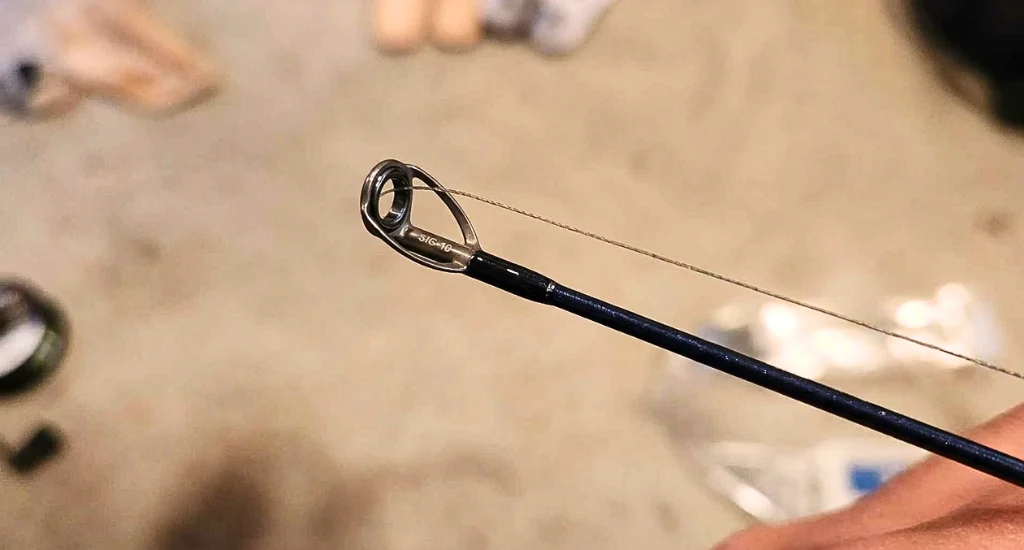
Rod guides are the small ring-shaped fittings lined along your fishing rod that direct the fishing line from the reel to the tip. They control line flow during casting and retrieval.
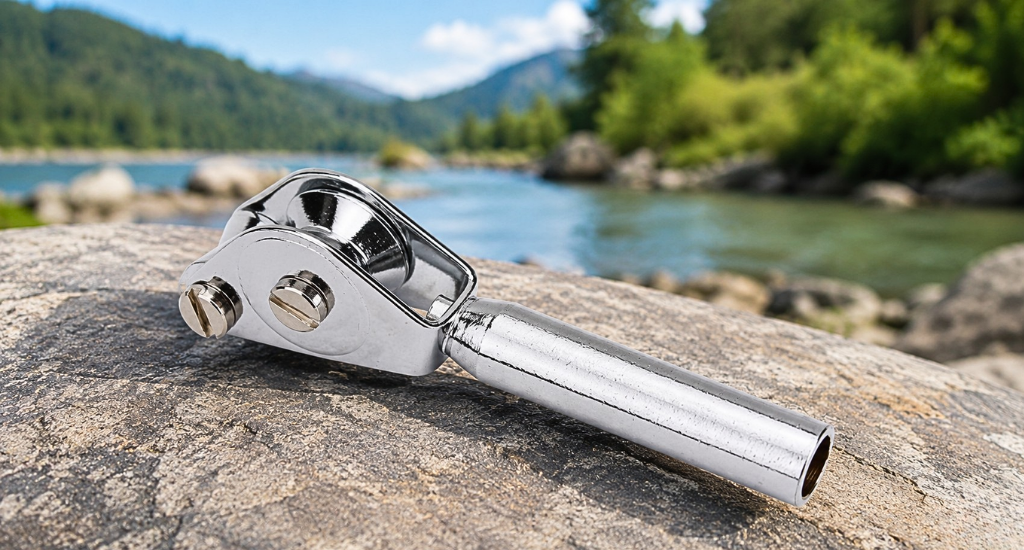
Stainless steel guides are made from a high-grade steel alloy that resists rust and holds its shape under heavy loads. Many models also feature ceramic or titanium oxide inserts inside the ring.
These guides handle the physical stress of repeated casting, fighting fish, and exposure to water. The material directly affects how smooth your cast feels and how long the rod performs reliably.
Why stainless steel guides matter for your fishing rod:
- They resist rust and corrosion, especially in saltwater environments, where other metals break down fast
- They provide strong shock resistance, helping the rod survive hard strikes and heavy fish without guide damage
- They reduce line friction during casting, which improves casting distance and accuracy over time
- They maintain their shape and alignment even after years of regular use and heavy fishing pressure
- They pair well with all common line types, including monofilament, fluorocarbon, and braided lines
Types of Fishing Rods That Feature Stainless Steel Guides
Stainless steel guides appear across many rod styles because they work well in tough conditions. Here are the most common fishing rod types, where you will find them.
Surf Fishing Rods
Surf rods take a serious beating from sand, saltwater spray, and crashing waves. Stainless steel guides on surf rods resist the constant exposure to harsh coastal conditions.
Brands like Mitchell Adventure build their surf rods with stainless steel guides specifically because of this durability advantage. These rods also need strong guides to handle the heavy weights and long casts that surf fishing demands.
Crappie Fishing Rods
Crappie rods are lightweight and sensitive, but they still benefit from stainless steel guides that protect delicate lines. Many crappie anglers use light monofilament or fluorocarbon, and smooth guides reduce wear on thin lines during repeated jigging motions.
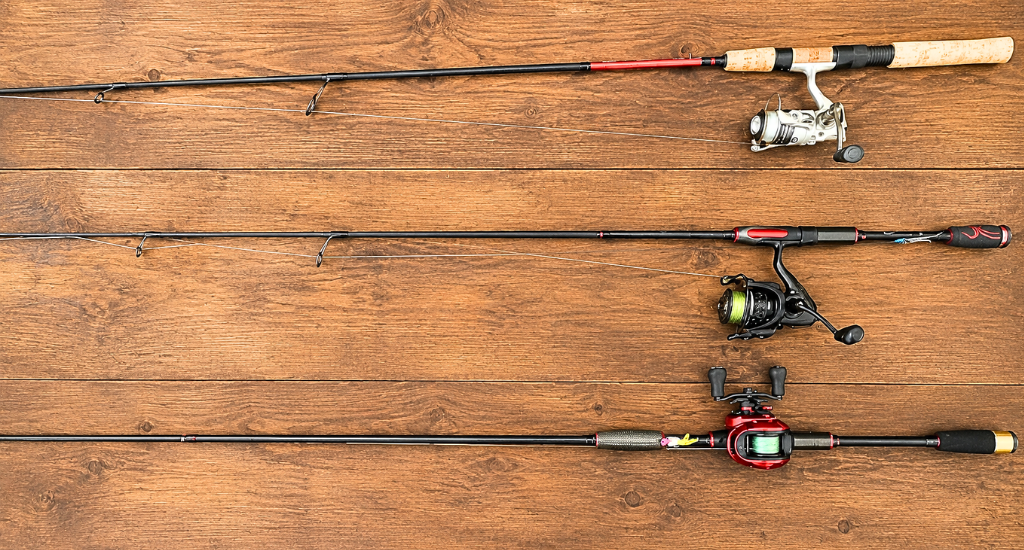
A stainless steel guide keeps the rod performing consistently across a full day of active fishing without adding unnecessary weight to the build.
Saltwater Fishing Rods
Saltwater rods face the harshest conditions of any fishing style. Stainless steel guides are practically a requirement here because cheaper guide materials corrode quickly in salt environments.
Many saltwater rods combine stainless steel frames with ceramic ring inserts to reduce friction and improve cast distance. These rods hold up through repeated exposure to saltwater, brine spray, and high-humidity coastal air without guide deterioration.
Travel and Telescopic Rods
Travel rods collapse into compact sections for easy transport, and their guides go through more flexing and stress than standard rods. Stainless steel guides handle this repeated movement better than lighter frame materials.
Telescopic fishing rods with stainless steel guides are popular among hikers, backpackers, and traveling anglers who need a rod that survives being packed and unpacked frequently without guide damage.
Stainless Steel vs. Titanium Guides: Which Is Better?
Both guide materials have real strengths, and the right choice depends on how and where you fish. Here is a side-by-side look at how they compare.
| Feature | Stainless Steel | Titanium |
|---|---|---|
| Weight | Heavier | Lighter |
| Durability | Very high shock resistance | High, slightly more flexible |
| Corrosion Resistance | Excellent in saltwater | Excellent in all conditions |
| Cost | More affordable | More expensive |
| Best Use | Heavy-duty and surf fishing | Ultralight and travel rods |
| Line Compatibility | All line types | All line types |
Durability Comparison
Stainless steel guides are built for punishment. They handle the shock of hard strikes, heavy sinkers, and large fish without bending or cracking. They are the go-to frame material for heavy-duty fishing setups.
Titanium guides are also durable, but in a different way. They flex slightly under pressure rather than absorbing pure shock, which makes them less prone to breaking under bending stress. For most everyday fishing, either material holds up well over time.
Weight Differences
Titanium guides are noticeably lighter than stainless steel, which matters most on ultralight and finesse rods where every gram affects sensitivity and casting feel. The weight difference becomes significant on longer rods with many guide rings.
For surf rods, heavy spinning rods, and boat rods, the extra weight of stainless steel guides is rarely noticeable. Anglers using these heavier setups prioritize strength over weight savings, making stainless steel the practical and affordable choice.
Best Use Cases for Each
Stainless steel guides are the best fit for saltwater fishing, surf casting, heavy freshwater applications, and budget-conscious buyers who want reliable performance without a high price tag.
Titanium guides shine on ultralight rods, travel rods, and high-end spinning setups where reducing weight improves feel and sensitivity. If you fish competitively or need the lightest possible rod, titanium is worth the added investment.
Besides these two types, anglers also get confused about carbon fiber fishing rods vs fiberglass fishing rods.
What to Look for When Buying a Fishing Rod with Stainless Steel Guides
Not all stainless steel guides are built the same. Knowing what to check before you buy helps you get the right rod for your fishing style and target species.
Guide Frame Style
The frame style affects how the guide sits on the rod and how it handles line pressure. K-frame guides use a bridge design that keeps the guide ring away from the blank, reducing line slap and improving casting distance. They are common on spinning rods.
Double foot guides attach to the rod blank at two contact points, making them stronger and more stable under heavy loads. They are popular on heavy surf and saltwater rods. Single-foot guides are lighter and simpler, often found on ultralight and freshwater rods where weight matters more than raw strength.
Insert Types
Many stainless steel guides include an insert inside the ring to reduce friction and protect the line. Ceramic ring inserts are the most common and offer smooth, low-friction line flow at an affordable price point. They work well with all line types.
Titanium oxide inserts are a step up in hardness and smoothness, making them a good match for braided lines that can groove softer materials over time. Some budget rods skip inserts entirely, relying on a slick stainless steel coating instead. These work fine for casual fishing but may cause line wear with heavy braid use.
Rod Blank Material Pairing
The guide quality should match the overall build of the rod. A graphite blank paired with stainless steel K-frame guides and titanium oxide inserts creates a sensitive, responsive rod that works well for finesse techniques and fast-action casting.
Glass composite blanks are heavier and more flexible, and they pair naturally with double-foot stainless steel guides that can handle the flex and power these rods produce. Always consider how the blank material and guide style work together rather than evaluating either one on its own.
Conclusion
Fishing rods with stainless steel guides deliver the kind of reliability that holds up across years of real fishing use. They resist corrosion, handle heavy loads, and work well with all line types, making them a solid investment whether you fish in saltwater or freshwater.
When shopping for your next rod, pay attention to the guide specs rather than just the rod blank rating. A well-built rod with quality stainless steel guides will serve you better in the long run than a flashy rod with subpar hardware.
Match the guide style to your fishing conditions, and you will have a rod that casts smoothly and lasts season after season.
FAQs
What is the best material for fishing rod guides?
Stainless steel with ceramic inserts is the top choice for most anglers. It balances durability, smooth line flow, and affordability across both freshwater and saltwater fishing applications.
Are stainless steel guides good for saltwater fishing?
Yes. Stainless steel resists corrosion very well in saltwater environments. Paired with ceramic inserts, these guides hold up reliably through repeated exposure to salt, spray, and humidity without rusting or degrading.
Do stainless steel guides need ceramic inserts?
Not always. Inserts reduce friction and protect lines, especially braided lines. Without inserts, guides still work for casual use but may cause line wear over time during frequent, heavy fishing sessions.
Are stainless steel guides heavier than other types?
Yes, stainless steel guides are heavier than titanium alternatives. However, the weight difference is minimal on heavy rods and rarely affects performance unless you are building an ultralight or finesse-specific fishing setup.