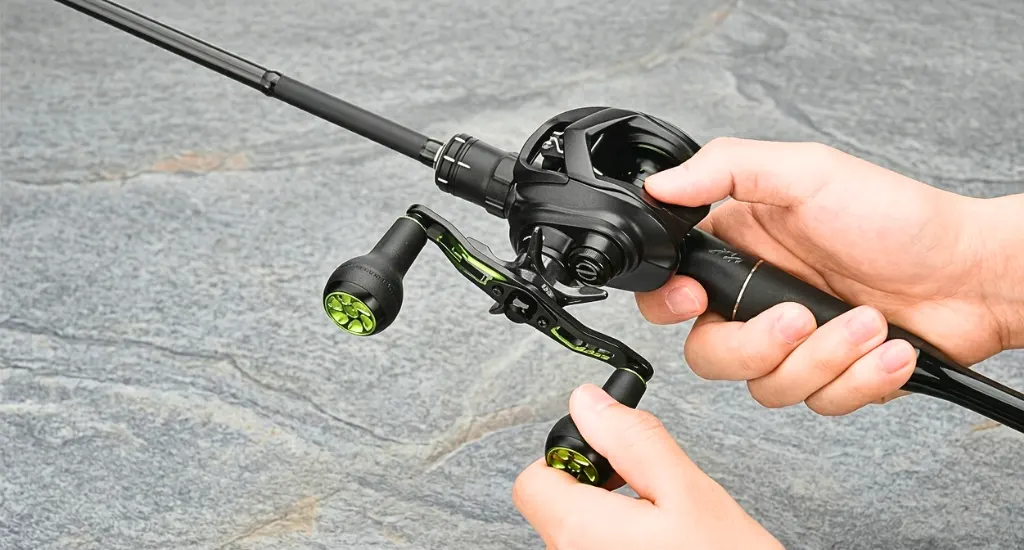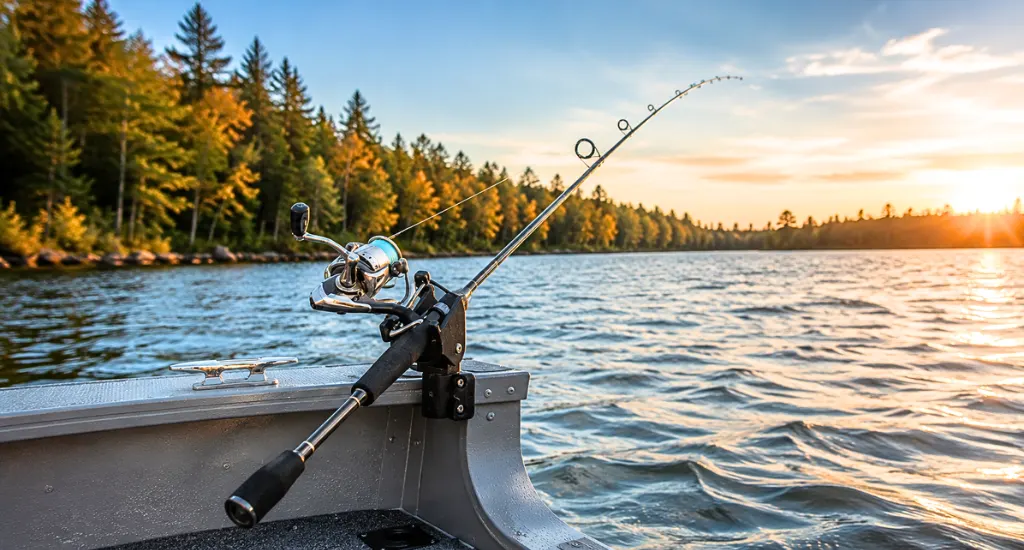
Cleaning your fishing rod is simple and takes just a few minutes after each trip. Rinse it with warm water, wipe it down with a soft cloth, and let it dry fully before storing.
Knowing how to clean fishing rods properly helps you avoid damage from salt, grime, and moisture. Dirt builds up in the guides, reel seat, and handle over time and slowly breaks down the rod.
This guide covers everything from basic cleaning steps to saltwater care and storage tips. Follow these methods regularly, and your rod will cast smoothly for many seasons ahead.
Why Cleaning Your Fishing Rod Regularly Matters
A dirty rod does not just look bad. Salt, sand, and grime work into the guides and joints and cause real damage that shortens the life of your gear significantly.
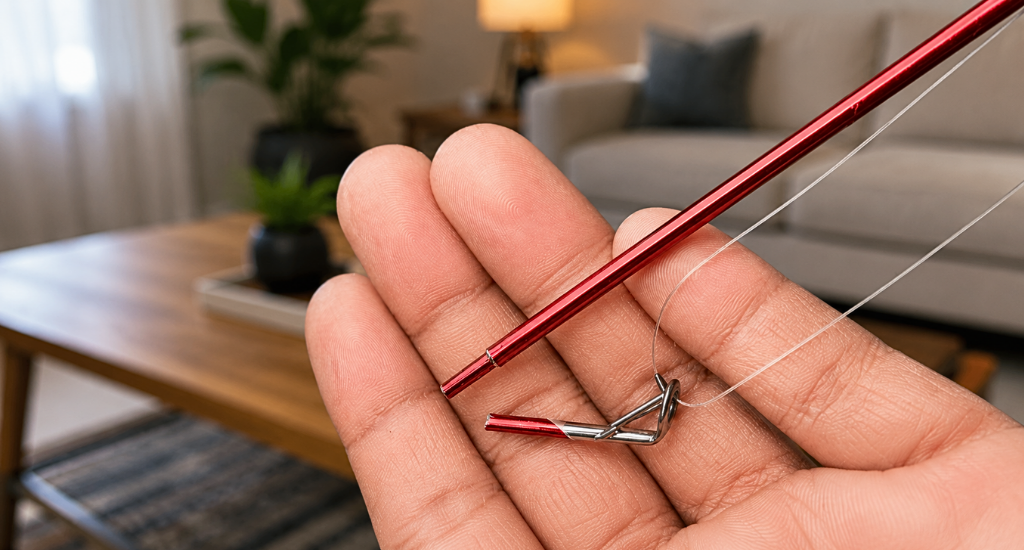
Rod Damage Caused by Salt, Sand, and Moisture
Salt crystals that dry on the rod slowly corrode the guide frames and eat into the reel seat hardware. Sand scratches the blank surface and weakens the rod structure over time. Moisture trapped inside ferrule joints causes swelling and cracking that is very hard to repair later.
How Neglect Shortens Rod Life
Many anglers get home tired after a long trip and skip cleaning entirely. That is when damage starts. Salt dries into a crust on the guides. Grit grinds into the blank coating during the next cast. A rod that goes uncleaned after saltwater use can show serious corrosion within just a few weeks.
Benefits of a Regular Cleaning Routine
Cleaning your rod after every trip keeps the guides smooth and the line running freely. It protects the blank finish and extends the life of every component. A clean rod also performs better on the water because there is no buildup causing friction in the guides during casting.
Carbon Fiber or Fiberglass Fishing Rod Care Differences
A carbon fiber or fiberglass fishing rod each needs gentle handling during cleaning. Carbon fiber blanks are sensitive to harsh scrubbing that can damage the outer resin layer. Fiberglass rods are more forgiving but still need proper rinsing and drying to prevent moisture from soaking into the material at the joints.
Cleaning a Fishing Rod and Reel Together
It makes sense to clean a fishing rod and reel at the same time so nothing gets missed. Rinse both components together, then handle each one separately for a deeper clean. Cleaning both at once saves time and ensures salt and dirt do not transfer from one part to the other during reassembly.
What You Need to Clean a Fishing Rod
You do not need expensive products to clean a fishing rod well. Most of what you need is probably already at home. Having the right tools on hand makes the process faster and safer for your gear.
- Warm water
- Mild dish soap
- Soft sponge or cloth
- Small soft brush
- Cotton swabs
- SOS pad (light use)
- Dry towel
- Rod wax or protectant (optional)
How to Clean a Fishing Rod Step by Step
Whether you use spinning, casting, or surf gear, the cleaning process is the same across all types of fishing rods. Work through each section of the rod carefully so nothing gets missed during cleaning.
Step 1: Disassemble the Rod Sections
Start by breaking the rod down into its individual sections. Twist each section gently and pull apart slowly to avoid stressing the ferrules. Lay the pieces out on a clean towel so you can inspect and clean each section properly.
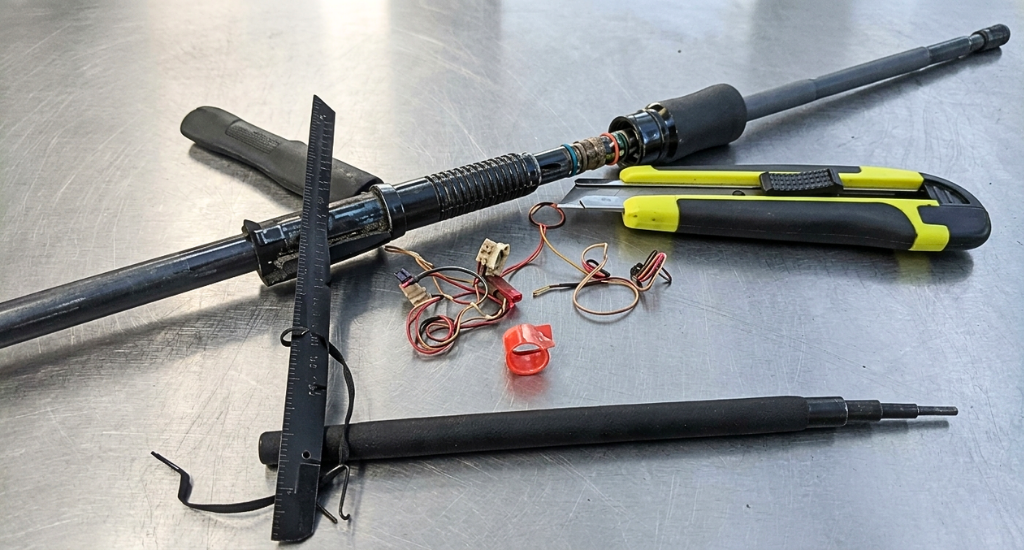
Check the ferrule joints for trapped sand or grit before cleaning. Even a small amount of grit left in a ferrule can cause the sections to grind against each other during use. Wipe each male and female ferrule end with a damp cloth before moving on.
Step 2: Rinse the Rod Blank
Rinse the blank under a gentle flow of warm water from top to bottom. Do not use a high-pressure spray, as this can force water into ferrule joints and internal cavities. Let the water run along the full length of the blank to loosen surface dirt.
Follow with a soft, damp sponge and a small amount of diluted dish soap. Wipe along the entire length of the blank in smooth, even strokes. Rinse the soap off completely with clean water and avoid leaving any residue on the rod finish.
Step 3: Clean Fishing Rod Guides
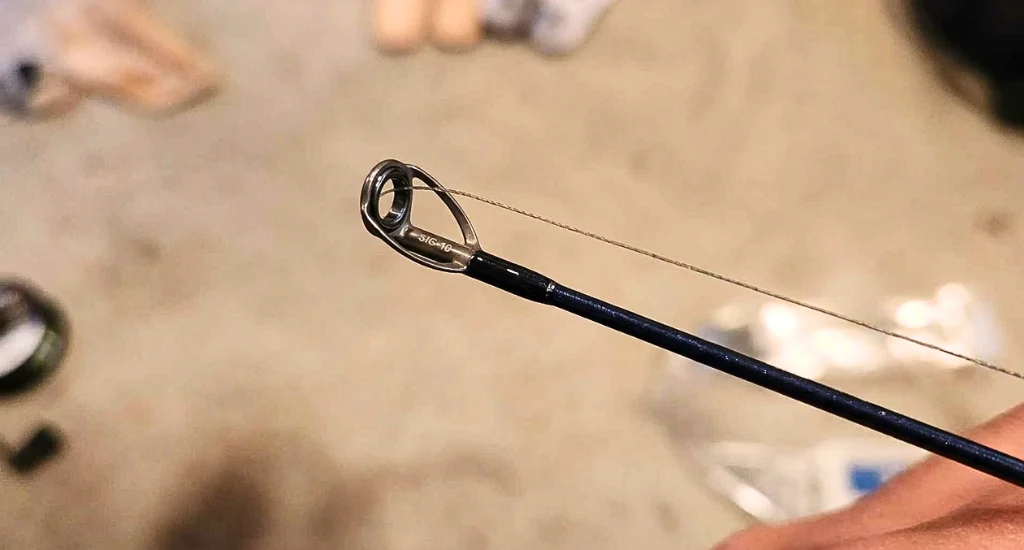
The guides collect the most buildup because the line runs through them on every single cast. Use a small soft brush to scrub inside each guide ring and remove any salt deposits or grime. Pay close attention to ceramic inserts, as cracks or grooves in the insert will damage your fishing line during casting.
- Brush around the guide foot where it meets the blank wrapping
- Check each insert for chips, cracks, or rough spots
- Run a cotton swab around the inside of each ring to remove fine grit
- Rinse each guide thoroughly after brushing to clear any loosened debris
Step 4: Clean Cork Fishing Rod Handles
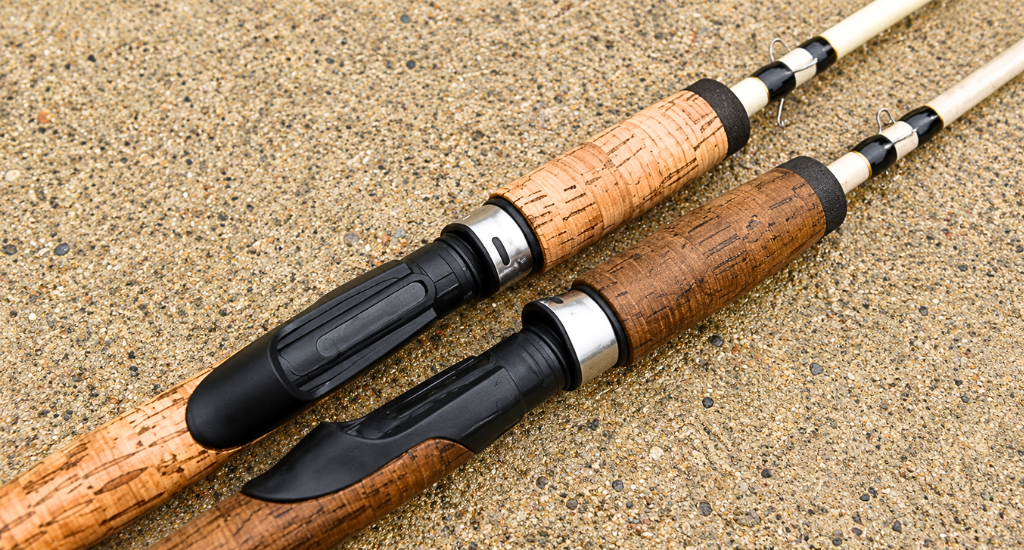
Cork handles need gentle care because they are porous and absorb dirt over time. Scrub cork fishing rod handles with a soft brush and mild soapy water in small circular motions. Rinse thoroughly and avoid soaking the cork, as too much water causes it to swell and crack over time.
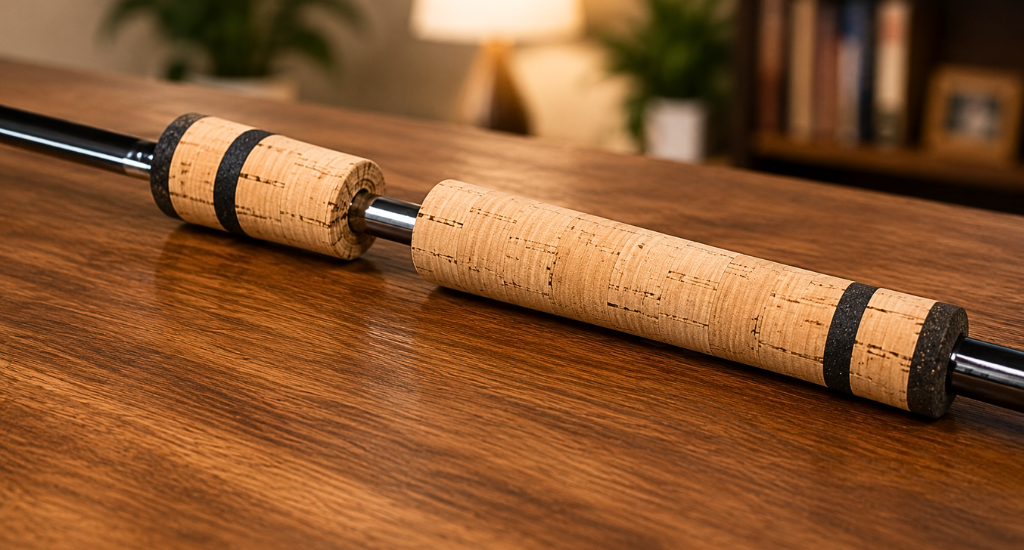
- Use a dry cloth to blot excess moisture from the cork immediately after rinsing
- For stubborn stains, a soft pencil eraser can lift surface dirt without damaging the cork
- Allow cork handles to air dry fully in a shaded area before reassembling or storing the rod
Step 5: Clean the Reel Seat
The reel seat collects salt, grit, and oxidation around the locking rings and threads. Use a cotton swab dipped in soapy water to clean inside the reel seat threads and around the hood. Rinse well and dry with a clean cloth before reattaching the reel.
Inspect the reel seat hood and locking rings for any signs of corrosion after cleaning. Light surface rust can be removed with a soft brush and a small amount of baking soda paste. Rinse completely and dry before storage to stop corrosion from spreading further.
Step 6: Dry and Reassemble the Rod
Pat the rod dry with a soft towel after cleaning each section. Then, stand the rod sections upright or lay them flat in a shaded, well-ventilated area to finish air drying. Never store a rod that is still damp because moisture trapped inside the joints leads to swelling and mildew growth over time.
- Wait until all sections are fully dry before reassembling the rod
- Apply a thin coat of rod wax or protectant to the blank for added moisture protection
- Rejoin the sections carefully, aligning the guides straight before locking the ferrules together
How to Store a Fishing Rod After Cleaning
Proper storage protects all the cleaning work you just put in. Fixing fishing rods at home starts with storing them in the right conditions so they stay clean and undamaged between fishing trips.
Proper Storage Positions
Store rods either horizontally on a rod rack or vertically with the tip pointing up in a rod holder. Never lean a rod in a corner for long periods because the blank will develop a bend over time. Horizontal racks are the most reliable option for keeping multiple rods safe and straight.
Rod Sleeves, Cases, and Racks
Rod sleeves protect the blank and guides from dust, scratches, and accidental knocks during storage. Hard rod cases offer the best protection for travel and long-term storage in garages or sheds. A simple wall-mounted rod rack works well for everyday storage inside a home or a fishing room.
Avoiding Heat, Humidity, and UV Damage
Do not store rods in direct sunlight or in hot spaces like car trunks or garages with poor ventilation. UV exposure fades the blank finish and weakens the resin over time. High humidity encourages mildew growth on cork handles and inside rod bags, even after a thorough cleaning.
Keeping Guides Protected During Storage
Even in storage, guide rings can pick up dust and fine grit that causes line wear on the next trip. A rod sleeve or sock keeps the guides clean and free from debris between uses. Check the guides briefly each time you take the rod out before heading to the water.
Final Thought
Cleaning your rod after every trip is the single best thing you can do to protect your investment. Rinse with warm water, scrub the guides, clean the handle, and let everything dry fully before storage. These simple steps take very little time but add years to the life of your gear.
Make rod cleaning a habit, the same way you make checking your knots a habit before casting. A clean, well-maintained rod casts better, lasts longer, and gives you one less thing to worry about on your next fishing trip.