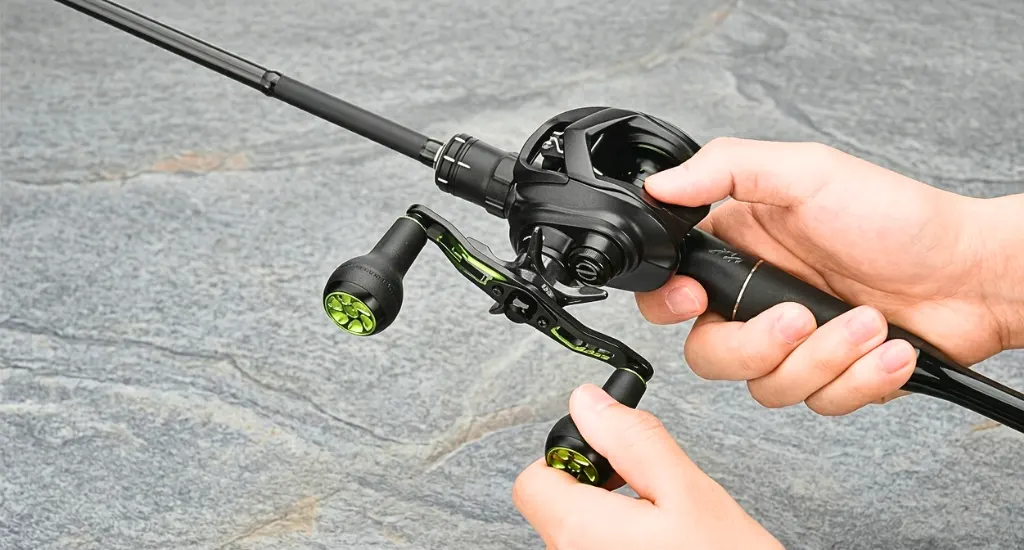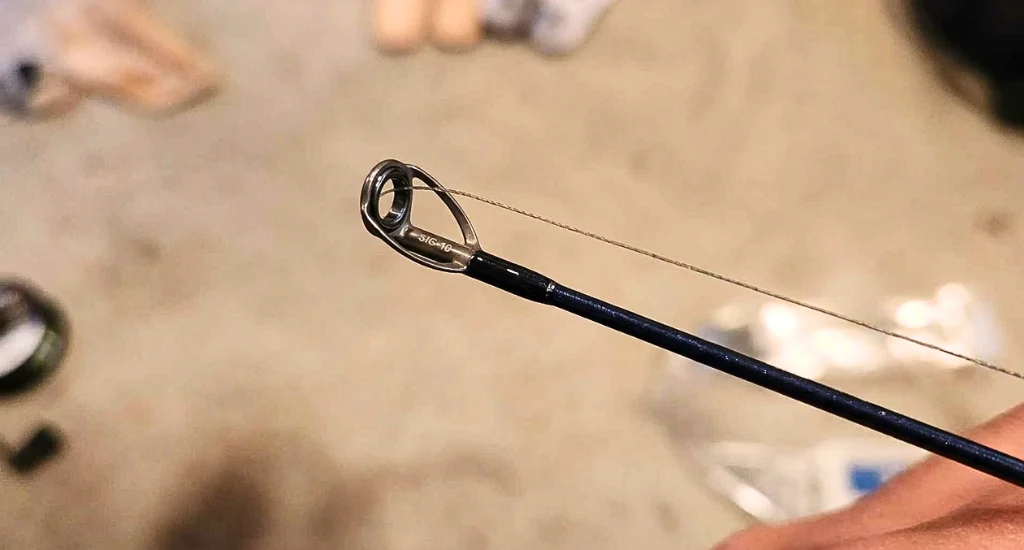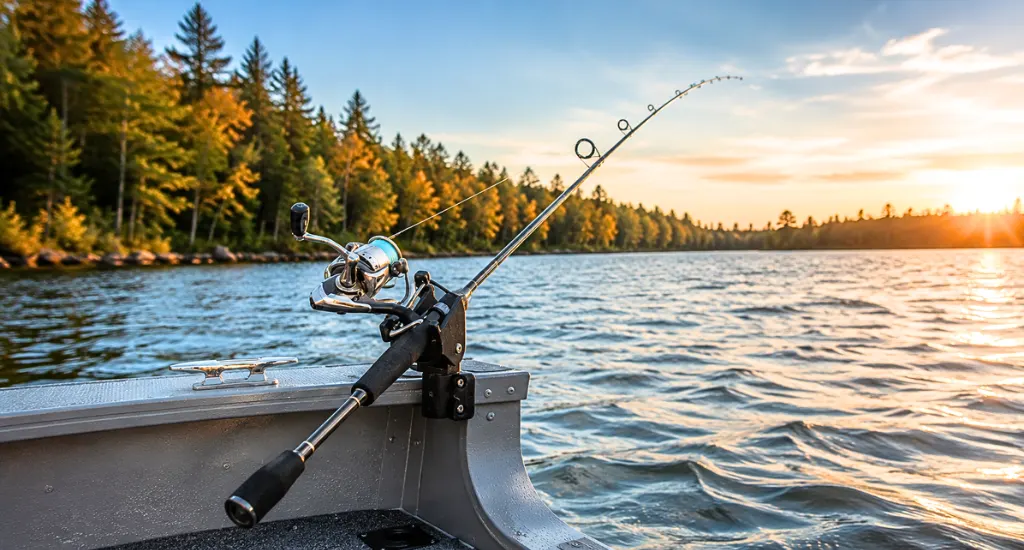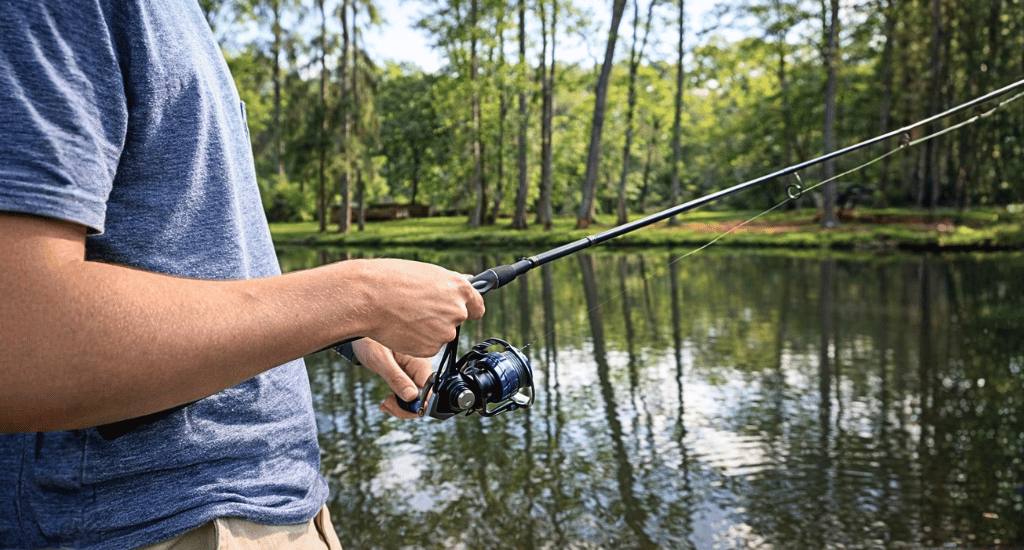
A spinning reel for finesse fishing helps control light line and small lures with smooth, quiet action. Many anglers still ask what reel system works best for this soft and precise fishing style.
Most anglers prefer sizes between 1000 and 3000 for finesse setups because they handle light line very well. A spinning reel for finesse fishing offers smooth drag, easy casting, and better control during each cast.
This guide explains what size spinning reel for finesse fishing, key features, best combos, and how each choice improves your fishing results.
What Is a Finesse Spinning Reel?
A finesse spinning reel is a light and compact fishing reel made for careful and quiet presentations. It helps you control small lures with better balance and steady movement in the water.
This reel works best with light fishing lines, usually between 2 and 10 lb test strength. Light line means a thinner line, which helps the lure move more naturally and attract cautious fish.
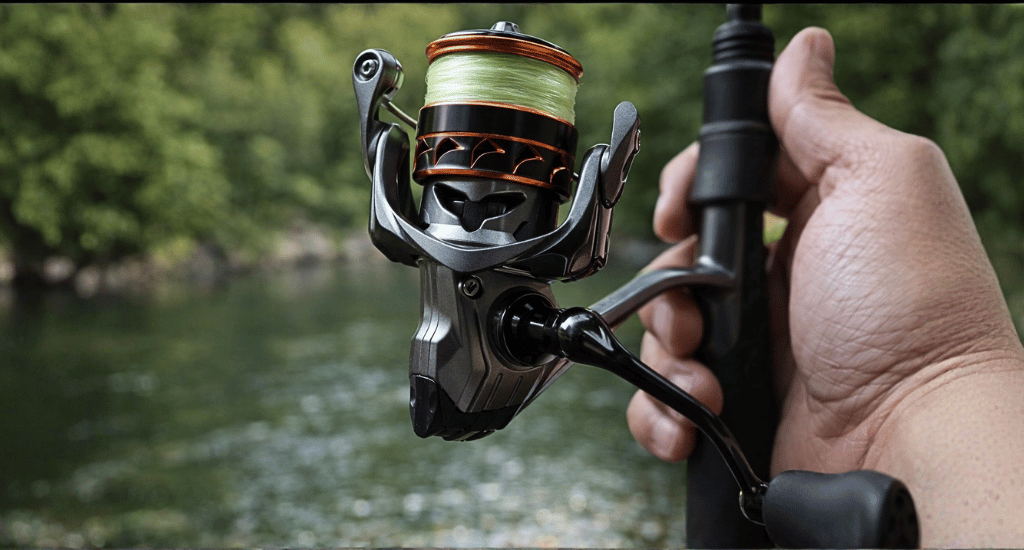
The design focuses on smooth drag and easy casting with small lures. Smooth drag means the reel releases line gently when a fish pulls, which protects light line from breaking.
A finesse spinning reel also improves casting accuracy during short and controlled casts. Using the fishing reel without an anti-reverse trigger helps place the lure exactly where fish stay, especially near cover or shallow areas.
Best Size Spinning Reel for Finesse Fishing
Reel size affects balance, control, and casting performance in finesse setups. Many anglers ask what size spinning reel for finesse fishing works best for light lures and thin lines.
1000 Size Reel
A 1000-size reel suits ultra-light finesse setups where control matters most. It works best with very thin lines and small lures that need soft presentation.
This size feels very light in the hand, which helps during long fishing sessions. It also gives better sensitivity, so you can notice even small bites from cautious fish.
This reel size fits well for small species like panfish or trout in calm water. Many anglers consider it a top choice for true finesse fishing due to its precision.
2000-3000 Size Reel
A 2000 to 3000-size reel offers more balance and strength for wider use. It still supports finesse techniques but adds more control with slightly heavier setups.
This size handles stronger fish and works better in windy or open water conditions. It also holds more line, which helps when fish make longer runs.
Many anglers use this size for bass fishing, where finesse methods still need some extra power. It remains smooth and controlled while giving more flexibility.
Quick Size Comparison Table:
| Reel Size | Best Use Case | Line Strength | Target Fish | Key Benefit |
|---|---|---|---|---|
| 1000 | Ultra-light finesse | 2-6 lb | Panfish, trout | Maximum sensitivity |
| 2000 | Light finesse | 4-8 lb | Trout, small bass | Better balance |
| 3000 | Versatile finesse setups | 6-10 lb | Bass | More strength and range |
Key Features to Look for in a Finesse Spinning Reel
A good spinning reel for finesse fishing must feel light, smooth, and easy to control with thin lines. Each feature plays a direct role in casting accuracy, lure movement, and overall comfort.
Lightweight Body
A lightweight reel reduces arm fatigue during long fishing sessions with repeated casts. It also improves balance with light rods, which helps maintain better control over small lures.
Smooth Drag System
Smooth drag is very important when you use light lines for finesse fishing. It releases the line gently during a fish fight, which prevents sudden breaks and protects your setup.
High Gear Ratio (5.0:1 – 6.2:1)
A gear ratio in this range gives better control over lure speed and movement. It helps maintain steady retrieval, which keeps the lure action natural and more effective in water.
Quality Bearings (5+ Recommended)
A reel with at least five bearings feels smoother during casting and retrieval. This smooth feel helps reduce friction, which improves casting distance and overall performance.
Shallow Spool Design
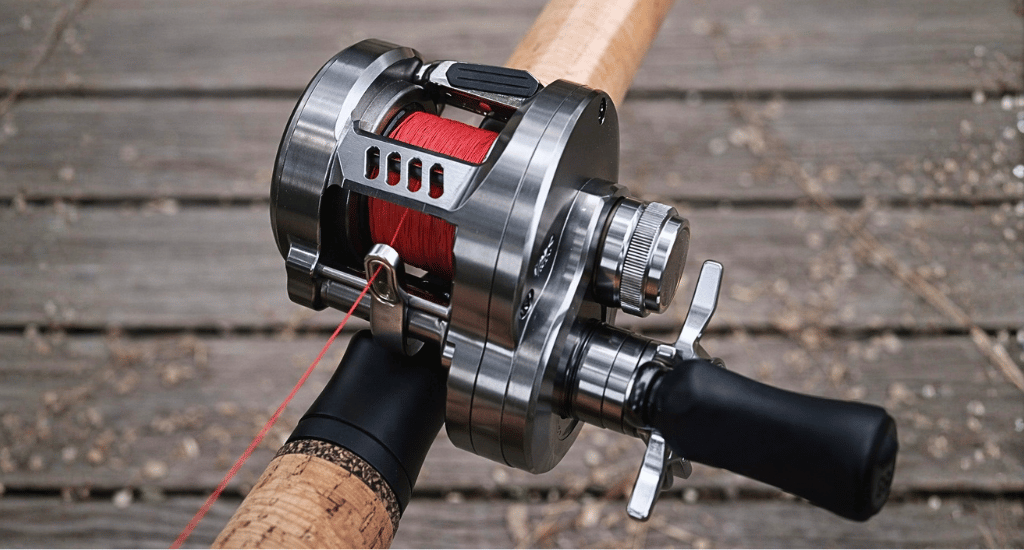
A shallow spool works best with thin finesse lines and reduces extra line buildup. It also helps improve casting accuracy and prevents loose line issues during use.
Line Management System
A good line system reduces twists and tangles, which often happen with light lines. This feature keeps the line neat and improves casting consistency in every session.
Spinning Rod and Reel Combo for Finesse Fishing
A well-matched combo improves control, balance, and lure movement in finesse setups. The right rod, reel, and line setup helps your spinning reel for finesse fishing perform at its best.
Best Rod Length for Finesse Fishing
Rod length affects casting distance and accuracy during finesse fishing in different conditions. The ideal range stays between 6’6″ and 7’2″ for most finesse setups.
A longer rod helps you cast farther, which works well in open water areas. A shorter rod gives better accuracy, which helps place the lure near cover or tight spots.
Ideal Rod Power and Action
Rod power describes strength, while action explains how the rod bends under pressure. Finesse fishing works best with ultra-light to medium-light power rods.
A fast or extra-fast action rod bends near the tip and improves sensitivity. This helps you feel small bites and control light lures with better precision.
Matching Reel Size with Rod
A proper balance between rod and reel improves control and reduces strain during high-sticking fly fishing. Each reel size fits best with a specific rod type for better performance.
- 1000 reel works best with an ultra-light rod for maximum sensitivity.
- 2000-2500 reel pairs well with a light rod for balanced finesse setups.
- 3000 reel suits a medium-light rod when extra strength is required.
A balanced combo helps maintain steady control and improves overall fishing comfort.
Best Line Setup for Finesse Fishing
Line choice plays a major role in how the lure behaves in the water. A light setup improves natural movement and increases your chances of success.
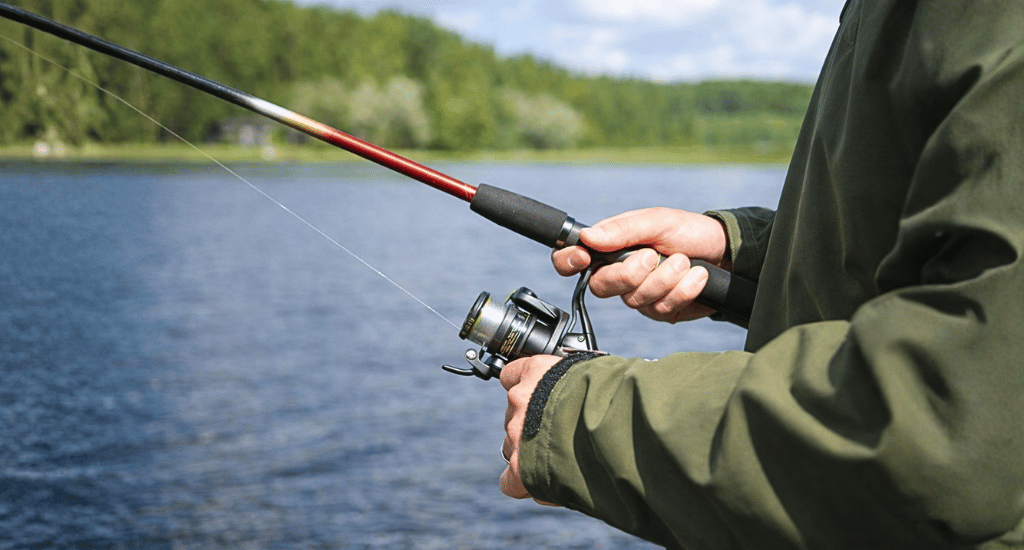
Use a main line between 6-10 lb braided line for better strength and control. Add a 4-8 lb fluorocarbon leader for low visibility and smooth presentation.
Light line helps the lure move freely, which makes it look more natural to fish. This improves bite chances, especially when fish act cautiously in clear water.
How to Choose the Right Finesse Spinning Reel
The right reel depends on water conditions, fish type, lure choice, and your budget. Many anglers ask what size spinning reel for finesse fishing fits their needs, and the answer depends on these key factors.
Based on Fishing Conditions
Water clarity and weather conditions affect how your finesse setup performs in real situations. Clear water often requires a lighter setup with a 1000-size reel for better presentation.
Windy or open water needs more control and line capacity during long casts. A 2500 to 3000-size reel works better here and handles light line with more stability.
Based on the Target Species
Fish size and strength play a big role when you select a finesse spinning reel. Smaller species like panfish and trout work well with a 1000-size reel.
Bass require more strength and control during the fight, even with finesse methods. A 2000 to 3000-size reel offers better balance and enough power for these fish.
Based on Lure Type
Lure weight and style decide how much control and line strength you need. Light rigs like drop shot or Ned rig work best with a 1000 to 2000 size reel.
Slightly heavier lures like small jigs or soft plastics need more support and line capacity. A 2000 to 3000-size reel handles these setups with better control.
Budget Considerations
Budget affects the quality and performance level of your finesse spinning reel. Entry-level reels offer a basic smooth drag and work well for beginners.
Mid-range reels include better bearings and stronger build quality for longer use. Premium reels come with advanced features like MGL or LT designs for better control and a lighter feel.
Final Thought
Finesse fishing depends on precision, light gear, and proper balance in every part of your setup. A spinning reel for finesse fishing helps control light lines and improves lure action in clear water.
Use a 1000-3000 reel, a 6’6″-7’2″ medium-light fast rod, and light braid with a fluorocarbon leader. Always match your setup to water conditions, fish type, and lure choice for better results.
FAQs
What size spinning reel for finesse fishing?
A 1000-size reel works best for ultra-light setups with small lures and thin lines. Sizes between 2000 and 3000 offer more versatility, especially for bass fishing or slightly heavier finesse techniques in different water conditions.
Are spinning reels better for finesse fishing?
Yes, spinning reels work better for finesse fishing because they handle light lures with ease. They reduce line problems, improve casting control, and allow smoother presentation, which helps attract fish that avoid heavy or loud fishing setups.
What length spinning rod for finesse fishing?
A rod length between 6'6" and 7'2" works best for finesse fishing in most situations. This range provides a good balance between casting distance and accuracy, which helps place light lures precisely near fish holding areas.