A high rod tip can change everything in trout water. High-sticking fly fishing keeps the line short and the fly close to the streambed. Fewer loose lines mean better control and more real drifts.
This method differs from indicator nymphing and Euro nymphing in clear ways. No floating marker leads the fly. No long leader stays tight. The rod stays high, the cast stays short, and trout react fast.
This guide shows what high sticking means and why trout respond so well. You will learn the best water types, proper setup, and key rod use. Read on to use this technique with confidence on real streams.
High Sticking Fly Fishing Technique (Step-by-Step Guide)
High-sticking fly fishing uses short-line control to guide a nymph through moving water. This guide explains each step in simple language so beginners can apply this method with confidence and achieve better success.
Step 1 – Identify the Right Water
Pocket water, riffles, seams, and short runs suit high-sticking fly fishing very well. These areas break the current and create soft lanes where trout wait for drifting food.
Focus on knee-to-waist-deep water with mixed current speed across the streambed. Broken surface water hides your presence and allows a closer approach without alerting feeding trout.
Step 2 – Set Up the Right Rod, Line, and Leader
A longer rod improves reach and line control during short drifts in moving water. Nine- or ten-foot rods provide balance, comfort, and better contact for most trout streams.
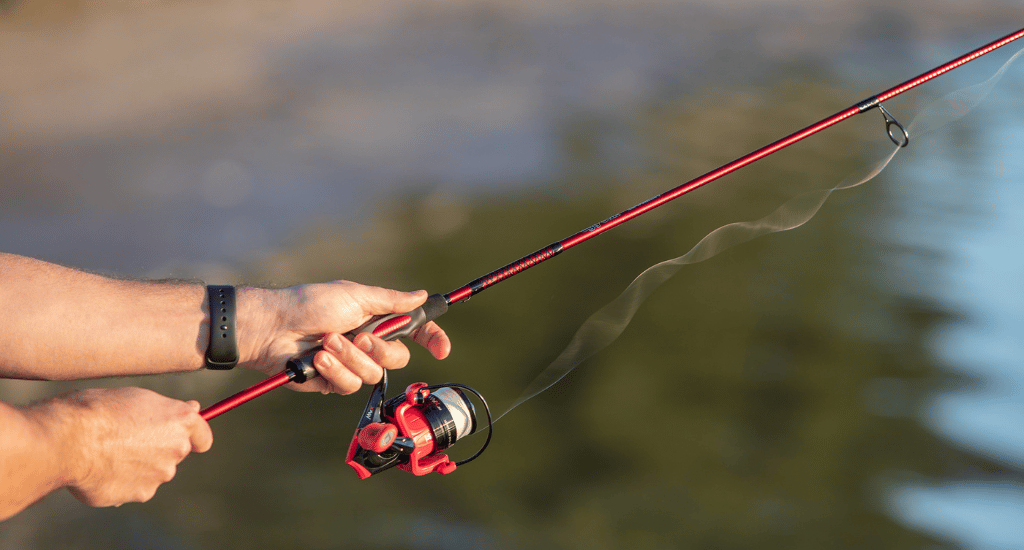
Use a leader long enough to reach depth without extra slack in the system. Keep fly line off the water because surface contact creates drag and reduces strike awareness.
Step 3 – Position Yourself for Close-Range Control
Stand slightly upstream or at a mild angle from the target current lane. This stance lets the fly drift toward you and supports quick rod movement.
Keep the distance short for control, but far enough to avoid sudden trout reaction. Slow steps, low posture, and quiet movement reduce disturbance in shallow broken water.
Step 4 – Make Short, Controlled Casts
Use short upstream casts with smooth motion and clear purpose. Let the leader land first and guide the fly naturally into the chosen current lane. Lift the rod tip as the fly touches water to remove slack early. Avoid repeated false casts because they add slack and cause surface disturbance.
Step 5 – Keep the Rod Tip High
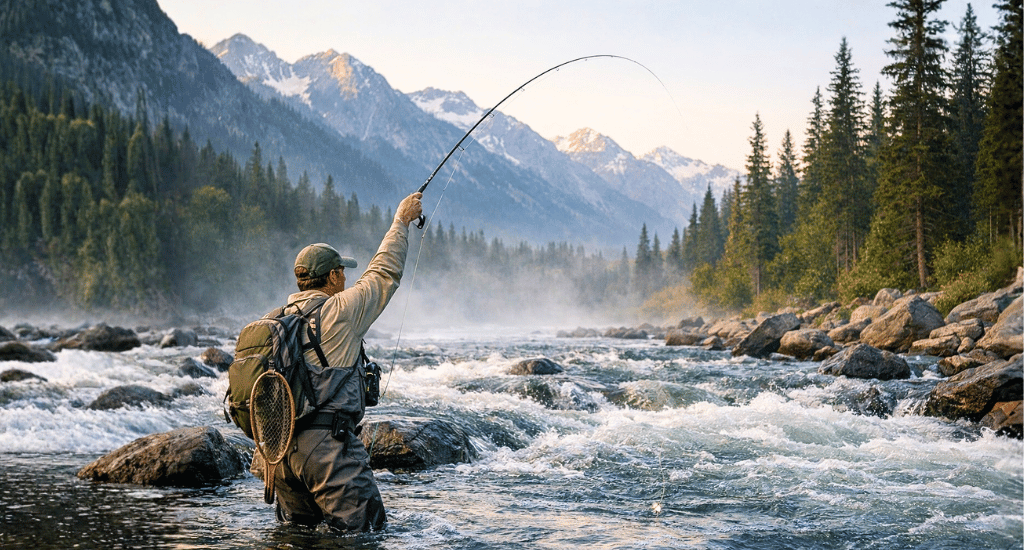
Hold the rod tip high through the full drift to keep the line off fast surface water. A raised rod limits drag and keeps steady contact with the fly below.
Keep your arm relaxed and slightly lifted during the drift for better balance. This position helps guide the fly smoothly and sends clear signals when trout take.
Step 6 – Control the Drift Through the Current
Follow the fly downstream by moving the rod tip at a matching current speed. This motion keeps the fly drifting freely without pulling or rushing. Lift or lower the rod tip as currents change across seams and rocks. Small adjustments help the fly stay near the bottom where trout feed.
Step 7 – Detect Strikes and Set the Hook
Watch the leader tip for sudden stops, soft bends, or sharp movement changes. Feel for light taps through the rod because contact stays direct. Set the hook with a quick upward lift of the rod tip. Short line control improves hook success and reduces missed trout during fast takes.
Best Gear and Fly Setup for High-Sticking Fly Fishing
Proper gear helps high-sticking fly fishing feel simple, controlled, and effective in fast trout water streams. This setup keeps the line short, improves drift quality, and allows clear strike response for close-range control.
- Ideal rod length (9- 11 ft) and action: Longer rods offer reach, control, and softer tips for short drifts upstream.
- Fly line types that work best: Standard-weight forward lines work well because little of the fly line touches water.
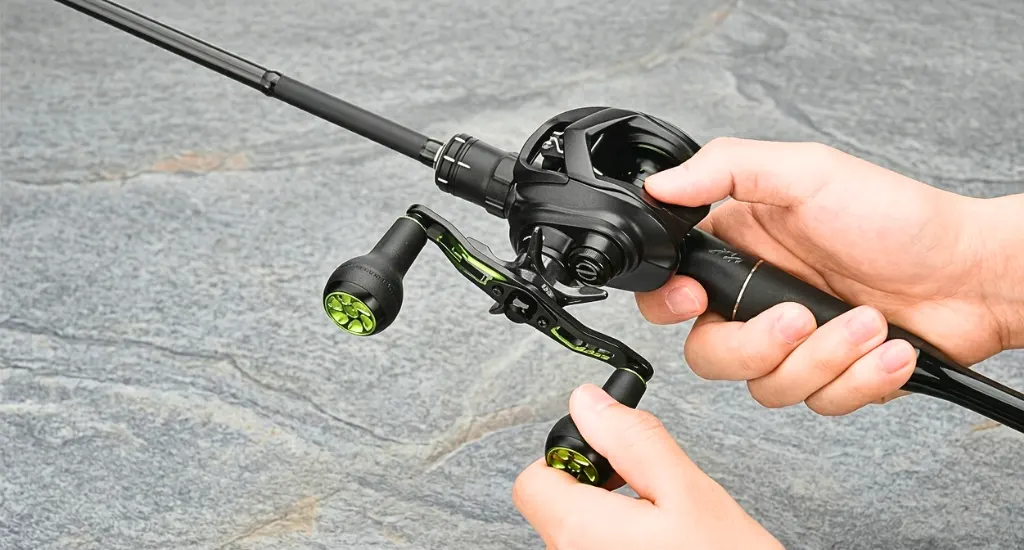
- Reel considerations for balance and control: Simple reels add balance to long rods and store line without trouble.
- Leader length and material: Leaders should match rod length, sink easily, and resist abrasion near rocks.
- Tippet size for varying water conditions: Thinner tippet suits clear, slow water; thicker tippet fits fast, rough flows.
- Using split shot or weighted flies: Split shot adds depth fast, and weighted flies offer cleaner drift control below.
- Nymph patterns that excel: Simple nymph patterns imitate insects and draw strikes in broken water areas.
- Attractor vs natural flies: Bright attractor flies gain attention; natural flies suit wary, pressured trout better.
- When to use heavy vs lightly weighted flies: Heavy flies reach depth quickly; light flies work well in shallow runs.
When and Where High Sticking Fly Fishing Works Best
High sticking works best when trout stay close to the bottom and currents move unevenly. Right timing and proper location help anglers keep control, reduce drag, and present flies naturally across changing water conditions today.
Best Seasons for High Sticking
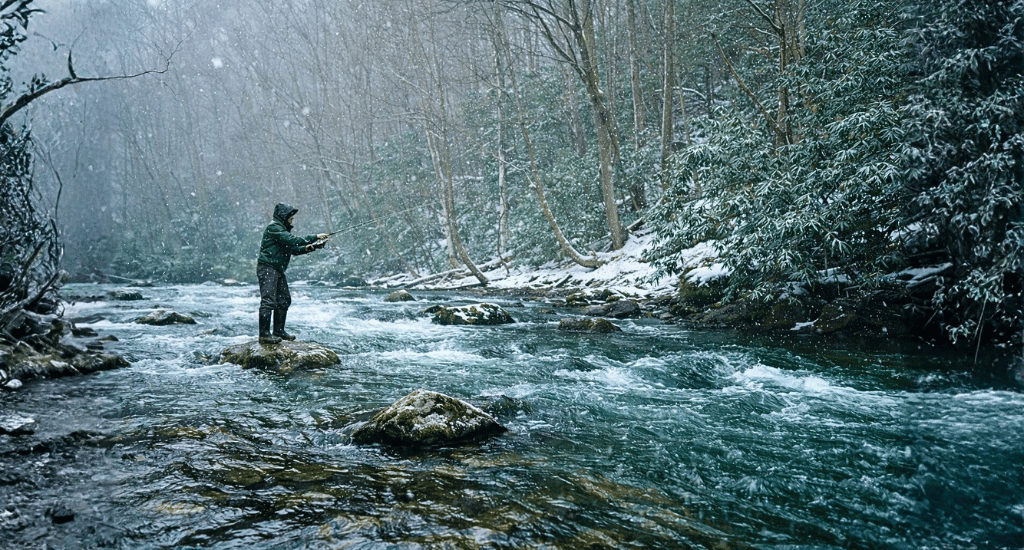
Spring runoff brings high water and strong currents that push trout tight to structure during the early season. High sticking keeps flies near the bottom and limits drag during fast, powerful flows in swollen river conditions.
Summer low water shortens drift lanes and exposes trout to danger during hot, bright midday periods. High sticking allows close control and a quiet approach, even when water runs clear and shallow near feeding zones.
Ideal Rivers and Streams
Small streams and headwaters suit high sticking because space stays tight and currents shift quickly there often. Short drifts help keep flies near trout holding behind rocks and ledges within narrow channels during active feeding.
Freestone rivers change flow speed often and create broken surface texture across wide rocky sections each season. Tailwater rivers also work well when current seams form near shallow edges and gravel bars during steady releases.
Water Conditions That Favor High Sticking
Fast current favors high sticking because slack line causes drag and poor control in broken, turbulent water. Slow current reduces the benefit since flies drift naturally with less line management needed for clean presentation near trout.
Clear water requires careful movement and precise rod control near trout lies during bright, calm daylight periods. Stained water allows a closer distance and deeper depth without spooking fish easily during rain swell or runoff events.
End Note
High-sticking fly fishing works because it keeps control simple and direct in moving water. A short line, raised rod, and close distance improve drift quality. Fewer loose lines mean clearer strike signals and fewer missed trout during fast feeds.
Practice this method in fast, shallow water where broken current hides mistakes. Start close and move slowly with care. Skill builds over time through repetition and focus. With patience, high sticking becomes a reliable tool on many trout streams.
FAQs
What is high-sticking fly fishing?
High-sticking fly fishing is a short-line method that uses a raised rod tip. It keeps most lines off the water and guides the fly near the bottom, which helps control drift and lets beginners feel trout strikes clearly.
Is high sticking the same as Euro nymphing?
No, high sticking is not the same as Euro nymphing. Euro nymphing uses long leaders and tight line systems, while high sticking uses fly line, short casts, and simple control with a raised rod tip.
Can beginners learn high-sticking fly fishing easily?
Yes, beginners can learn high-sticking fly fishing very easily. The method uses short casts, close distance, and clear rod movement, which reduces confusion and helps new anglers see how trout react to drifting flies.