A medium-heavy fast-action rod works best for most bass fishing situations. It handles a wide range of lures, gives you solid hook-setting power, and holds up well when a largemouth decides to run straight into a brush pile. That one rod alone covers more ground than most beginners expect.
The confusing part is that bass fishing has so many techniques, and tackle shops carry hundreds of rods. You start asking around, and everyone gives a different answer. The truth is, rod choice comes down to the lure you’re throwing and where you’re fishing.
If you want a clear breakdown without the usual back-and-forth, keep reading. Everything below is laid out for beginners in plain, practical terms.
What Type of Rod for Bass Fishing
For most bass anglers starting out, a 7-foot medium-heavy rod with fast action is the go-to choice. It works for flipping soft plastics, throwing spinnerbaits, and even handling lighter topwater lures without much trouble.
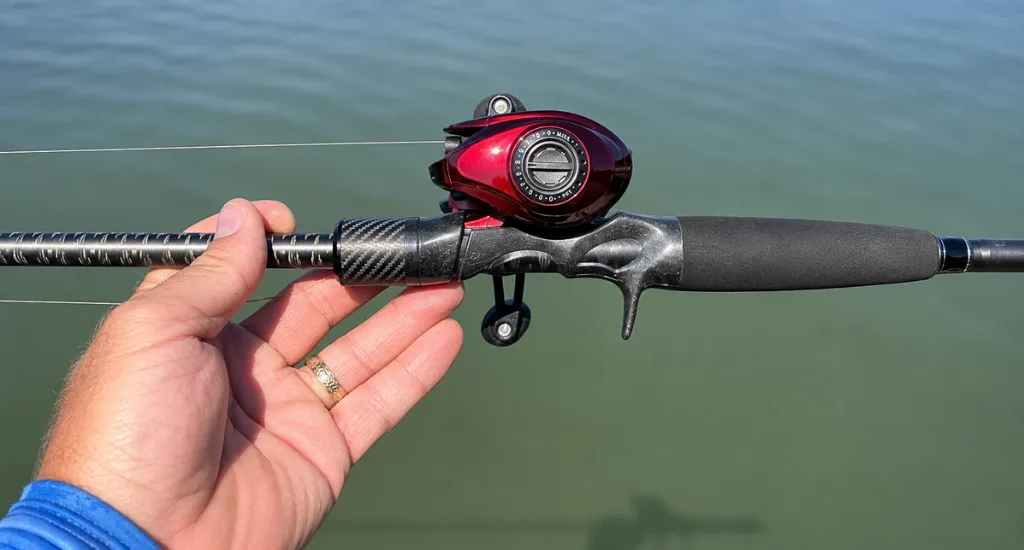
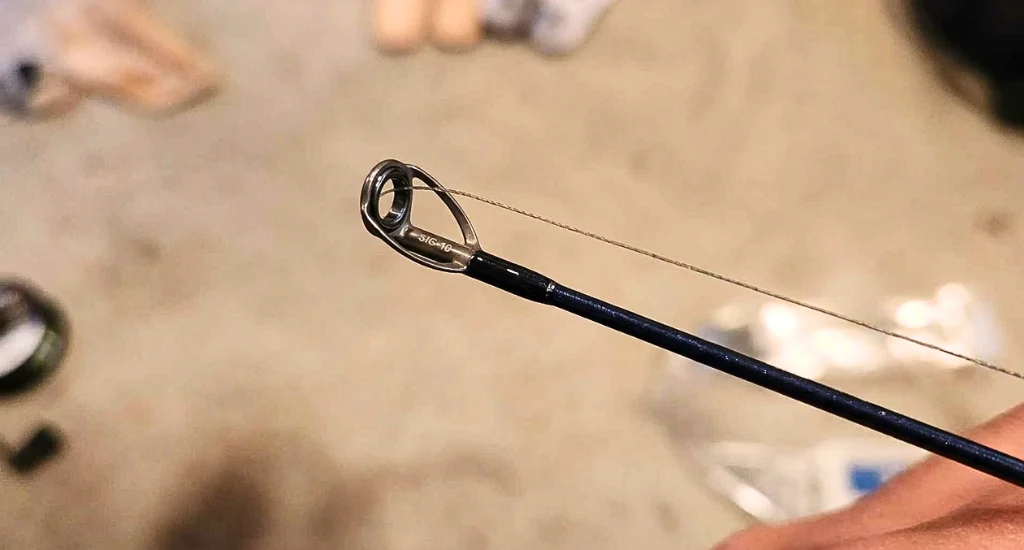
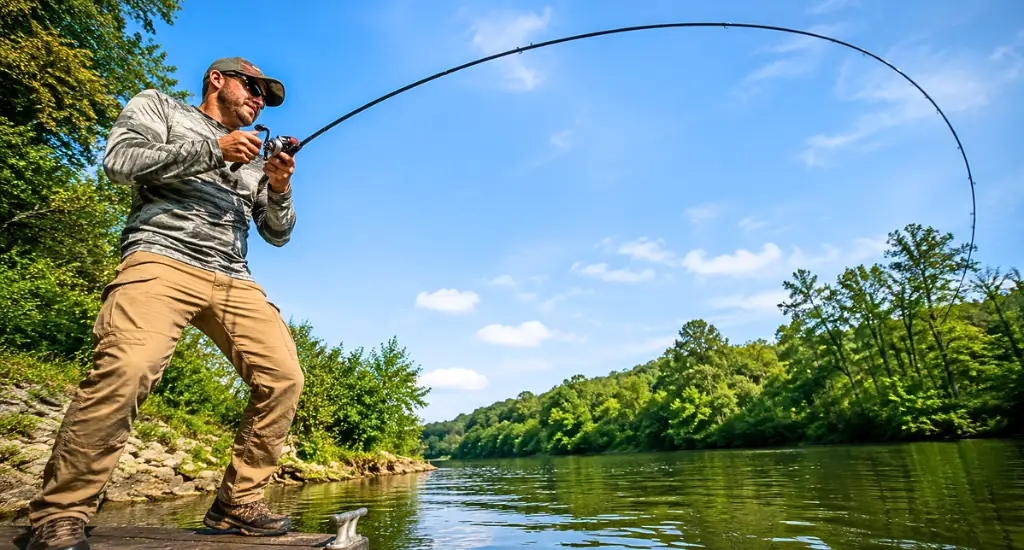
Fast action means the rod bends mostly near the tip. That gives you sharper hook sets and better sensitivity, which matters when a bass picks up a worm and barely moves. Medium-heavy power keeps you in control during the fight without being so stiff that you miss bites on lighter presentations.
If you only buy one rod to start, that 7-foot medium-heavy fast action spinning or baitcasting rod is the one. It handles the most popular bass techniques and grows with you as your skills improve.
Understanding Bass Fishing Rod Basics
Knowing what type of rod is best for bass fishing starts with understanding a few basic specs. These three things control everything about how a rod performs on the water.
- Rod Power: Power describes how much force it takes to bend the rod. Options run from ultralight to heavy. For bass, medium, medium-heavy, and heavy cover most situations depending on lure size and cover density.
- Rod Action: Action tells you where the rod bends. Fast action bends near the tip, extra-fast bends even higher, and moderate bends closer to the middle. Fast action is most common in bass fishing for sensitivity and hook sets.
- Rod Material: Graphite rods are lighter and more sensitive, making them popular for feeling subtle bites. Fiberglass is heavier but more flexible, which suits crankbaits well. Composite rods blend both materials for a middle-ground feel.
- Reel Size: Reel size for bass fishing matters here too. A size 2500 to 3000 spinning reel pairs well with a medium or medium-light rod. For baitcasting setups, a low-profile reel in the 150 to 200 size range works with medium-heavy and heavy rods used for most power fishing techniques.
Best Rod Power for Different Bass Fishing Techniques
Picking the right rod power changes how your lure moves, how well you feel bites, and how cleanly you land fish. Knowing what type of rod is best for bass fishing really comes down to matching the rod to the specific technique you’re using.
Rod for Texas Rig Bass Fishing
A medium-heavy fast action rod handles Texas rigs well. It punches through thick vegetation and drives the hook home on the set. Most anglers throw lure weights between one-quarter and three-quarter ounce on this setup with good results in heavy cover.
Rod for Jig Fishing
Heavy fast action is the standard choice for jig fishing around docks, rocks, and laydowns. The strong backbone pulls fish out of cover before they can tangle you up, and the fast tip picks up slack line fast on the hook set.
Rod for Crankbaits
Medium power with moderate action works best for crankbaits. The softer bend loads up during the cast and keeps steady pressure on the fish during the fight. A stiff rod pulls the hooks free, so the flex in a moderate rod actually keeps fish pinned through the whole fight.
Rod for Spinnerbaits
Medium-heavy fast action covers spinnerbait fishing well. You need enough power to control the lure at different retrieve speeds and enough stiffness to set the hook when a bass commits. Accuracy into tight spots near structure also improves with a faster action tip.
Rod for Topwater Bass Fishing
Medium or medium-heavy fast action rods suit topwater lures including walking baits and poppers. The tip gives you the rhythm needed to work the lure correctly, and the power handles bass that hit on the surface with serious aggression early in the morning.
Rod for Finesse Fishing
A medium-light spinning rod is the right call for finesse techniques. Drop shot rigs and Ned rigs need a light, sensitive rod to detect bites and present small lures naturally. Pairing this with a light spinning reel keeps everything balanced and easy to fish all day.
Spinning Rod vs Baitcasting Rod for Bass
When beginners ask what type of rod for bass fishing makes the most sense, this is usually the comparison they’re really trying to figure out. Both work for bass, but they serve different purposes and suit different skill levels.
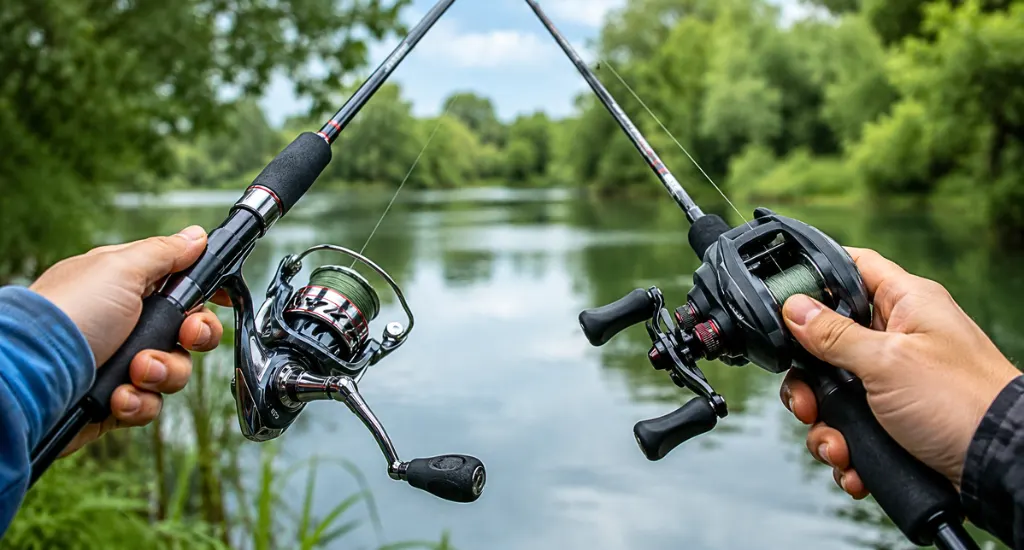
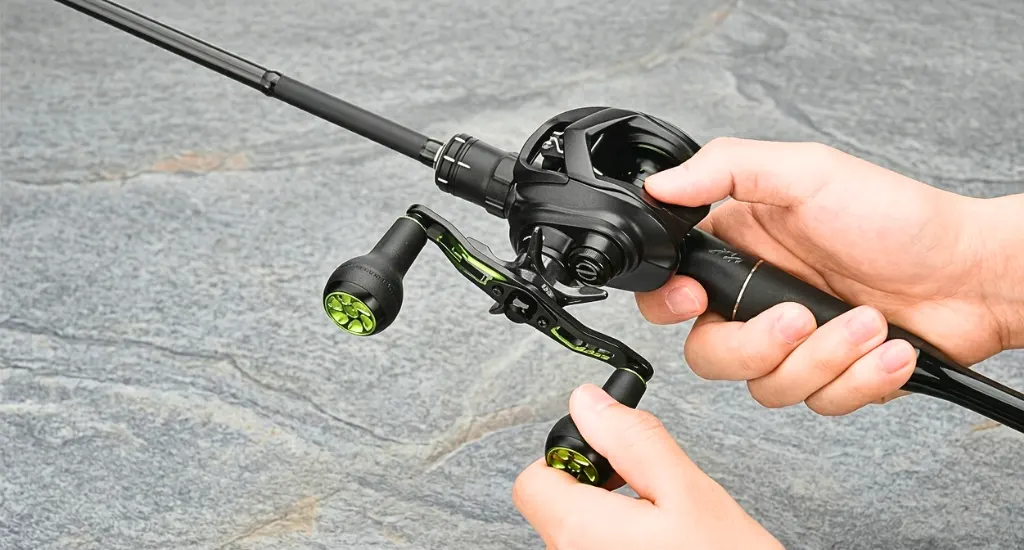
Spinning rods are easier to use right away. They handle lighter lures better and reduce the learning curve significantly. Baitcasting rods give you more control, better accuracy on heavier setups, and are preferred by most experienced bass anglers for power fishing.
| Feature | Spinning Rod | Baitcasting Rod |
|---|---|---|
| Beginner Friendly | Excellent | Moderate |
| Lightweight Lures | Best | Good |
| Heavy Lures | Fair | Excellent |
| Accuracy | Good | Excellent |
| Heavy Cover | Fair | Excellent |
| Backlash Issues | Rare | Common for beginners |
Spinning Rod
- Handles lures from one-eighth to three-eighths ounce comfortably
- Best choice for finesse techniques like drop shot and shaky head
- Easier to learn and forgiving for beginners still developing their cast
Baitcasting Rod
- Designed for heavier lures from three-eighths ounce and above
- Gives better accuracy when flipping to specific targets in cover
- Takes time to learn but becomes the preferred setup for most serious bass fishing
What Rod Length Is Best for Bass Fishing
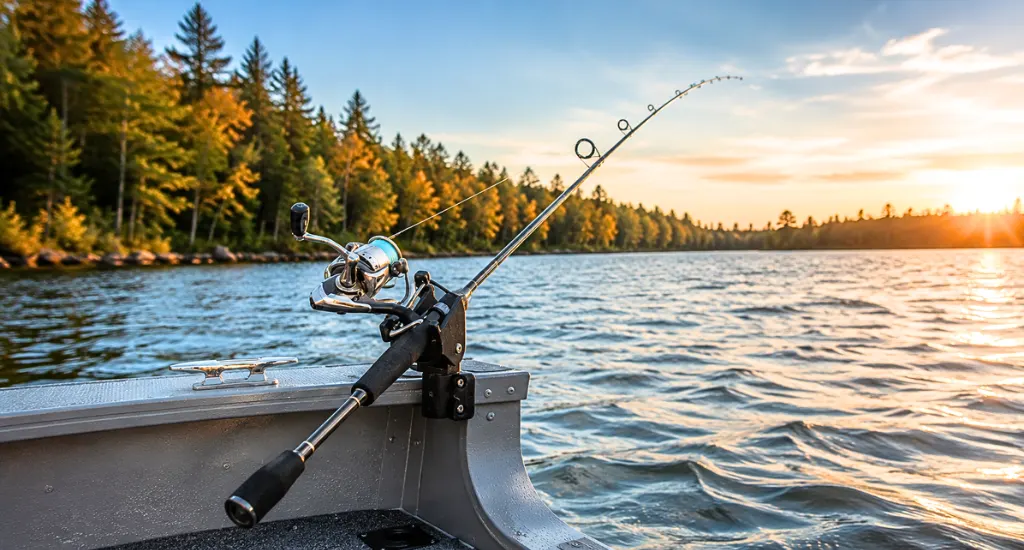
Best size rod for bass fishing depends on where you fish and what you’re trying to do. Longer rods cast farther and give you more leverage during the fight. Shorter rods offer more control in tight spaces like kayaks or heavily wooded banks.
For most situations, a 7-foot rod hits the sweet spot between casting distance and overall control. It works from a boat, a bank, or a kayak without feeling awkward in any of those positions.
- 6 to 6’6″ works well in tight quarters or for skipping docks with lighter lures
- 7 to 7’3″ is the most versatile length and covers the majority of bass techniques
- 7’6″ and above gives maximum casting distance for open water and swimbaits
- Shorter rods suit finesse spinning setups where feel matters more than distance
Common Mistakes When Choosing a Bass Fishing Rod
New anglers make the same rod mistakes over and over. Getting this right early saves money and keeps fishing from becoming frustrating before it even gets fun.
Buying a Rod That Is Too Heavy
Heavy rods feel powerful in the store, but they kill your feel for lighter bites. A bass picking up a worm on a medium-light rod is obvious. On a heavy rod, you may never feel it at all before the fish spits the bait.
Ignoring Rod Action
Power gets all the attention, but action controls sensitivity and hook sets just as much. A medium-heavy rod with moderate action fishes completely differently than a medium-heavy with fast action. Always check both specs before buying.
Choosing Length Based Only on Casting Distance
Longer is not always better. A 7’6″ rod on a small creek bank with trees behind you becomes a problem fast. Match rod length to where you actually fish, not just how far you want to throw.
Using One Rod for Every Technique
Inshore vs offshore fishing rods show how specialized tackle gets at higher levels, and bass fishing follows the same logic. Throwing a crankbait on a heavy fast rod kills the action and pulls hooks. Techniques have specific rod needs, and ignoring that costs you fish.
Prioritizing Price Over Performance
Cheap rods break faster and feel worse, but expensive rods are not always necessary either. Mid-range rods from reliable brands give beginners everything they need. Spend moderately on a quality rod and put the rest toward learning the technique.
Final Thought
Choosing what type of rod for bass fishing comes down to technique, lure weight, and where you fish. Start with a 7-foot medium-heavy fast action rod and build from there as your fishing grows.
No single rod does everything perfectly. The more techniques you learn, the more you will understand why specific setups exist, and the easier those choices become over time.