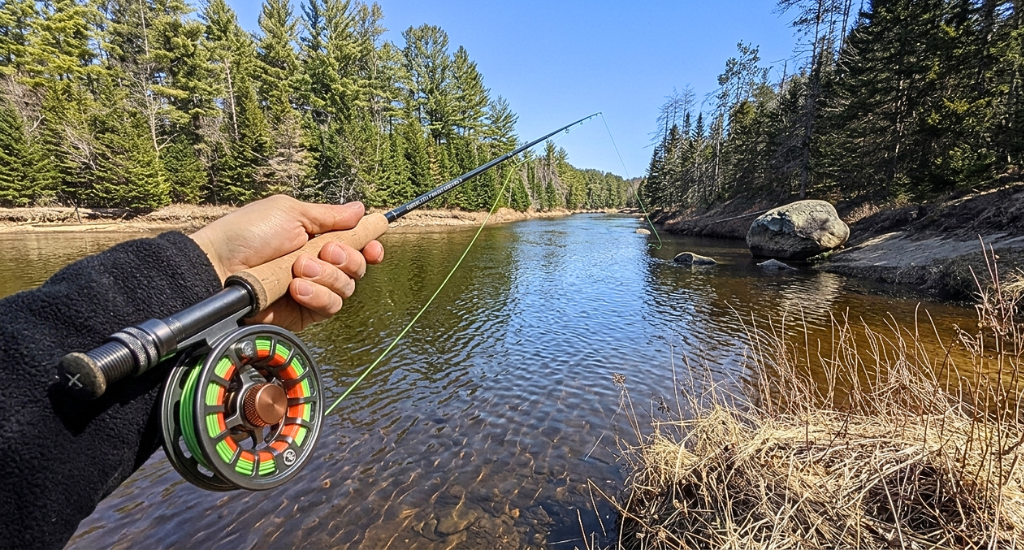
A 9-foot 5-weight medium-fast action fly rod is the best size for most river fishing. It handles dry flies, nymphs, and small streamers on medium freestone rivers and tailwaters. The right rod depends on river size, target species, and your skill level.
Smaller streams need a shorter and lighter rod. Big rivers with wind or trophy fish need a heavier rod. Euro nymphing needs a longer rod. After 24 years of guiding anglers across Gulf Coast waters and inland rivers, I have tested rods in every type of water. This guide gives you the exact rod size for your river.
Here is the fast decision table.
| Your Water Type | Recommended Rod |
|---|---|
| Small stream or brushy creek | 7’6″ to 8′ 3-weight |
| Medium river or freestone water | 9′ 5-weight (medium-fast) |
| Big river, tailwater, or windy water | 9′ 6-weight (fast action) |
| Euro nymphing (any river size) | 10′ to 11′ 3-weight |
| Streamers for trophy fish | 9′ to 9’6″ 7-weight |
How Do You Choose the Right Fly Rod for River Fishing? (Species, River Size, and Skill Matrix)
The right fly rod depends on three things: river size, target species, and skill level. Match all three to pick a rod that loads, casts, and lands fish without fighting you. The matrix below covers all common river-fishing scenarios across all three dimensions.
| River Type | Target Species | Beginner Pick | Intermediate Pick | Advanced Pick |
|---|---|---|---|---|
| Small mountain stream | Brook trout, small browns | 8′ 4-weight medium | 7’6″ 3-weight medium | 8′ 2-weight medium |
| Brushy creek | Wild trout | 8′ 4-weight medium | 7’6″ 3-weight | 7′ 2-weight |
| Spring creek | Selective trout, dries | 9′ 5-weight medium-fast | 8’6″ 4-weight | 8′ 3-weight slow |
| Medium freestone river | Trout, all-purpose | 9′ 5-weight medium-fast | 9′ 5-weight fast | 9′ 6-weight fast |
| Tailwater | Trout, technical | 9′ 5-weight | 9′ 5-weight medium | 10′ 4-weight Euro |
| Big river open water | Trout, distance casts | 9′ 6-weight | 9’6″ 6-weight | 10′ 6-weight fast |
| Big river streamers | Trophy trout | 9′ 6-weight medium-fast | 9′ 7-weight fast | 9’6″ 8-weight fast |
| Steelhead tributary | Steelhead | 9’6″ 7-weight | 10′ 7-weight | 10’6″ 8-weight switch |
| Smallmouth river | Smallmouth bass | 9′ 7-weight | 9′ 7-weight fast | 9′ 8-weight fast |
| Euro nymphing | Trout | 10′ 3-weight medium-fast | 10′ 3-weight fast | 10’10” 3-weight fast |
| Drift boat river | Trout from the boat | 9′ 6-weight | 9′ 6-weight fast | 9’6″ 6-weight fast |
| Windy river | Trout, distance + wind | 9′ 6-weight fast | 9′ 6-weight fast | 9′ 7-weight fast |
Use this matrix as your starting point. Most anglers fish two or three river types regularly. Pick the rod that covers your most common water. Add specialty rods later as your style grows.
Why Is the 9-Foot 5-Weight the Best All-Around River Fly Rod?
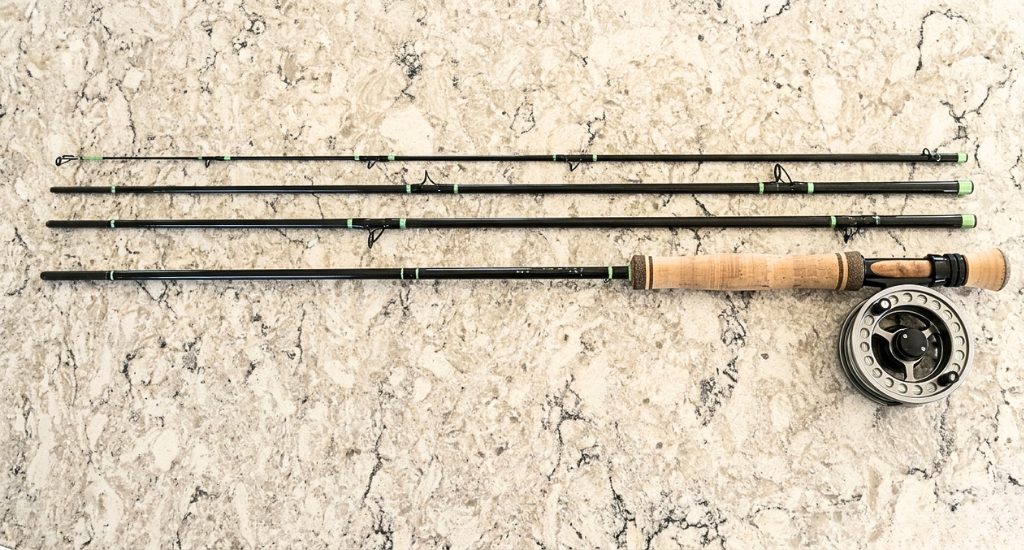
A 9-foot, 5-weight, medium-fast action fly rod is the best all-around river fly rod for four reasons: length, weight, action, and availability. It handles 80% of river-fishing scenarios without any specialization. Every serious fly angler I have guided over 24 years owns one.
The 9-foot length gives you reach without fatigue. It mends lines easily on medium-sized rivers. It clears the bank brush on the backcast. It casts long enough to reach 60+ feet without strain. Anything shorter loses mending reach. Anything longer tires your casting arm after a few hours.
The 5-weight line carries the widest range of flies. It throws a size-18 mayfly with a delicate presentation. It also handles a size 4 streamer without buckling. The 5-weight line is the gold-standard match for trout from 8 inches to 24 inches.
Medium-fast action gives power with forgiveness. It bends through the top third of the rod. The bend stores energy for long casts. The flex absorbs the shock of a hard hit. Beginners feel the rod load during the cast. Experts get tight loops when they need them.
Every major brand makes this rod at every price tier. Echo, Redington, Douglas, Orvis, Sage, and G. Loomis all build a 9′ 5-weight medium-fast. You can find one for $150 or $700. The market depth means honest pricing across the board.
My first proper fly rod was a 7’6″ 5-weight that I used for everything. The day I switched to a 9′ 5-weight, my casts grew 10 feet on average. The mending reach changed how I fished. I never went back to the shorter rod.
What Are the Best Fly Rod Sizes for Small Streams and Brushy Creeks?
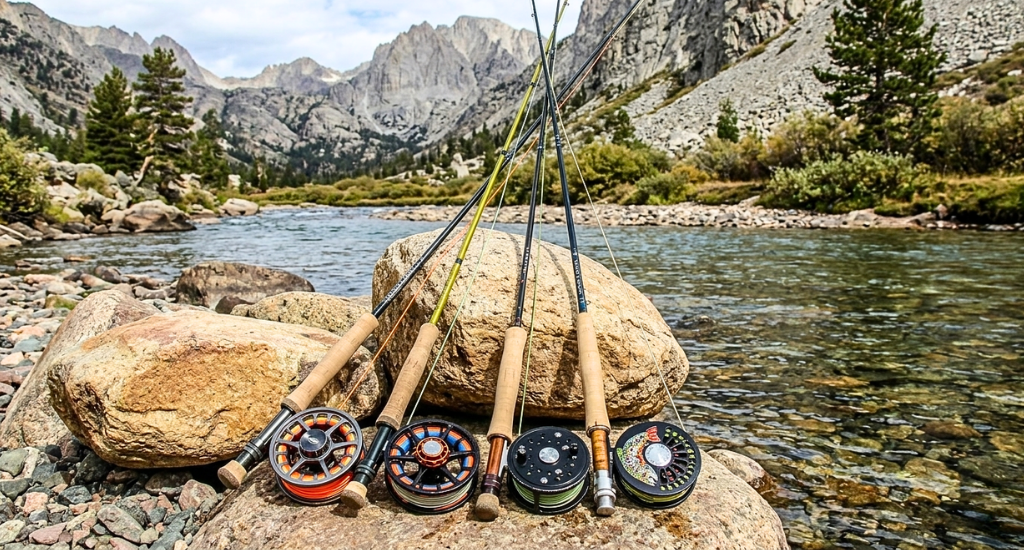
A 7’6″ to 8’3 ” weight fly rod is the best size for small streams and brushy creeks. The shorter length clears overhead branches on the backcast. The lighter weight protects fine tippet and presents tiny flies softly. Step down to a 2-weight only on the tightest mountain water.
Small streams change everything about fly rod selection. The water runs under 30 feet wide. The fish weigh under 2 pounds in most cases. The flies range from size 14 to size 22. The trees often hang right over the water. A 9-foot rod becomes a problem instead of a tool in this water.
The 3-weight line lands a size 20 mayfly without spooking wild trout. It protects 6x and 7x tippet during head shakes. It loads fast at short distances. Most small-stream casts run 15 to 30 feet, not 60. A 3-weight loads cleanly at those distances. A 5-weight feels overpowered.
For tighter water under 15 feet wide, a 7′ 2-weight rod gets you under low branches. Advanced anglers use 6’6″ 1-weight rods on the smallest mountain creeks. These rods cast tight loops in tunnel-fishing situations. They protect a 7x tippet during fights with wild brook trout.
Skip the 4-weight unless your small stream sees heavy hatches with bigger flies. The 3-weight handles 95% of small-stream work. Save the 4-weight for transitions between small- and medium-river fishing. For more on creek tactics, see the Fly Fish a River guide.
When Should You Use a 6-Weight or Bigger for River Fishing?
A 9-foot 6-weight fly rod is the right step up from a 5-weight for big rivers, windy water, and trophy trout on streamers. Go to a 7-weight for smallmouth bass or steelhead tributaries. Go to an 8-weight for big-water salmon and trophy steelhead.
The 6-weight earns its place when conditions get bigger. Big rivers like the Madison or the Yellowstone need longer casts than a 5-weight delivers comfortably. Wind kills 5-weight casting accuracy fast. A 6-weight cuts through the wind with the same fly that a 5-weight cannot deliver.
Streamer fishing for trophy trout requires at least a 6-weight. Throwing a size 4 weighted streamer on a 5-weight stresses the rod blank. The 6-weight loads cleanly with heavier flies up to size 2. It also fights bigger fish without bending into a useless arc.
Smallmouth bass in rivers like the New River or the Susquehanna need a 7-weight. Smallmouth take poppers, big streamers, and heavy crawfish patterns. A 7-weight loads these flies cleanly. It also has the backbone to turn a 4-pound smallmouth away from rocks. The fly fishing for smallmouth bass covers this setup in detail.
Steelhead tributaries call for a heavier rod weight. Most steelhead anglers use a 9’6″ or 10′ 7-weight for indicator nymphing. Step up to an 8-weight switch rod for swinging flies. The bigger rod handles heavier sink tips, larger flies, and the long fights steelhead produce.
Top picks for big-river work include the Douglas DXF 9′ 6-weight, the Sage Sonic 6-weight, and the Orvis Recon 6-weight. All three deliver the lifting power and casting reach that big water demands.
What Is Euro Nymphing and What Rod Size Do You Need?
Euro nymphing is a tight-line nymphing technique that keeps the fly line off the water and uses a long leader for direct contact with the nymphs. A 10-foot, 3-weight, medium-fast-action fly rod is the standard for Euro nymphing on most rivers. The extra length and light weight make the technique work.
The long rod matters because Euro nymphing depends on line control. You hold the rod tip high and lead the nymphs through the drift. A 10-foot rod keeps more line off the water than a 9-foot rod. Fewer lines on the water mean fewer drag points and cleaner drifts.
The light line weight matters because Euro nymphing relies on strike detection via a sighter rather than a strike indicator. The 3-weight bends easily under the weight of a tungsten-bead nymph. The bend telegraphs subtle takes that a 5-weight would miss. Wild trout often inhale a nymph and spit it out within half a second.
Step down to a 10-foot 2-weight on small, tight rivers with size 18-22 nymphs. The 2-weight loads at shorter distances protect 6x tippet. Step up to a 10’10” or 11′ 3-weight or 4-weight for big rivers with heavier nymph rigs.
Top Euro nymphing rod picks include the Echo Shadow X 10′ 3-weight, the Cortland Nymph Series 10′ 3-weight, and the Orvis Helios D 10′ 3-weight. The high-sticking nymph fishing guide covers Euro nymphing technique in full detail.
How Do You Match the Rest of Your Setup? Fly Line, Leader, and Tippet Chart
Your fly rod is only one part of the system. The fly line, leader, and tippet must match the rod weight to load and cast properly. The wrong line ruins a great rod. The right setup makes a budget rod cast worth more than its price.
| Rod Weight | Fly Line | Leader Length | Tippet Size | Typical Fly Size |
|---|---|---|---|---|
| 2-3 weight | WF or DT to match | 7’6″ to 9′ | 5x to 7x | 16-22 dries and nymphs |
| 4-5 weight | WF5F floating | 9′ tapered | 4x to 6x | 12-20 dries, 12-18 nymphs |
| 6 weight | WF6F floating | 9′ to 10′ | 3x to 5x | 6-14 streamers, 10-16 dries |
| 7-8 weight | WF7F or WF8F | 9′ tapered | 1x to 3x | 2-10 streamers, big poppers |
The fly line weight must match the rod weight as a baseline. A 5-weight rod casts a 5-weight line. Going up or down one size is intentional, not accidental. Most beginners stick with the matched line. Pro tips on over-lining come in the next section.
Leader length follows water conditions. A 9-foot leader is the default for trout. Drop to 7’6″ in heavy wind. Stretch to 12 feet for spooky fish in clear flat water. Tippet size matches the fly size and tippet rating chart above. Use 5x for size 14- 18 dries, 6x for size 20+ technical dries.
What Pro Tips Do Veteran River Anglers Use That Beginners Miss?
Veteran river anglers consistently outfish beginners, not because they have better rods, but because they know five adjustments that never appear on a spec sheet.
Overline by one weight in tight quarters. Put a 4-weight line on your 3-weight rod in brushy creeks. The heavier line loads the blank faster with less fly line out, so you cast accurately in two rod-lengths of space instead of four.
Use a slower-action rod for technical dry fly fishing. On spring creeks and tailwaters where selective trout sip size 18 dries, a medium or medium-slow rod delivers a softer presentation. The extra tip flex dumps energy before the tippet turns over, which means fewer spooked fish.
Shorten your leader in high winds. Drop from 9 feet to 7½ feet and step up to 3x tippet. A shorter, stiffer leader cuts through the wind, where a long, limber leader collapses and dumps the fly short.
Buy the rod that fits your home water, not a “do-it-all” rod. If 80% of your fishing is on one river type, a specialized rod beats the all-arounder every time.
Test cast before buying. Feel beats spec sheet. Two rods with identical ratings can cast very differently due to the blank taper and the balance point.
What Are the Best Fly Rods for River Fishing by Price Tier?
The best fly rod for river fishing at every price tier is a 9-foot 5-weight; the difference between budget and tournament-grade is blank sensitivity, casting feel, and long-term durability, not basic fish-catching ability.
Budget ($150-$250): Real performance without the premium price. The Echo Carbon XL, Redington Path II, and Orvis Encounter all deliver reliable medium-fast action that handles dries, nymphs, and small streamers. Any of these three will catch trout. The Echo Carbon XL is the sharpest caster of the three at this price point.
Mid-Range ($250-$400): The sweet spot for serious anglers. The Douglas LRS, Redington Vice, and Orvis Clearwater step up blank quality noticeably. The Douglas LRS in particular punches well above its price with a crisp, accurate tip that rivals rods twice the cost.
Premium ($400-$700): Where feel and feedback separate themselves. The Orvis Recon, Sage Foundation, and G. Loomis IMX-Pro deliver the kind of loop control and strike sensitivity that experienced anglers notice immediately. The IMX-Pro is a particular standout for technical nymphing.
Tournament ($700+): For anglers who demand the best. The Sage Igniter, Scott Centric, and Orvis H3 represent the top tier. These rods reward advanced casting technique with precision and power that entry-level blanks simply cannot match.
How Do You Pick the Right River Fly Rod? A 5-Question Decision Test
Answer these five questions in order. The first “yes” you hit is your rod.
Q1: Do you fish water under 30 feet wide with overhead cover?
Yes, a 7’6″ to 8’3 ” weight, or 4-weight, is your rod. Short length clears the brush. Lightweight delivers the delicate presentation that tight quarters demand.
Q2: Do you fish rivers with frequent wind or wide-open water?
Yes, step up to a 9-foot 6-weight fast action. The extra line weight punches through the wind and generates the distance big open rivers require.
Q3: Are you a beginner buying your first river rod?
Yes, a 9-foot, 5-weight, medium-fast-action rod is the right starting point. It forgives casting mistakes while still handling dries, nymphs, and small streamers.
Q4: Do you primarily fish streamers for trophy trout?
Yes, a 9-foot 6-weight or 7-weight gives you the backbone to turn over heavy flies and fight big fish without overworking the blank.
Q5: Do you tight-line nymph or fish Euro style?
Yes, a 10-foot 3-weight is built for direct contact nymphing. The extra length keeps the fly line off the water for cleaner strike detection.
None of the above? Default to the 9-foot 5-weight medium-fast. It covers 90% of river situations without compromise.
The Bottom Line
A 9-foot 5-weight medium-fast action fly rod is the right starting point for river fishing – full stop. From there, match your rod to your water: go shorter and lighter for small streams, longer and heavier for big rivers, wind, and streamers.
Before you buy, test cast the rod with your actual leader and fly line. Feel tells you more than any spec sheet. Find out more about fishing on All for Fishing.
FAQs
What size fly rod is best for trout fishing in rivers?
A 9-foot 5-weight medium-fast action fly rod is the best size for trout fishing in most rivers. It handles the full range of trout techniques, dry flies, nymphs, and small streamers without specializing too far in any one direction. For small streams under 30 feet wide, drop to a 7'6" or 8' 3-weight. For big rivers with wind or heavy streamer work, step up to a 9-foot 6-weight.
Is a 9-foot fly rod always better than a shorter rod?
A 9-foot fly rod is the right choice for most river fishing, but not for every situation. Small streams under 30 feet wide with overhead cover favor a 7'6" to 8' rod because a shorter length clears branches and delivers more accurate presentations in tight quarters. Euro nymphing favors 10- to 11-foot rods because the extra length keeps the fly line off the water, allowing direct contact with the fly. Match rod length to the water you actually fish.
What action fly rod is best for beginners on rivers?
Medium-fast action is the best choice for beginners fishing rivers. It delivers enough power to cut through light wind and turn over leaders cleanly, while the softer tip forgives the timing errors that most new casters make. Fast action rods feel stiff and punishing for beginners. Slow-action rods lack the line speed needed for windy conditions. Medium-fast sits in the middle and rewards improvement without fighting against you early on.
Can I use a 5-weight fly rod for bass?
A 5-weight fly rod handles smallmouth bass in rivers effectively when fishing smaller streamers and poppers in open water. It underpowers for largemouth bass in heavy cover or when throwing large articulated flies. For dedicated river bass fishing, smallmouth or largemouth, a 7-weight or 8-weight rod gives you the backbone to turn over bigger flies, make longer casts, and fight hard-running fish without overloading the blank.
How much should I spend on my first river fly rod?
Spend between $150 and $250 on your first river fly rod. The Echo Carbon XL, Redington Path II, and Orvis Encounter all deliver genuine medium-fast action performance at this price, enough to learn on, improve with, and catch real fish. Avoid combo kits under $80; the blanks are too soft, and the components fail quickly. Once your casting improves, a mid-range upgrade to the $250–$400 tier will feel like a significant step forward.