A tight line and a high rod can change your trout game fast. High-sticking nymph fishing is a short-line method where you keep the rod tip high and most of the line off the water. This helps your fly drift naturally through fast current.
Many modern trout anglers trust this method in rough water with boils, whirlpools, and mixed seams. The direct line to the fly helps you feel small strikes. It works better than a standard indicator in close range and feels different from the Euro nymph style.
In this guide, you will learn what high sticking means, how it compares to indicator and Euro nymphing, and which water suits it best. Read on to see how this simple method can improve your trout results.
Best Gear and Rig Setup for High-Sticking Nymph Fishing
Good gear helps you stay in control in fast water. High sticking needs simple but balanced equipment. Each part of the rig has a clear role. Use the right length, weight, and fly setup for better drift and quick hook sets.
- Rod (9- 11 ft length): Longer rods give better reach and tight line control in pocket water.
- Rod Action (Medium to Fast): Medium-fast or fast action helps with quick hook sets and better sensitivity.
- Line Weight (4-5 weight): A 4 or 5 weight line works best for trout and light nymph rigs.
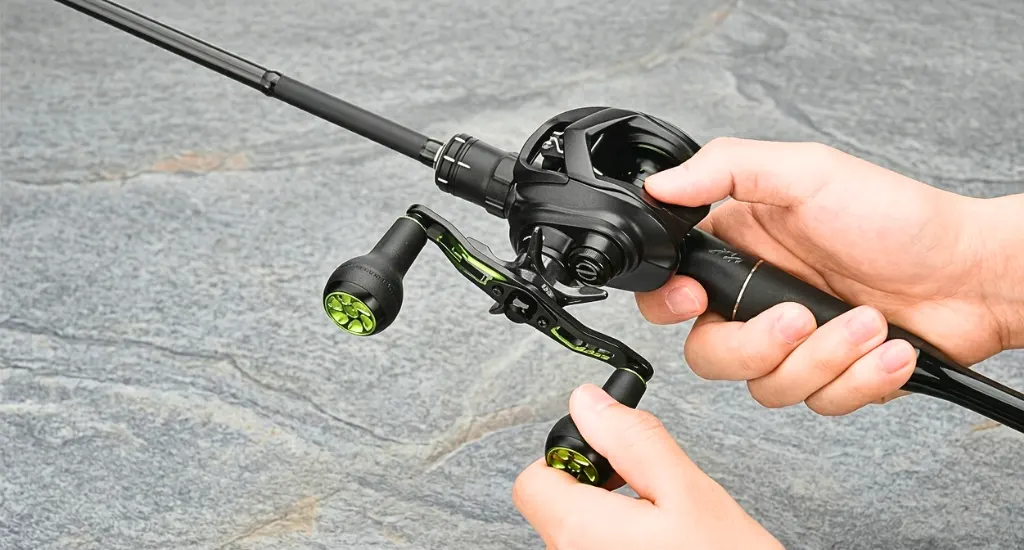
- Reel Balance and Drag: The reel must balance the rod well and have smooth, steady drag.
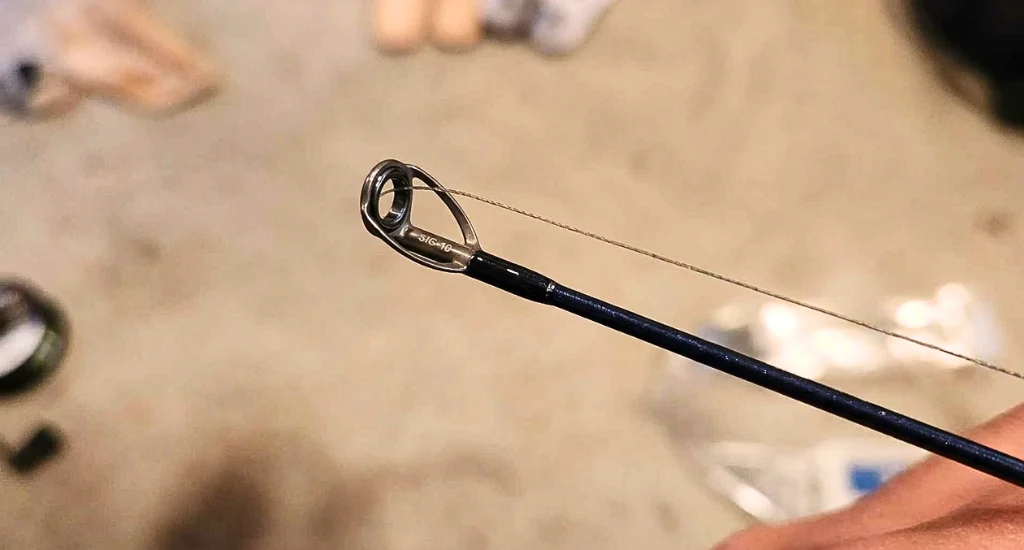
- Leader (9- 12 ft length): A long leader keeps the fly line off the water and improves natural drift.
- Leader Material (Fluorocarbon or Nylon): Fluorocarbon sinks faster; nylon floats slightly and costs less.
- Tippet Size (4X-6X): Thin tippet looks natural and helps small nymphs sink properly.
- Split Shot: Add a small weight above the fly to reach deeper water quickly.
- Weighted Nymphs: Bead-head flies carry built-in weight and reduce the need for extra split shot.
- Attractor Nymphs: Bright patterns grab trout’s attention in fast or dirty water.
- Natural Imitation Patterns: Simple insect copies match local bugs and work well in clear water.
- Single Nymph Rig: Easy setup with fewer tangles; great for beginners.
- Two-Fly Rig: Covers two depths at once and increases the chances of trout interest.
High Sticking Nymph Fishing Technique (Step-by-Step Guide)
High sticking works best with a clear plan. Each move matters. You stay close to the fish and control the line with care. Follow these simple steps to improve drift, depth, and hook sets.
Step 1: Choose the Right Water
Look for pocket water, riffles, seams, and short runs where current breaks around rocks and creates safe feeding lanes for trout. These areas often hold active fish because food passes through narrow channels.
Choose water with a steady depth around the knee to waist level and a moderate current that allows the nymph to sink properly. Broken surface flow hides your shape and makes trout feel secure in rough water.
Step 2: Select the Proper Rod, Line, and Leader
Use a rod between 9 and 11 feet in a 4 or 5 weight to improve reach and line control at close range. Extra length helps lift more fly line away from mixed currents.
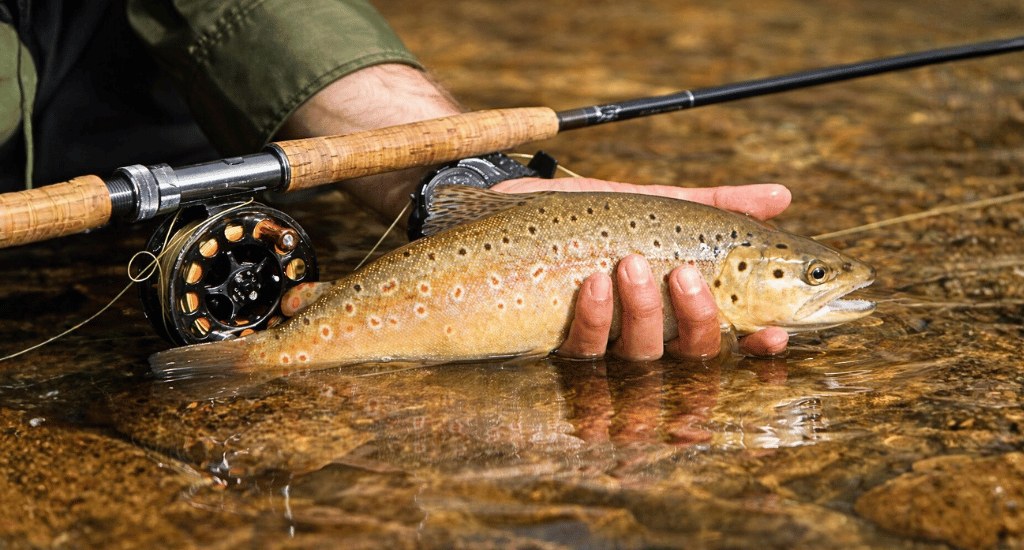
Pair the rod with a floating fly line and a leader between 9 and 12 feet for better short-range accuracy. A smooth taper supports steady turnover and keeps slack low during tight drifts.
Step 3: Position Yourself Upstream of the Fish
Stand slightly upstream of the target area and face the drift lane at a small angle for better control. This angle allows the nymph to move naturally toward your position with steady tension.
Move with care and keep steps soft so trout do not react to sudden shadows or vibrations. Fast water creates background noise that helps hide light movement when you stay close.
Step 4: Make Short, Accurate Casts
Keep each cast short and direct, placing the fly a few feet above the chosen seam so it can sink before reaching the main holding zone. A gentle lob gives better control in tight quarters.
Lift the rod tip right after the fly lands to remove slack and establish light tension before the drift develops fully. Long casts reduce contact and delay your response to subtle takes.
Step 5: Keep the Rod Tip High and Line Tight
Hold the rod tip high near the 10 to 12 o’clock position so most of the fly line stays above the surface. This position limits drag from mixed currents and uneven seams.
Maintain steady but light tension between the rod tip and the nymph so the fly moves with the natural flow. Direct contact improves strike feel and keeps the presentation clean in broken water.
Step 6: Control Depth and Drift Speed
Allow the nymph to travel at the same pace as the slower current near the riverbed where trout feed. If the fly moves too quickly, adjust the rod height to reduce pressure on the line.
Guide the rod tip along the primary seam during the drift to manage uneven current across different lanes. Small position changes keep the nymph at proper depth through complex flow.
Step 7: Detect Strikes and Set the Hook
Watch for slight pauses, small twitches, or unexpected sideways line movement that may signal a trout has taken the nymph. Many strikes feel soft and last only a moment.
Lift the rod with a short, firm motion as soon as you notice any unusual change in line behavior. Quick reaction improves hook success because subtle takes are common in trout streams.
Water Conditions That Favor High Stick Nymphing Trout Fly Fishing
Technique
High sticking works best in certain river conditions where close control and tight contact improve drift quality. This method shines when current patterns are complex, and trout hold near the bottom in steady feeding lanes.
Fast vs Moderate Currents
Fast current often creates seams, pockets, and soft edges where trout wait for food. High sticking helps keep most fly line off the surface, which reduces drag in mixed flow and improves natural drift control.
Moderate current also supports this method when depth allows the nymph to reach the feeding zone quickly. In water that moves too slowly, fish may see the angler more easily and react with caution.
Clear vs Slightly Stained Water
Clear water demands a careful approach because trout can spot movement above the surface with ease. High sticking limits an extra line on the water and allows a subtle presentation in close range.
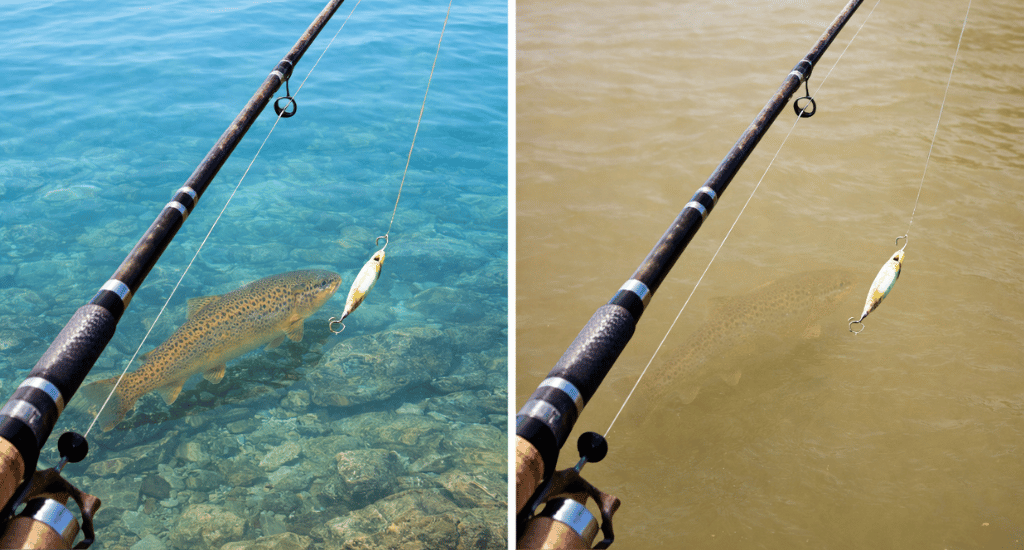
Slightly stained water gives more cover and often increases trout confidence during feeding periods. In these conditions, you can stand a bit closer while still maintaining tight contact and steady drift control.
Optimal Water Depth Range
Knee-to-waist-deep water provides ideal depth for this technique in most trout streams. This range allows the nymph to reach the bottom level without excessive weight or complex rig adjustments.
Water that is too shallow may not hold steady fish, while very deep sections reduce contact and depth control. Moderate depth supports better strike feel and quicker hook response during short drifts.
Best Seasons for High Sticking Nymphing
Spring runoff brings higher water levels and stronger currents, which create perfect seams and pocket water for this method. Trout hold close to the bottom during this period, and tight line control helps keep the nymph in the feeding zone longer.
Summer often means lower and clearer water, where trout become cautious and move into faster lanes for safety. High sticking allows close, controlled drifts in broken surface flow, which hides your presence and improves strike contact in tight spaces.
Fall and winter push trout into deeper, steady currents where food moves slowly near the bottom. Cold water reduces fish activity, so precise depth control and direct contact help detect soft takes during short, careful drifts.
End Note
High-sticking nymph fishing works so well because it gives you direct contact with the fly in fast water. The high rod position improves drift control and helps you notice even light trout takes near the bottom.
Practice this method in shallow, broken current where seams and pockets hold active fish. Stay close, keep the line tight, and focus on depth control. With steady effort, your confidence and hook success will grow.
FAQs
What is high-sticking nymph fishing?
High-sticking nymph fishing is a short-line fly fishing method where you hold the rod tip high and keep most of the line off the water. This helps the nymph drift naturally in fast current and improves strike detection in close-range trout water.
Is high-sticking nymph fishing beginner-friendly?
Yes, high-sticking nymph fishing is beginner-friendly with practice and patience. The method uses short casts and simple gear, which makes control easier at close range. Start in shallow, broken water and focus on keeping the line tight.
What rod length is best for high-sticking nymph fishing?
A rod between 9 and 11 feet works best for high-sticking nymph fishing. Longer rods improve reach and line control in pocket water, while shorter rods feel lighter but reduce drift control in complex currents.