The mist hangs low over the water. Everything is quiet except for your breath and the soft pull of the line. This is where it begins. No rush. No noise. Just you, the cast, and what might come next.
Fishing is more than a hobby. It’s calm and thrilling in one place. It’s nature, focus, and the freedom to breathe.
You’re not alone in this feeling. According to the Recreational Boating & Fishing Foundation, 57.9 million Americans fish recreationally. They come for the peace. They stay for everything else.
You’re about to see why fishing matters, why it feels good, and why once you start, you keep coming back.
The water is waiting.
The Morning Cast – Finding Peace on the Water
Fishing creates instant calm. That’s what brings so many of us to the water long before sunrise, chasing more than just fish. It’s about stepping into a space where stress slips away. The moment your boots touch the edge of the riverbank or lake, the mind lets go. You’re not thinking about unread messages or endless to-do lists. You’re thinking about the silence, and how good it feels.
When the World Goes Quiet
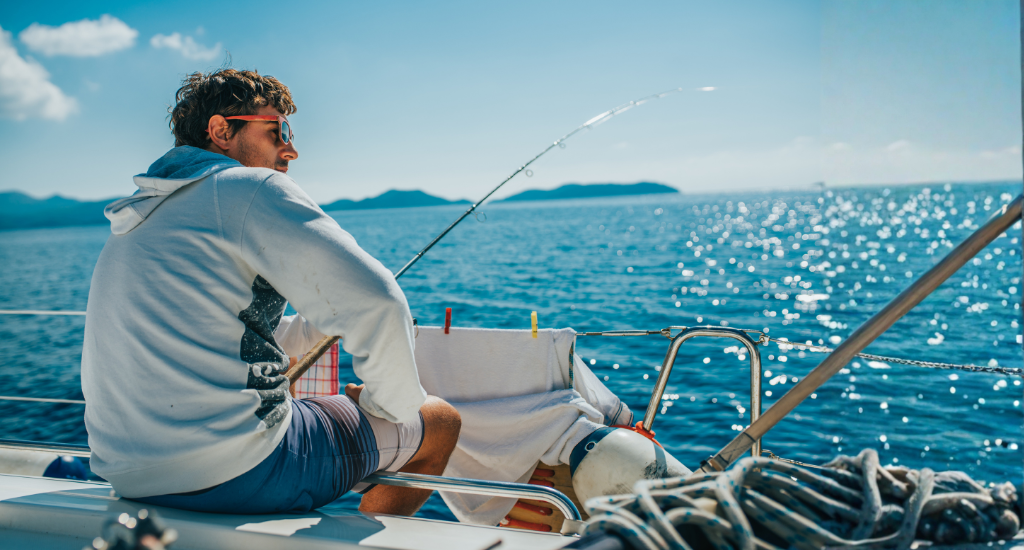
Fishing gives your mind a break from the constant hum of modern life. No pings. No scrolling. Just water. Just breathe. You set your gear down. The air is crisp. Casting the first line feels like exhaling. Then, you wait. Then, cast again. The rhythm becomes a meditation. You start to notice small things, how the mist hovers over the surface, how the birds wake up one at a time. That’s mindfulness in motion.
It’s no surprise that organizations like NAMI recognize fishing as a deliberate wellness choice. In the UK, Tackling Minds even works with the NHS, prescribing fishing to treat anxiety and depression. It’s not just a hobby anymore. It’s a tool for mental health.
What the Science Says
Fishing lowers stress and boosts mood. A 2021 study from Anglia Ruskin University found that anglers report 17% fewer mental health issues than non-anglers. Why? Fishing reduces cortisol, the body’s stress hormone, while increasing dopamine, which helps regulate mood. It’s a natural mood stabilizer, supported by the American Psychological Association and the National Library of Medicine, both of which highlight nature-based therapy as a valid approach to emotional wellness.
Fishing isn’t an escape. It’s a reset. And it starts the moment the world goes quiet.
The World Around You – Nature as Your Companion
Fishing immerses you in the wild. Long before the first bite, the reward begins. You’re not just outdoors. You’re surrounded. Every cast happens in a living scene where nature isn’t the background. It’s your companion.
More Than Just Water
Nature shows up early. Morning fog curls off a mountain stream like steam from a mug. The water is glassy. Trees whisper with the breeze. You hear your line slice the air before it touches the current. On a lake, it’s the slow slap of water against your boat. On the ocean, salt clings to your skin, and the wind tastes clean.
Freshwater fishing wraps you in quiet. Bass wait beneath lily pads on still lakes. Trout dart through cold rivers that cut between pine-covered cliffs. Saltwater fishing brings a different kind of focus. Wide horizons. Crashing surf. Endless sky.
You feel the early sun warming your shoulders. You smell cedar, algae, or brine, depending on where you cast. The details shift with each place. But one thing stays the same. You’re exactly where you want to be.
Unexpected Visitors
Fishing puts you in the front row of nature’s show. A heron lifts off just feet from where you stand. A deer steps softly at the far bank. Sometimes a fish jumps before you even cast, like it’s reminding you to stay ready.
These moments stay with you longer than the catch. You didn’t just go outside. You connected with it. That’s what nature connection really means. You noticed. You slowed down. And nature responded.
This isn’t just outdoor recreation. It’s nature therapy, and it’s built into every cast.
The Tug on the Line – Why the Catch Thrills Us
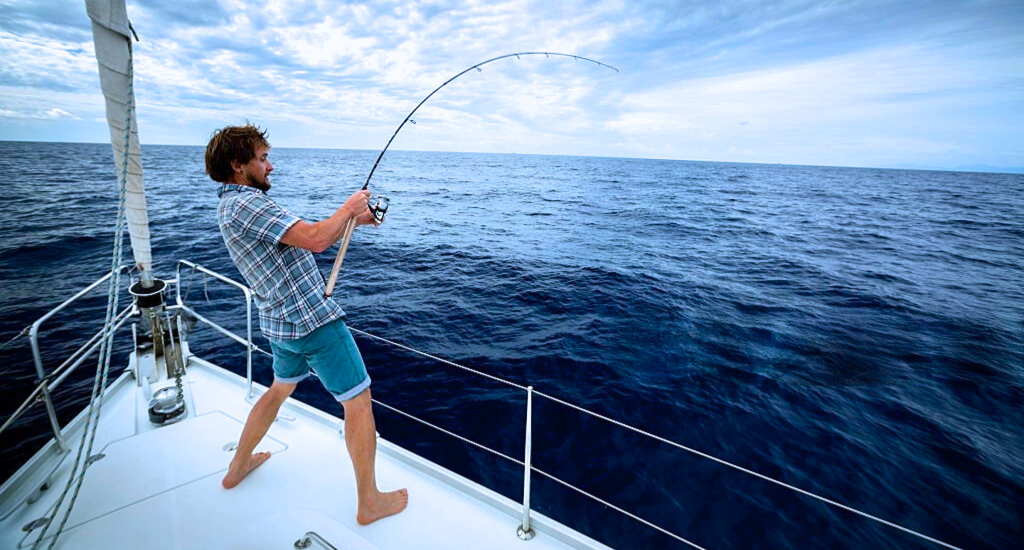
Fishing flips in an instant. One second you’re calm, focused, maybe daydreaming. Next, your line tightens. Your hands react before your brain catches up. In that single tug, everything changes.
The Moment Everything Changes
The strike is pure surprise. One sharp jolt shoots through the rod and straight into your spine. You feel it. Adrenaline kicks in fast. Your heart races. You grip the rod tighter and hold your breath. The fish pulls. You pull back. It’s on.
That’s the thrill of the hunt. It’s quiet tension turning into a sudden battle. And it triggers something deep in your brain. Neuroscience shows that when that line tightens, dopamine floods the reward center. It feels good because it means something is happening. You waited. You watched. And now, it’s your move.
Fishing holds a rare balance. It’s a combination of adrenaline and relaxation. You wait in peace, but when the moment comes, the rush is real. Whether it’s a rainbow trout in a cold stream or a largemouth bass exploding from the water, the excitement never fades.
The Sweet Taste of Victory
Landing a fish brings instant payoff. Especially when it’s a tough one. Some call it luck. Some call it skill. The truth is, it’s both. And that mix is what keeps fishing interesting.
The best anglers know it’s not random. The 80/20 rule applies here. Twenty percent of anglers catch eighty percent of the fish. That tells you one thing: skill development matters. Reading water, choosing bait, setting the hook—it all adds up.
And when it works, the feeling is unmatched. You set a goal. You reached it. That’s fulfillment you can feel in your hands.
Why We Keep Coming Back
People get obsessed with fishing because it gives something back. The elation of a good catch sticks with you. You want that moment again.
But it’s not addiction. It’s a pursuit. It rewards patience. It teaches presence. It invites you to get better.
And every time that line pulls tight, you remember why you started.
Shared Waters – The People Who Make It Memorable
Fishing creates more than memories. It creates a connection. Whether you’re with family or friends, time on the water becomes time well spent.
Passing Down the Rod
Fishing often starts with a hand on your shoulder. A parent showing you how to cast. A grandparent sharing their favorite spot. These moments last. They become stories you tell and traditions you pass down.
It’s no surprise that 85 percent of today’s anglers fished before age 12. Fishing helps strengthen relationships with family and friends. It’s not just about the catch. It’s about the quiet lessons, the early mornings, and the feeling of learning something real together.
Fishing is a memory-maker. Every trip adds another chapter.
Friends on the Water
Some of the best friendships are built with a rod in hand. You talk between casts. Or you don’t. Either way, it works. There’s no rush. No pressure. Just quality time with your buddies.
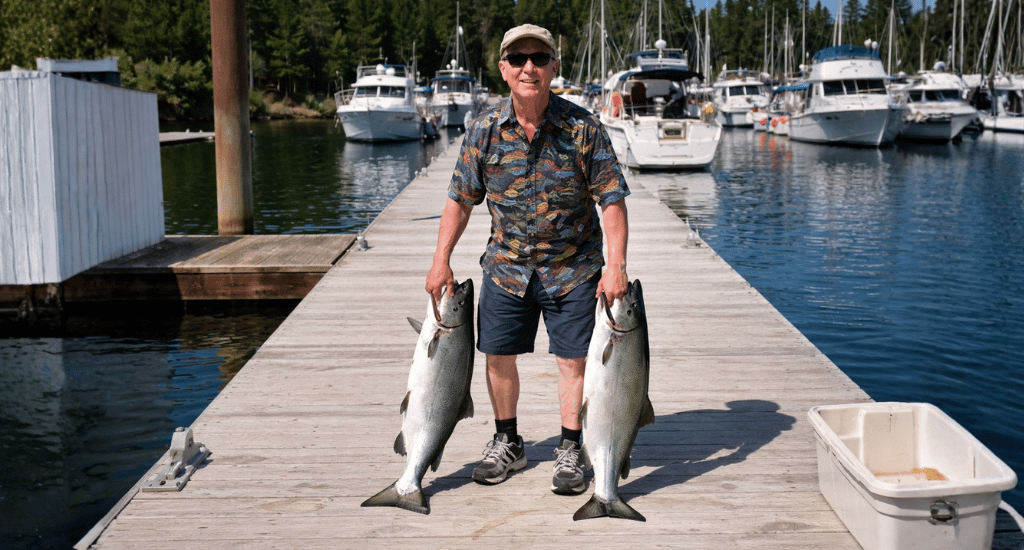
Fishing brings people together. Eighty-one percent of anglers fish in groups of two to five. That includes 21.3 million women who now take part, proving it’s a space for everyone.
What makes it special isn’t the talking. It’s the sharing. The same water. The same goal. The same joy when someone gets a bite.
A Hobby for Every Kind of Angler
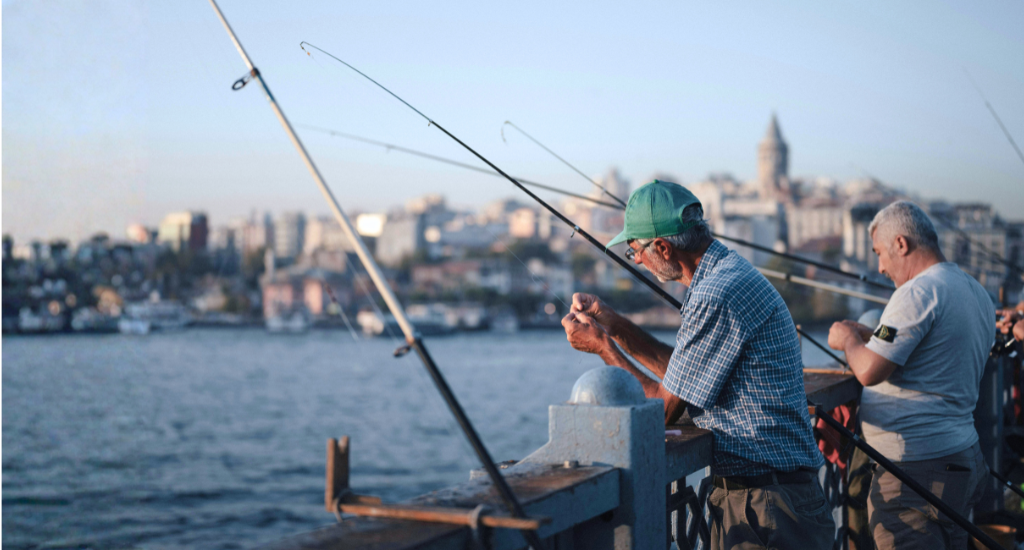
Fishing fits whoever you are. There’s no one way to do it. You find what feels right and make it yours.
Find Your Water
Maybe your story starts on a quiet pond, with birds in the trees and bass under the lilies. Or maybe it begins on the open ocean, chasing giants in salt spray and sunlight.
Freshwater fishing is where most people begin. Sixty-one percent of anglers start here, casting for bass and panfish in calm lakes and slow-moving rivers. It’s peaceful. Simple. Grounding.
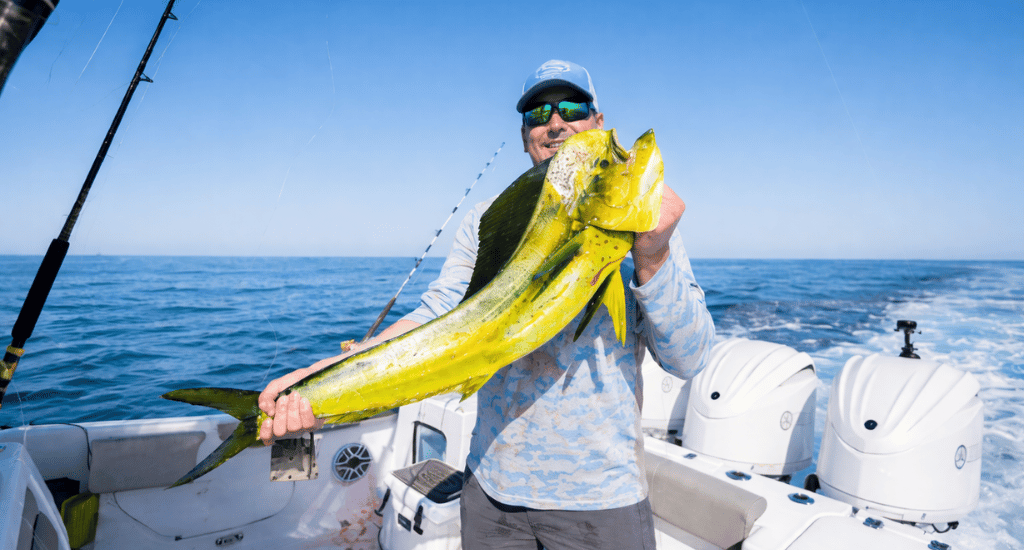
Saltwater fishing turns it up. Bigger water. Bigger fish. Bigger adventure. The open sea brings thrill with every cast.
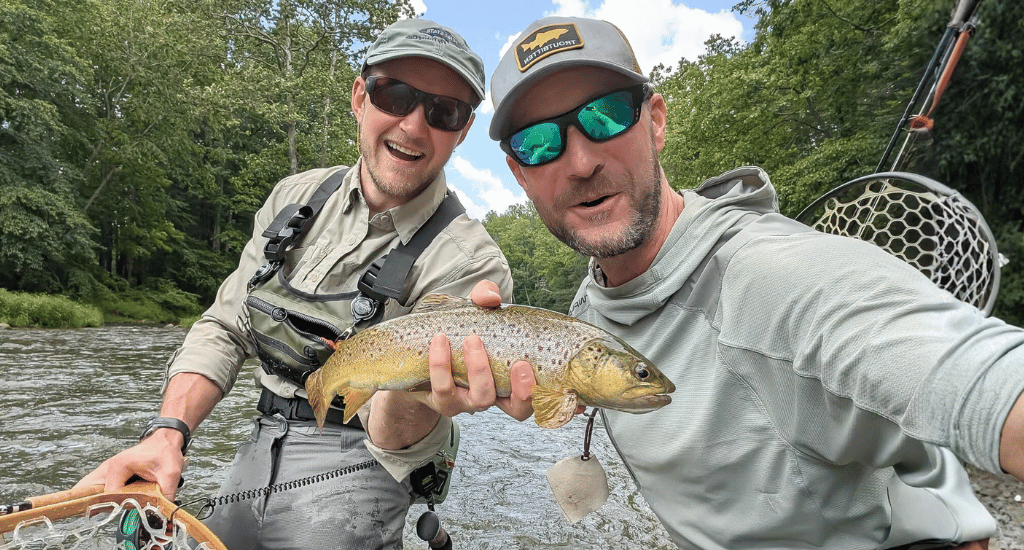
Fly fishing is its own rhythm. Artistic. Technical. Ideal for trout streams and mountain air. Ice fishing flips the season. It’s winter’s social adventure: friends, a heater, and a frozen lake.
And then there’s kayak fishing. Paddle, explore, and cast from anywhere.
Each path offers a different level of fun. Solitude or adrenaline. Simplicity or challenge. Whatever you’re after, there’s a version of fishing that fits.
Your Story Starts Here – Why You Should Try Fishing
Fishing is beginner-friendly, affordable, and built to grow with you. It’s a pastime that works for all ages, and it might be easier to start than you think.
It’s Easier Than You Think
A lot of people wonder, Is fishing boring? It’s not. The blend of calm and excitement makes it different from anything else. You wait. You breathe. Then suddenly, something tugs, and the story changes.
Getting started doesn’t take much. A basic rod and reel costs less than fifty dollars. Add a fishing license, and you’re ready. Start with freshwater panfish or stocked trout. They’re active, forgiving, and fun to catch.
Fishing isn’t just a one-time trip. It’s a lifetime skill. Kids can learn it at six. Retirees enjoy it at seventy. You improve as you go, at your own pace.
More Than a Hobby – A Way to Give Back
Fishing feels good for more than one reason. It supports conservation. Every license funds habitat protection. The U.S. Fish & Wildlife Service and NOAA Fisheries confirm this direct impact.
In total, fishing drives 115 billion dollars in economic activity. That money helps restore waterways, protect fish populations, and maintain public access.
Catch-and-release also matters. It’s a simple way anglers give back. When you fish, you’re not just enjoying nature. You’re helping protect it.
Closing
The water is still. The light is soft. Somewhere nearby, a ripple breaks the surface and disappears. You’re back where it began, in the quiet & calm, in that first moment when the world slowed down, and you felt it all make sense.
This is where fishing lives. Not just in the catch, but in the pause. Not just in the thrill, but in the peace. It’s in the stories shared between casts, the silent nods from a fishing buddy, the sound of line sweeping forward through morning air.
You’ve seen what fishing can be. A reset. A rush. A bond. A skill. A way to care for something bigger than yourself.
Now the water is waiting. All that’s left is for you to answer the call.