Cold water rushes past rocks where smart trout live. How to Fly Fish the Truckee River is a question many anglers ask, since this California–Nevada river tests skill yet gives strong rewards.
The Truckee earns a technical label due to fast current and clear water. Anglers chase wild rainbow trout, brown trout, and cutthroat, while the lower stretch near the state line holds larger browns.
This guide explains seasons, fly choice, simple techniques, access points, and local advice. Read on to learn when flows help the bite, where to walk and wade, and how steady effort leads to success here.
How to Fly Fish the Truckee River
The Truckee River asks for patience and care. Fast water, clear flow, and wild trout make this river tough but fair. Walk-and-wade fishing rules here. Each step matters, from timing to fly choice, since trout see well and react fast.
Understanding the Truckee River’s Character
The Truckee is a freestone river. Snowmelt feeds it, so flow speed can often be. Cold water moves hard around rocks and tight bends. Trout stay alert in this type of river. Clear water makes mistakes easy to spot.
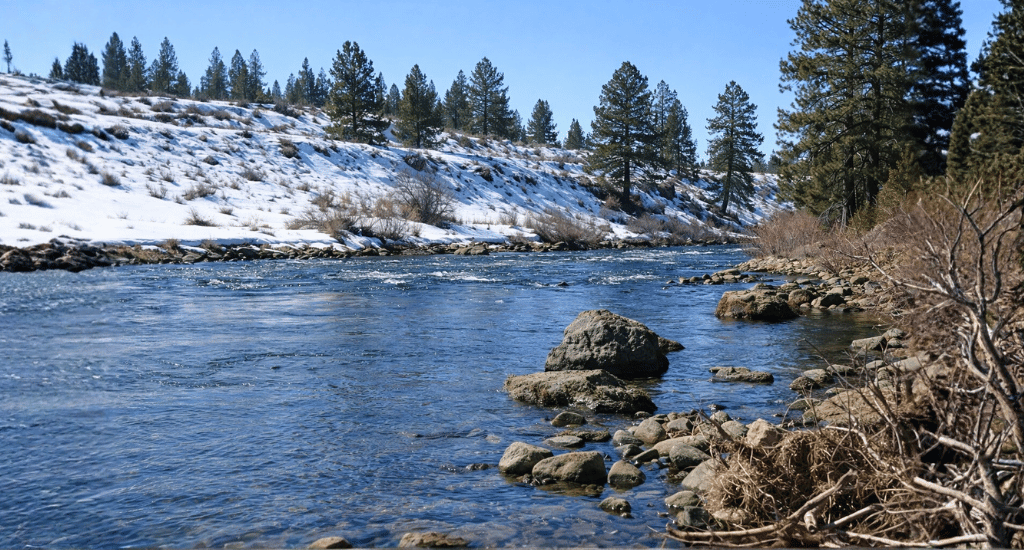
Many anglers call the Truckee a technical river. Trout face pressure all year. They refuse sloppy casts and poor drifts. Success comes through careful steps, quiet moves, and smart line control. Attention to water speed and depth helps more than fancy gear.
Best Time of Year to Fly Fish the Truckee
Spring brings strong runoff. March through June hold high water and fast flow. Wade safety becomes hard, and trout stay close to banks. Tailwater sections fish better during this time, but conditions shift fast.
Summer offers stable flows and clear water. Early morning and late evening bring the best action. Bugs hatch often, and trout feed near seams and edges. Walk-and-wade access works well once flows settle.
Fall gives cooler air and a strong trout response. Browns turn aggressive and chase flies with force. Winter fishing is still possible in open stretches. Check rules before a trip, since some areas close or limit methods.
Reading Water on the Truckee River
Pocket water sits behind rocks where the flow slows. Trout rest here to save energy. Seams form where fast water meets slow water. Cast along these lines since trout wait there for food.
High flow pushes trout near banks and behind cover. Low flow pulls trout into deeper slots and drop-offs. Look for boulders, riffles, and sharp depth changes. These spots offer shelter and steady food paths.
Fly Fishing Techniques That Work Best
Nymph rigs suit the Truckee well. Weight helps flies reach trout near the bottom. Stoneflies, mayflies, and caddis work often. Depth matters more than pattern choice here.
Dry-dropper rigs shine in summer. A dry fly floats on top, while a nymph hangs below. This setup covers two feeding levels at once. Streamers draw strikes from larger browns, mainly in lower river sections near the state line.
Switch methods as light and flow change. Start deep early. Move shallow as bugs hatch.
Proper Presentation and Drift
Dead drift keeps flies natural. Let the fly move at the same speed as the water. Line control stays key in fast current. Short casts help avoid trouble.
Mend the line often to reduce drag. Lift and place the line upstream to keep flies free. In pocket water, quick drifts work best. Cast, drift, and reset with care. Small steps lead to steady success on the Truckee River.
Best Flies for Fly Fishing the Truckee River
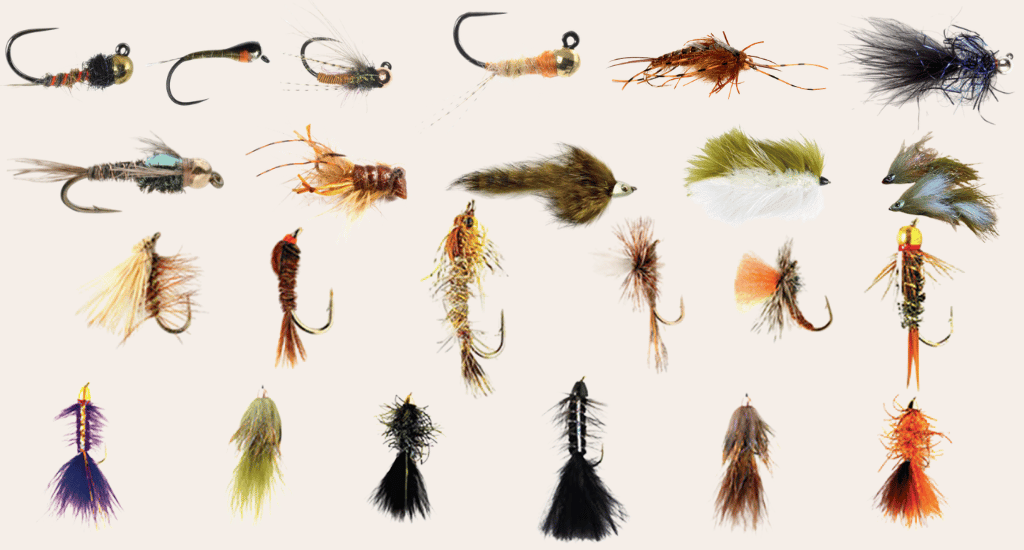
Fly choice matters on the Truckee River due to clear water and alert trout. Bugs hatch often, but depth and timing matter more than color. Simple patterns work well when flies move at the right level.
Top Nymph Patterns
Stoneflies like golden stones and rubber legs match large river insects. Mayfly nymphs suit slower streams. Caddis larvae and pupae also draw strikes. Heavy flies help reach trout near the bottom, which remains important in fast Truckee flows.
Productive Dry Flies
PMDs, caddis, and basic attractor dries see action during active hatches. Ants and hoppers work well in summer near banks. Dry flies perform best during calm mornings and evenings when trout rise and surface glare stays low.
Streamers for Trophy Trout
Streamers attract larger browns, especially in deeper runs. Dark olive, black, and white patterns work well. These flies trigger strikes through movement and shape. Use streamers during cloudy days, higher water, or early and late hours.
Elbow Water Fly Choices
Elbow water forms where the current bends around a structure. Trout rest here and watch food drift past. Weighted nymphs suit these spots well. Short drifts and controlled casts help flies pass close without drag or splash.
Seasonal Backup Fly Options
Green drakes and yellow sallies match strong summer hatches. Simple bead-head flies help during unclear bug activity. Carry a small mix and adjust depth first. The Truckee rewards steady focus more than large fly boxes.
Gear and Setup for the Truckee River
Strong current, cold water, and clear flow demand simple but solid gear. The right setup improves control, safety, and comfort while walk-and-wade fishing. Each item below supports better balance, cleaner drifts, and fewer mistakes.
- Rod Weight (4-6 wt): Handles wind, weighted flies, and strong trout without feeling heavy all day.
- Fast-Action Rod: Cuts through wind and controls line in fast current and tight pocket water.
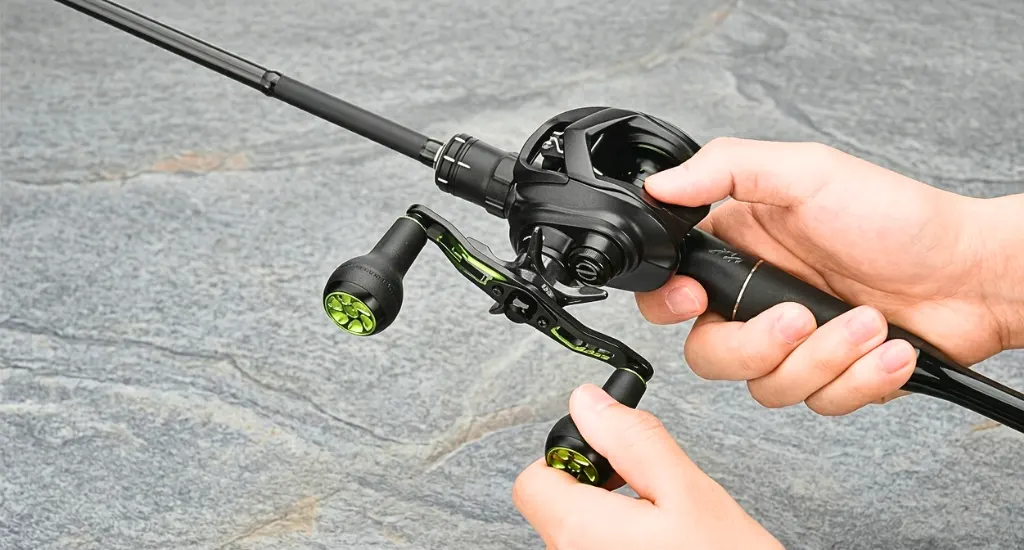
- Reel and Drag System: Smooth drag protects light tippet during strong runs from wild Truckee trout.
- Floating Fly Line: Best for nymph rigs, dry flies, and dry-dropper setups in most conditions.
- Sink-Tip Line: Helps streamers reach depth in deep runs and higher summer flows.
- Leader Length: Use nine feet for nymphs and longer leaders for dry flies.
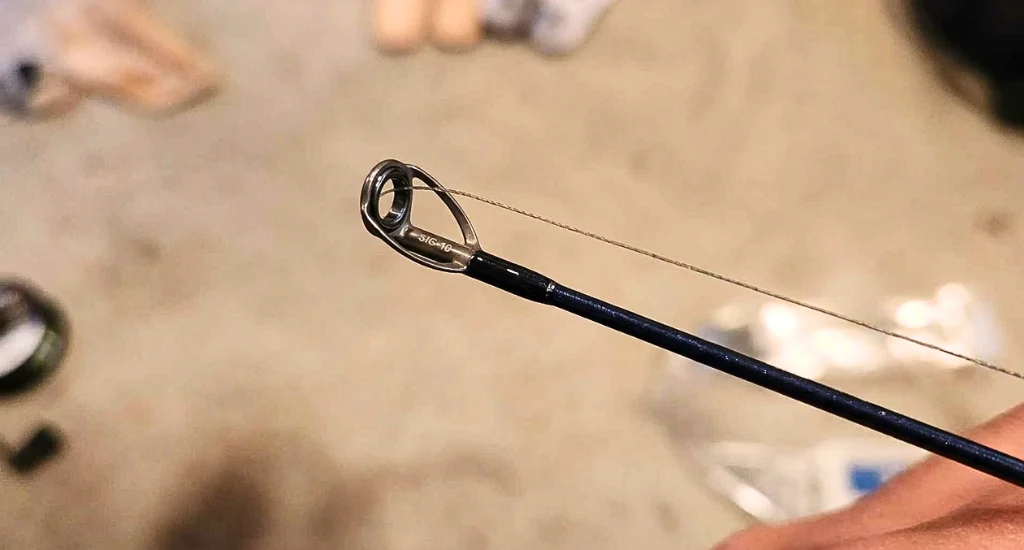
- Tippet Size: Light tippet works better in clear water where trout react fast.
- Wading Boots: Strong traction helps grip slick rocks and uneven river bottoms.
- Wading Staff: Adds balance and support while crossing swift and uneven sections.
- Current Safety Tips: Move slowly, face upstream, and avoid deep crossings during strong flows.
Access, Regulations, and Ethics on the Truckee River
Easy access and clear rules help protect the Truckee River and its wild trout. Anglers who follow local laws and show respect enjoy better fishing and help keep this river healthy for the future.
Public Access Points
Many anglers fish sections near Truckee and Reno, where roads follow the river closely. Roadside pullouts offer walk-in access to productive water. Always check signs and fences. Private land borders some stretches, so stay within open areas.
Fishing Regulations to Know
Some sections close during parts of the year, mainly in winter and early spring. Barbless hooks remain required in many areas to reduce harm. Several stretches follow catch-and-release rules, so release trout gently and without delay.
Conservation and River Etiquette
Handle trout with wet hands and keep them in water during release. Avoid stepping on shallow gravel where trout rest. Give other anglers space and share runs calmly. Simple respect keeps the Truckee River strong and enjoyable.
End Note
The Truckee River tests every part of an angler’s skill. Fast water, clear flow, and alert trout demand focus. Success comes through steady effort, careful movement, and simple choices. Each fish earned here feels special due to the river’s honest challenge.
Strong technique, calm patience, and proper preparation make a real difference. Watch the water, adjust your approach, and treat the river with care. Time spent on the Truckee sharpens skill and confidence. Master this river, and other waters feel easier.
FAQs
Is the Truckee River good for beginners?
Yes, beginners can fish the Truckee River with patience and care. The river runs fast and clear, so simple rigs and short casts work best. Guided trips or calmer summer flows help new anglers learn safely.
What is the best month to fly fish the Truckee River?
July stands out as one of the best months for fly fishing the Truckee River. Flows settle, bugs hatch often, and walk-and-wade access improves. Early mornings and evenings bring steady trout action during this time.
Can you fish the Truckee River in winter?
Yes, winter fishing is still possible on open sections of the Truckee River. Trout feed less, so slow drifts and small flies help. Always check local rules, wear warm gear, and avoid dangerous flows or icy crossings.