Inshore fishing takes place in shallow water where space feels limited, and fish react fast. Many anglers lose accuracy and control because they use the wrong rod size for these conditions.
So, what is the best size rod for inshore fishing in real situations? Most anglers use 7 to 7’6″ rods, while a flexible range of 6’6″ to 8 feet works well for different setups.
Need to learn all the facts? No worries, today, we’ll explain the right rod size, how it improves control and casting, and how to match it with your fishing style.
Best Rod Length Based on Inshore Fishing Conditions
Rod length changes based on water depth, space, and fish behavior in inshore areas. Each condition needs a different setup to improve accuracy, control, and strength. This helps answer what is the best size rod for inshore fishing clearly.
Flats, Marsh, and Creeks
Flats, marsh, and creek areas need precise casting because fish stay close to structure. Even though many confuse it with a 6” or 7” fishing rod, the actual size is a 6’8″ to 7 ft rod. This size gives better control and helps place bait exactly where fish are present.
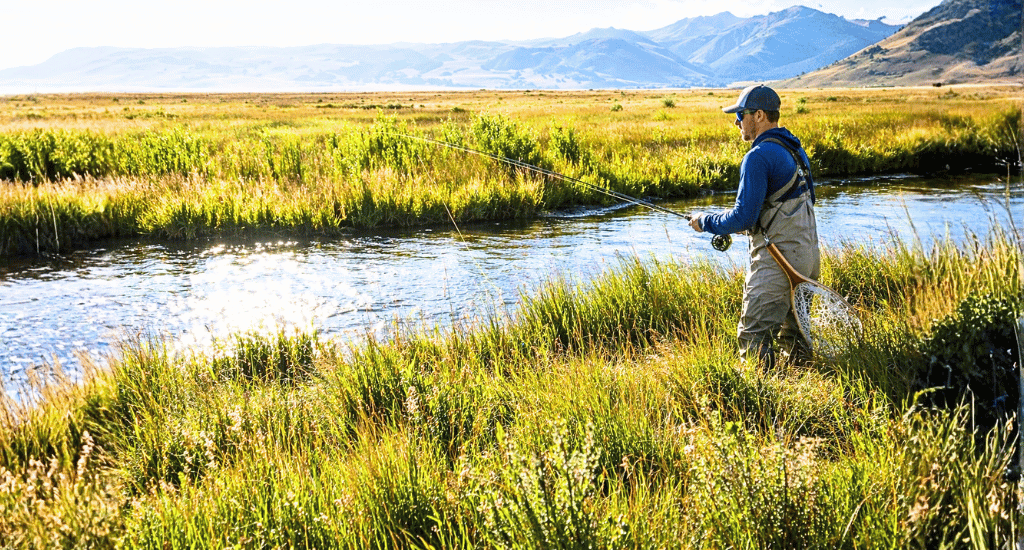
This rod size also allows smooth movement in tight water where space feels limited. It works well for anglers who need quick and accurate casts in shallow areas.
- Recommended: 6’8″ to 7 ft rod
- Why: High accuracy casting and better control
- Benefit: Easy handling in shallow and narrow water
Open Water Inshore Fishing
Open water gives more space, so longer rods help reach fish at a greater distance. A 7 to 7’6″ rod offers a good balance between casting range and control.
This length also helps handle fish that move fast in open water conditions. Many anglers prefer this setup as the best size rod and reel for inshore fishing in general use.
- Recommended: 7 to 7’6″ rod
- Why: Longer casting distance and better reach
- Benefit: Strong control during fish fights
Tight Spaces and Windy Conditions
Tight areas and windy days require short and easy-to-control rods for better accuracy. A 6’6″ to 6’8″ rod allows compact casting and helps manage the line in strong wind.
This size also reduces movement error and keeps your cast steady in a limited space. It is useful when fishing near docks, mangroves, or other obstacles.
- Recommended: 6’6″ to 6’8″ rod
- Why: Compact casting and improved accuracy
- Benefit: Better control in wind and tight areas
Targeting Larger Fish (Snook, Redfish, Trout)
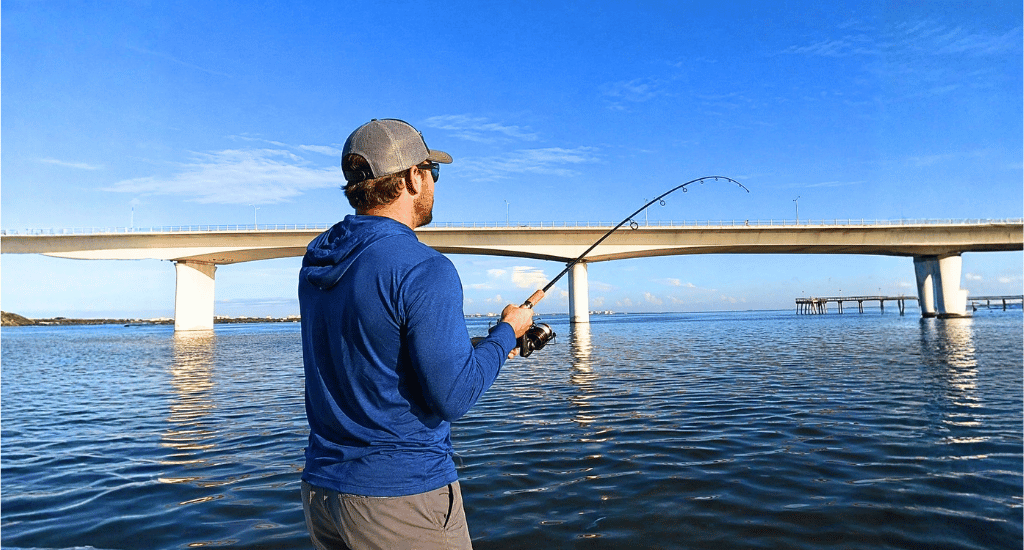
Larger fish need rods with more strength and leverage during the fight. A 7 to 8 ft rod gives better control and helps manage strong pulls from bigger species.
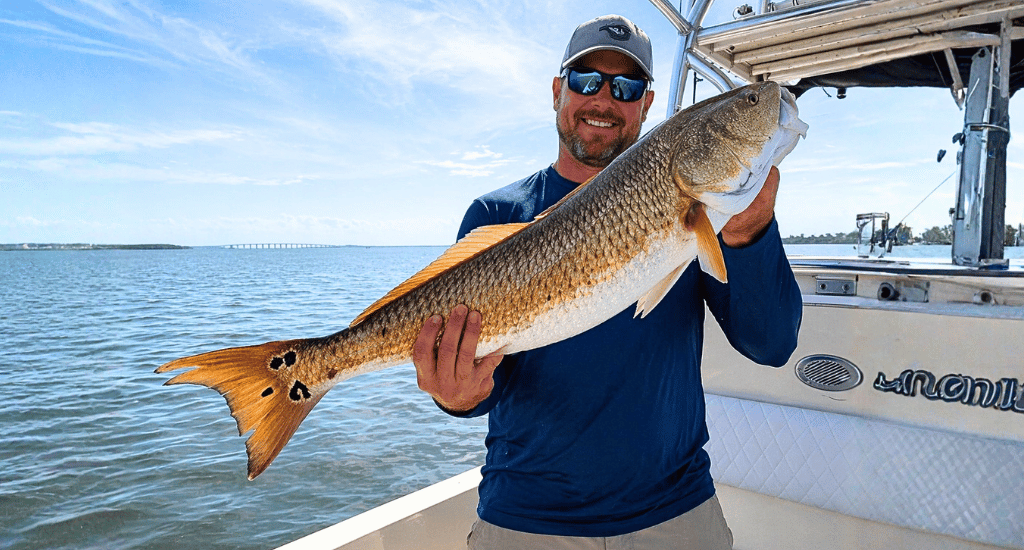
This rod size also supports heavier lines and lures used for large fish in inshore water. It improves your ability to land fish safely without losing control.
- Recommended: 7 to 8 ft rod
- Why: More leverage and strength
- Benefit: Better fight control and stability
Why Rod Length Matters in Inshore Fishing
Rod length affects how well you cast, control fish, and feel bites in shallow water. The right size improves your performance, while the wrong size makes fishing harder and less effective.
Casting Accuracy
Shorter rods help improve casting accuracy because they are easier to control in tight areas. This is very important in inshore spots where fish stay close to structure and need precise bait placement.
Fish Control
Longer rods give better leverage when you fight strong fish in shallow water. This added control helps you manage sudden runs and reduces the chance of losing fish during pressure.
Sensitivity
A balanced rod length helps you feel even small bites that happen in shallow water. This is important when fish strike lightly, so you can react quickly and set the hook at the right moment.
Casting Distance
Longer rods help increase casting distance when you need to reach fish in open water areas. This is useful when fish stay farther away and require longer casts for better results.
Comfort and Handling
Rod length also affects how comfortable your setup feels during long fishing sessions. A well-sized rod reduces strain on your arms and helps maintain better control throughout your time on the water.
Choosing the Right Rod Power and Action for Inshore Fishing
Rod power and action decide how strong your rod feels and how it reacts during a bite. These action and power rod features help you control fish better and improve your hook sets in different inshore conditions.
Rod Power for Inshore Fishing
Rod power shows how much force your rod can handle during casting and fish fights. Medium power works well in open areas where fish size stays moderate, and conditions feel less demanding.
Medium-heavy rods give extra strength when you fish near heavy structure or target larger species. This setup also supports heavier lures and helps manage strong fish that pull hard in shallow water.
- Medium power: Best for open areas and slot fish
- Medium-heavy: Suitable for heavy structure and larger fish
- Benefit: Handles bigger lures and stronger pressure
Rod Action Explained
Rod action explains how fast your rod bends when pressure is applied during a bite. Fast-action rods bend near the tip and respond quickly when a fish strikes your bait.
Moderate action rods bend more along the rod, which helps with lighter presentations and smoother control. This makes them useful when fish react slowly or require gentle bait movement.
- Fast action: Quick response and better hook sets
- Moderate: More bend and smoother control
- Benefit: Helps match your fishing style and bait type
What Size Rod and Reel for Inshore Fishing
A balanced rod and reel setup makes inshore fishing easier and improves your control in shallow water. Many anglers ask best size rod and reel for inshore fishing, and the answer depends on balance, strength, and smooth casting.
Ideal Combo Setup
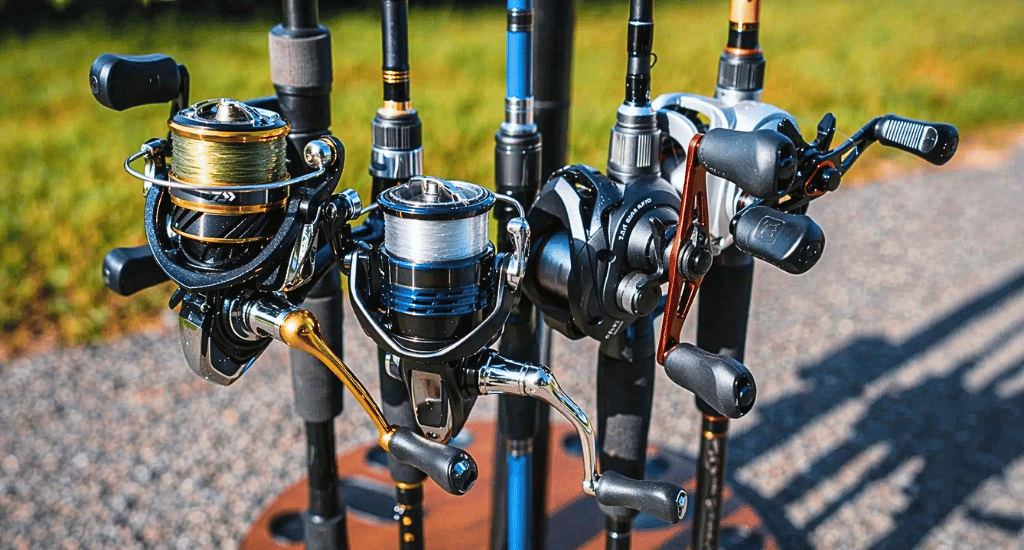
A well-matched setup helps you cast accurately and handle fish with better control. Most anglers use medium or medium-heavy rods with a strong spinning reel for reliable performance.
This setup works well in many inshore conditions and supports different bait and lure types. It also provides enough strength to handle common inshore fish without feeling too heavy.
- Rod: 7′ to 7’6″ medium to medium-heavy rod
- Reel: 3000 size spinning reel
- Line: 10-20 lb mono or braid
Why This Setup Works
This setup gives balanced performance and makes casting easier in shallow water areas. It also improves control during fish fights and helps manage sudden movement from active species.
A proper match between rod and reel reduces strain on your gear and keeps your setup smooth. It allows better handling and improves your overall fishing experience in inshore conditions.
- Balanced performance in different conditions
- Easy and accurate casting
- Good control during fish fights
How to Choose the Right Inshore Rod
A clear step-by-step method helps you select the right rod for your needs. Many anglers ask what the best size rod is for inshore fishing, and these steps make the process simple.
Step 1: Choose Length
Rod length affects casting distance, accuracy, and control in different inshore conditions. A 6’6″ to 7 ft rod works well in tight spaces where precise casting is important.
A 7 to 7’6″ rod suits general use and offers a good balance between control and distance. Rods up to 8 ft provide more leverage when you target larger fish in open water.
Step 2: Select Power
Rod power determines how strong your rod feels when handling fish and lures. Medium power rods work well for general fishing and handle common inshore species with ease.
Medium-heavy rods give extra strength when you fish near structure or target larger fish. This setup helps manage stronger pulls and supports heavier lures in demanding conditions.
Step 3: Pick Action
Rod action explains how your rod bends when pressure is applied during a bite. Fast-action rods respond quickly and help you react faster when fish strike your bait.
This type of rod works well for most inshore setups and improves hook sets. It gives better control and allows you to handle fish more effectively during the fight.
Step 4: Match Reel
A proper reel setup keeps your rod balanced and improves overall performance in the water. A 3000-size spinning reel works well with most inshore rods and setups.
This reel size provides enough line capacity and strength for common inshore fishing situations. It also helps maintain smooth casting and control during fish fights.
Conclusion
Inshore fishing becomes easier when your rod feels balanced in your hand and matches the water around you. A 7 to 7’6″ rod gives steady control, while beginners gain confidence with a simple 7′ setup and 3000 reel.
Think about your fishing spot, target species, and how you plan to fish each day. The right rod size helps you cast with accuracy, react faster, and land more fish with confidence.