The wrong rod size can ruin your lake fishing day with poor casting and weak control. So, what size fishing rod for lake fishing works best? A 6’6” to 7-foot rod fits most situations and skill levels.
This size gives a good mix of casting distance and control, which helps in open water. A balanced rod also improves accuracy, reduces arm strain, and works well for many common lake fish species.
This guide will explain fishing rod sizes, in simple terms, and the best setup for beginners.
What Size Fishing Rod for Lake Fishing? (Quick Answer + Ideal Range)
Many anglers feel confused when they see many rod sizes in stores and online listings. This section will provide a clear answer to what size fishing rod for lake fishing suits most people and situations.
Recommended Rod Length for Lake Fishing
Lake fishing rods usually fall between 6.5 feet and 8.5 feet (1.9m-2.6m) in length. This range suits most freshwater conditions and common fish types found in lakes.
- 6’6” to 7’ → Best mix of casting distance and control
- 7 feet (213 cm) → Easy to use for beginners
- Above 7 feet → Better reach in open water
A 7-foot rod stands out as a safe choice for most anglers. It feels balanced in hand and gives steady casting performance without extra effort.
| Rod Length | Best Use |
|---|---|
| 6.5–7 ft | General lake fishing, easy control |
| 7 ft | Beginner-friendly, all-purpose use |
| 7–8.5 ft | Longer casts, open lake areas |
Minimum and Maximum Length to Consider
A rod below 7.5 feet may limit casting distance in wide lake areas. Longer rods help send bait farther, which improves chances in deeper water zones.
- Minimum: 7.5 feet → Better distance in lakes
- 7’6” to 9’ rods → Strong advantage for long casts
- 9-foot rods → Useful in large lakes with open space
Long rods work best where space is open, and fish stay far from shore. Short rods feel easier to handle but may reduce reach in large lakes.
Best All-Purpose Rod Size
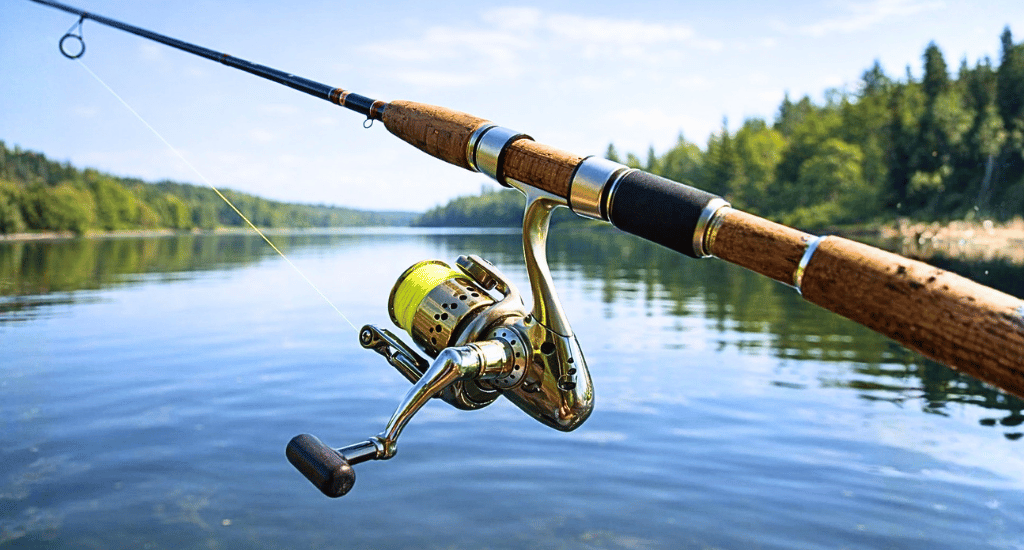
A 7-foot spinning rod with medium power and fast action suits most lake fishing needs. It handles different fish sizes and works well with common techniques.
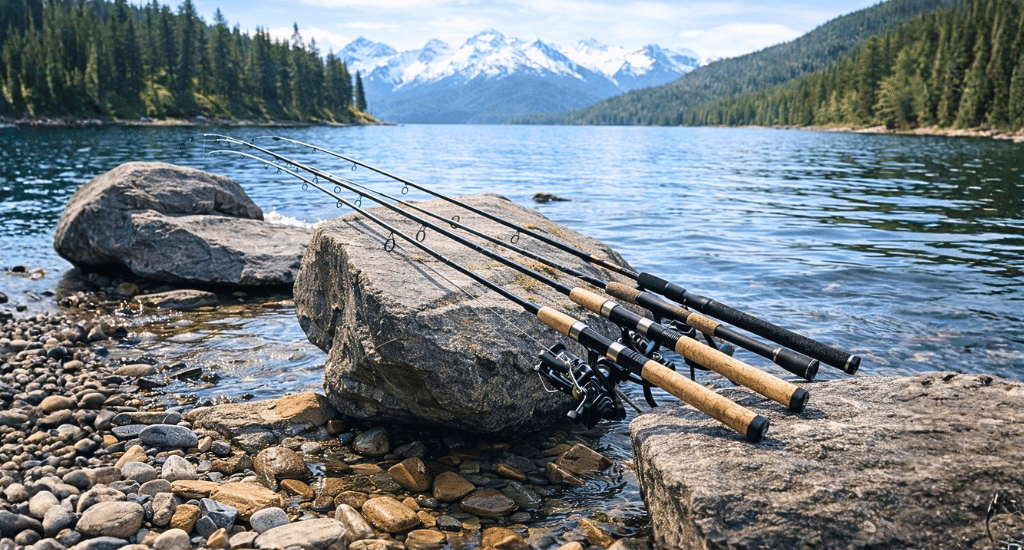
This setup offers steady control, smooth casting, and quick response when a fish bites. It fits beginners and also supports anglers who want one reliable rod for many situations.
Fishing Rod Size Chart for Lake Fishing (By Use Case)
Rod size changes based on fish type, location, and the angler’s body height of the angler. This section gives a clear chart so you can match your rod with real lake conditions easily.
Rod Length Chart by Fish Type
Different fish and different high-sticking fishing techniques need different rod lengths because the size and strength of the water vary. A small fish needs light control, while a larger fish needs more reach and power.
- 5-6 ft → Panfish, trout, and small fish in tight areas
- 6-7 ft → General freshwater fishing, great starting point
- 7-7.5 ft → Bass and walleye, good all-around lake use
- 7.5-9 ft → Long casts, large lakes, lake trout
A shorter rod gives better control in close range, while a longer rod helps reach farther water. Most anglers choose a middle size for balance and comfort.
| Fish Type | Rod Length |
|---|---|
| Small fish | 5–6 ft |
| Mixed fish | 6–7 ft |
| Bass/Walleye | 7–7.5 ft |
| Lake trout | 7.5–9 ft |
Rod Size by Fishing Location
The place where you fish also affects rod size choice in lakes. Space around you and water depth both play an important role here.
- Bank fishing → 5-7 ft works well in tight spots with limited space
- Open lake or boat → 7-9 ft gives longer casting reach and better coverage
A shorter rod helps when trees or rocks stay close behind you. A longer rod suits open water, where you need more distance and a wider casting range.
Fishing Rod Size Chart by Height
Your body height affects comfort and control during long fishing sessions. A rod that matches your height feels easier and reduces strain on your arms.
- Short anglers → 6-7 ft rods feel easier to manage
- Average height → 6’6”-7’6” rods give balanced control
- Taller anglers → 7-9 ft rods feel more natural for long casts
A well-sized rod improves comfort and helps you stay steady during each cast. This makes a big difference during long hours at the lake.
How to Choose the Right Rod Size Based on Technique
Rod size depends on how you fish in the lake, not just fish type or location. This section explains what size fishing rod for lake fishing works best based on common techniques used by beginners and regular anglers.
Spinning Rods (Most Common for Lakes)
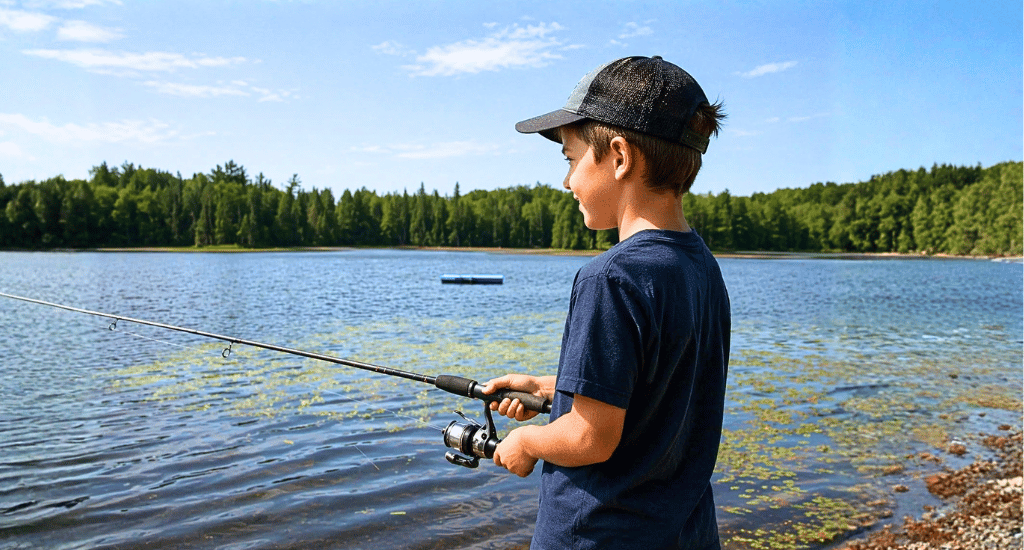
Spinning rods suit most lake fishing situations and are easy for beginners to handle. A length between 6’6” and 7 feet offers smooth casting and steady control. This setup works well for many fish types and basic techniques.
Casting Rods
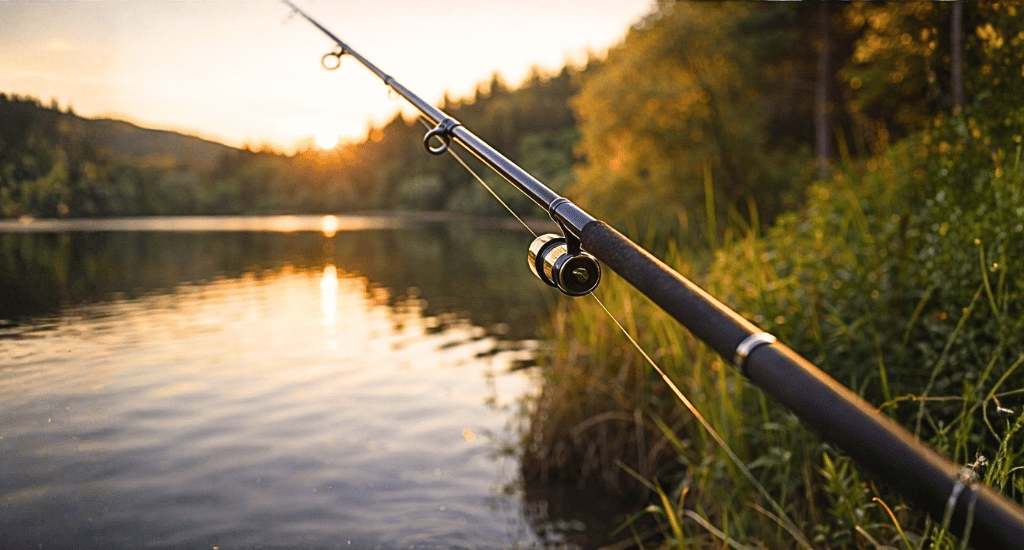
Casting rods give better accuracy and stronger control when you target larger fish like bass. A rod between 7 and 8 feet helps with longer casts and better hook strength. This type suits anglers who want more precision.
Trolling or Deep Lake Fishing
Trolling in deeper lake areas needs longer rods for better line control and reach. A rod between 7.5 and 9 feet spreads the line well and helps manage depth. This setup works best in large lakes.
Shore vs Boat Fishing Differences
Fishing from shore often needs shorter rods because the space behind you may be limited. A rod between 5 and 7 feet gives better control. Boat fishing allows longer rods, usually 7 to 9 feet, for wider coverage.
Lure Fishing Technique
Lure fishing needs good control over movement and a quick response from the rod tip. A rod around 6’6” to 7 feet works well for this method. It helps control lure action and improves hook timing.
Float or Still Fishing
Float fishing in calm lake water works better with medium-length rods for steady control. A rod between 6 and 7 feet keeps balance and helps maintain line position. This setup suits relaxed fishing styles.
Fishing Rod Length for Specific Lake Species
Fish size and behavior change across lake species, so rod length must match the target. This section explains what size fishing rod for lake fishing works best for fly fishing in lakes.
What Size Rod for Lake Trout
Lake trout live in deeper water, so longer rods help reach those areas with ease. A 7.5 to 9 feet rod gives better casting distance and control. This size also helps manage stronger fish in open water.
Bass Fishing in Lakes
Bass stay active in different lake zones, so a balanced rod works best here. A 6’6” to 7’6” rod offers good control and casting accuracy. Medium to medium-heavy power helps handle sudden movements and strong pulls.
Panfish and Small Species
Small fish like panfish need light gear for better feel and control. A 5 to 6 feet rod works well in tight areas and shallow water. Light power helps detect small bites and improves overall response.
Final Thought
As we have learned, a rod between 6’6” and 7 feet works best for most lake fishing situations. A 7-foot medium-fast spinning rod stands out as the top choice for control, balance, and overall ease of use.
Longer rods between 7’6” and 9 feet help when you need more casting distance in large lakes. Always match your rod size with your technique and target fish for better results.