A fast river gives no second chance. One wrong move and the fly drifts away. High-sticking fishing helps you keep full control when the water moves hard and shallow.
This method works best in small rivers and streams where depth stays low and current stays strong. The rod stays high, close to the water. This cuts drag. Traditional nymph style keeps more line on the water. That often pulls the fly off track. A high stick keeps the fly natural and steady.
This guide suits trout anglers and small-stream fly fishers who want clean drifts and fewer missed takes. Read on to learn about high sticking, how it works, and when to use it. You will also learn how to protect your rod and fish with more confidence.
High Sticking Fishing Technique (Step-by-Step Guide)
High-sticking fishing is a short-line fly method used in fast rivers and streams. The angler keeps the rod raised and limits line contact with water. This gives direct control over the fly and helps achieve a natural drift in a strong current.
Step 1 – Choose the Right Water
High sticking works best in pocket water, riffles, seams, and short runs. These areas break the current and slow food. Trout rest here while waiting for food to pass. Fast, broken water also hides leader movement and minor mistakes.
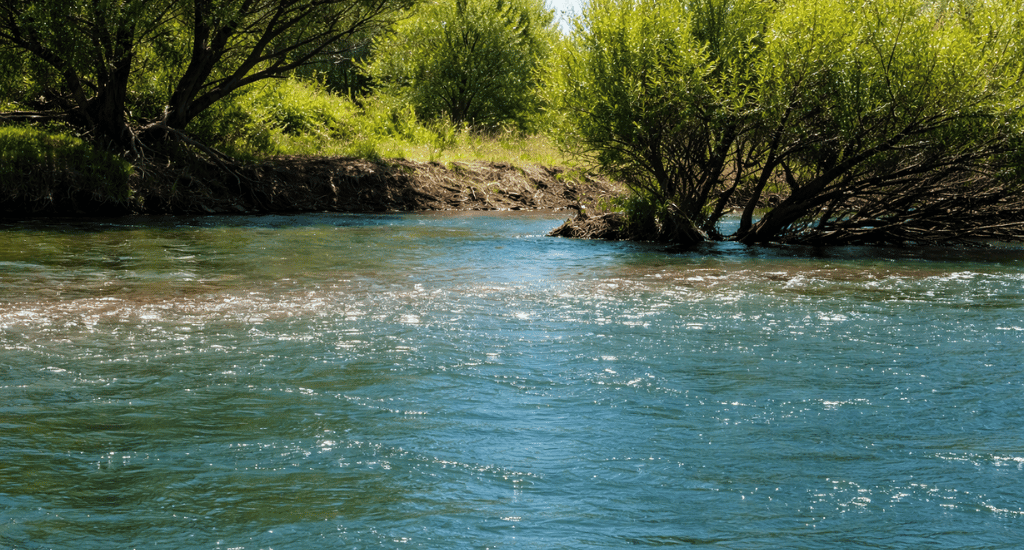
Water depth should stay shallow enough for close fly control. Strong current helps carry food toward the trout. Very deep or slow pools reduce control and make this method harder. Short drifts work better than long ones in these conditions.
Step 2 – Use the Proper Rod and Line Setup
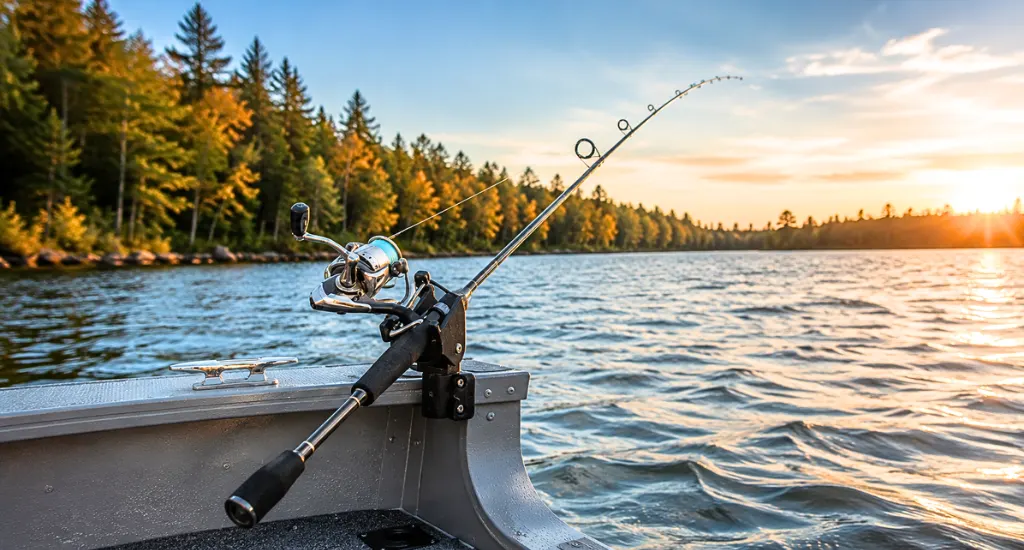
A longer rod gives better reach and helps guide the fly through fast water. Medium action protects the light tip under pressure. A long leader allows soft fly placement. Thin tippet helps flies drift naturally in clear streams.
Keep most of the fly line off the water during the drift. Water pulled on the line creates drag and moves the fly off course. Less line contact improves feel and helps detect strikes faster in rough current.
Step 3 – Position Yourself Correctly
Stand upstream or slightly off to the side of the target water. This position keeps the line tight and allows the fly to drift toward you. It also makes rod control easier during short drifts in fast water.
Move close enough for short casts, but stay cautious. Clear water shows movement quickly. Slow steps and low posture help avoid alerting trout, especially in shallow runs where fish react quickly to shadows.
Step 4 – Make a Short, Accurate Cast
High sticking relies on short and controlled casts, not distance. Place the fly a few feet upstream of the holding spot. Accuracy matters more than power. A soft entry keeps trout calm in shallow water.
Remove slack immediately after the cast with a small rod lift. Slack delays strike response and reduces control. Avoid wide arm motion or hard stops. Smooth motion helps maintain line tension from start to finish.
Step 5 – Keep the Rod Tip High
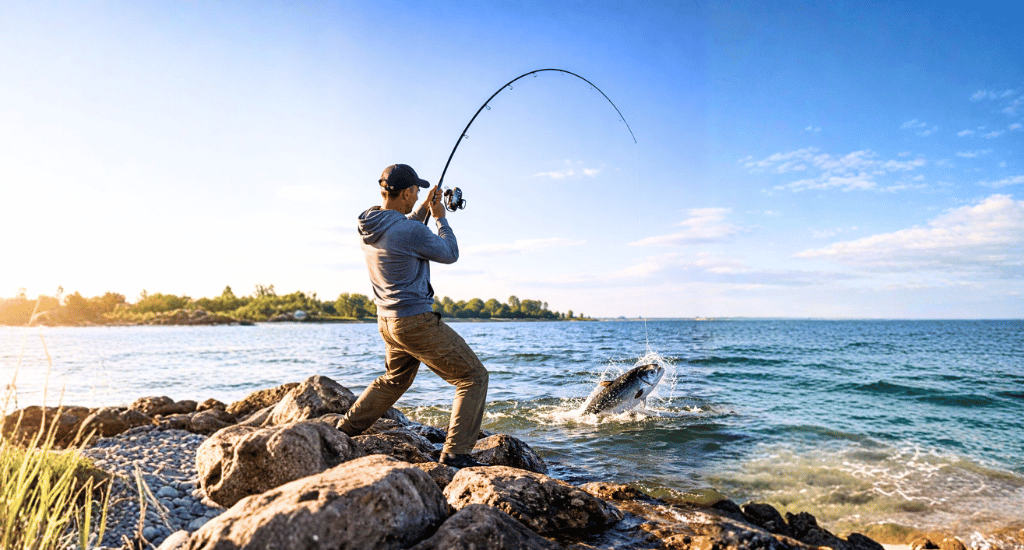
Hold the rod so the handle stays no more than forty-five degrees from the water. This angle lifts the line off the surface and limits drag. A steeper angle increases rod stress and raises the risk of breakage.
A high rod tip also keeps direct contact with the fly. This contact helps you feel light and react faster. During landing and unhooking, keep the line loose to prevent accidental high-sticking damage.
Step 6 – Control the Drift Through the Current
Follow the fly downstream with the rod tip at the same speed as the water. Faster current needs quicker hand movement. Slower pockets need calm motion. This balance keeps the fly free from unnatural pull.
For indicator use, lift the rod tip, mend the line, and follow the indicator. Lower the rod as the drift ends. Let out the line as needed and allow the indicator to swing at the finish.
Step 7 – Detect Strikes and Set the Hook
Watch the leader tip or indicator for small stops, twitches, or dips. Feel matters as well, since fast water hides takes. High stick control keeps tension direct and clear through the rod.
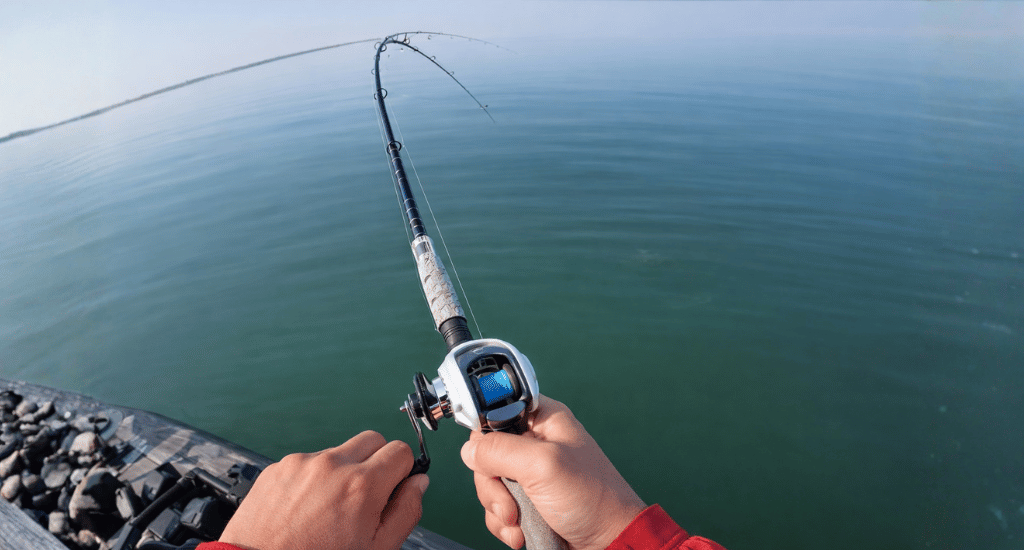
Set the hook with a short and quick lift. Avoid hard jerks that stress the rod. High sticking improves hook-up rates because slack stays low and contact stays steady during the drift.
Best Gear and Fly Setup for High Sticking Fishing
The right gear helps keep control in fast water and short drifts. Each item below supports clean fly movement, better strike feel, and rod safety. Simple setups work best for this close-range fishing method.
- Rod length (9- 11 ft): Longer rods reach seams better and keep the line off the water in fast flow.
- Line weight selection: Match line weight to rod rating so the rod bends correctly and stays responsive.
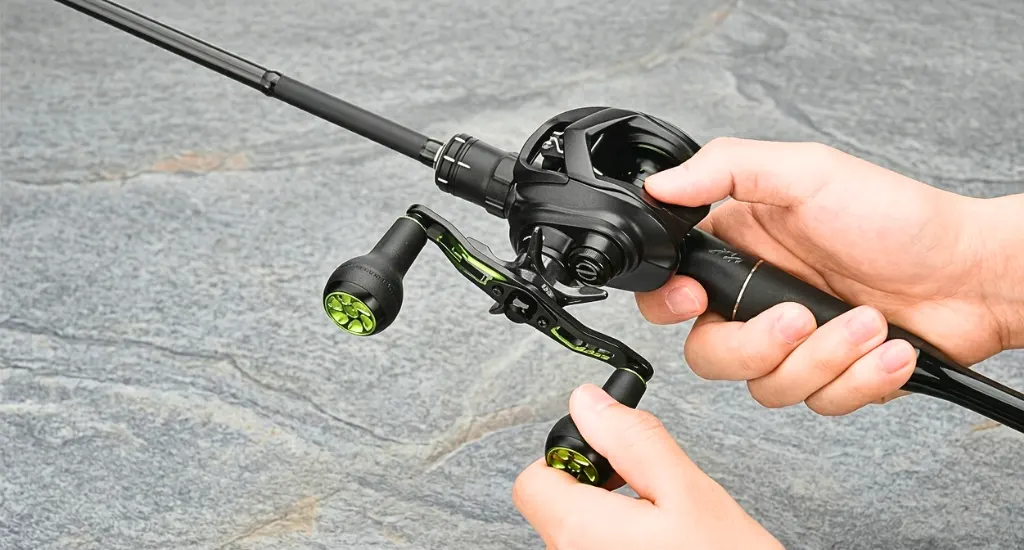
- Reel choice: Simple reels work fine, but large arbor reels recover line faster in strong current.
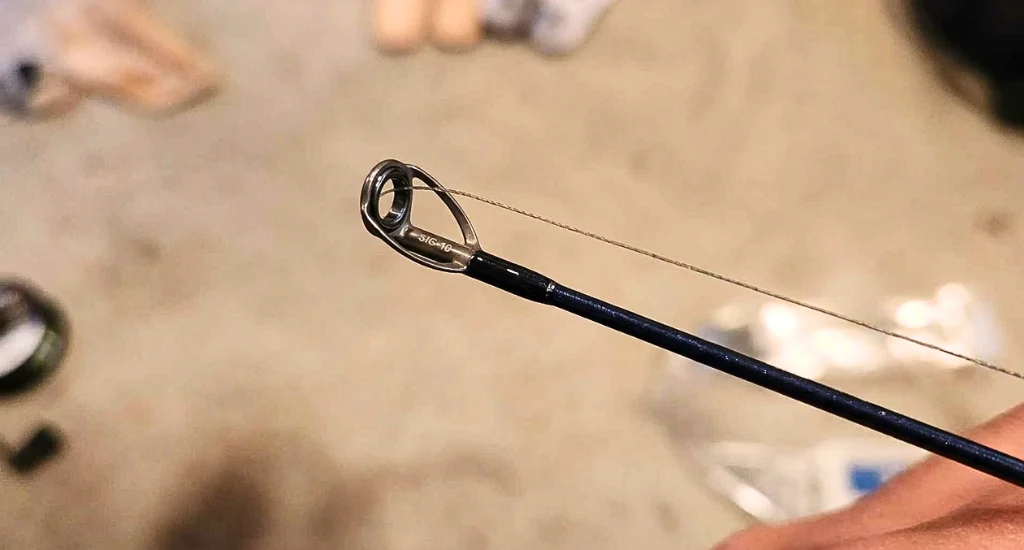
- Leader taper: Use long, smooth tapers to help flies sink straight without sudden line pull.
- Tippet size: Thin tippet suits clear, slow water, while thicker tippet helps in fast, rough flow.
- Split shot use: Add split shot above flies when depth increases, or current speed pushes flies upward.
- Nymph types: Weighted nymphs sink fast and stay near the bottom where trout feed.
- Euro-style flies: These flies use slim profiles and heavy weight for fast sink in short drifts.
- Traditional nymphs: Bead-head patterns work well when weight and depth stay moderate.
- Attractor patterns: Use bright flies in stained water or low light to draw quick attention.
- Natural patterns: Match local insects in clear water when trout feed selectively and stay cautious.
Best Seasons for High Sticking
Spring runoff creates fast, shallow edges where trout hold close to the bottom. High sticking works well here because short drifts limit drag. Strong flow carries food quickly, and raised rod control helps keep flies near feeding zones.
During summer, water levels drop, and streams turn clear. High-sticking suits tight pocket water and shaded runs. Short line control reduces splash and disturbance. This helps approach cautious trout that react fast in low, calm water.
Fall and winter offer steady flows and active feeding near the bottom. High sticking keeps flies deep without a heavy line on the water. Cold conditions slow trout movement, so precise drifts and direct contact improve strike detection.
River and Stream Types to Target
High sticking works best where water moves fast and depth stays manageable. These river and stream types allow short drifts, close control, and steady contact with the fly. Picking the right water increases success and reduces drag issues.
Small Streams vs Large Rivers
Small streams suit high sticking because trout stay close and drifts stay short. Large rivers can work near edges and side channels. Focus on broken flow areas where depth stays shallow and current speed supports controlled movement.
Pocket Water and Plunge Pools
Pocket water and plunge pools break strong currents and collect food. Trout rest here with little effort. High sticking keeps flies moving straight through these spots without pull, which helps maintain a natural path through fast drops.
Tailouts and Short Runs
Tailouts and short runs hold trout that wait for drifting food. Current slows slightly here but stays steady. High sticking allows careful drift control without extra line, which prevents drag and keeps flies near the bottom.
End Note
High-sticking fishing uses a short line and a raised rod to guide flies through fast water. This method works because it limits drag and keeps direct contact. Better control leads to cleaner drifts, quicker hook sets, and fewer missed strikes.
Practice this method in small, fast streams where control matters most. Start slow and focus on rod angle and line contact. With time, hand movement improves, and reads become sharper. Patience and repetition turn this skill into second nature.
FAQs
What is high-sticking fishing?
High-sticking fishing is a fly fishing method that uses a short line and a raised rod. The angler keeps most line off the water. This allows close control of the fly and helps create a clean drift in fast, shallow current.
Is high sticking the same as Euro nymphing?
No, high sticking is not the same as Euro nymphing. Both use short lines and tight control. Euro styles rely on special lines and heavy flies, while high sticking works with standard fly lines and simple setups.
Can beginners use high-sticking fishing?
Yes, beginners can use high-sticking fishing with basic practice. Short casts reduce mistakes and help control the fly. Focus on rod position and slow movement. This method builds confidence quickly in small streams and fast water.