
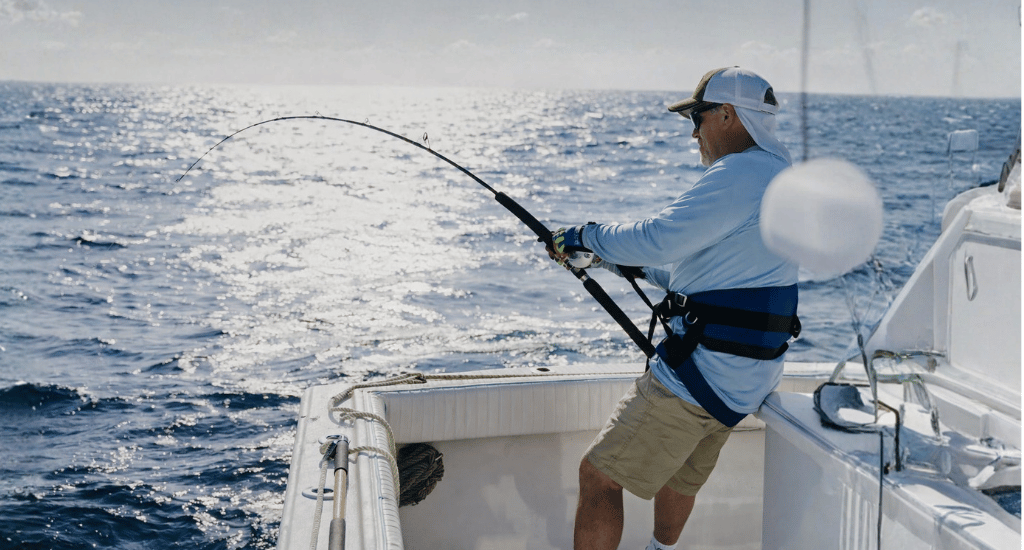
Many anglers confuse action vs power fishing rods because both describe how a rod bends under pressure. These two features look similar at first, so beginners often mix them up easily.
Power shows how much force bends the rod, while action shows where the bend forms. This difference affects casting distance, hooksets, fish control, and even arm fatigue during long high-sticking fly fishing sessions.
This guide explains fishing rod power vs action in simple terms with a clear chart. You will also see real examples that help you choose the right rod.
What Is Fishing Rod Power?
Fishing rod power shows how much force makes the rod bend under pressure. It explains the strength of the rod when you pull or cast. A stronger rod needs more force before it starts to flex.

Power does not tell where the rod bends along its length during use. Many anglers mix this idea with action, which creates confusion while choosing the right rod. Power only relates to resistance against weight or pressure.
A higher power rod handles bigger fish, heavier lines, and larger lures with better control. A lower power rod bends easily and works well with small fish and light tackle setups. This difference also affects casting strength and hooksets.
Brands use a standard scale to label rod power so anglers can choose easily. This scale helps match the rod with fishing needs, lure weight, and target fish size.
- Ultra Light (UL)
- Light (L)
- Medium Light (ML)
- Medium (M)
- Medium Heavy (MH)
- Heavy (H)
- Extra Heavy (XH)
What Is Fishing Rod Action?
Fishing rod action explains where and how the rod bends when pressure is applied. It shows the position of the bend along the rod blank during casting or when a fish pulls.

Action focuses on the bending point, not the strength or stiffness of the rod. Many anglers confuse this with power, but action only describes the location and speed of the bend.
A fast-action rod bends near the tip, while a slow-action rod bends across most of its length. This change in bend position affects sensitivity, casting feel, and how quickly you can set the hook.
The position of the bend along the blank helps you control lure movement and fish behavior. A higher bend point gives quicker response, while a deeper bend gives smoother and softer control.
Key Difference Between Action and Power
Many anglers feel confused when they compare action vs power fishing rods because both describe rod behavior under pressure. Each feature controls a different part of performance, so a clear understanding helps you choose the right rod with confidence.
Power = Force Needed to Bend
Power shows how much force the rod bends during use. A heavy power rod needs strong pressure, while a light power rod bends with very little effort. This directly affects hook strength, fish control, and lure weight choice.
Action = Where the Rod Bends
Action explains where the bend forms along the rod blank under pressure. A fast action bends near the tip, while a slow action bends deeper toward the handle. This position changes sensitivity and hook response speed.
How Power Affects Fishing Performance
Power controls how well you handle large fish and heavy cover areas. A stronger rod gives better control during fights, while a lighter rod suits small fish and delicate presentations with ease.
How Action Affects Fishing Performance
Action changes how the rod reacts during casting and hooksets in real use. A faster action gives quick response and sharp hooksets, while a slower action gives smoother casts and steady pressure on fish.
Why Both Must Work Together
Power and action must match your fishing style, lure type, and target fish size. A wrong combination can reduce casting control, weaken hooksets, and make fishing feel uncomfortable over long sessions.
Also Read: Is 15 MPH Wind Strong for Fishing or Just Right?
Action vs Power Chart (Quick Comparison)
This quick chart makes fishing rod power vs action easy to understand at a glance. It shows how each feature works and how it affects your fishing performance in real situations.
| Feature | Action | Power |
|---|---|---|
| Definition | Shows where and how the rod bends under pressure along its length | Shows how much force is needed to make the rod bend |
| What it affects | Sensitivity, hookset speed, casting feel, lure movement control | Fish strength handling, lure weight, casting strength, and overall rod stiffness |
| Measurement method | Based on the bend position along the blank (tip, middle, or full length) | Based on resistance level using standard ratings like light or heavy |
| Example | Fast action bends near the tip and reacts quickly to fish bites | Heavy power needs a strong force and handles large fish and thick cover |
How to Choose the Right Action and Power Combo
Choosing the right setup becomes easier when you understand how action and power work together. The best combination depends on your fishing style, lure type, and fish size. A proper match improves control, accuracy, and overall fishing comfort.
Based on Fishing Technique
Your fishing method plays a major role in rod selection for better performance. Spinning setups usually work best with light to medium power and fast-action rods. Casting setups often need medium-heavy to heavy power with fast action for better strength and control.
Based on Lure Type
Different lures need different rod setups to perform well in water conditions. Soft plastics work best with fast action and medium-heavy power for better control. Crankbaits suit moderate action with medium power, while jigs need fast or extra fast action with heavy power.
Based on Fish Size
Fish size directly affects how much strength and control you need from a rod. Small fish work well with light power and slow or moderate action rods. Big fish require heavy power with fast action to maintain strong control and quick hooksets.
Based on the Fishing Environment
The fishing location also affects the right rod combination for better results. Open water allows lighter power with moderate action for smooth casting. Thick cover areas need heavy power with fast action to pull fish out quickly and avoid line damage.
Best Rod Setups for Common Fishing Scenarios
Choosing the right setup becomes easier when you look at real fishing situations. Each scenario needs a specific mix of action and power for better control. The right setup helps you cast well, set hooks properly, and handle fish with confidence.
Beginner Setup
A medium power rod with fast action works well for most beginners in many situations. This setup gives a good balance of strength and sensitivity during fishing. It handles different lures and fish sizes, which makes it a safe and versatile starting choice.
Bass Fishing Setup
Bass fishing often needs a medium-heavy power rod with fast action for better control. This setup helps with strong hooksets and accurate casting near cover areas. It also handles heavier lures that bass anglers use in many common fishing conditions.
Trout Fishing Setup
Trout fishing works best with a light power rod and moderate action setup. This combination allows smooth casting with light lures and lines. It also protects thin lines and keeps steady pressure on small, active fish during the fight.
Heavy Cover Fishing
Heavy cover fishing needs a heavy power rod with fast or extra fast action. This setup gives strong control when fish hide in weeds or thick structures. This setup works best for punching, flipping, and strong hooksets in dense cover. It helps pull fish out quickly before they escape into heavy structure areas.
Fishing Rod Action and Power Explained (Simple Summary)
Many anglers still feel unsure about fishing rod power vs action after reading detailed sections. A simple summary helps you remember the core idea quickly. Clear basics make rod selection easier and reduce mistakes during real fishing situations.

Action shows where the rod bends along its length under pressure from fish or lure. Power shows how much force is needed before the rod starts to bend during use.
- Fast action = high sensitivity and quick response near the tip
- Heavy power = strong backbone and better control over large fish
Both action and power must match your fishing style, lure type, and target fish size. A proper match improves casting control, hooksets, and overall fishing comfort in every trip.
End Note
Choosing between action vs power fishing rods is not about picking one over the other. Both features work together to shape how your rod performs on the water. A balanced setup gives better control, smoother casting, and stronger hooksets in real fishing situations.
The right choice depends on your technique, lure type, and fish size in each trip. Match these factors carefully for the best results. If you want one rod, go medium power with fast action.


