Wind can make or break your fishing day. Many anglers ask, is 15 mph wind strong for fishing, before they leave home. Wind speed changes water movement, fish mood, and boat control. At 15 mph, the wind is called a Moderate Breeze on the Beaufort Scale 4.
This level is often a sweet spot. It is not too calm, and it is not extreme. Fish often feed more in this wind. Still, beginners and small boats may face some trouble with balance and casting.
In this guide, you will learn how 15 mph wind affects fish behavior, boat safety, and lure choice. You will also see when it is smart to stay home. Keep reading to plan your next trip with confidence.
Is 15 MPH Wind Strong for Fishing?
Wind changes how fish act and how safe you feel on the water. Many anglers ask if 15 mph is strong. The answer depends on skill, boat type, and lake size. For most people, it sits in a useful middle range.
How Strong Is a 15 MPH Wind? (Real-World Feel)
A 15 mph wind is called a Moderate Breeze on the Beaufort Scale 4. You can see clear signs on land and water. It feels steady, not light, yet not harsh like stormy wind.
Classified as Moderate Breeze (Beaufort Scale 4)
At this level, the wind stays steady. It does not come in short bursts only. Weather charts list 15 mph under Moderate Breeze. It is strong enough to notice but not strong enough to cause damage.
Creates Noticeable Chop on the lakes
The lake surface will not stay flat. Small waves form and move in rows. Anglers call this chop. The water looks broken, not smooth, and light reflection changes across the surface.
Small Branches Move, Loose Paper Blows Around
On shore, thin tree branches sway back and forth. Grass bends in one direction. If paper lies on the ground, it will slide or lift. These signs show clear wind force.
You Feel Steady Wind Resistance on your face and body.
When you stand outside, you feel the push against your face and chest. Walking against it needs more effort. Casting a fishing line also needs more strength and better timing.
Waves but Not Full Whitecaps Yet
Most lakes show rolling waves at 15 mph. The tops usually stay smooth. Around 20 mph, waves often crest and form white foam, called whitecaps. That level brings a higher risk.
Is 15 MPH Good or Bad for Fishing?
Short answer: It is usually good and can be excellent. Many anglers like this range. Still, it can test boat control and casting skill, especially for new anglers.
Why 15 MPH Can Be Ideal
The surface chop breaks the light that enters the water. Fish feel safer under broken light. Wind also pushes tiny food, called plankton. Small baitfish follow. Bigger fish chase them. Some reports say bass catch rates can double when the wind moves above 15 mph.
When 15 MPH Becomes Difficult
Boat position becomes harder to hold. Wind pushes the boat faster. Some anglers say that when drift speed passes 2 mph, control drops. Casting aim suffers. Light lures lose distance and line control.
How 15 MPH Wind Affects Fish Behavior
Wind speed changes fish mood. Many anglers say 5-10 mph works great for bass, especially in water with 2-4 feet of visibility. Others prefer 7- 12 mph as an ideal zone. The 10-15 mph range helps skill growth. Past 15 mph, fish may feed hard, yet boat control feels harder.
Wind Moves Food and Fish
Wind pushes plankton toward one side of the lake. Baitfish gather there. Predators move in. Windward banks, which face the wind, often hold active fish. Shallow fish feed more during this time.
Boat & Vessel Safety in 15 MPH Wind
Safety depends on boat type and water size. A large boat handles wind better than a small craft. Skill level also matters. Always check the weather before launch.
Bass Boats / Larger Boats
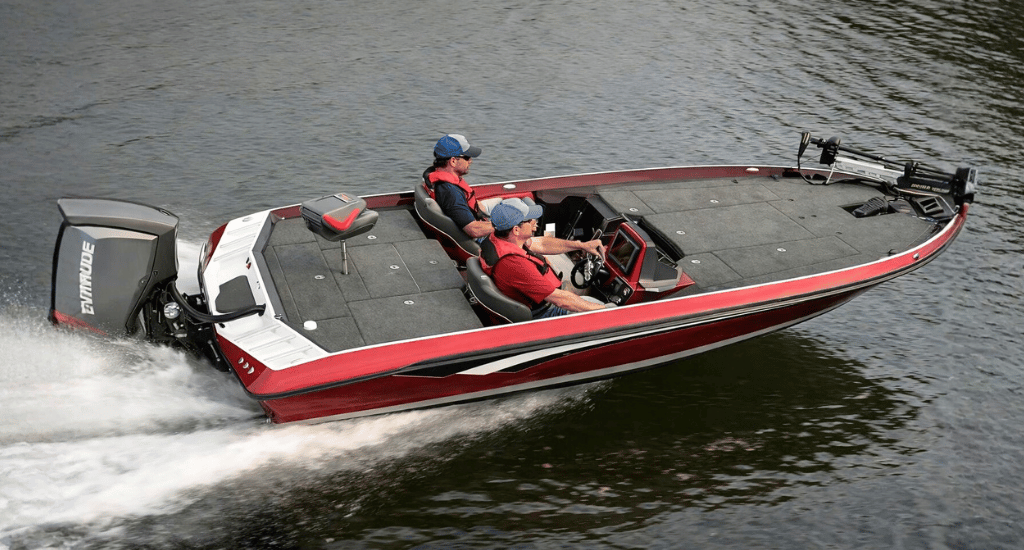
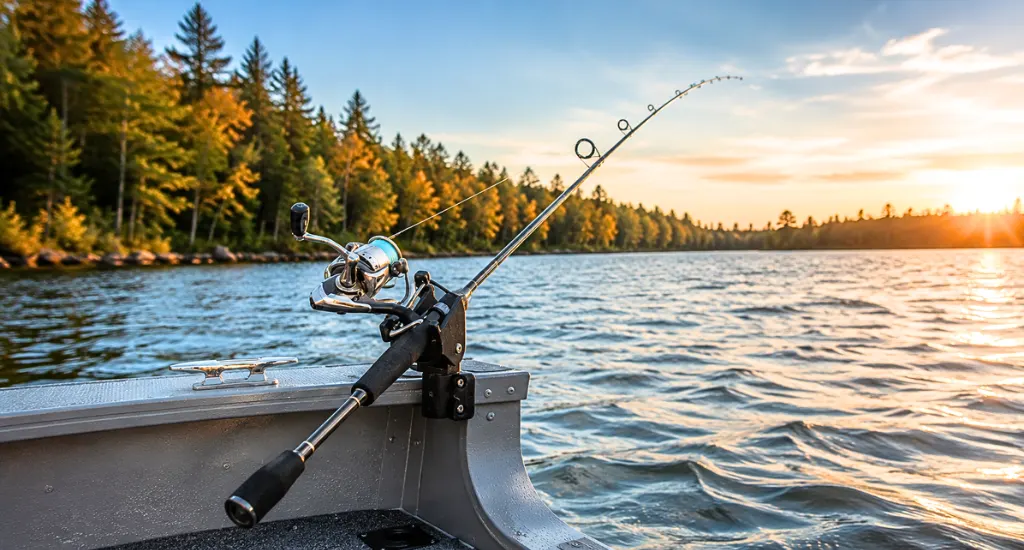
Most bass boats handle 15 mph winds well. An experienced angler can keep control. Small trim changes help balance. A trolling motor needs steady use to hold position near a structure.
Kayaks & Canoes
For small water bodies, 15-20 mph sits near the upper safe limit. On larger lakes, 10-15 mph feels safer. Open water adds risk. If a drift sock must stay out all day, some anglers return early.
When It’s Too Much
At 20 mph, many lakes show whitecaps. Waves crest and break. Risk rises fast. At 30-40 mph, most anglers avoid fishing. Personal skill and comfort level always play a big role.
Best Fishing Techniques in 15 MPH Wind
Yes, you can fish well in 15 mph wind if you adjust your method. Small changes in gear and position make a big difference. These simple steps help you stay in control and catch more fish.
Use Heavier Lures & Sinkers
Wind pushes light lures off course. A heavier lure has more weight, so it travels straighter and farther. This helps your cast reach the target area. Your line will also stay tighter, which improves hook control.
For beach casting, use a slightly heavier lead weight. Lead is the metal weight that keeps bait near the bottom. Cast at a lower angle, not high in the air. A low cast cuts through the wind and keeps your line steady.
Fish Windward Banks (High-Percentage Strategy)
Wind pushes water toward one side of the lake. That side is called the windward bank. This area often holds more fish because food moves there with the wind.
Tiny water life drifts first. Small baitfish follow. Bigger fish wait close by. Place your boat on the side where the wind hits the shore. Many anglers see more bites in this zone, sometimes even double the strikes.
Avoid the Most Common Mistake
Many beginners cast straight into the wind all day. That makes control hard and reduces distance. Instead, try casting with the wind at your back or from the side.
With the wind behind you, your lure travels farther. It lands more softly on the water. Soft entry means less splash, which keeps fish calm. Your boat will also move in a more natural direction, which helps with position control.
Seek Shelter When Needed
Some days, open water feels rough. In that case, move to a protected area. A cove is a small curved part of the shoreline that blocks the wind. These spots often have calmer water.
The leeward side of an island is the side away from the wind. Trees, hills, and docks can also block wind. If the main lake feels unsafe, try a smaller pond or narrow channel nearby.
When Is It Too Windy to Fish?
Wind has limits. Every angler must know when to stop. Safety comes before fish. A small increase in wind speed can change lake conditions quickly. Here is a simple guide to help you decide.
Wind Speed Fishing Thresholds
Wind speed affects fish activity and boat control in different ways. Light wind may slow fish movement. Moderate wind often helps. Strong winds can create safety risks. Around 20 mph, many lakes show cresting waves with white foam on top.
That is a warning sign. Past that level, control becomes hard for most anglers. At very high speeds, it is better to wait for another day.
- 0-5 mph → Very calm water, bite can be slow
- 5-10 mph → Excellent range for bass fishing
- 10-15 mph → Active fish, manageable control
- 15-20 mph → Good bite, needs strong boat skills
- 20+ mph → Hard control, whitecaps likely
- 30+ mph → Unsafe for most recreational fishing
5 Factors That Decide If 15 MPH Is Too Windy
Many anglers ask, is 15 mph wind strong for fishing in every case? The truth depends on a few key factors. Wind speed alone does not decide safety or success. These five points help you judge wisely.
Vessel Type
Your boat type matters a lot. A large bass boat handles waves better than a small kayak or canoe. Heavier boats stay stable in chop. Light craft move more with the wind and feel less steady.
Skill Level
Experience changes everything. An angler with strong boat control may feel comfortable at 15 mph. A beginner may struggle with casting and balance. Honest self-check keeps you safe on the water.
Lake Size & Orientation
Large lakes build bigger waves because the wind has more open space to push water. Small lakes stay calmer. The direction of the lake also matters. Long and narrow lakes can create stronger rolling waves.
Topography (Hills, Trees, Open Plains)
The land shape around the lake affects the wind force. Hills and trees block the wind and reduce wave height. Open plains allow wind to move freely. Water in open areas often feels rougher.
Boat Launch Location
Your launch spot is important. If strong wind pushes toward the ramp, the return becomes easier. If the wind blows away from the ramp, the trip back may feel harder and unsafe.
Final Though
A 15 mph wind is not too strong for fishing in most cases. It often creates active feeding conditions, especially for bass and other shallow-water fish. The main challenge comes from boat control and personal skill, not the wind itself.
Experienced anglers with proper gear can turn 15 mph wind into a real advantage. Beginners and kayak anglers should choose safe spots and plan carefully. 15 mph wind isn’t a dealbreaker; it’s often a hidden advantage if you know how to use it.
FAQs
What’s The Ideal Wind Speed for Fishing?
The ideal wind speed for fishing is usually between 5 and 12 mph for bass. Many anglers see steady bites in this range. Wind around 10 to 15 mph can also work well, depending on water clarity and temperature.
Is 15 mph Too Windy for Kayak Fishing?
Yes, it can be near the upper safe limit for kayak fishing. On small lakes, 15 to 20 mph is often the highest safe range. On larger lakes, 10 to 15 mph feels safer. Experience level makes a big difference.
Does Wind Increase Fish Bites?
Yes, wind can increase fish bites. Wind around 10 to 15 mph moves plankton and small baitfish. Bigger fish follow the food source. Active water often leads to more strikes, especially in shallow areas.