Pier fishing works best when the rod size matches your spot and target fish. Many anglers use the wrong rod length and lose control, miss bites, or struggle to cast far enough.
So, what’s the right size rod? Most anglers do well with a 7 to 10 foot rod. A 7 foot rod suits close fishing, while a 9 to 10 foot rod helps reach deeper water. Many people still feel confused because different fish, pier heights, and conditions change what works best.
This guide will explain the right rod size, setup, and simple tips so you can fish with more confidence.
What Size Rod Is Best for Pier Fishing? (Quick Answer)
Most anglers look for a simple answer to what is the best size rod for pier fishing before they buy gear. The ideal rod length stays between 7 and 10 feet for most pier setups. A medium to medium-heavy rod gives enough strength to handle common saltwater fish without losing control.
The exact size depends on how and where you fish on the pier. Shorter rods help when space feels tight and fish stay close. Longer rods help when fish move far out and you need better reach over water and railings.
Quick breakdown:
- 7 ft rod → Best for vertical fishing, small fish, and crowded pier areas
- 7’6″-8’6″ rod → Most versatile option with strong balance and control
- 9-10 ft rod → Better for long casts and clearing railings or small waves
- Power → Medium to medium-heavy works best for most pier fishing situations
Why Rod Length Matters in Pier Fishing
Rod length affects casting distance, control, and how safely you handle fish near the pier. The right size rod for beginners helps you fish smoothly and avoid common problems.
Casting Distance and Reach
A longer rod, usually between 9 and 12 feet, helps your bait travel much farther into deeper water. This reach lets you target fish that stay away from the pier and move in schools.
Pier Height and Structure
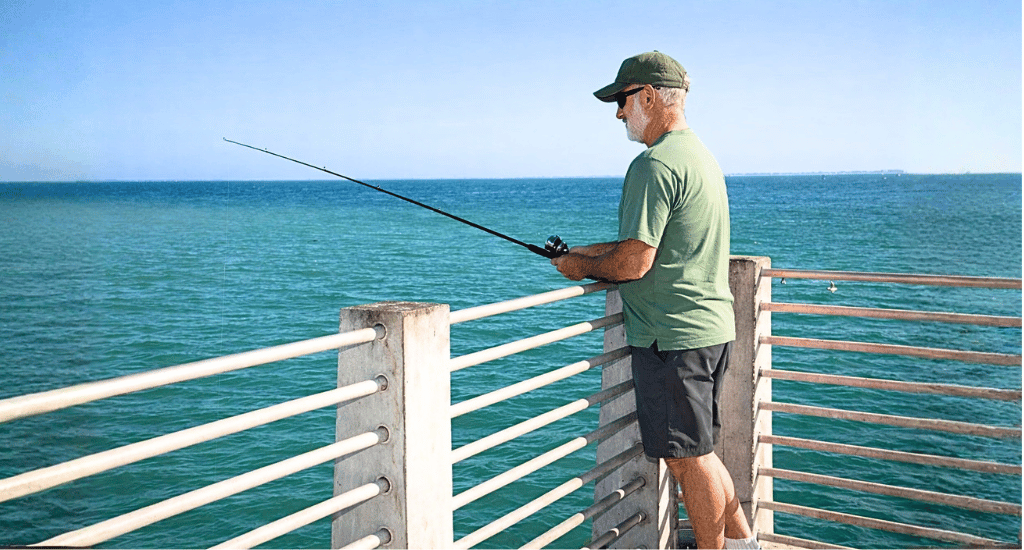
Some piers stand high above the water, which makes line control harder with short rods. A longer rod helps guide your line better and gives enough leverage to lift fish over railings safely.
Control and Accuracy
Short rods give better control when space feels tight, and many anglers fish side by side. They help place bait accurately in small areas and reduce the risk of line crossing or tangles.
Handling Fish Near the Pier
Fish often move close to the pier after they take the bait, which needs careful control. A proper rod length helps guide the fish steadily and prevents sudden pulls that may break your line.
Line Management and Safety
The right rod length keeps your line away from sharp edges, posts, and rough surfaces on the pier. This helps prevent line damage and makes your fishing experience safer and more reliable.
Best Rod Length by Fishing Style (Detailed Breakdown)
Different rod lengths work better for different pier fishing styles and fish types. When you understand each size clearly, you can pick the right setup based on your location, target fish, and comfort level.
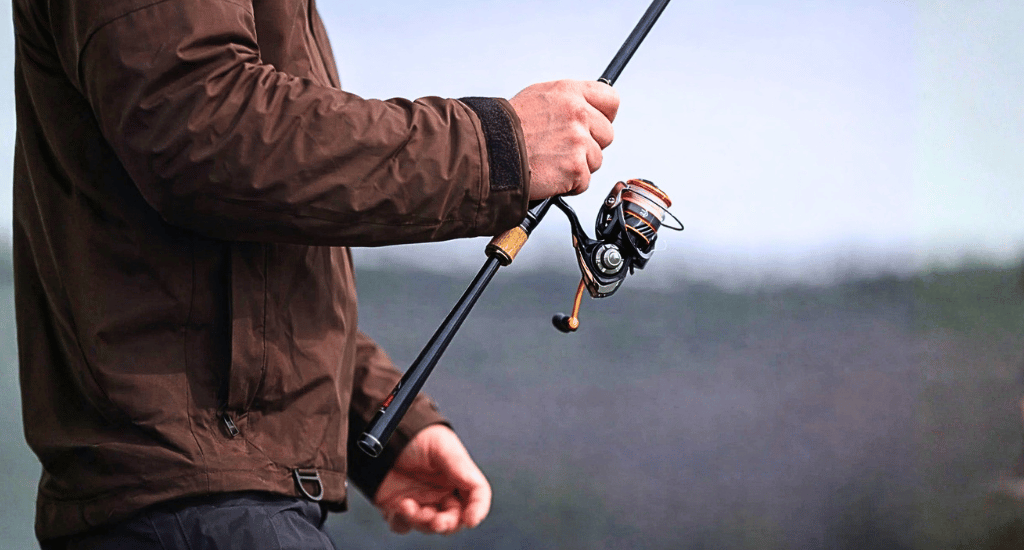
6-7 Foot Rod (Short Rod Setup)
A 6 foot or 7 foot fishing rod works well for simple pier setups where fish stay close. This size suits beginners because it feels easy to control and does not require strong casting skills.
Best for:
- Jigging near the pier
- Small fish like panfish, mackerel, and sheepshead
- New anglers who need better control
Details:
- Power: Medium-light
- Advantage: Easy handling and strong control in tight spaces
- Limitation: Short casting range makes it hard to reach distant fish
7-8 Foot Rod (Most Versatile Option)
A 7 to 8 foot rod stands as the most balanced choice for most anglers. Many people asking what size rod and reel for pier fishing usually end up with this range for everyday use.
Best for:
- Medium-sized fish like redfish, speckled trout, and flounder
- General pier fishing in different conditions
Details:
- Recommended: Medium-heavy power
- Balance: Good casting distance with steady control
- Common choice: 7’6″ to 8’6″ medium-heavy spinning rod
8-10 Foot Rod (Advanced Pier Fishing)
An 8 to 10 foot rod helps when fish stay farther from the pier. This size gives better reach and works well when water conditions require longer casts.
Best for:
- Long casting distance
- Fishing over small waves or pier structures
- Larger species like kingfish
Details:
- Advantage: Strong leverage and better line control at longer distances
- Works well in open water areas where space is not limited
10-12 Foot Rod (Surf-Style for Maximum Distance)
A 10 to 12 foot rod works like a light surf rod and focuses on maximum casting range. This setup suits anglers who need to reach far zones beyond normal casting distance.
Best for:
- Extreme long-distance casting
- Open piers with fewer crowds
Details:
- Advantage: Reaches deep water where bigger fish stay
- Limitation: Harder to control and not suitable for crowded pier areas
Choosing the Right Rod Power and Action
Rod length alone does not decide your success on a pier. The power and action fishing rod determine exactly how the rod feels, bends, and reacts to fish. The right combination helps you stay in control and land fish safely.
Rod Power Explained
Rod power shows how much force the rod can handle during fishing. A medium rod suits small to medium fish and feels easy to control. A medium-heavy rod works for most pier setups and handles stronger fish well.
A heavy rod fits large fish and strong water movement, where extra strength becomes important.
Best Action for Pier Fishing
Rod action describes how fast the rod bends when pressure is applied during a bite. A fast-action rod bends near the tip and reacts quickly to movement.
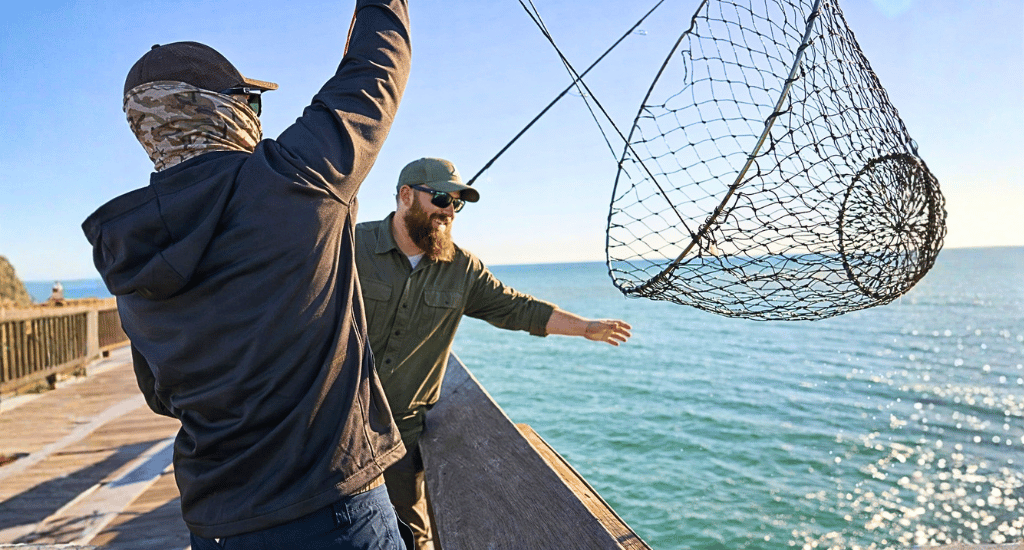
This type helps you feel light bites clearly and set the hook with better force. It also gives more control during fights with active fish.
How Power Affects Your Fishing Results
The wrong power makes fishing harder and may lead to missed chances or broken lines. A rod that feels too light struggles with bigger fish and strong pulls.
A rod that feels too heavy reduces sensitivity and hides small bites. Balanced power keeps your setup effective in most pier conditions.
How Action Changes Bite Detection and Hooking
Action affects how well you notice bites and respond at the right moment. A slow-action rod bends deeper and feels softer, which reduces quick response.
A fast-action rod reacts faster and helps you connect with fish more consistently. This improves your success rate, especially in active fishing spots.
Common Mistakes When Choosing a Pier Fishing Rod
Many beginners struggle because they pick a rod without understanding how size and setup affect performance. When you ask what size rod for pier fishing, small mistakes can reduce casting distance, control, and overall fishing success.
- Using rods that are too short: Short rods limit casting distance and make it harder to reach deeper water where fish often stay. You may miss good opportunities simply because your bait cannot travel far enough.
- Using rods that are too long: Very long rods feel hard to control, especially on crowded piers. They can cause balance issues and increase the chance of tangles with nearby anglers.
- Ignoring rod power and action: Power and action decide how your rod reacts during a bite and fight. Wrong choices reduce sensitivity and make it harder to set the hook properly.
- Not matching the rod with the reel and line: A rod works best with the right reel size and line strength. Poor matching can cause weak performance, line breaks, or uneven casting results.
Conclusion
Most anglers get the best results with a rod between 7 and 10 feet. This range offers a strong balance between casting distance and control on most piers. When people ask what size rod and reel for pier fishing, a versatile setup often works better than extreme choices.
The key idea is simple. Match your rod length with your fishing style, pier height, and target fish. The right size improves casting, control, and overall success. You should start with a balanced setup, then adjust your gear as your experience grows.