Left or right-handed fishing reels confuse many anglers because the terms sound misleading at first. Most people think it depends on the dominant hand, yet it actually refers to the handle position.
This small detail affects how fast you cast, how strong your hook set feels, and how comfortable each fishing session becomes. A wrong setup often leads to slow casts and awkward control.
This guide will explain left vs right handed fishing reel choices in a simple way. You will learn which option fits your style and improves overall fishing performance.
What Does Left vs Right Handed Reel Actually Mean?
Many anglers feel confused when they first hear about reel direction and setup. The truth is simple and easy to remember once you understand one key idea. The terms only describe the side where the reel handle sits on the rod.
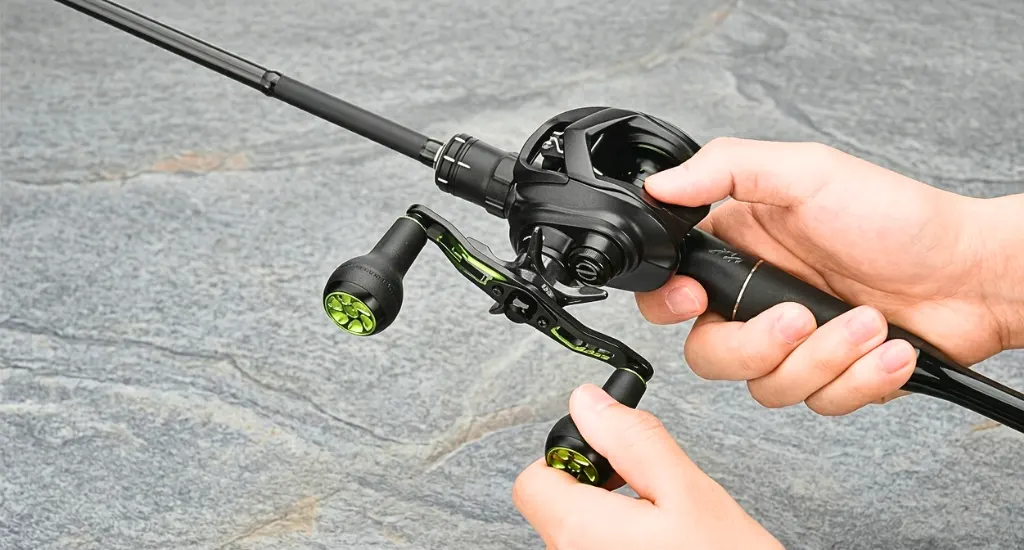
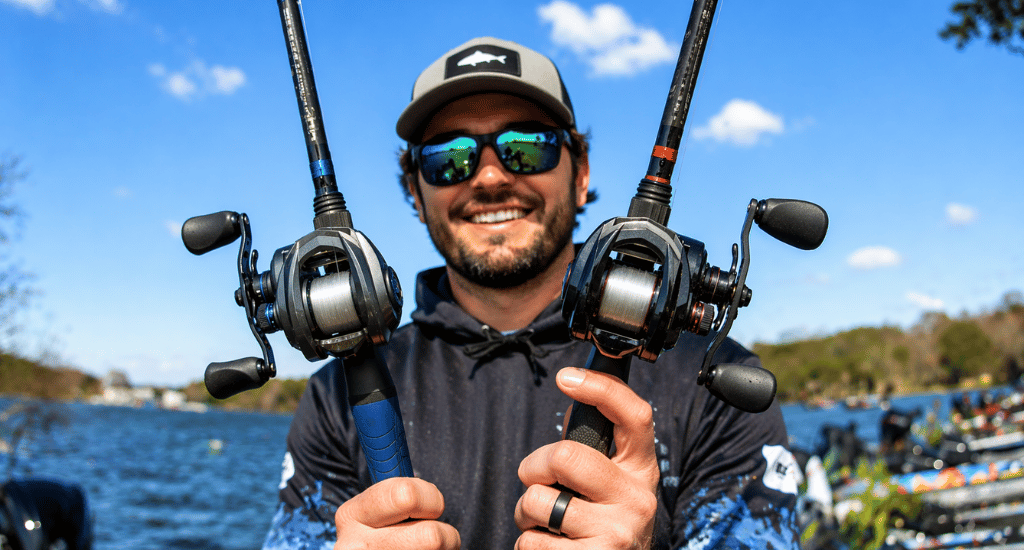
A left-hand retrieve reel has the handle placed on the left side of the reel. You hold the rod with your right hand and turn the handle with your left hand. This setup feels natural for many right-handed anglers during regular fishing sessions.
A right-hand retrieve reel has the handle placed on the right side of the reel. You hold the rod with your left hand and turn the handle with your right hand. This is what most people call a traditional reel setup.
The main point is clear in the left vs right handed fishing reel comparison. The name does not describe your dominant hand; it only shows the handle position. A right-handed fishing reel usually comes with the handle fixed on the right side.
Key Differences Between Left and Right-Handed Reels
Small differences in reel setup can change your whole fishing experience in a big way. Many anglers select a reel based on comfort, control, and how smooth each cast and retrieve feels during use.
Handle Position
The most visible difference appears in the handle placement on the reel body. A left-hand retrieve reel has the handle fixed on the left side for easy access. A right-hand retrieve reel keeps the handle on the right side in a traditional layout.
This simple change affects how your hands move during every step of fishing. In a right-handed fishing reel vs. a left-handed setup, this is the first thing you will notice.
If you’re exploring more advanced reel control techniques, especially when traditional features are missing, you can also check out this guide on how to use a reel without an anti-reverse trigger.
Rod Control Hand
The rod always stays in the opposite hand from the one used for reeling. With a left-hand retrieve reel, your right hand holds the rod and guides every move. With a right-hand retrieve reel, your left hand controls the rod during the fight.
Good rod control helps you feel bites clearly and react with better timing. It becomes very important when you try to set the hook with strength and accuracy.
Casting Transition
Casting transition creates one of the biggest practical differences between these two reel types. A left-hand retrieve reel lets you cast and start reeling without any hand change. It saves time and keeps your motion smooth from cast to retrieve.
A right-hand retrieve reel often needs a quick hand switch after each cast. You cast with your right hand, then move the rod to your left hand before reeling. This extra step can slow down your rhythm, especially during fast fishing sessions.
Efficiency and Overall Flow
Many anglers focus on efficiency when they compare these reel types in real situations. Smooth casting, quick line pickup, and strong control all depend on how natural the setup feels.
In most left vs right handed fishing reel discussions, anglers prefer the option that reduces extra movement and keeps the process simple. A setup that feels easy will help you fish longer without strain and improve overall performance.
Why Many Right-Handed Anglers Prefer Left-Handed Reels
Many right-handed anglers feel more comfortable when the rod stays in their strong hand during fishing. A left-hand retrieve reel lets them cast with the right hand and reel with the left hand. This setup removes the need to change hands after every cast, which saves time and effort.
Using a left-handed reel speeds up the casting process and keeps each movement smooth and natural. The rhythm feels steady because there is no pause between casting and reeling the line. It helps a lot during active fishing, where quick response matters.
The dominant hand stays on the rod, which improves control and reaction during a bite. Strong rod control helps you feel small movements and set the hook with better force. Many anglers trust this setup because it feels simple, fast, and easy to manage.
Spinning Reels vs Baitcasting Reels (Left vs Right Differences)
Reel type plays a big role when you compare handle direction and overall comfort. Spinning and baitcasting reels follow different designs, and each type offers a unique experience for left or right-hand use.
Spinning Reels
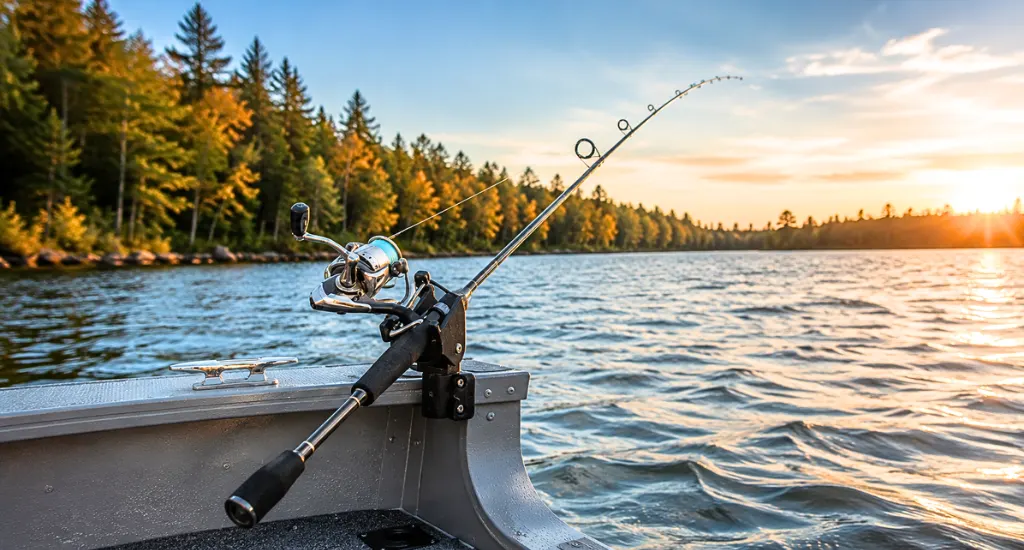
Spinning reels offer a flexible setup that suits both left and right-handed users. Most models let you remove the handle and place it on the other side. This simple change lets you adjust the reel based on your comfort without any trouble.
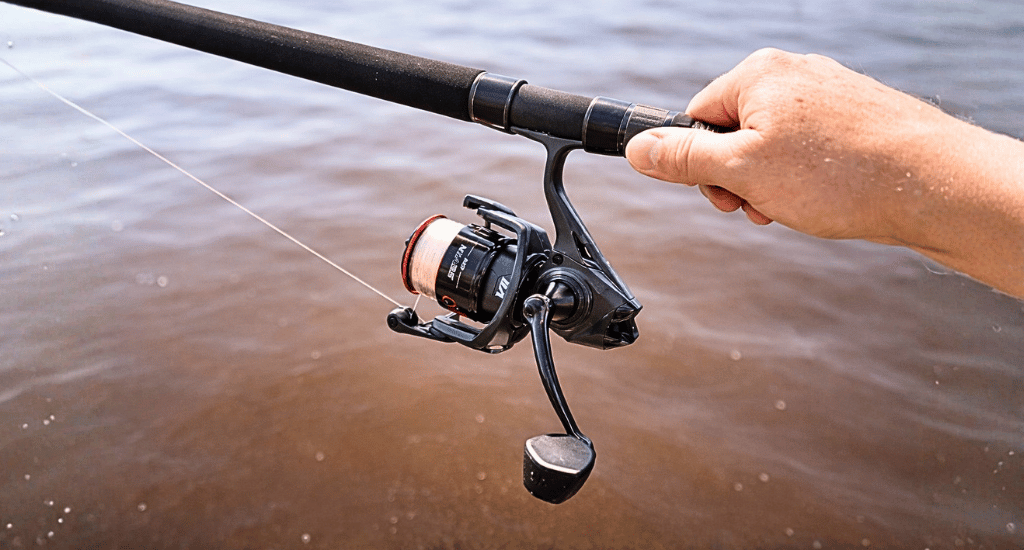
Most spinning reels accommodate both LH and RH by simply swapping the handle. This facility makes them a great choice for beginners who still test different setups. You can try both sides and decide what feels more natural during real fishing sessions.
Spinning reels also feel easy to use because they do not need complex hand movements. Many new anglers start here since the setup feels smooth and simple from the first cast.
Baitcasting Reels
Baitcasting reels come with a fixed handle position, so you must choose the correct side before buying. You cannot switch the handle later, which makes your decision more important at the start.
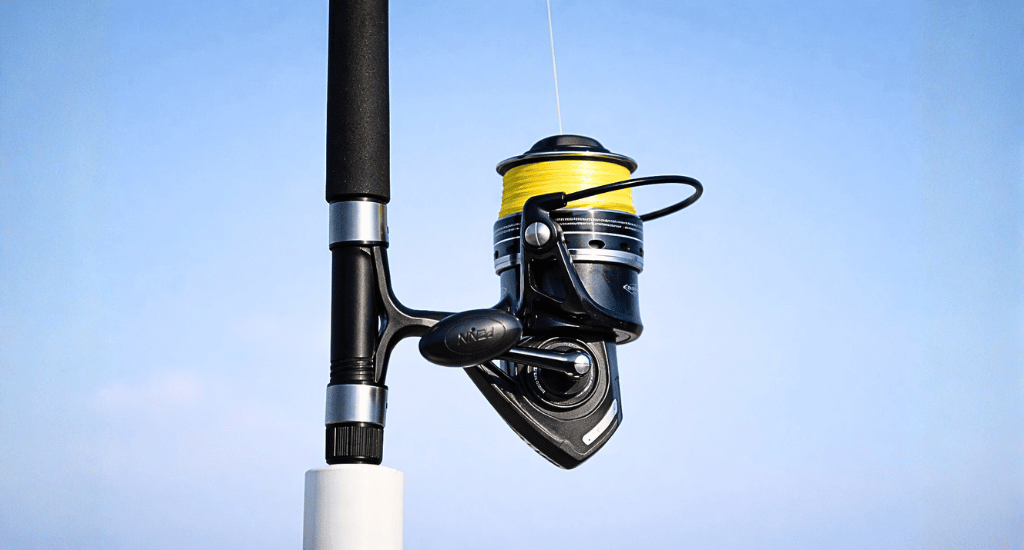
Some baitcasting reels are available in left-hand, but many models still follow the right-hand design. It means you need to check carefully before you make a purchase.
This reel type depends more on personal habit and comfort. Many experienced anglers choose a setup based on how they control the rod and manage the line. The feel of the reel matters a lot during long fishing sessions.
How to Choose the Right Fishing Reel for You
Selecting the right reel depends on how you fish, how your hands work, and what feels comfortable during use. A small change in setup can improve control, speed, and overall fishing experience.
Based on Your Dominant Hand
Your dominant hand plays an important role in how you control the rod during fishing. Most right-handed anglers feel comfortable with a left-hand retrieve reel since no hand switch is needed after casting. It keeps a strong hand on the rod for better control.
Left-handed anglers often prefer a right-hand retrieve reel for the same reason. The goal is to keep your stronger hand on the rod while the other hand manages the reel handle.
Based on Fishing Style
Fishing style can change, which reel setup works best for your needs. Fast casting techniques feel smoother with a left-hand retrieve reel because there is no delay after each cast. Also, it can help maintain a steady rhythm during active fishing sessions.
Power-based techniques may suit a right-hand retrieve reel for some anglers. They feel stronger control during line retrieval with their dominant hand on the handle. Precision techniques depend more on rod control, so personal comfort matters more in this case.
Based on Experience Level
Your experience level can guide you toward the right reel choice. Beginners usually start with spinning reels since the handle can be adjusted to either side. This allows easy testing of both setups without extra cost.
Intermediate anglers often try both left and right-hand retrieve reels to find a better fit. This stage helps build confidence and improve overall technique. Advanced anglers usually select a setup based on specific techniques and personal habits.
Based on Reel Type
Reel type also affects how much flexibility you have with handle position. Spinning reels offer more freedom since you can change the handle side when needed. It makes them ideal for testing comfort and control.
Baitcasting reels don’t let you switch the handle side, so you need to pick the one that feels right before buying. Picking the right one early makes fishing easier and more comfortable.
Conclusion
No single option works best for every angler, since comfort and control feel different for each person. The right choice of left vs right-handed fishing reel depends on your fishing style, hand use, and how smooth each action feels.
Most modern anglers, especially right-handed users, prefer a left-hand retrieve for better flow and control. You should test both setups with a spinning reel first, then move to baitcasting once your preference feels clear and natural.
FAQs
Are there left- and right-handed fishing reels?
Yes, fishing reels come in both left-hand and right-hand retrieve. The difference is simply which side the handle is on, determining which hand you use to reel in the line.
Is a left- or right-handed spinning reel better?
Neither is universally better. Spinning reels are adjustable, but most right-handed anglers prefer left-hand retrieve to avoid switching hands and improve casting speed.
What is the difference between left- and right-handed fishing reels?
The main difference is the handle position and the reeling hand. Left-hand reels place the handle on the left side, while right-hand reels place it on the right side, affecting control and casting efficiency.
Should right-handed people use left-handed reels?
In most cases, yes. Many right-handed anglers use left-handed reels so they can cast with their dominant hand and reel without switching, improving speed and control.