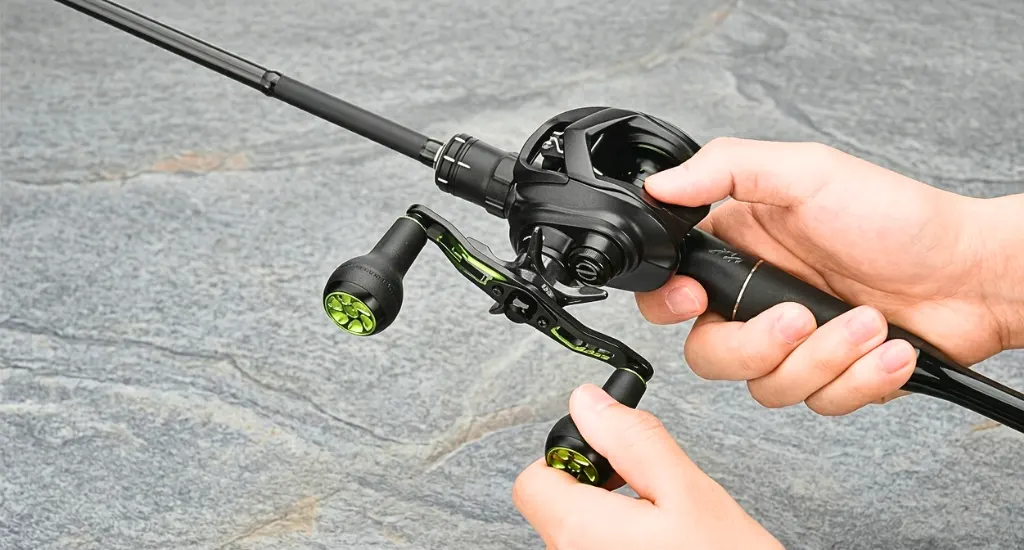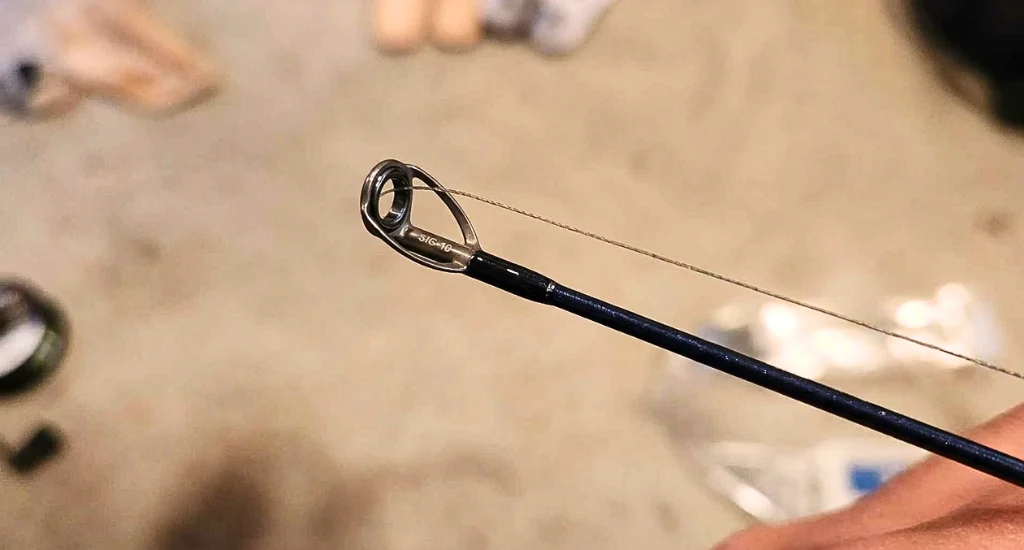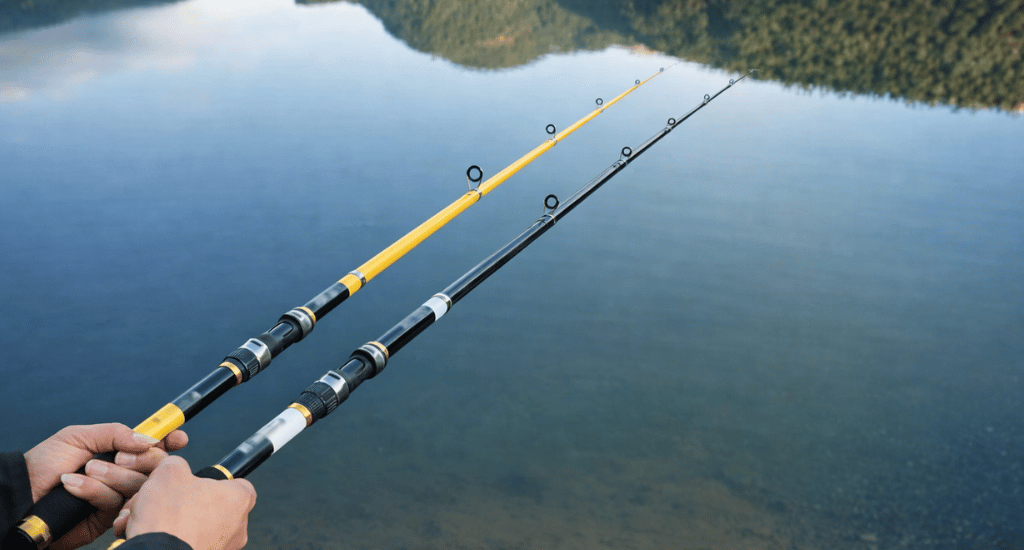
A carbon fiber fishing rod is lighter and more sensitive than a fiberglass one. A fiberglass fishing rod is tougher and more forgiving. The rod blank material controls everything about a rod’s performance. It sets the weight, sensitivity, action, and durability.
Graphite and carbon fiber mean the same thing in fishing rods. Rod makers use both terms for identical material. Knowing this saves confusion when shopping.
I’ve fished both materials for 24 years across Gulf Coast waters. Each one fits a different angler and technique. This guide breaks down both materials, so you can pick the right rod for your fishing style and budget.
Quick Summary: Carbon Fiber vs Fiberglass at a Glance
Here is the core difference between carbon fiber and fiberglass fishing rods at a glance. Carbon fiber rods prioritize sensitivity and lightweight performance. Fiberglass rods prioritize durability and forgiveness. This fiberglass vs carbon fiber weight comparison covers every factor that matters.
| Feature | Carbon Fiber | Fiberglass |
|---|---|---|
| Weight | Very light (~3 oz) | Heavier (~5 oz) |
| Sensitivity | High, feels every bite | Low, dampened feedback |
| Rod Action | Fast (bends at tip) | Slow (full parabolic bend) |
| Durability | Brittle, handles with care | Very tough, hard to break |
| Price Range | $80–$300+ | $20–$60 |
| Best For | Finesse fishing, sensitivity techniques | Moving baits, heavy-duty, beginners |
I’ve fished both materials side by side for 24 years. Let’s break down each of these differences and what they mean for your time on the water.
How Do Carbon Fiber and Fiberglass Fishing Rods Compare?
Carbon fiber and fiberglass fishing rods differ in five key areas. The rod blank material controls weight, sensitivity, action, durability, and price. Each factor changes how a rod casts, fights fish, and holds up over time.
I’ve put both materials through 24 years of hard use. Here is how carbon fiber rods compare against fiberglass across every factor that matters on the water.
Fiberglass vs Carbon Fiber Fishing Rod – Which Is Lighter?
Carbon fiber is 30-40% lighter than fiberglass. A 7-foot medium-light carbon fiber rod weighs about 3 oz. The same fiberglass rod weighs close to 5 oz. Carbon fiber rod blanks weigh approximately 3.2 ounces (91 grams) less than fiberglass blanks of the same length and power rating.
That weight difference matters on long days. A lighter rod reduces arm fatigue over 6–8 hours of casting. It also adds casting distance. Less rod weight lets the blank load faster and shoot line farther.
Fiberglass has one weight advantage. The extra heft creates natural loading on short casts. Some anglers prefer that feel for close-range accuracy under 30 feet. I’ve seen this work well for dock fishing and tight creek casting.
Pick carbon fiber for all-day sessions. Pick fiberglass when short, controlled casts matter more than distance.
How Does Sensitivity Differ Between Carbon Fiber and Fiberglass Rods?
Carbon fiber rods have high sensitivity to detect light bites. The material transmits vibrations directly to your hand. You feel a crayfish nibble at 20 feet. You feel a bass mouth a soft plastic before it commits. That feedback helps you set hooks faster.
Fiberglass rods have a dampened feel. The material absorbs vibrations before they reach your fingers. This causes missed bites in finesse situations where light taps matter.
But dampened feedback has one real advantage. Fiberglass filters out false signals in heavy cover. Weeds, branches, and debris create constant rod tip noise with carbon fiber. Fiberglass quiets that noise and lets you focus on actual strikes.
Use carbon fiber when bite detection is everything. Use fiberglass when fishing thick cover where false taps outnumber real bites.
Fast Action vs Slow Action – What Does Rod Material Control?
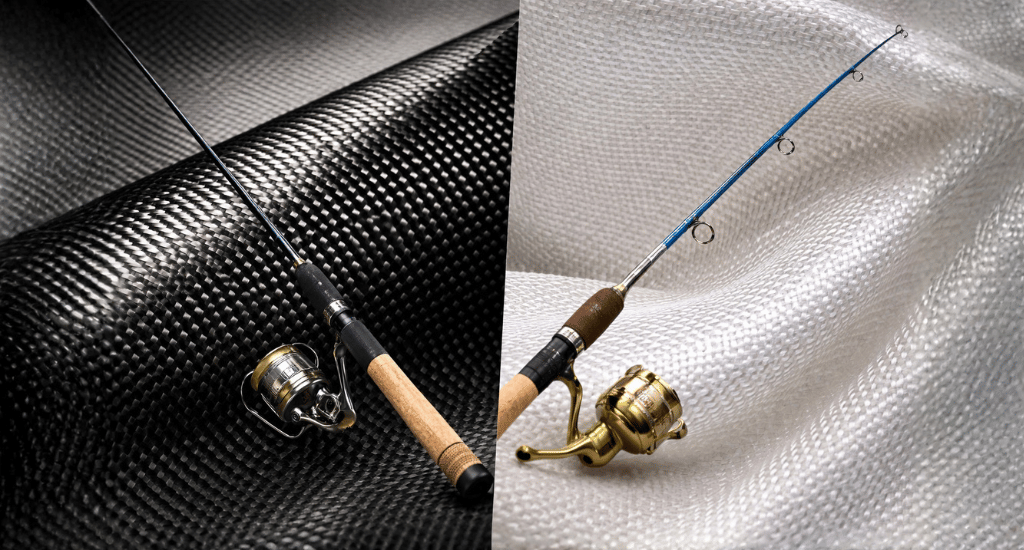
Rod action describes where a rod bends under load. Fast action bends in the top quarter. Slow action bends through the entire rod. The blank material is what controls this.
Carbon fiber rods produce fast-to-extra-fast action. The stiff blank rebounds quickly after a cast or hook set. That fast recovery gives you instant power on the strike. It drives hooks home in hard-mouthed fish like bass and pike.
Fiberglass rods produce slow-to-medium action. The blank flexes in a deep parabolic bend from tip to butt. That full-rod flex absorbs shock from aggressive strikes. It keeps hooks pinned in soft-mouthed fish like trout and crappie. I’ve lost far fewer fish on fiberglass when fishing light-wire hooks.
Choose fast-action carbon fiber for quick hook sets and long casts. Choose slow-action fiberglass when a forgiving bend protects light tackle and soft mouths.
Is Carbon Fiber Stronger Than Fiberglass?
Carbon fiber is stronger than fiberglass per ounce. It has a higher strength-to-weight ratio. That means more lifting power and backbone with less material. Carbon fiber rods move big fish faster in open water.
But fiberglass is far more durable in terms of impact resistance. A fiberglass rod blank can bend nearly into a circle without breaking. Drop it on rocks. Slam it in a truck door. It survives abuse that shatters carbon fiber.
Carbon fiber is brittle. It performs at a higher level but breaks under sudden impacts. A cracked carbon fiber blank fails completely. There is no warning and no flex before it snaps. I’ve seen anglers break $200 carbon rods stepping on them once.
Fiberglass wins for rough handling and tough conditions. Carbon fiber wins for raw power and performance when properly cared for.
Carbon Fiber vs. Fiberglass Rods: How Do Prices Compare?
Fiberglass rods are the most budget-friendly option. Quality fiberglass blanks cost $20–$60. You get a tough, forgiving rod at starter prices. Beginners and casual anglers get reliable performance without overspending.
Carbon fiber rods range from $80 to $300 or more. Premium blanks with higher modulus ratings push past $400. The price reflects lighter weight, faster action, and better sensitivity.
Is the premium cost worth it? That depends on how often you fish. Weekend anglers do fine with fiberglass. If you fish 3–5 days a week, carbon fiber pays for itself in reduced fatigue and better bite detection. I guide 200+ days a year. Carbon fiber earns its price on my boat every season.
What Are the Downsides of Carbon Fiber Fishing Rods?
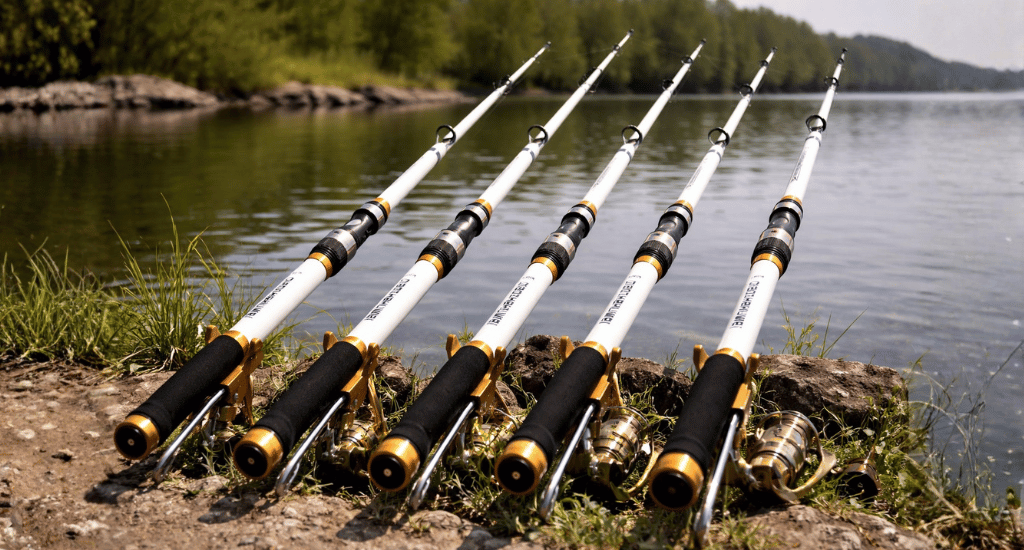
The downsides of carbon fiber fishing rods are brittleness, higher cost, and less forgiveness on hook sets. These drawbacks of carbon fiber matter more to some anglers than to others.
Carbon fiber is brittle. A single impact can crack or shatter the blank. Drop it on concrete or high-stick it past its range, and the rod snaps without warning. Fiberglass survives the same abuse without damage.
Carbon fiber rods punish poor hook-set timing. The fast action drives hooks hard and fast. Set too early or too late, and you pull the bait away. Beginners miss more fish on carbon fiber than on fiberglass.
Carbon fiber transfers fight energy directly to your hands and arms. Big fish battles feel more physical. A 30-minute fight with a bull-red on carbon fiber drains you faster than fiberglass. The slower flex of fiberglass absorbs more shock and spreads the workload.
The price barrier is real. Entry-level carbon fiber costs $80 or more. A $30 fiberglass rod catches the same fish with more forgiveness. I start every beginner client on fiberglass for this reason.
Which Fishing Techniques Work Best with Each Rod Material?
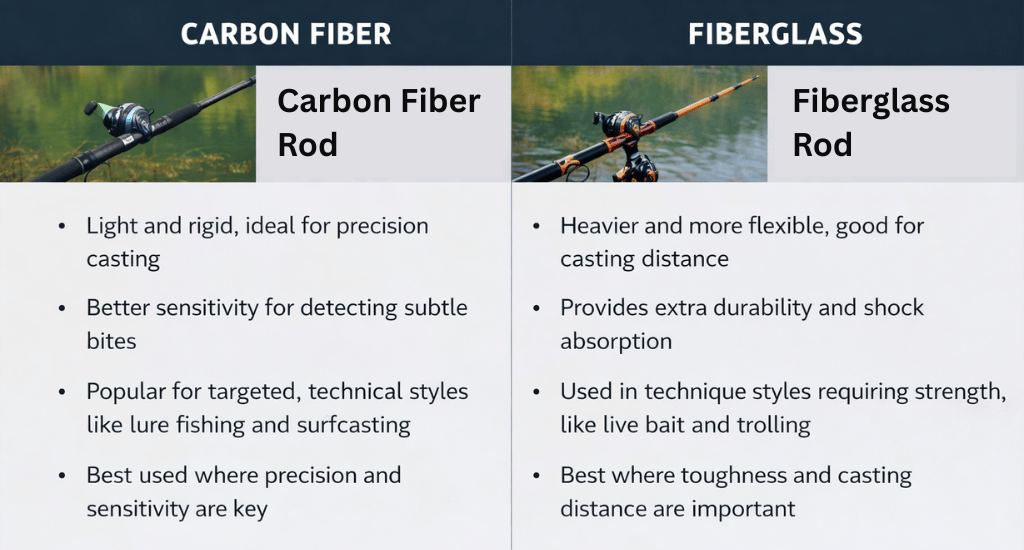
Carbon fiber rods work best for finesse techniques that demand sensitivity. Fiberglass rods work best for power techniques that demand durability and forgiveness. The right rod material depends on what you tie on and where you fish.
I match my rod material to the technique before every trip. Carbon fiber goes in the boat for drop shots, jigs, and soft plastics. Fiberglass goes in for crankbaits, spinnerbaits, and bottom fishing in rough structure. Here is how each material performs across the techniques that matter most.
Best Techniques for Carbon Fiber Rods
The best techniques for carbon fiber rods are finesse presentations where bite detection decides your catch rate. Carbon fiber excels when you need to feel everything.
Drop shotting is where carbon fiber shines brightest. You feel the weight tick at the bottom and detect the lightest mouth on your soft plastic. Jigging in deep water works the same way. Carbon fiber tells you exactly what happens 20–40 feet below.
Finesse fishing with soft plastics, ned rigs, and shaky heads demands sensitivity. Carbon fiber delivers it. Panfish like crappie and bluegill give subtle bites that fiberglass misses completely.
Fly fishing in windy conditions benefits from carbon fiber’s lighter weight. Less rod weight means tighter loops and better line control against crosswinds. Long-distance casting accuracy improves, too. Carbon fiber blanks outperform fiberglass on targets past 50 feet in head-to-head tests.
Grab a carbon fiber rod for bass fishing with lures, deep-water jigging, and any technique where feeling the bite is the difference between a good day and a blank.
Best Techniques for Fiberglass Rods
The best techniques for fiberglass rods are moving baits and power fishing, where forgiveness matters more than sensitivity. A flexible fiberglass rod keeps hooks pinned during fast, aggressive strikes.
Crankbaits, spinnerbaits, and buzzbaits perform better on fiberglass. The slow action prevents treble hooks from ripping free on hard strikes. Suspending jerkbaits work the same way. The parabolic bend absorbs the shock that pulls hooks from soft tissue.
Bottom fishing in rugged structure is where fiberglass earns its keep. Drag it through rocks, oyster bars, and heavy timber without worrying about blank damage. Trolling for muskie, pike, and walleye puts a constant load on a rod. Fiberglass handles that sustained pressure without fatigue cracking.
Saltwater anglers rely on fiberglass in harsh conditions. Salt, sand, and impact punishment destroy carbon fiber faster. A fiberglass fishing rod survives seasons of abuse that would retire carbon-fiber blanks.
Can bait go on a fiberglass rod? Yes. Bait fishing is one of the best uses for fiberglass. The slower action gives live bait more time to load before the hook set. You hook more fish and gut-hook fewer.
Is a Carbon Fiber Fishing Rod Worth the Price?
A carbon fiber fishing rod is worth the price if you fish more than twice a week using finesse techniques. The sensitivity and lighter weight pay off for anglers who need bite detection and all-day comfort.
A fiberglass rod is worth it for casual anglers, moving bait techniques, and rough conditions. You get reliable performance at $20–$60 without babying your gear.
The decision comes down to frequency and technique. Tournament anglers need carbon fiber. Weekend anglers get more value from fiberglass. I’ve watched clients waste $250 on carbon fiber they fish five times a year.
Carbon composite rods split the difference. These blanks blend both materials for moderate sensitivity with better durability. Composite rods run $50–$150 and suit anglers who want one rod for multiple techniques. Match the material to how often you fish and what you throw.
Conclusion
The right rod material depends on your technique, not the price tag. Carbon fiber fishing rods deliver sensitivity, lightweight, and precision for finesse anglers. Fiberglass fishing rods deliver durability, forgiveness, and value for power techniques and beginners. Composite rods offer a middle ground for anglers who want one rod to cover both styles.
Stop choosing rod blank material based on cost alone. Match it to how you fish. That one decision improves your catch rate more than any upgrade.
I’ve guided anglers on both materials for 24 years. The angler who picks the right tool for the technique always outfishes the angler with the expensive rod and the wrong application. Choose your material. Hit the water. Tight lines.
FAQs
Which Is Better - a Carbon Rod or a Fiberglass Rod?
Neither is universally better. Carbon fiber wins on sensitivity, weight, and casting performance. Fiberglass wins on durability, forgiveness, and price. The right choice depends on fishing technique and budget.
What Is the Strongest Fishing Rod Material?
For raw impact resistance and bend tolerance, fiberglass is the strongest - it can absorb extreme stress without snapping. For strength-to-weight ratio (power per ounce), carbon fiber leads. Composite rods blend both properties.
Is Carbon Fiber the Same as Graphite in Fishing Rods?
Yes. In the fishing industry, "graphite" and "carbon fiber" refer to the same material. The terms are used interchangeably, though technically graphite rods are made from carbon fiber reinforced with resin.
Can You Use Bait on a Fiberglass Fishing Rod?
Absolutely. Fiberglass rods are excellent for bait fishing. Their slower action and shock absorption make them ideal for live-bait and cut-bait presentations, especially in bottom-fishing and trolling setups.
Are Composite Fishing Rods a Good Middle Ground?
Yes. Composite rods blend carbon fiber and fiberglass to balance sensitivity with durability. They're versatile, moderately priced, and a good fit for anglers who fish multiple techniques without wanting separate rods for each.