Saltwater fly fishing brings a thrill you rarely find in freshwater. Yes, you can fly fish in saltwater, and the sight of a sleek game fish striking a delicate fly is unforgettable. More anglers are trying it every year because it combines skill, patience, and excitement in one experience.
Unlike freshwater, saltwater fishing often happens in open bays, flats, or near the shore. The fish are faster, the gear heavier, and the approach more precise. The challenge of spotting and casting to a wary bonefish or striped bass adds a visual and tactical edge to the sport.
In this blog, you will learn about the best species, gear, techniques, and top locations for saltwater fly fishing. Read on to see how this adventure-packed style of fishing can open a whole new world for you.
Can You Really Fly Fish in Saltwater?
Fly fishing in saltwater works on the same principles as freshwater, but the environment changes the game. Anglers use a lightweight fly to mimic prey like shrimp, crabs, or small baitfish.
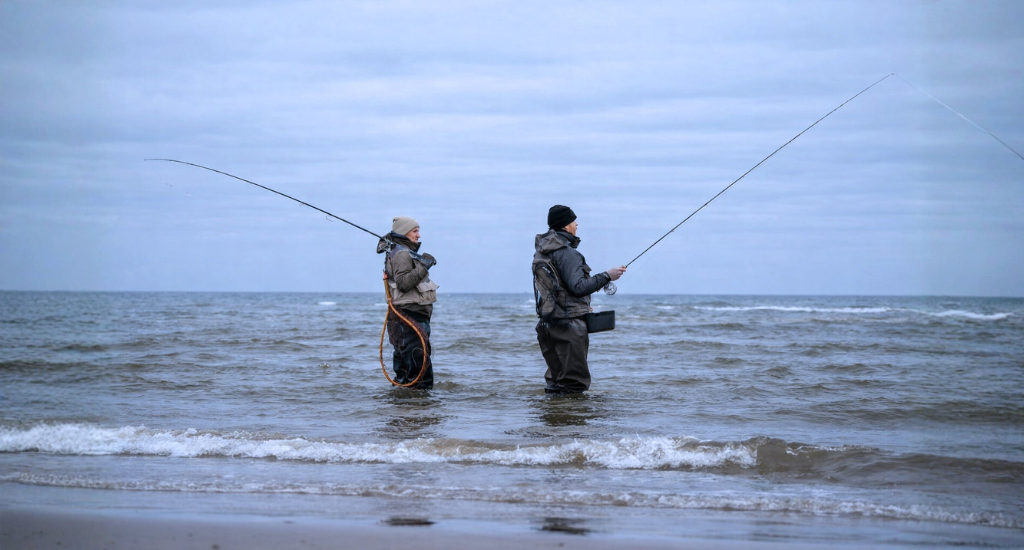
Many saltwater species respond to these flies because they trigger natural feeding instincts. You can cast from shore, a dock, or a shallow flat, watching for the subtle movements that tell you fish are near.
Some people think saltwater fly fishing is only for experts, but that’s a myth. The key differences from freshwater include stronger fish, saltwater-tough gear, and dealing with tides and wind. Once you understand these factors, saltwater fishing becomes approachable and exciting.
Is Saltwater Fly Fishing Harder Than Freshwater?
There is a learning curve. Casting against the wind or targeting fast-moving fish can be tricky at first. Tides and currents also affect where fish gather, making timing important.
Despite these challenges, beginners can succeed with basic gear, careful observation, and patience. Many anglers find that small wins, like sighting a fish and landing it on the first try, make saltwater fly fishing incredibly rewarding.
What Fish Can You Fly Fish for in Saltwater?
Yes, you can catch many saltwater species with a fly. Both coldwater and warmwater fish respond well to flies, giving anglers plenty of exciting opportunities.
Popular Saltwater Fly Fishing Species
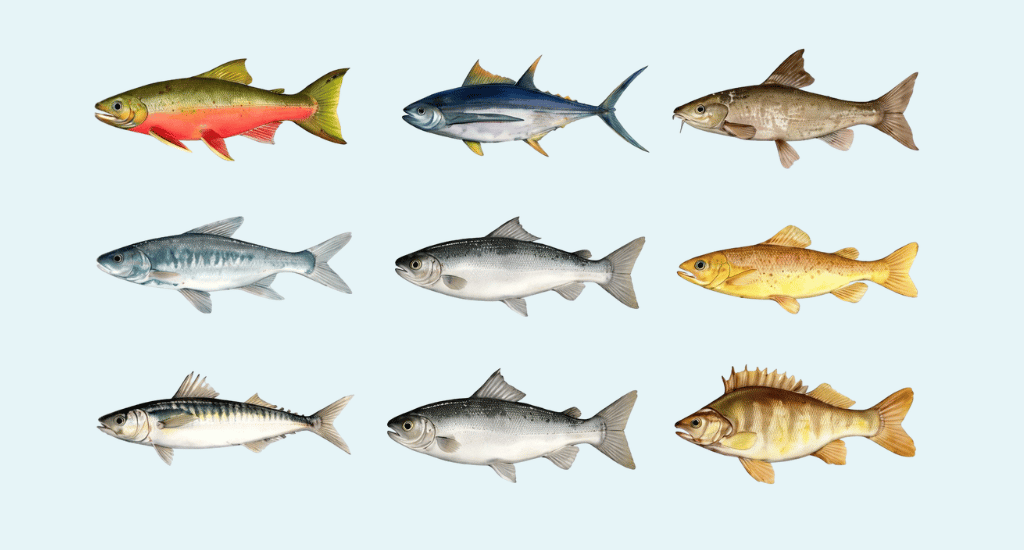
- Striped Bass – Strong fighters found near shore, rivers, and estuaries.
- Redfish – Common in shallow flats, easily spotted before casting.
- Bonefish – Fast and tricky, found in clear, shallow waters.
- Permit – Challenging fish that loves crustacean-like flies.
- Tarpon – Big and powerful, often seen rolling near the surface.
- Snook – Hides around mangroves, ambushes small baitfish.
- False Albacore – Small, fast fish chasing schools of baitfish.
- Bluefish – Aggressive predator that strikes moving flies repeatedly.
Inshore vs Offshore Saltwater Fly Fishing
- Inshore flats, bays, estuaries – Shallow water fishing, easy to wade or kayak.
- Surf and beach fly fishing – Target fish feeding near waves and sandbars.
- Offshore pelagic species – Large open-water fish; usually need a boat.
Best Saltwater Fly Fishing Techniques
Saltwater fly fishing works best when you use the right techniques. Casting, presenting the fly naturally, and spotting fish can make the difference between catching and missing exciting saltwater species.
Casting in Windy Saltwater Conditions
Wind and waves can push your fly off target. Use sidearm casting for low, controlled loops and double-haul casting for extra distance. Focus on accuracy rather than just throwing far, especially near-sighted fish.
Presentation and Retrieval
Fish notice subtle movements, so match your fly’s speed to local baitfish or shrimp. Use short strips, pauses, and gentle jerks. Avoid unnatural twitches that can scare fish away in clear water.
Sight Fishing in Saltwater
Look for fish in shallow flats or clear bays. Lead them slightly when casting to moving fish, and time your strip set carefully. Patience and observation help convert visual cues into successful strikes.
Adjusting for Tides and Currents
Tides bring fish in and out of flats and channels. Cast upstream in moving water to let your fly drift naturally. Changing your position with the tides increases the chances of encountering feeding fish.
Choosing the Right Fly Patterns
Match flies to local prey like crabs, shrimp, or small baitfish. Bright colors can attract attention in murky water, while natural tones work in clear flats. Rotate patterns if fish refuse one type.
Saltwater Fly Fishing Gear Essentials
Yes, using the right gear is crucial for saltwater fly fishing. Strong fish, tides, and saltwater conditions demand rods, reels, and lines built to handle the challenge safely and effectively.
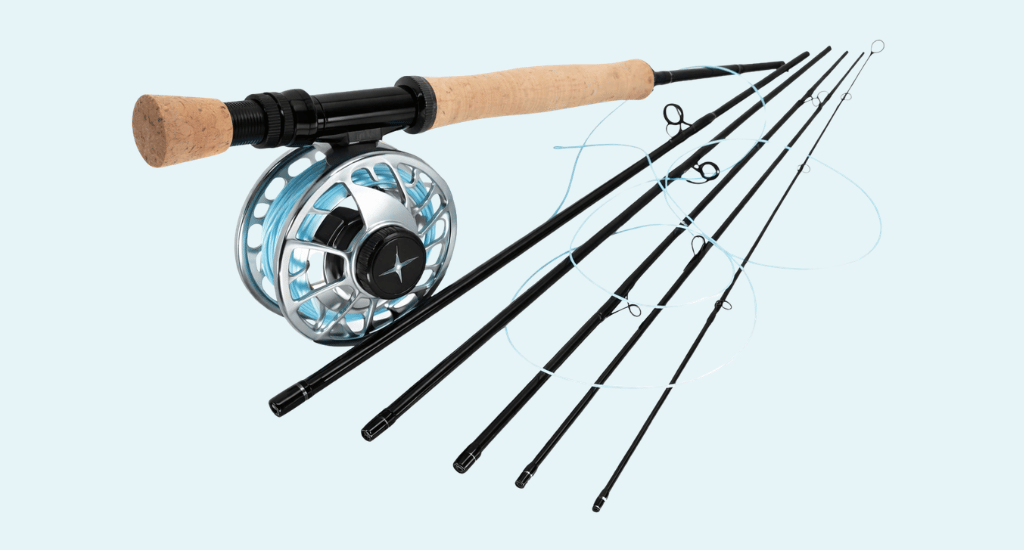
Essential Gear for Saltwater Fly Fishing
- Recommended Rod Weights (7-10 wt) – Heavier rods handle large fish and strong winds better than light rods.
- Rod Length and Action – A 9-10 foot rod with medium-fast action gives good casting distance and control.
- Species-Specific Setups – Tailor rod, line, and tippet to your target species for better success.
- Sealed Drag Systems – Protect reels from saltwater intrusion and maintain smooth fish-fighting performance.
- Corrosion Resistance – Gear must resist rust; materials like anodized aluminum and stainless steel last longer.
- Backing Capacity for Fast Fish – Extra backing lets fish run without breaking the line.
- Floating vs Intermediate vs Sinking Lines – Choose line type based on water depth and species feeding behavior.
- Leader Length for Saltwater – Longer leaders of 9-12 feet help delicate presentations in clear water.
- Fluorocarbon Tippets and Abrasion Resistance – Strong, nearly invisible tippets resist cutting on teeth or rocks.
Best Flies for Saltwater Fly Fishing
Choosing the right fly can make saltwater fishing much easier. Different fish respond to baitfish, crabs, or shrimp patterns. Matching the prey in the water increases your chances of a strike.
Baitfish Patterns
These flies imitate small fish, attracting predators like striped bass and bluefish. Common options include:
- Clouser Minnow: Effective for many species, floats slightly, and moves naturally.
- Deceivers: Large profile, great for aggressive fish chasing surface prey.
- EP-style Flies: Uses flashy material to mimic shimmering baitfish in clear water.
Crustacean and Shrimp Patterns
Many saltwater fish eat crabs and shrimp. These flies work in flats, estuaries, or near structures:
- Crab Flies: Perfect for shallow flats, imitating small crabs walking on sand.
- Shrimp Imitations: Attractive for redfish, snook, and permit in warm water.
- When to Fish Bottom-Oriented Flies: Use low in the water column where prey naturally hides.
Matching the Hatch in Saltwater
Observe what prey fish are eating before casting. Color, size, and shape matter:
- Observing Local Bait: Notice small fish, shrimp, or crabs in shallow areas.
- Color, Size, and Profile Selection: Match the natural prey for realistic presentation.
- Clear vs Dirty Water Fly Choices: Bright or flashy patterns in murky water; natural tones in clear water.
When Is the Best Time to Fly Fish in Saltwater?
The best time to fly fish in saltwater depends on seasons, tides, and daily conditions. Fish feed actively at certain times, and understanding these patterns increases your chances of landing a strike.
Seasonal Saltwater Fly Fishing
Different seasons bring unique opportunities:
- Spring Migrations: Many species move into bays and flats, offering great sight fishing.
- Summer Inshore Action: Shallow flats are full of feeding fish like redfish and snook.
- Fall Blitzes: Predatory fish chase baitfish aggressively, making topwater flies very effective.
- Winter Opportunities: Cold months can be productive in southern regions or protected estuaries.
Best Time of Day and Conditions
Time and conditions affect fish activity and fly presentation:
- Morning vs Evening: Low light encourages feeding and increases fish visibility.
- Tides, Moon Phases, and Weather: Incoming tides and certain moon phases concentrate fish near flats.
- Wind Direction and Water Clarity: Calm or tailwind conditions improve casting accuracy and sight fishing success.
Conclusion
Saltwater fly fishing is exciting, rewarding, and more accessible than many think. Beginners can start inshore or from shore, spotting fish in shallow flats and practicing their casts without needing a boat or expert skills.
Success comes from preparation, understanding tides, and careful observation. With patience and the right gear, anyone can enjoy the thrill of seeing a saltwater game fish strike a fly. Start small, stay confident, and let saltwater fly fishing open a new world of adventure.