Spring shad on the fly is a depth-first swing game that pays off with hard fights and wild jumps. Shad run upriver in spring, and they strike flies from reaction and aggression, not hunger, so your job is simple: get near the bottom and make the fly move. Fish a sink-tip or intermediate to type III-VI line, then swing bottom-ticking heavy shad darts and small flashy patterns in chartreuse and pink through seams, riffles, and soft edges.
This guide shows you when the run really starts around 50°F, where to go on top East Coast and Pacific rivers, the exact gear and leader setups, how to cover water without wasting casts, and the fixes that stop missed grabs and pulled hooks.
Why Do Shad Strike Flies During the Spring Run?
Spring shad fishing is run-driven and temperature-driven. Shad are anadromous fish, so migration into rivers creates stacked schools and repeatable swing lanes. In Virginia rivers, shad begin swimming up in February, but most anglers don’t start until March, once the water hits 50°F. Treat 50°F as your practical start line, then expect the best shad run action from 50 to 65°F.
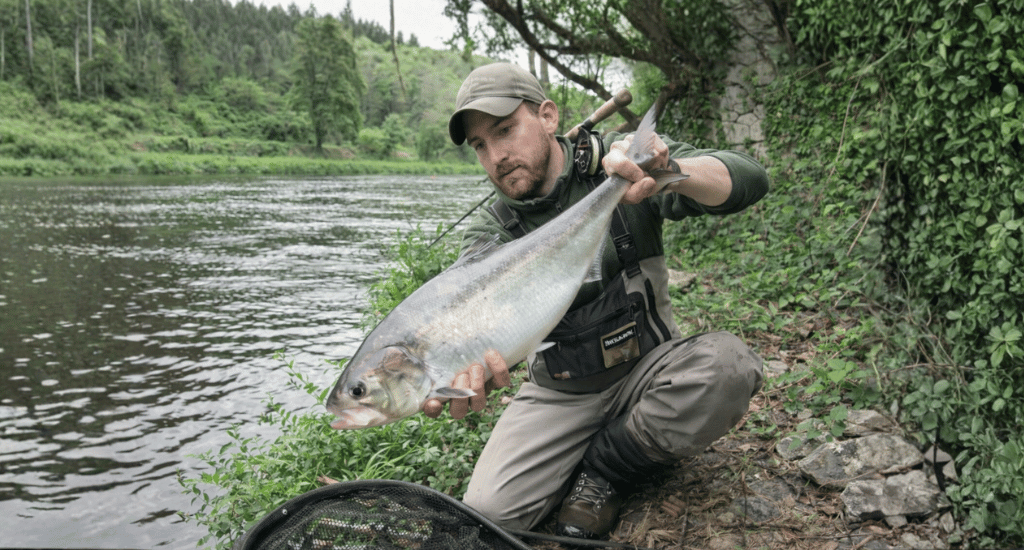
American shad run larger, often stronger, and more consistently. Hickory shad run smaller but can be more grabby. A 6-weight fits bigger fish, including 18 to 28 inches. Shad do not feed much during spawning, yet they will readily strike reflexively and aggressively. Fish moderate-flow lanes where visibility remains high.
Expert Fly Fishing Techniques for Shad
Fly fishing for shad is a casting game because success comes from repetition, coverage, and staying in the right lane. It can get quite monotonous, as you swing and step for long stretches before a school slides through.
Keep expectations real and keep your plan simple. Get the fly near the bottom, keep it there, and cover water on a steady rhythm. Depth matters more than creativity because shad eat happens when your fly is bottom-ticking in the travel zone.
A. Locating Shad in Rivers

Target shad travel lanes first because shad move in schools and follow predictable current paths. Start with moderate current zones because shad avoid the fastest chute but still want flow. Focus on channels, seams, and soft edges because these create a clean corridor for fish to slide upriver.
Check behind rocks and along inside bends because current breaks let shad rest without leaving the lane.
Fish the bottom zone on purpose because strikes come from depth, not surface activity. Work 4 to 12 feet of water because that range covers the most common shad holding and travel depths in spring runs.
Look for subtle surface dimples only as a clue because many shad travel deep even when the surface looks dead. Trust the school behavior because once you find the lane, the bite can turn on fast.
B. Casting and Presentation Techniques
Use quartering downstream casts because the swing sets your fly on a natural arc through the lane. Cast slightly across and down to load the line, tighten the belly, and keep contact. Mend early because early mends control sink time and keeps the fly tracking lower. Mend again only when needed because too many mends pull the fly up and out.
Cover water systematically because shad rewards discipline. Make two to three swings per step, then move a rod length because fresh angles find the lane quicker. Start short and work longer because short swings often hit the near seam that others miss. Use short-line nymphing only when the lane is tight and close, as some runs stack fish in a narrow slot.
C. Retrieval Methods That Trigger Strikes
Keep the fly bottom ticking because depth is the trigger that matters most. Let the fly sink before it comes tight because the first seconds decide whether you are fishing or just swinging high. Add slow strips only after you feel depth because movement without depth wastes casts. Strip slow to moderate because the shad reacts to pulse and flash, not speed.
Use a dead drift at the start of the swing because it keeps the fly low and natural. Add a lift and drop near the end because the rise can trip an instinct strike as the fly climbs off the bottom. Vary retrieve only after you confirm depth because depth beats style on shad.
D. Hooking and Fighting Shad
Set with a firm strip because shad mouths are softer, and a hard trout lift can pop the hook out. Stay tight through the fight because slack plus jumps equals lost fish. Expect the payoff because they fight hard, jump, and change direction fast. Play them steady on light tackle because smooth pressure lands more fish than force. Lead the fish to quieter water, as a calm edge finishes the fight cleanly and reduces break-offs.
Advanced Shad Fishing Strategies
Dialed-in shad anglers win with depth control, clean swings, and repeatable coverage. These tactics help you find staging fish faster, keep flies in the strike lane longer, and convert more grabs into landed shad.
- Fish a two-fly dropper rig: Catch more shad by covering two depths per swing. Tie a heavier point fly and a lighter dropper 18 to 24 inches above it. Keep the point fly bottom-ticking, then let the dropper ride just off bottom.
- Target staging water below dams: Find better concentrations by working the softer edges downstream of dams and bridges. Shad pause and stack where current breaks and depth changes meet. Start near the tailout, then step up until you hit consistent grabs.
- Tune your swing angle, not just your retrieve: Trigger more strikes by quartering downstream and letting the fly sweep across the lane. Mend early to sink, then stop mending and let it swing tight. Add a few short strips only at the hang-down.
- Adjust the “shad fishing setup” by flow: Stay in the zone by changing rig weight before changing flies. Add a heavier dumbbell eye or a split shot above the tippet if you cannot tick the bottom. Shorten the leader to help the fly sink faster.
- Switch tactics for hickory shad: Hook more hickory shad by speeding up the swing and fishing slightly faster seams. They hit harder and often sit closer to the pushy current. Use a bit larger and flashier flies than you would for American shad.
- Use boat vs wade based on school movement: Cover water faster from a boat by hopping between seams and depth changes when fish are roaming. Stay wading when you locate a prime lane because you can repeat the exact swing and rack up numbers without repositioning.
- Set realistic catch-rate expectations: Keep morale up by treating it like a casting game. Shad sessions can feel repetitive, then turn hot when you dial the lane and depth. Commit to systematic coverage and small depth tweaks until you hit the school.
Shad Run Timing: When Should You Fish for Spring Shad?
Shad timing works when you follow temperature and movement. Treat 50°F as the trigger that starts real action. Hit the first push for fresh schools, then stay on the peak. Track trends with river temp and flow data, not guesses.
Seasonal Run Timing by Region: East Coast shad runs fire from March to May once the water hits the 50s. Virginia often sees the earliest movement in February, but March is the practical start. Mid-Atlantic rivers usually peak in April. New England often peaks from May to June. Pacific runs at its peak commonly in May through July.
Daily Timing and Conditions: Midday can beat dawn in a cold spring because the sun warms the water. Fish dawn and last light when the water is already warm, and the pressure is lower. Favor moderate clarity and steady flow. Rising water can scatter schools, and dropping water can stack fish in lanes.
Prime Shad Rivers and Locations

Prime shad rivers share one thing: a strong spring run that funnels fish into predictable lanes. Pick rivers with easy access, steady flows, and known spawning migrations, then time your trip around the regional temperature jump that starts the push. Use run timing first, then choose specific access points like parks, boat ramps, and public walk-in stretches that let you cover water fast.
| Region | Prime River | Best Window | Best Locations to Target | Shad Notes |
|---|---|---|---|---|
| Mid-Atlantic | Delaware River | Apr to May | Broad runs, inside bends, tailouts | Consistent movement, lots of bank water |
| Mid-Atlantic | Susquehanna River | Apr to May | Seams below islands, ledges, long glides | Big-water schools, best after flows settle |
| New England | Connecticut River | May to Jun | Current breaks, tributary mouths, travel lanes | Later timing warms up slower |
| Northeast | Hudson River | Late Apr to May | Points, channel edges, moving water seams | Great access, classic swing water |
| Virginia | James River | Mar to Apr (often peaks in Apr) | Moderate flow runs, points, seams | American shad plus hickory shad |
| North Carolina | Roanoke River | Apr to May | Soft seams, long walkable banks | Easy to cover water and find lanes |
| Pacific Northwest | Columbia and Willamette | May to Jul | Soft edges, big seams, walking-speed current | Later run, strong swing setups |
| California | Sacramento and American | May to Jul | Clear swing lanes, inside seams, soft edges | Adjust daily to flow and water color |
What Is the Best Fly Fishing Setup for Spring Shad?
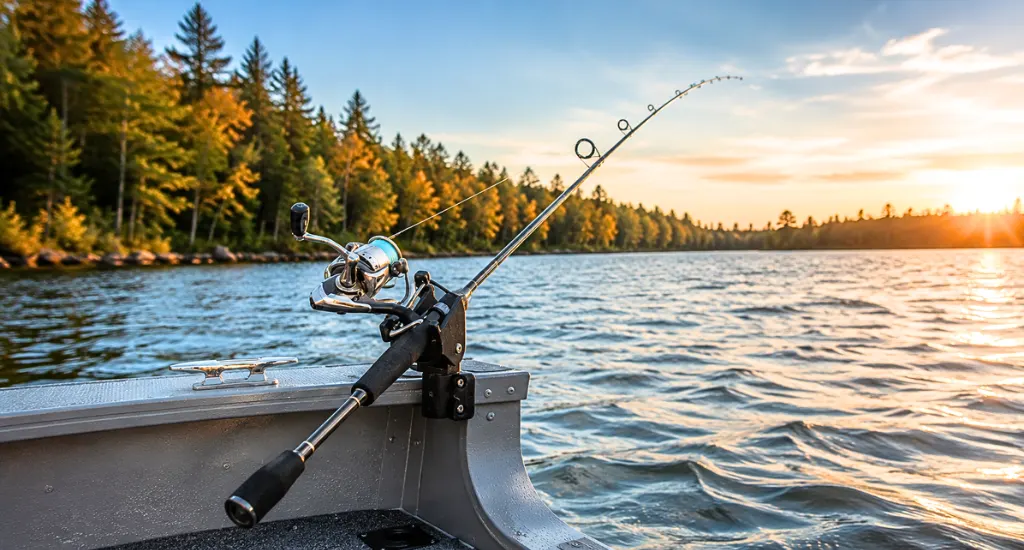
Shad gear works best when it stays simple. Build a setup that reaches the lane fast and swings clean. Prioritize depth control first, then fly color, then retrieve tweaks. Shad runs are a casting game, so comfort and consistency matter.
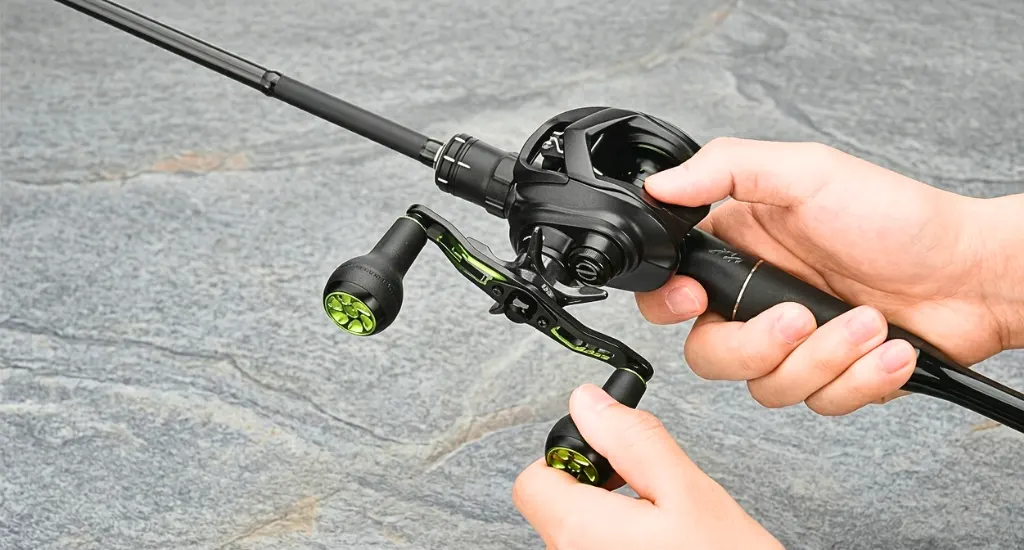
- 6-weight fly rod (8.5 to 9 feet): Best all-around shad rod; handles sink tips, mends well, and fights 18 to 28-inch fish.
- Medium-fast action: Best blend for casting sink lines; loads smoothly and still drives hooks in current.
- Matched fly reel with smooth drag: Best tension control; prevents break-offs when shad surge and roll in heavy flow.
- Sinking line (intermediate or Type III to VI): Best depth tool; gets flies into travel lanes and stays there through the swing.
- Short leader (4 to 6 feet): Best contact and sink rate; long leaders ride high and kill depth on sinking lines.
- Tippet choice (4X to 6X or 15 lb mono): Best match for pressure and current; go light for clear water, heavier for faster landings.
- Proven shad flies (#4 to #8): Best hook range; carry Shad Dart, small Clouser Minnow, plus pink and chartreuse staples.
- Wading belt and stable boots: Best safety and endurance; shad fishing means long stands in current and constant swinging.
Common Mistakes and How to Avoid Them

Shad mistakes usually come from one thing: not fishing deep enough. Fix depth, timing, and hook pressure, and your hookup rate climbs fast.
1) Using the wrong line type. Choose an intermediate or sinking line because floating lines do not work for most shad swings. Use the line that lets you reach the strike zone, not the line that feels easiest to cast.
2) Fishing above the fish. Get “bottom ticking heavy” because shad holds low in the run. Add weight, use a faster sink rate, and mend for sink time until you feel occasional taps on the bottom.
3) Retrieving too fast. Slow down because the shad often grab on the swing and during short strips. Start with a steady swing, then add small pulses only after you are consistently ticking bottom.
4) Setting the hook too hard. Set with control because shad mouths are soft. Lift and tighten, then keep steady pressure instead of cracking them like a bass.
5) Missing the run window. Wait for 50°F water because the bite improves when temperatures reach the 50s. Track river temps and flows so you do not start too early.
Conclusion
Fly fishing for shad is simple in concept and strict in execution. Put the fly near the bottom, cover current seams with a clean downstream swing, and stay patient because it really is a casting game. Time your trip around the spring run and the 50°F water mark, then match your gear with a 5 to 7-weight, a sink-tip or intermediate to type III-VI line, and short leaders built for depth control.
Keep flies bottom-ticking heavy in chartreuse and pink, fight them smoothly through jumps, and release them fast so the run stays strong. For more expert fishing guides, tips, strategies, and seasonal updates, follow All for Fishing.
FAQs
What water temperature starts the shad run bite?
50°F is the practical trigger. Bites improve fast once the water holds 50 to 65°F.
What fly rod weight is best for spring shad?
A 6-weight is the best all-around choice. Use 5-weight low water, 7-weight wind, or heavy tips.
Do I need a sinking line for shad on the fly?
Yes. Intermediate or Type III to VI lines keep flies in the travel lane.
What are the best shad flies and colors?
Shad Darts, small Clousers, and sparse streamers. Chartreuse and pink produce best in stained spring water.
Where should I stand to swing flies for shad?
Fish moderate current lanes, inside bends, and tailouts. Target seams and soft edges, not heavy fast water.