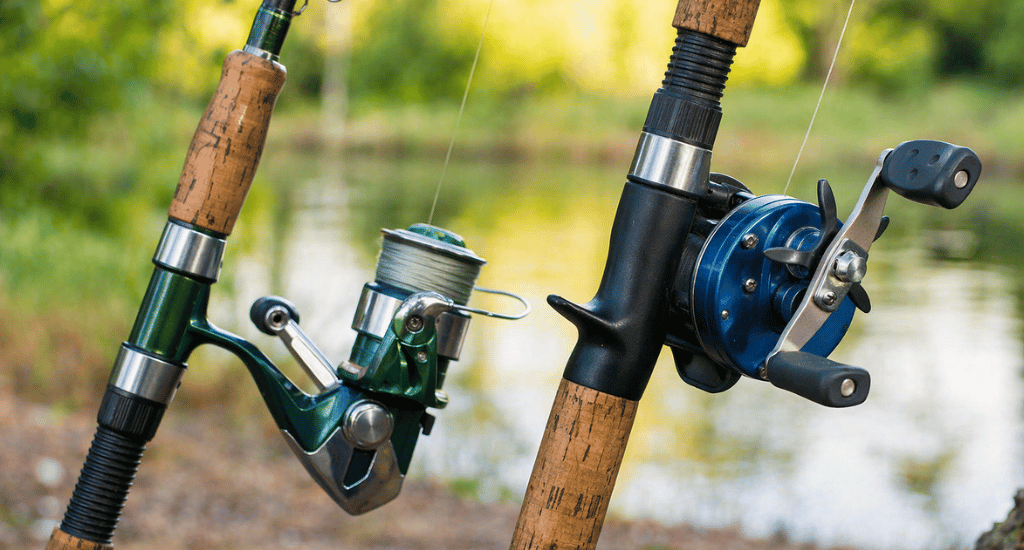
Open-face reels use an exposed spool with a bail arm, while closed-face reels hide the spool inside a cover with a push-button system. This design creates clear differences in casting distance, control, and overall performance for most fishing situations.
Open vs closed face fishing reel differences often confuse beginners who want something simple but also need good results later. Closed-face reels feel easy at first use, yet they limit distance and long-term value. Open-face reels need a little practice, yet they give better control, strength, and durability.
This open vs. closed-face fishing reel guide will explain key differences, real use cases, and help you choose the right reel with full confidence.
What Is an Open-Face Fishing Reel?
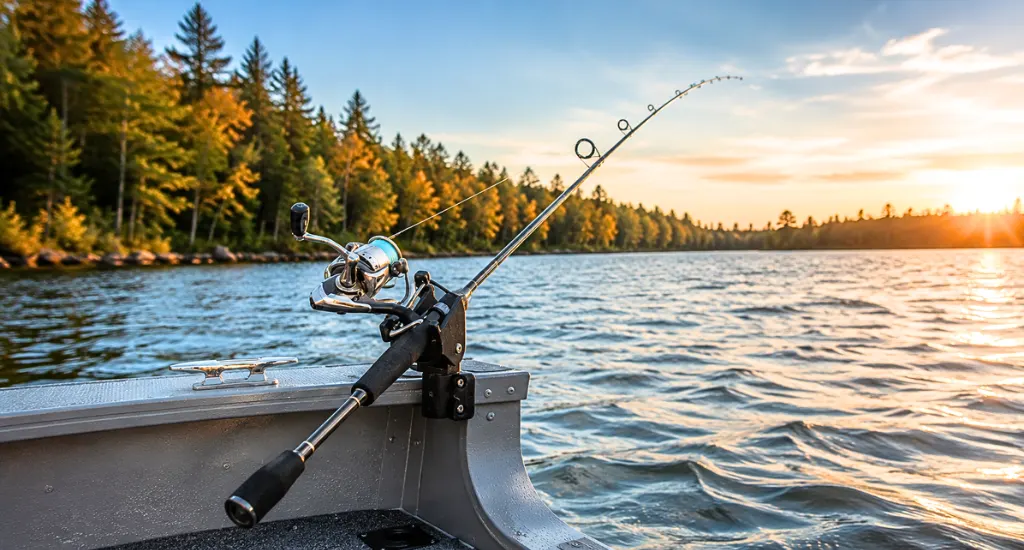
An open-face fishing reel, also called a spinning reel, has a visible spool at the front. The line comes off freely during a cast, which helps improve distance and smooth release.
This reel uses a bail arm to control the line during casting and retrieval. You flip the bail before a cast and close it after the line lands. The drag control usually sits on the front or top area, which helps adjust pressure on the fish.
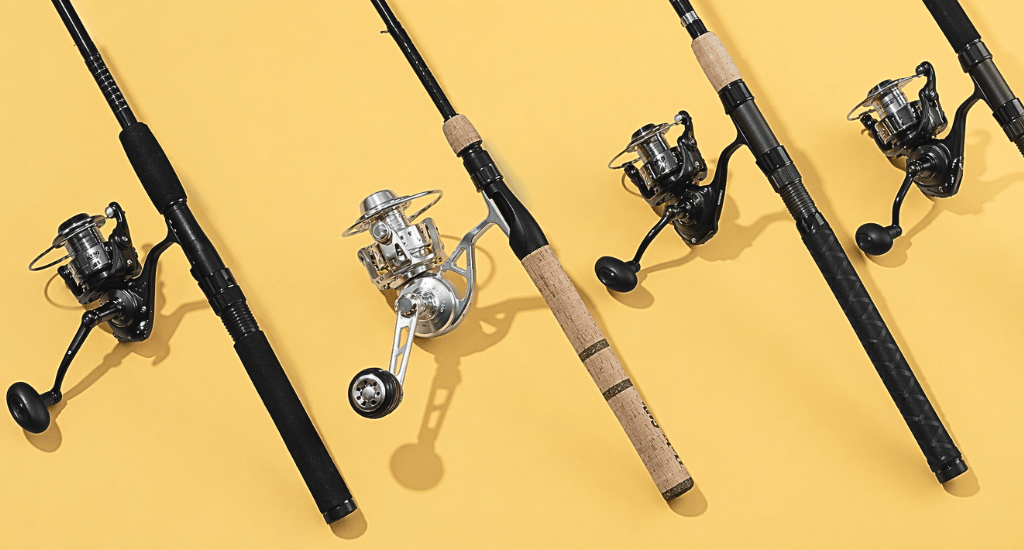
Many anglers prefer this reel because it works well in most fishing situations. It handles light to medium lures with ease and gives better casting distance. Beginners can learn it with practice, and experienced anglers rely on it for long-term use.
What Is a Closed-Face Fishing Reel?
A closed-face fishing reel, also called a spincast reel, keeps the spool hidden inside a protective cover. The line comes out through a small hole at the front during each cast.
This reel uses a push-button system that controls the line release and stop. You press and hold the button, then release it during the cast for smooth line flow. The simple design reduces early mistakes and makes the setup easier for new users.
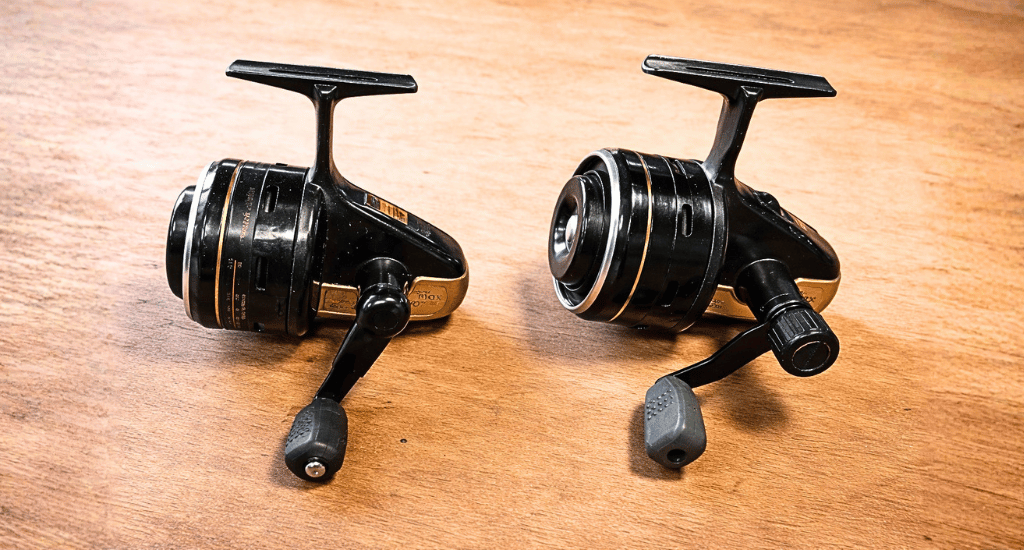
Many beginners prefer this reel because it feels simple right from the first use. It works well for kids and casual anglers who fish in small areas. The reel suits short-distance casting and light fishing situations where ease matters more than performance.
Open vs Closed Face Fishing Reel: Core Differences
Clear differences between these two reels shape your fishing results in many situations. First, you should check the core points in the table below, then read the short explanations that show how each feature affects real use.
| Feature | Open Face (Spinning) | Closed Face (Spincast) |
|---|---|---|
| Ease of Use | Moderate | Very Easy (push-button) |
| Casting Distance | Long (20-50% farther) | Short |
| Accuracy | Good | Limited |
| Line Capacity | High | Low |
| Durability | Long-lasting | Wears out faster |
| Versatility | Very High | Very Limited |
| Maintenance | Moderate | Low (but less serviceable) |
Ease of Use
Closed-face reels feel simple from the first cast because of the push-button system. Open-face reels need some basic practice with line control and bail use, yet most anglers gain comfort after a few fishing trips.
Casting Distance
Open face reels allow the line to flow freely, which helps achieve longer casts with less effort. Many anglers report around twenty to fifty percent more distance compared to closed-face reels in similar fishing conditions.
Accuracy
The open-face reels offer better control during casting, which helps place the bait closer to the target area. Closed-face reels limit this control, so casts may land off target, especially when distance or wind becomes a factor.
Line Capacity
Open-face reels hold more fishing line, which helps during longer casts and when fighting stronger fish. Closed-face reels have limited space inside the cover, so they suit only light fishing with shorter casting needs.
Durability
Some open-face reels last longer because their parts are stronger and easier to maintain over time. Closed-face reels wear out faster since internal parts stay enclosed and often face more stress during regular use.
Versatility
Open-face reels work well in many fishing styles, from small freshwater setups to light saltwater use. Closed-face reels suit only basic situations, which limits their use once an angler gains more experience.
Maintenance
Common open-face reels need regular care, like cleaning and proper line setup, for best performance. Closed-face reels need less daily care, yet repairs become difficult because most internal parts stay hidden inside the reel body.
Pros and Cons of Open Face vs Closed Face Reels
Every reel type has strong and weak points that affect real fishing results in different ways. This section will break down the main advantages and limitations, so you can decide which reel fits your needs better.
Open Face Reel Pros
Open-face reels offer strong performance in many fishing situations, which makes them a popular choice for most anglers. These reels provide better control, longer casts, and reliable use over time.
- Longer casting distance helps reach fish that stay far from the shore.
- Works well with light to medium lures for better presentation.
- A strong build allows for longer use with proper care.
- Suitable for many fishing styles and different water conditions.
Open Face Reel Cons
Open-face reels need some practice before you feel comfortable during casting and line control. Small mistakes can lead to minor issues, which may frustrate beginners during early fishing trips.
- Requires basic skills to handle bail and line release properly.
- Line twist can happen if the reel setup or use is incorrect.
Closed Face Reel Pros
Closed-face reels focus on ease and comfort, which makes them ideal for beginners and casual anglers. The simple design helps reduce early mistakes and allows quick use without much practice.
- The push-button system makes casting very simple for new users.
- Good choice for kids and first-time anglers.
- The enclosed design helps reduce line tangling during normal use.
Closed Face Reel Cons
Some closed-face reels limit performance in many ways, which affects long-term use and fishing results. These reels suit only basic situations and may not meet the needs of experienced anglers.
- Short casting range makes it harder to reach distant fish.
- Limited strength and line capacity reduce overall performance.
- Parts wear out faster compared to open-face reels.
- Not suitable for advanced fishing or heavy-use situations.
When Should You Choose Each Reel?
The right reel depends on your fishing goals, skill level, and how often you plan to fish. Clear use cases can help you avoid confusion and pick a reel that matches your real needs on the water.
Choose Open Face (Spinning Reel) If
Open-face reels suit anglers who want better performance and long-term value from their gear. This reel type works well across many fishing styles and gives more control during each cast.
- You want a longer casting distance to reach fish in wider areas.
- You plan to fish regularly and improve your skills over time.
- You need one reel that works in different fishing situations.
- You want gear that stays reliable and lasts for many years.
Choose Closed Face (Spincast Reel) If
Closed-face reels suit beginners who want a simple and stress-free fishing experience. This reel type mainly focuses on ease of use and works best in basic fishing situations.
- You are a complete beginner with no prior fishing experience.
- You want a quick setup without learning many steps.
- You fish occasionally and do not need advanced performance.
- You prefer simple operation over distance, control, or long-term use.
If you’re planning to level up your reel control, you can also read this guide on using a reel without an anti-reverse trigger.
Final Thought
When comparing open vs closed face fishing reel options, the difference becomes clear with experience. Closed-face reels feel simple and easy during the first few fishing trips, but they limit casting distance, strength, and long-term use. Open face reels take a bit of practice, yet they offer better control, longer casts, and stronger overall performance.
For most anglers, open-face spinning reels make a better long-term choice. Beginners can start with a closed-face reel, then move to an open-face setup for improved results and greater confidence on the water.
FAQs
What is the main difference between open-face and closed-face fishing reels?
Open-face reels use an exposed spool for longer casts and versatility, while closed-face reels use a push-button enclosed system for easier operation but shorter casting distance.
Are closed-face reels good for beginners?
Yes, closed-face reels are ideal for beginners because of their push-button design, making casting simple. However, most anglers switch to open-face reels as they gain experience.
Do open-face reels cast farther than closed-face reels?
Yes, open-face spinning reels typically cast 20-50% farther due to less friction and better line release compared to closed-face designs.