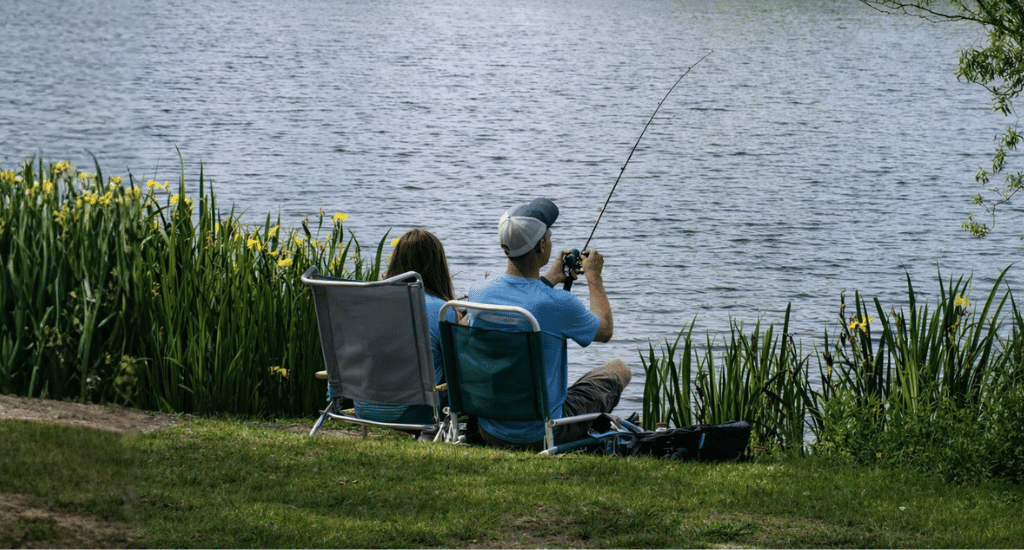
Cast your line, watch the water, and feel the quiet thrill of a lake right from the shore. How to fly fish a lake from shore is easier than most anglers think, and boats are not a must.
Shore fishing lets you enjoy every corner of a lake without extra gear or costs. It works for small or large lakes, and beginners can start with simple rods and flies while learning the spots fish like to hide.
This guide shows where to stand, which gear fits best, and simple tricks to hook fish. Read on to master shore fishing with confidence.
Key Takeaways: How to Fly Fish a Lake from Shore
- Works well without a boat; perfect for beginners and budget anglers.
- Fish stay near weeds, rocks, drop-offs, and shade.
- Early morning, late evening, and seasonal shallow edges give the best bites.
- Use 4-7 weight rods, floating/intermediate lines, and simple flies.
- Short casts, slow retrieves, and moving along shore beat long casts.
Lake Fish Behavior from Shore
A calm lake hides many clues about fish movement. For anglers who want to learn how to fly fish a lake from shore, fish behavior near land matters most. Shorelines offer food, cover, and comfort. Fish follow these needs each day, not luck.
When Fish Move Close to Shore
Fish come close to shore during early morning and late evening. Low light gives safety and comfort. Insects appear near the surface, and small baitfish follow. This brings active feeding close to land for shore fly fishing success.
Season also plays a big role. Spring warms shallow water faster than deep areas, so fish move in. Fall cools surface water, yet shore edges still hold food. These times favor anglers who focus on timing, not distance.
Shoreline Structure That Holds Fish
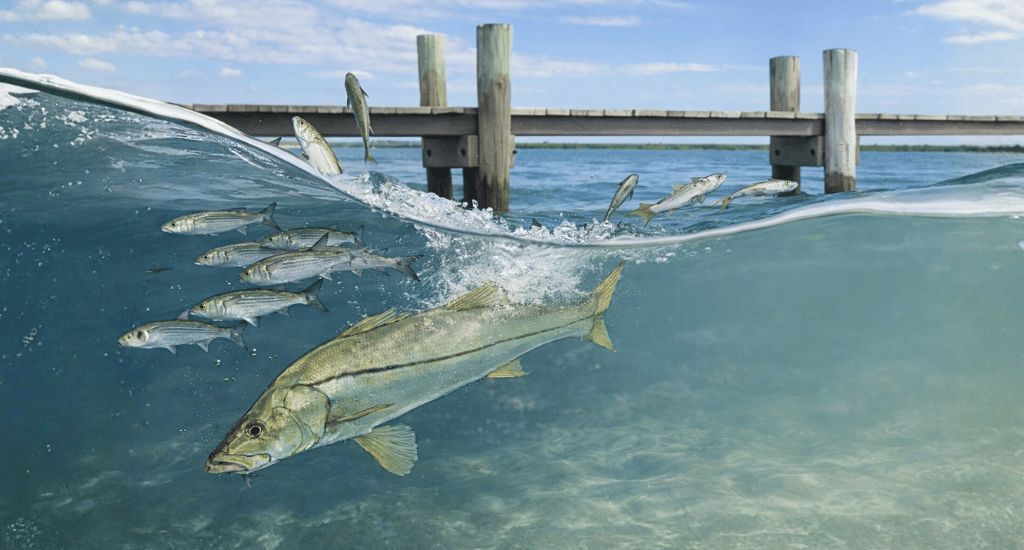
Structure gives fish protection and food. Weed beds offer shade and attract insects. The edges of weeds work best since fish patrol these lines. Rocky banks and riprap create small shelters where fish rest between feeding runs.
Drop-offs near shore matter even more. Fish feed shallow, then slip deep when danger appears. Inlets, outlets, and creeks bring fresh water, oxygen, and food. These spots stay productive for fly fishing lakes from shore.
Why Location Matters More Than Fly Choice
Fish stay where comfort exists. A perfect fly placed in empty water brings no action. Shore anglers succeed by reading depth, light, and structure first. Once the location feels right, simple flies work well and draw steady strikes.
Fly Fishing Techniques for Shoreline Lake Fishin
Shore fishing in lakes works well if you use simple techniques. Fly fishing techniques for shoreline lake fishing focus on how you cast, move your fly, and adjust for different water depths to tempt fish from the shore.
Casting and Presentation from Shore
Shorelines often have trees, rocks, or bushes behind you. Use roll casts or sidearm casts to stay clear of obstacles. Move slowly and quietly so fish near shallow water do not get scared.
Retrieves That Work from Shore
Try a slow hand-twist retrieve to imitate small insects or baitfish. The strip-pause method can trigger strikes from cautious fish. Adjust your retrieve speed depending on light, water temperature, and fish activity to increase bites.
Fishing Different Water Depths from Shore
Shallow water works well in early mornings or evenings. Fish near drop-offs or edges for more action. Using the right fly line and casting method helps control how deep your fly goes, letting you reach fish hiding below the surface without extra gear.
Gear and Flies for Fly Fishing a Lake from Shore
Shore fishing works best when you have the right gear. Gear and flies for fly fishing a lake from shore help you reach fish, keep control of your line, and present flies naturally without a boat.
Best Fly Rod, Line, and Leader Setup
Use a 4- to 7-weight rod, about 9 to 10 feet long, for most lakes. Floating lines work well for dry flies, while intermediate lines reach deeper fish. A 9-12-foot leader keeps the fly natural in the water.
Best Flies for Shore Fly Fishing
Dry flies work in calm water and sunny conditions. Nymphs give consistent action below the surface. Streamers cover more water and attract larger fish. Match fly color and size to local insects or small baitfish.
Essential Accessories for Shore Anglers
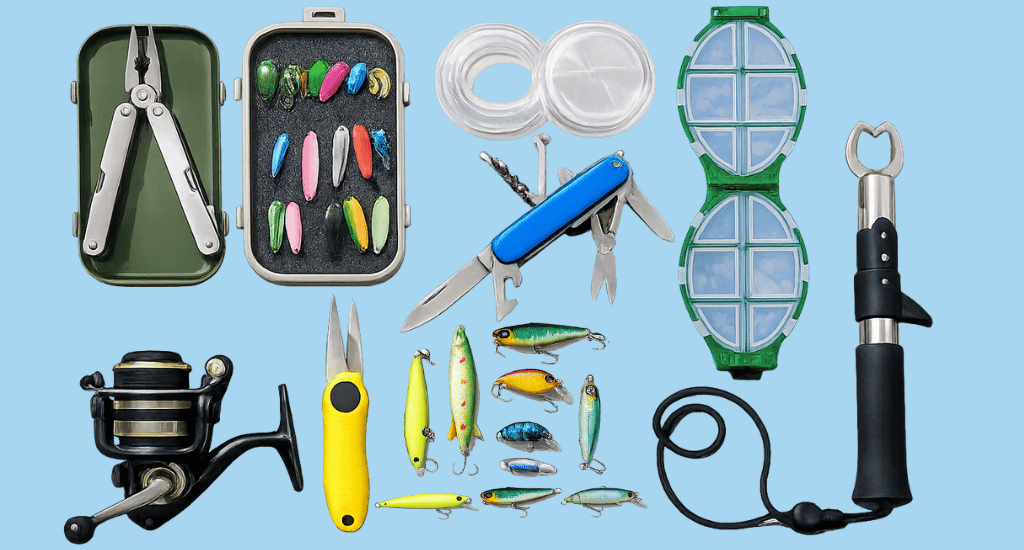
Polarized sunglasses reduce glare and help you see fish. A stripping basket keeps lines from tangling. Waders or wet-wading depend on comfort and lake depth. Travel light to move easily along the shore without disturbance.
Where to Fly Fish a Lake from Shore
A lake has no current, yet fish still follow patterns. Shore anglers must read water by shape, depth, and light. The right place often matters more than the fly tied to your line.
Best Shore Fishing Spots to Target
Points and peninsulas push into deeper water and attract fish that patrol edges. Shallow flats near deeper areas give fish space to feed and escape. Wind-blown shores gather food and oxygen. Shade lines and overhanging plants offer cover and comfort during bright hours.
- Focus on water that changes depth
- Cast along edges, not straight out
- Watch wind direction and shadows
Moving vs Staying in One Spot
Fan-cast an area when fish seem active or when structure looks strong. Walk the shoreline if no strikes come after several casts. Slow movement helps you cover water without noise or stress.
- Cast in a wide arc before moving
- Take short walks between spots
- Spend more time where bites happen
Conclusion
Fly fishing a lake from shore is effective, simple, and rewarding for anglers of all skill levels. Many fish move close to shore to feed, rest, and follow food. A boat is not required to enjoy steady action and calm moments on the water.
Success comes from strong location choice, good timing, and the right retrieve speed. Stay mobile, observe water depth and light, and trust short casts. Visit local lakes, explore the shoreline, and enjoy fly fishing without extra gear or cost.