One small loop can change how your fly acts in water. A fly line loop knot links your fly line and leader with a neat loop that stays strong and smooth. This tiny knot plays a big role in control and feel.
Loop-to-loop links add speed and ease on the river. You can swap leaders fast, save time, and keep good control. The loop lets nymphs and streamers move freely and sink faster.
This guide shows how to tie a fly line loop knot and where it helps most. You will learn key benefits, common errors, and other loop options, so read on and build a better setup.
What Is a Fly Line Loop Knot?
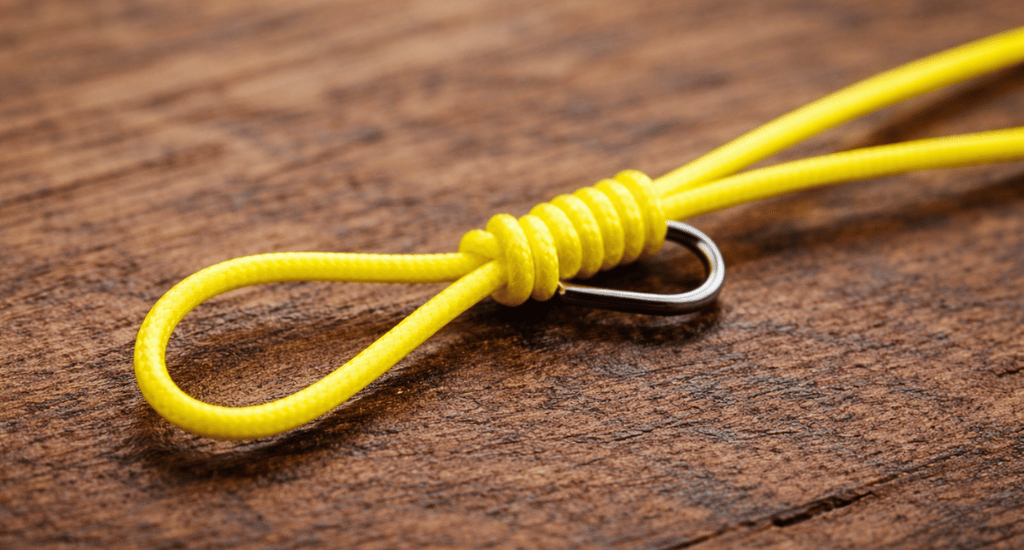
A fly line loop knot is a small loop tied at the end of a fly line. This loop connects the fly line to a leader with a loop-to-loop link. The main purpose stays simple. It creates a strong join that stays smooth during casting and helps the fly move in a natural way.
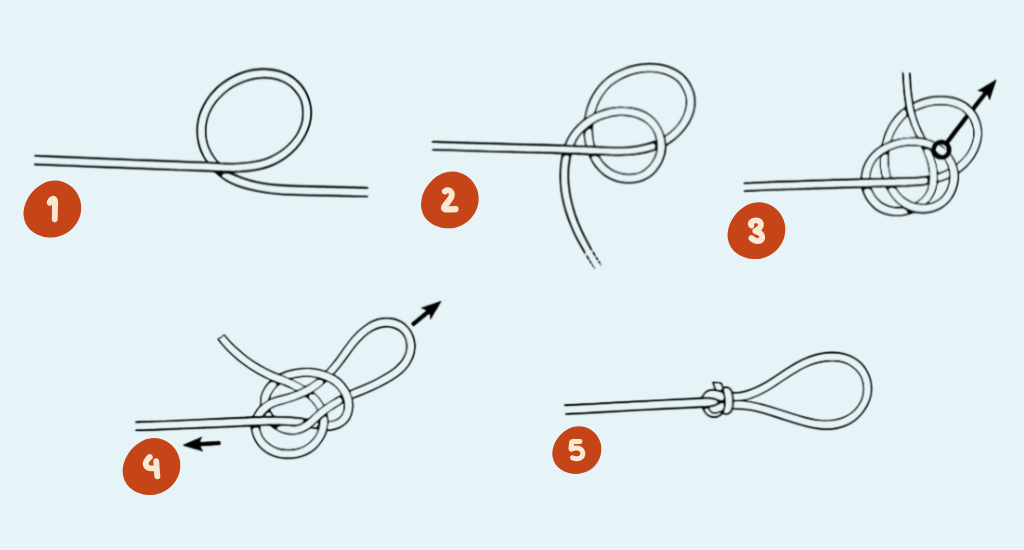
This loop also helps flies act better in water. Nymphs and streamers gain more freedom, so they drift and sink with ease. The loop bends instead of staying stiff, which adds life to the fly.
Factory loops come ready on some fly lines. These loops feel neat and even. Hand-tied loops use knots like the perfection loop or nail knot loop. They offer more control and suit lines without built-in loops.
Why Use a Loop Knot on a Fly Line?
A loop knot on a fly line makes fishing simple and smooth. The biggest help comes from fast leadership changes. You can remove an old leader and add a new one in seconds. This saves time on the water and keeps your focus on fishing.
The loop also helps energy pass well from the rod to the fly. When you cast, the power moves clean through the line and leader. This leads to better line control and steady fly placement.
A loop knot also protects your fly line over time. Hard knots can cut into the line coating. A loop spreads the pressure and lowers damage. This helps your line last longer and stay strong.
Main benefits of a loop knot:
- Fast leader changes: swap leaders without cutting the fly line.
- Better energy transfer: smooth flow of power during casts.
- Reduced line wear: less stress on the fly line coating.
Step-by-Step: How to Tie a Fly Line Loop Knot
A clean loop knot gives strength and smooth flow. This method suits most fly lines and works well for trout, bass, and saltwater fishing. Each step stays simple and clear, so even new anglers can tie a strong loop with ease.
Gear Needed
You need only a few basic items to tie a fly line loop knot. Each tool plays a clear role and helps the knot stay neat and strong.
- Fly line: the main line from your reel.
- Sharp scissors or clippers are used to cut the line clean.
- Nail or thin tube: helps form a tidy loop.
- Strong thread or fine mono: used to lock the loop in place.
- Knot glue or clear cement adds extra strength and seals the knot.
Step 1: Prepare the Fly Line
Cut the end of the fly line straight with sharp scissors. Check the coating near the tip. Remove any cracks or rough parts. A clean and smooth end helps the loop stay strong and neat.
Step 2: Form the Loop
Bend the fly line back toward itself to create a loop. Keep the loop small, about the width of a finger. Small loops pass rod guides easily and hold better strength during casting and fish fights.
Step 3: Place the Nail
Place a nail or thin tube along the folded line. Hold it tight with one hand. This tool keeps the loop shape steady and helps guide clean wraps around the fly line.
Step 4: Wrap the Thread
Wrap the thread around the doubled fly line and nail. Make tight and even turns. Each wrap should touch the next one. Neat wraps add strength and stop the loop from slipping.
Step 5: Secure the Wraps
Slide the wraps off the nail with care. Pull both thread ends slowly and firmly. The wraps should grip the fly line well. Check for gaps and press them tight with your fingers.
Step 6: Seal the Knot
Add a small drop of knot glue or clear cement to the wraps. Spread it lightly. Let it dry fully before use. Test the loop with light pulls to confirm strength and shape.
Best Loop Knots for Fly Lines
A good loop knot keeps your fly line strong and smooth. Each loop type suits a different need. Some loops tie fast. Some last longer. Some feel better for heavy flies. Below are the most trusted loop options for fly lines, with clear pros and cons.
Nail Knot Loop
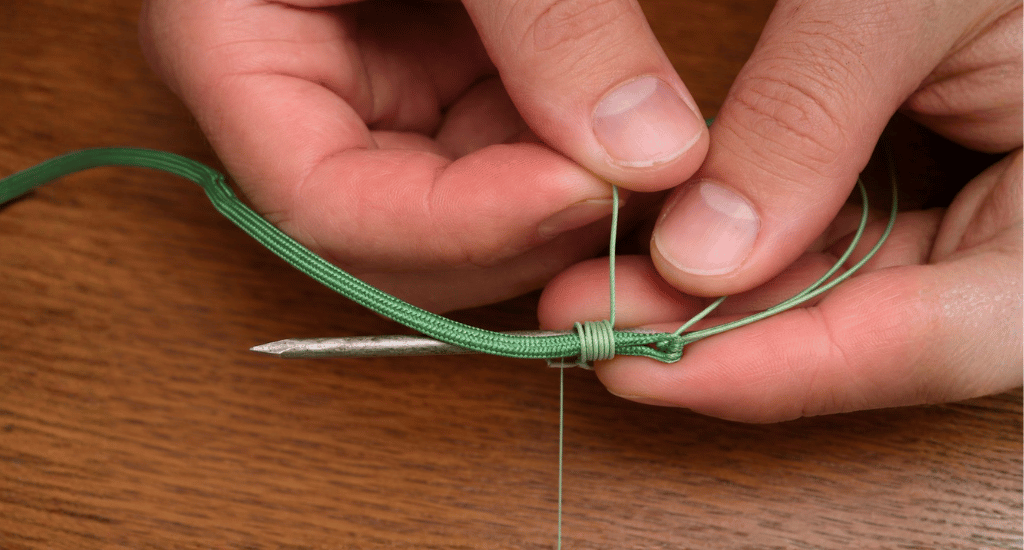
The nail knot loop forms a strong loop at the fly line tip. It works well for backing to fly line links and lines without factory loops. This loop stays slim and passes rod guides with ease.
Perfection Loop
The perfection loop ties fast and looks clean. Many anglers trust it for leaders and tippet loops. It keeps a neat shape and offers good strength. This loop suits quick leader changes and light-to-medium fly setups.
Double Surgeon’s Loop
The double surgeon’s loop stays simple and strong. It ties without tools and suits thick lines. The loop size stays easy to control. This knot works well for quick fixes on the water.
Braided Loop Connectors
Braided loop connectors slide over the fly line tip and lock in place. They feel quick and easy for beginners. These loops work well but may catch dirt or wear faster in rough water.
Pros and Cons of Each Option
Nail knot loops stay strong but need tools. Perfection loops tie fast but suit lighter lines. Surgeon’s loops stay easy but look bulky. Braided loops feel quick but need care and regular checks.
Common Mistakes When Tying a Fly Line Loop Knot
Small errors can weaken a fly line loop knot and cause trouble on the water. Many of these issues come from simple habits or a lack of care. A little attention during knot tying can save lost flies, broken leaders, and missed fish.
Making the Loop Too Large or Too Small
Loop size matters more than many anglers think. Large loops may slap the rod guides and reduce control. Very small loops feel stiff and limit fly movement. A loop about finger width offers balance and smooth flow.
Weak Coatings or Improper Sealing
Fly lines have a soft outer coating. Poor glue or no seal allows water to enter the wraps. This leads to cracks and weak spots. Always use a light coat of clear cement and allow full drying time.
Poor Knot Tightening
Loose wraps cause slipping under pressure. Gaps in the knot lower the strength and shorten the loop life. Pull each wrap firm and check the grip before fishing. A tight knot stays clean and steady during strong casts.
Ignoring Line Type Compatibility
Not all fly lines act the same. Floating lines, sinking lines, and coated lines need proper loop styles. Using the wrong knot may damage the line. Match the loop method to the line type for best results.
End Note
Fly line loop knots play a key role in fly fishing. They keep the line and leader linked in a clean way. These loops help flies move freely, sink faster, and cast with better control. A good loop also saves time and protects the fly line.
Practice loop tying at home before fishing trips. Test different loop styles and sizes. Match the loop to your fly type and water depth. Simple care and the right loop choice can improve every cast.
FAQs
What is the strongest loop knot for a fly line?
The nail knot loop is the strongest loop knot for a fly line. It grips the line firmly and stays slim. This knot handles strong pulls well and suits backing to fly line links without factory-welded loops.
Can you tie a loop knot on any fly line?
Yes, you can tie a loop knot on most fly lines. Lines without welded loops work best with hand-tied loops. You must match the knot style to the line coating and stiffness to avoid damage.
Are braided loop connectors good for fly fishing?
Yes, braided loop connectors help beginners and save time. They slide onto the fly line and form a ready loop. These connectors require regular checks, as dirt and wear can reduce their strength over time.