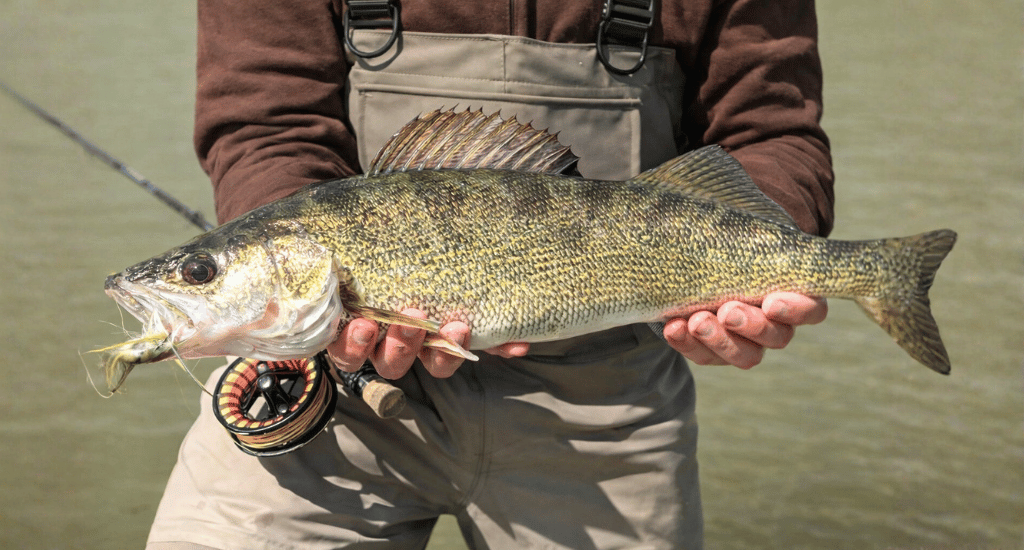
Silver flashes along rocky points and drop-offs signal the thrill of fly fishing for walleye. These bottom-hugging predators require slow, careful retrieves and precise presentation, with dawn, dusk, and cloudy days offering the best chances for a strike.
Success depends on the right gear. A 7-9 weight rod, fast-sinking line, and a short fluorocarbon leader help your fly reach the depths where walleye feed. Streamers, leech patterns, and bucktails in natural or bright colors mimic baitfish and tempt even the wariest fish.
This guide will show you how to locate walleye, choose effective flies, and master retrieves and hook-setting. Keep reading to learn how to consistently catch walleye on a fly.
Techniques for Fly Fishing for Walleye
Mastering techniques is crucial for fly fishing for walleye, as these fish are often subtle biters near the bottom. Using the right retrieve, hook-setting method, and rod action significantly improves your chances of a successful catch. Proper execution ensures your fly mimics natural baitfish, enticing walleye to strike even in challenging conditions.
Retrieve
A slow, rhythmic retrieve is essential. Use the “strip-pause-jig” method to imitate dying baitfish near the bottom. Adjust speed depending on water depth and current.
- Strip-Pause-Jig: Pull line slowly, pause briefly, then give a short twitch.
- Slow Continuous Strip: Keeps the fly moving steadily near the bottom.
- Twitch and Drift: Small twitches during pause mimic struggling prey.
Hook Setting
Walleye often take the fly subtly, so timing and strength are critical when setting the hook.
- Solid Pull: When the strike feels heavy, lift the rod sharply.
- Follow the Fish: Keep tension to avoid losing the fish.
- Gentle Adjustments: If the strike is light, slightly tighten before setting.
Rod Action
The rod technique controls fly movement and helps prevent shaking off a hooked walleye.
- Bent Rod: Keep the rod bent to maintain tension.
- Lift and Lower: Smoothly adjust height to mimic prey movement.
- Absorb Shocks: Use the rod’s flex to handle sudden strikes or runs.
Gear Needed for Walleye Fly Fishing
Having the right gear is essential for fly fishing for walleye, as these bottom-hugging fish require flies to reach deep waters and precise control to tempt strikes. Proper equipment makes fishing more efficient and enjoyable.
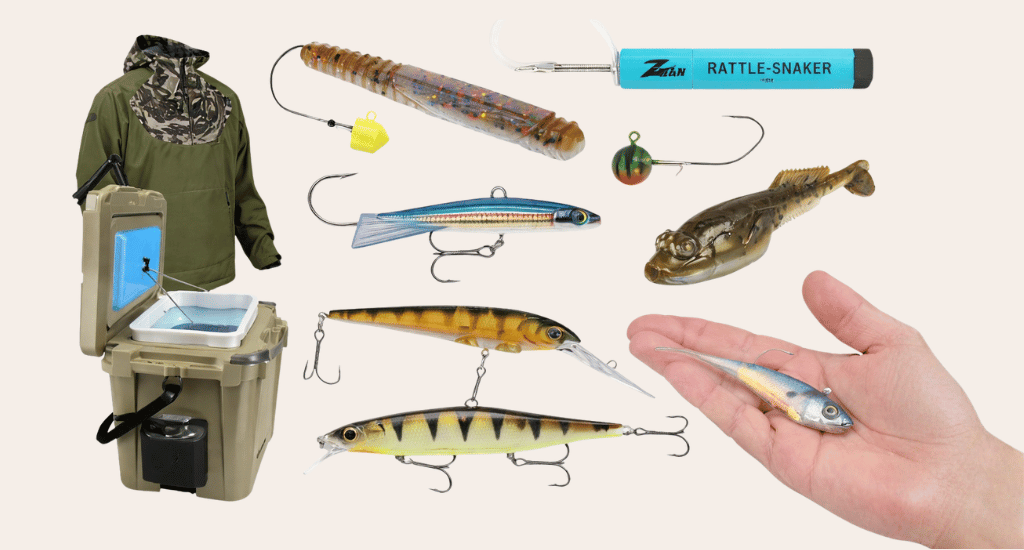
- Fly Rod: 7-9 weight rods work best, offering strength for long casts and handling walleye strikes.
- Fly Line: Fast-sinking lines (Type V-VII) help your fly reach depths where walleye feed.
- Leader: 10-15 lb fluorocarbon, shortened to 3-6 ft, ensures the fly stays near the bottom and resists abrasion from rocks and debris.
- Flies: Streamers, leech patterns, and bucktails in natural or bright colors mimic baitfish and attract walleye. Effective choices include Clouser Minnows, Woolhead Sculpins, and Bunny Strips.
- Terminal Tackle: High-quality hooks, split shots, or small indicators can improve presentation without spooking fish.
- Optional Gear: Polarized sunglasses to see structure and fish, and a net to safely land walleye.
Effective Walleye Flies and Patterns
Choosing the right fly is crucial for fly fishing for walleye, as these fish respond to movement, color, and size. Effective patterns mimic natural prey and attract strikes even from wary fish near the bottom. Understanding which flies work in different conditions improves your catch rate and efficiency.
Streamers: Black Woolhead Sculpin, Clouser Minnow
Streamers imitate small baitfish and sculpins that walleye feed on. Black Woolhead Sculpins and Clouser Minnows are versatile, working in both clear and stained water, especially near rocky points or submerged humps.
Leech Patterns: Black, Olive, Natural Shades
Leech patterns excel in low-light conditions or murky water. Colors like black, olive, and natural shades imitate leeches or small prey drifting near the bottom, triggering strikes from walleye lurking in deeper water.
Bunny Strips: White or Flashy Silver
Bunny Strips are effective for imitating larger baitfish. White or flashy silver colors create visibility and movement that entice walleye to strike aggressively in both lakes and slow rivers.
Other Recommendations
- EP Baitfish – Shad: Mimics shad with realistic profiles and shimmer, perfect for shallow flats.
- Mojo Minnow: Compact, flashy pattern effective near drop-offs.
- Homer Rhode’s Seaducer: Durable, versatile fly that works in multiple water conditions, ideal for late summer and early fall.
Where to Find Walleye?
Locating walleye is one of the most important aspects of fly fishing for walleye, as these fish often stay near the bottom and in structured areas. Understanding their preferred depth, seasonal movements, and behavior improves your chances of a successful catch.
- Depth: Walleye are commonly found in 8-12 ft of water, hugging the bottom near structures where prey gathers.
- Locations:
-
- Gravel Beds: Ideal for feeding, especially where the current slows and insects or small baitfish concentrate.
- Rocky Points: Walleye patrol these areas for food, making them prime strike zones.
- Submerged Humps & Drop-Offs: Fish often suspend around these features, waiting to ambush prey.
- Seasonal Tips: Early fall and late summer are prime times, as walleye move shallower to feed before colder months.
- Behavior: Walleye often travel in large schools; catching one indicates others nearby, so continue fishing the same spot to maximize success.
Advanced Walleye Fly Fishing Tips
Once you’ve mastered the basics, advanced techniques can dramatically improve your success with fly fishing for walleye. These tips focus on understanding fish behavior, water structure, fly selection, and presentation to consistently land more walleye in various conditions.
Timing and Light Conditions
Walleye are most active during low-light periods. Dawn, dusk, and overcast days increase feeding activity, making strikes more frequent. Adjust your fishing schedule to match these windows for maximum success.
Water Structure Strategy
Targeting the right structure is key. Gravel beds, rocky points, submerged humps, and drop-offs concentrate walleye. Focus on areas where the current slows, or prey gathers, and cast repeatedly to likely holding spots.
- Gravel Beds: Prime feeding zones for baitfish and insects.
- Rocky Points: Fish patrol these areas for ambush opportunities.
- Submerged Humps: Walleye often suspend here, waiting for prey.
- Drop-Offs: Deep edges provide easy hunting zones.
Fly Selection and Matching Prey
Use flies that mimic local forage. Streamers, leech patterns, and bucktails in natural or flashy colors work best. Changing colors and patterns throughout the day can trigger strikes when fish are selective.
- Bright Colors: Flashy silver or white attracts attention in murky water.
- Natural Colors: Olive, black, or brown imitate local prey in clear conditions.
Retrieve Techniques
Employ the strip-pause-jig retrieve to mimic dying baitfish. Adjust speed and pause length depending on depth, current, and fish activity. Short, rhythmic strips often outperform long, continuous pulls.
Hook Setting and Rod Control
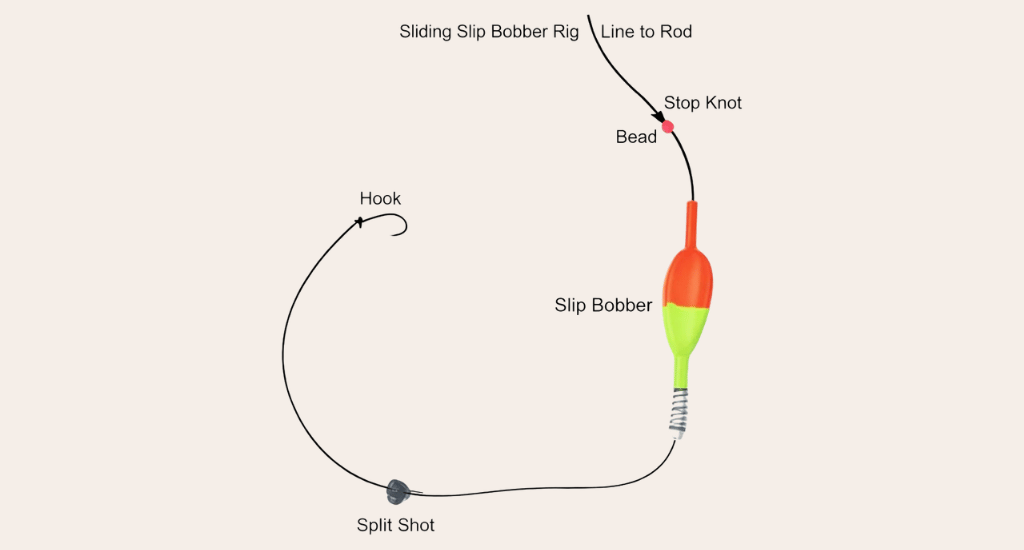
Walleye strikes can feel subtle. Keep rod bent, maintain tension, and set the hook with a firm, controlled pull. Smooth rod action absorbs shocks from sudden runs, preventing lost fish.
End Note
Fly fishing for walleye is a unique and rewarding experience, combining skill, patience, and strategy. Success depends on having the right gear, understanding water structure, and selecting flies that mimic local prey effectively.
Observing fish behavior and experimenting with retrieves can make all the difference on the water. Remember, walleye often strike subtly, so persistence is essential. Stay patient, adjust your approach as needed, and each cast brings a new opportunity to land these elusive, exciting fish.
FAQs
What is the best fly rod for walleye?
The best fly rod for walleye is a 7-9 weight rod paired with a fast-sinking line. This combination allows your fly to reach bottom-hugging fish and handle strikes effectively.
Can you catch walleye on a fly?
Yes, you can catch walleye on a fly, particularly near structure like rocky points, gravel beds, and drop-offs. Using slow, rhythmic retrieves increases your chances of enticing strikes from these often subtle feeders.
What are the best flies for walleye?
The most effective flies for walleye include streamers, leech patterns, and bucktails, along with Clouser Minnows, Woolhead Sculpins, and Bunny Strips. Choosing colors that mimic local baitfish improves success.