
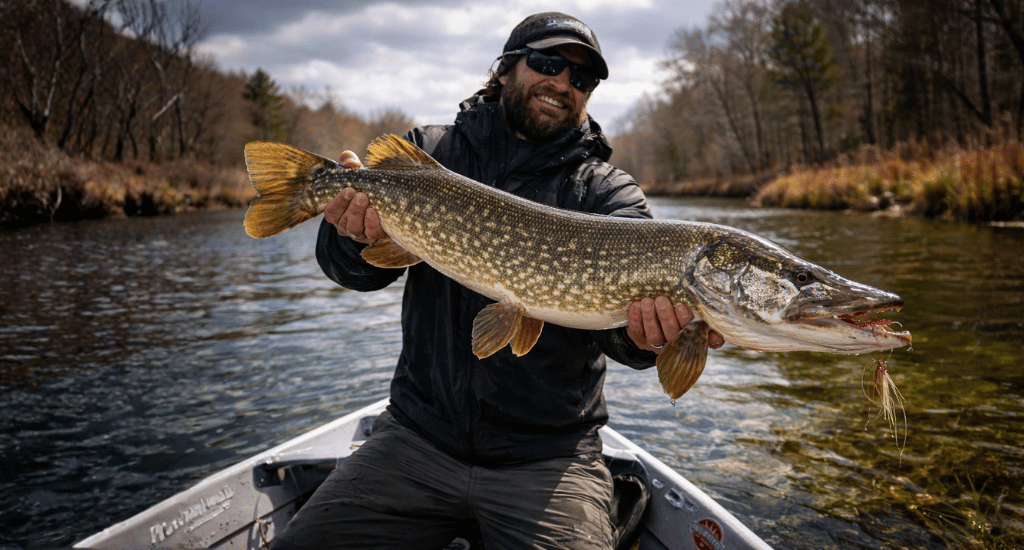
Fly fishing for pike involves using heavy tackle (9-10 weight rod) and large, flashy flies (streamers, poppers) on floating or sinking lines, with a necessary steel or heavy fluorocarbon leader to handle their sharp teeth, targeting shallow weedy areas or drop-offs, and using a stripping retrieve with a firm hookset to trigger aggressive strikes from these ambush predators.
Bass anglers usually adapt quickly because the hunt is familiar: work structure, change retrieves, and be ready to set hard. Pike track and follow before they eat, so every cast can turn into a close-range strike you actually see.
This guide breaks down the standard 9ft 9wt setup, line and leader choices with bite protection, proven pike fly patterns, where pike hold by season, and the retrieves and hook sets that keep fish pinned.
Understanding Pike Behavior and Habitat
Pike are ambush predators, so success comes from fishing where they live, not where you hope they are. Focus on edges, cover, and depth changes, because pike use structure to trap baitfish.
Time your approach by season, because pike shift from shallow spawning zones to summer weed beds, then slide to fall feeding routes and winter holding water. Expect the best action when conditions push bait shallow, because pike follow food more than anything.
Seasonal Pike Patterns
Spring pike fishing shines in skinny water because warming bays and backwaters draw fish into spawn and recovery areas. Fish slower and tighter to cover, because spring pike often sit still and strike when a fly hangs in their lane.
Summer pike fishing works well because weed beds create shade, oxygen, and ambush corridors.
Yes, you can fly fish for pike in summer, and the best targets are pockets, inside turns, and outside weed edges.
Fall pike fishing peaks on feeding runs, because pike get aggressive before winter and roam drop-offs, points, and weed edges. Winter pike fishing is possible but tougher because fish move less and hold deeper, so slower retrieves and fewer high-percentage spots matter.
Prime Pike Habitats and Structure
Weed edges hold pike consistently because they provide cover plus a clear strike lane. Target lily pads, submerged vegetation, docks, and flooded timber, because pike pin bait against anything they can hide beside.
Prioritize drop-offs because pike patrol breaklines where shallow water meets deep water. Focus on slower water in rivers, because pike sit on soft seams, back eddies, and calm side pockets near current.
Shore fishing works best on structure you can reach, so pick points, weed lines, creek mouths, and any bank that quickly drops into deeper water.
Key conditions to stack in your favor:
- Water temp: 55 to 65°F stays prime for activity.
- Feeding times: Dawn and dusk trigger more shallow hunts.
- Weather: Stable days fish better, cold fronts often slow the bite.
Essential Fly Fishing Gear for Pike
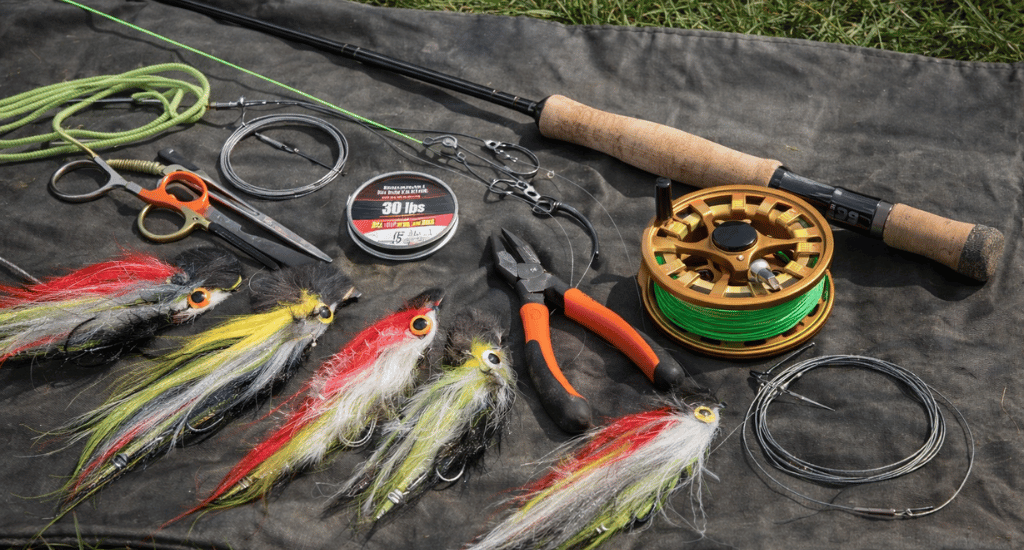
A solid pike setup starts with three things: a 9-foot 9-weight rod, an intermediate fly line, and a bite-proof leader. That combo casts big flies, tracks at pike depth, and survives teeth. Use heavier or lighter only when conditions push you there, like wind, extra-large flies, or smaller waters.
Fly Rods for Pike Fishing
A 9-foot 9-weight is the standard tool for pike, because it drives hooks and turns fish fast. A fast-action rod helps most, because pike flies are bulky and wind-resistant. An 8-weight works fine for smaller flies and sheltered bays, because it still has backbone without feeling heavy all day. A 10-weight earns its keep because it handles giant streamers, rough wind, and big-water fish.
The “skip the meat stick” idea is half-true. A lighter rod feels fun, but it fails when you cannot punch a cast or control a fish near weeds. Use the lightest rod that still casts your fly clean and keeps pressure steady.
Fly Reels and Line Selection
A large arbor reel matters because pike runs eat line fast, and you need quick pickup. A smooth drag matters because sudden surges happen boatside, and loose drag loses fish. Backing capacity is simple: pack enough to be safe, because long runs do happen, especially in big lakes.
An intermediate line is the best fly line for pike fishing in most waters, because it rides under surface chop and stays in the strike zone. A floating line works best because it slides over weeds and lets you fish shallow bays and lily edges. A sinking or sink-tip line works best because it reaches deeper into the water column, to drop-offs and cool mid-summer water.
Use this decision guide: choose floating for weeds and skinny water, choose intermediate for general searching, choose sinking when fish hold deep.
Leaders, Tippet, and Wire Bite Protection
Bite protection is non-negotiable because pike teeth cut clean. Build leaders heavily, because turnover and abrasion matter with big flies. Start with 20–40 lb leader material, then add a short bite section.
Steel leader is the safest option, because it resists teeth on every angle. Heavy fluorocarbon can work, because it is less visible and casts smoothly, but it can still fail on a bad roll. A simple setup works: a stout butt section, a strong mid section, and a 10–14 inch steel bite tippet. Check the bite section often and replace it promptly, because a single nick can end your next fish.
Best Fly Patterns for Pike
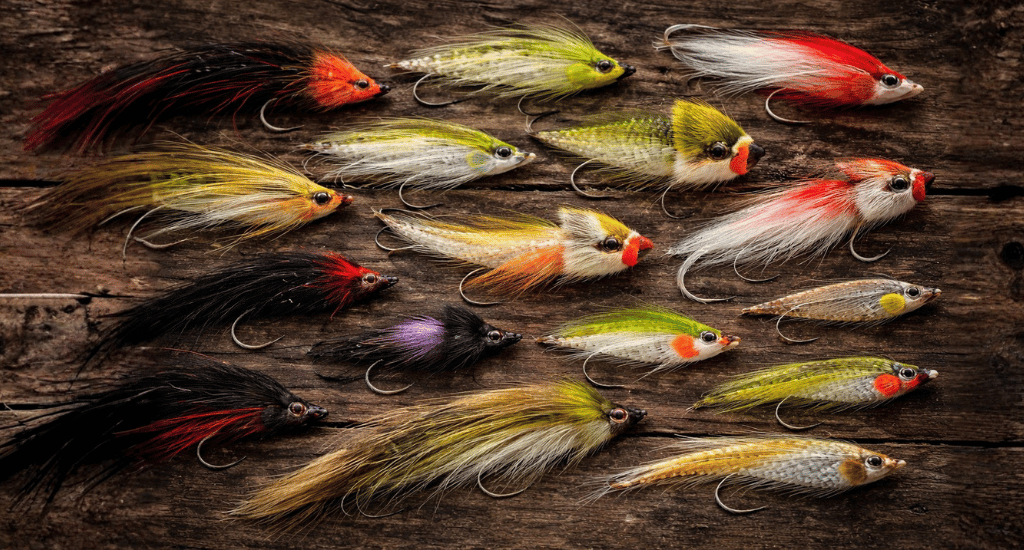
The best flies for pike fishing are big streamers and loud topwater, because pike hunt by vibration, flash, and easy meals. Start with two pike fly patterns that cover most water: a Lefty’s Deceiver for searching and a Dahlberg Diver for surface eats. Add a Clouser Minnow when you need depth fast, and fish bunny leeches when you want a slow, breathing profile.
Typical pike flies run 6 to 18 inches, but bigger is not always better. Use the smallest fly that still pushes water, because medium flies often get more takes and hook better. Pick large, flashy flies when the water is stained or the wind is chopping. Pick natural baitfish tones when the water is clear.
Use this quick comparison: Deceiver for speed and flash, Clouser for drop-offs, Dahlberg Diver for weeds and bays, bunny leech for cold fronts and slow strips. Carry the right tools, because pike teeth punish mistakes. Use a rubber-mesh landing net, polarized sunglasses, and long forceps or pliers to remove hooks. Build a starter pike kit with 3 flies, 1 net, 1 pair of pliers, and 1 spare leader.
Fly Fishing Techniques to Catch a Pike
Catching pike on the fly comes down to three things: put the fly tight to cover, make it move like prey, and stay tight on the eat. Pike are ambush fish. Your job is to make one clean shot to structure, then trigger a reaction with the right retrieve.
Casting Techniques and Presentation
Cast tight to the structure because pike hold on edges. Aim for weed lanes, lily pad pockets, submerged timber, and the first breakline on a drop-off. Use a double-haul for distance and line speed when the wind is pushing back. Keep the backcast high and open the loop when flies are large. Lead the fish by a few feet and let the fly settle, then start moving it.
Fish shallow weedy areas because pike live there. Land the fly softly near the pocket, not on top of it. Use short, accurate casts from shore by working angles along the bank and fan-casting each seam. Step and repeat after a few casts, because pike often sit in small strike zones.
Retrieval Methods That Trigger Strikes
Strip to make pike commit. Start with fast, aggressive strips when the water is warm, and baitfish are active. Switch to erratic strip and pause when you see follows. Mix up your retrieve every few casts until the fish tells you what it wants.
Use a simple three-speed plan. Run it fast for three strips, pause for one beat, then go again. Add one long pull to make a diver surge, or add a dead stop to make a streamer hover. Match the retrieve to your gear. A 9-weight and an intermediate line keep contact and drive the fly level through weeds.
Read strikes versus follows with your eyes. A strike looks like a white mouth flash or a sudden boil. A follow looks like a shadow tracking behind the fly. Speed up to trigger a follower, then pause to force the eat.
Hooking and Fighting Pike on the Fly
Strip-set hard because pike hit sideways. Pin the line and pull with the line hand, then lift the rod after you feel the weight. Keep steady tension through headshakes and short jumps, because slack loses fish. Clear loose line fast and get the pike on the reel, especially in wind. Fight from a low rod angle to keep pressure and steer the fish away from weeds.
Location-Specific Pike Fly Fishing
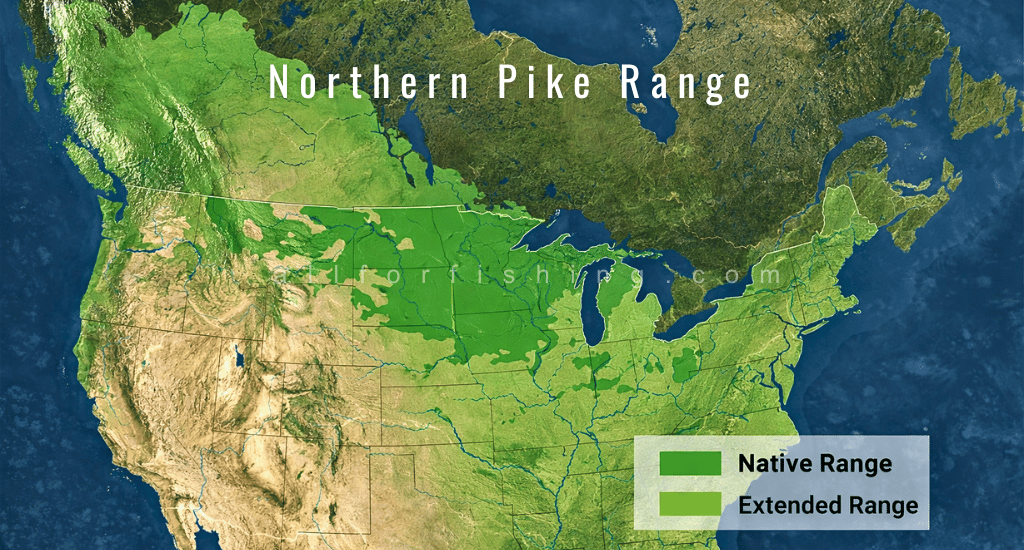
Productive pike water is predictable. It has weeds, bait, and an ambush edge. Start by hunting edges first, then work inward. Shore anglers should target access points that funnel fish, like points, culverts, channel swings, and the outside weedline that runs closest to casting range.
Lakes vs Rivers: Tactical Differences
Lake pike fishing is edge fishing. Focus on weed edges, reed beds, lily pad lines, and drop-offs near shallow flats. Sight fish when the water is clear, then lead the fish and strip past its nose. Prospect when visibility is low by fan-casting along the outside weedline and into any inside pockets.
River pike fishing is seam fishing. Target slow water first, then hunt current breaks, eddies, backwaters, and slack pockets behind cover. Cast up and across, let the fly swing into the soft water, then strip it through the seam. Pike in rivers often sit tight and react late, so keep the fly moving until it passes their lane.
Fish proven regions because they stack pike. Great Lakes tributaries shine in spring and fall. Midwest reservoirs hold fish on shallow weed flats and riprap. Canadian Shield lakes give classic weed and rock patterns all summer. European pike fisheries offer big fish in clear, shallow bays and reed lines.
Shore access wins when you move. Make 6 to 10 casts per spot, then walk to the next edge.
Safety and Handling Best Practices
Safe pike handling prevents injuries and protects the fish. Start with the right tools, because pike teeth and big hooks punish rushed hands.
Use long-nose pliers to remove hooks fast, and keep forceps handy for smaller patterns. Control the fish with a rubber mesh landing net, then pin it gently in the net before you reach in.
Keep fingers away from the gill rakers and the tooth line. Grab the tail wrist for control, and support the body with your other hand when lifting.
Keep catch-and-release clean and quick. Wet your hands first, and keep the fish low over the water. Support pike horizontally to protect their jaw and spine. Limit photos to a few seconds, then put the fish back.
Revive the pike in the water until it kicks away. Hold it facing into the light current if you are in a river, or move it slowly forward in a lake to push water through the gills. Release only when it swims strongly.
Common Mistakes and How to Avoid Them
Pike mistakes are simple but costly. Fix your setup, slow down, and fish with intention, and your hook-up rate jumps fast. Let’s take a look at some of the most frequent missteps that even seasoned experts occasionally encounter:
- Using too-light tackle: Use an 8 to 10 weight rod so you can cast big flies, control headshakes, and land fish quicker.
- Skipping bite protection: Use a steel leader or a heavy fluorocarbon bite tippet, as pike teeth can slice through regular leaders.
- Thinking bigger flies always win: Downsize when the stall or bait is small because bigger flies aren’t always better.
- Ignoring slower water: Start in soft water, weed edges, and calm bays because pike ambush more than they chase.
- Retrieving one speed all day: Mix up your retrieve with long pulls, short jerks, and pauses because changes trigger strikes.
- Setting the hook like a trout: Strip-set hard and stay tight because lifting the rod pulls the fly out.
- Handling fish poorly: Use pliers, keep fingers away from the mouth, and support the fish horizontally for a safer release.
Step-by-step: How to Start Fly Fishing for Pike
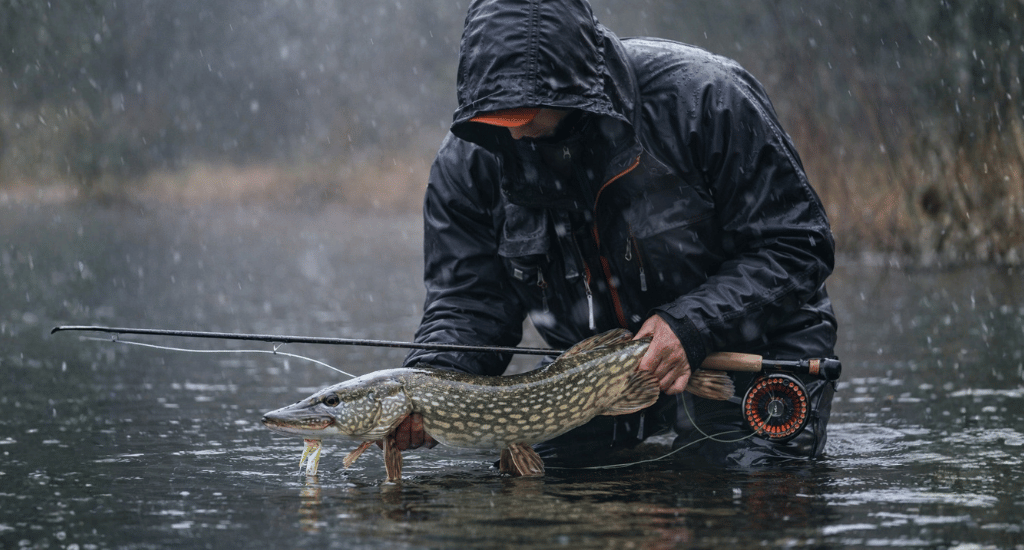
Pike fly fishing starts with a simple, proven setup. Use a 9-foot 9-weight rod because it casts big flies and controls hard runs. Pair it with an intermediate line because it keeps flies tracking just under the surface where pike hunt.
Here is a step-by-step process you can follow:
Step 1: Start with the standard setup (9ft 9wt).
A 9-foot, 9-weight rod is the baseline for pike. It casts bulky streamers and poppers without collapsing your loop. It also gives you enough backbone to steer fish away from weeds, pads, and timber once the fight starts.
Step 2: Match it with an intermediate line.
An intermediate line sinks slowly and keeps your fly tracking just under the surface film. That depth is money around weed edges and shallow bays. It also helps flies run straighter than a floating line when wind or chop is pushing your swing.
Step 3: Add wire bite protection first.
A wire leader prevents bite-offs from sharp teeth. Treat it as required gear, not optional. Keep it short and stiff enough to avoid tangles, and strong enough for hard grabs. If you skip wire, you will lose flies and fish.
Step 4: Keep flies simple (3 to 5 proven patterns).
Start with a tight rotation so you learn faster. Use one baitfish streamer, one flash streamer, one bunny leech, one diver, and one mid-size option for pressured water. Pick high-contrast colors like white, chartreuse, and black before experimenting.
Step 5: Choose kit vs custom based on speed.
A pre-assembled pike kit is best when you want everything matched and ready fast. Go custom when you already know your water depth, fly sizes, and leader preference. Custom shines if you fish one lake often and want dialed control.
Step 6: Spend smart on the “contact points.”
Put your budget into the rod, line, and leader system because those control casting, depth, and landing rate. Buy fewer flies at first. Replace only what produces. A cheap line ruins fly action and depth, even with a good rod.
Step 7: Use a first-trip checklist to avoid mistakes.
Bring a rubber mesh net, long pliers or forceps, polarized sunglasses, wire leaders, and a spare spool or leader pack. Add a simple fly box and a stripping basket if shore fishing. A clean setup prevents tangles when a pike shows up fast.
Conclusion
Fly fishing for pike works because it matches how northern pike (Esox lucius) hunt: ambush first, chase second. Keep it simple by fishing edges like weed lines, lily pads, timber, and drop-offs, where pike set traps.
Stick with the standard 9ft 9wt and an intermediate line, then add bite protection every time, because teeth end leaders fast.
Mix retrieves when you see follows, and strip-set hard to stay pinned through headshakes. Handle fish with pliers and a rubber mesh net for quick, clean releases.


