Fly fishing for coho salmon involves using a 7-9 weight fly rod, bright attractor flies, and aggressive retrieves to trigger reaction strikes. Anglers fish pink, chartreuse, or purple streamers like Clouser Minnows and bunny leeches through current seams, shallow runs, and pocket water.
Fast, erratic strip retrieves mimic fleeing baitfish and provoke hard grabs, especially during rainy conditions when coho move shallow and fresh fish enter the system.
This guide shows exactly how to do it. You will learn how coho behave, what gear and flies work, and rivers and saltwater fishing tips effectively. Everything is built for clear answers and real results in 2026.
Understanding Coho Salmon (Silver Salmon)
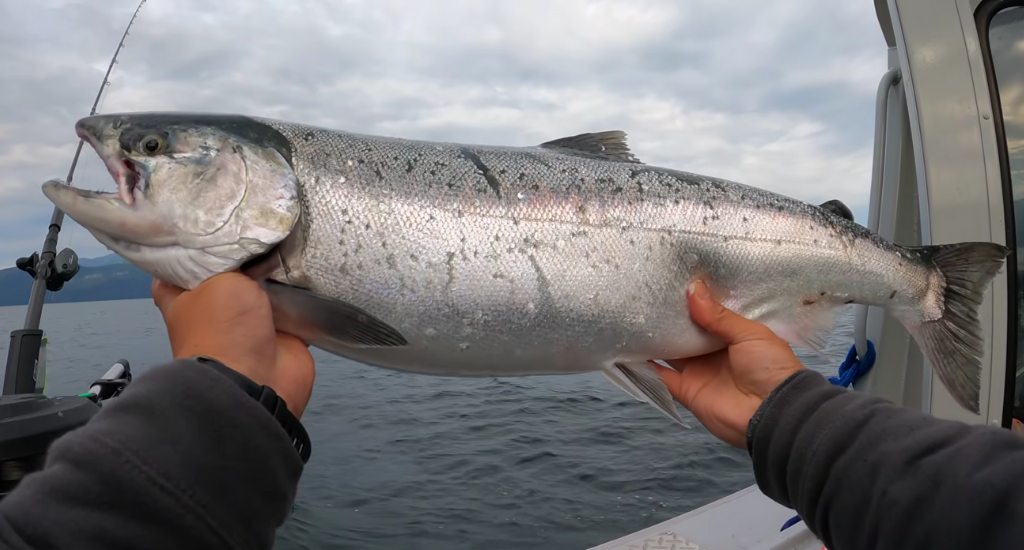
Coho Salmon are top fly rod targets. Silver Salmon, Oncorhynchus kisutch, stay aggressive in current, chase moving flies, and hit as they mean it. Fresh fish show up chrome bright, average 8 to 15 lbs, and fight above their weight.
Coho feel like the “fall prince” of Pacific Salmon. They deliver reel-screaming runs, quick turns, and aerial acrobatics that keep you tight and guessing. They also bite more willingly than many Pacific Salmon, so beginners and veterans both get real shots each day.
Fish them like hunters, not grazers. Present a swung or stripped fly in the travel lane, keep it moving, and expect a hard grab when a fresh coho slides in.
Coho Fly Fishing – How Beginners Can Catch One?
Coho are the easiest salmon to target on a fly. They bite fast, chase streamers, and forgive small mistakes. Use a simple setup, fish at the right time, and keep your hook set clean to shorten the learning curve.
These bullets give first-timer steps that produce bites.
- Gear Setup: 8wt starter kit
Start with an 8-weight setup. This rod casts common coho flies and controls hard runs. Match it with a smooth drag reel and enough backing so you stay connected when a fish takes off. - Fly Choice: one pattern rule
Use one fly pattern first: a pink Clouser Minnow. It looks like baitfish, triggering reaction grabs. Fish it on a floating line in rivers, then switch to an intermediate line for beach water. - Timing: tides and fresh fish
Fish tide changes in saltwater. Moving water pushes bait and coho into range. In rivers, focus on fresh arrivals. New coho bite harder than fish that have been sitting and seeing pressure. - Hook Set: strip-set everything
Strip-set every take. Coho hit quickly and often on the move. Pull with your line hand until you feel solid pressure, then lift the rod. This keeps the hook pinned and reduces soft, late sets. - Mindset: expect lost fish
Expect lost fish and keep casting. Coho jump, roll, and throw hooks, even on good hookups. Stay steady, keep tension, and fight with the rod low. More bites come fast when you stay in it.
Advanced Techniques: How to Catch Coho on the Fly
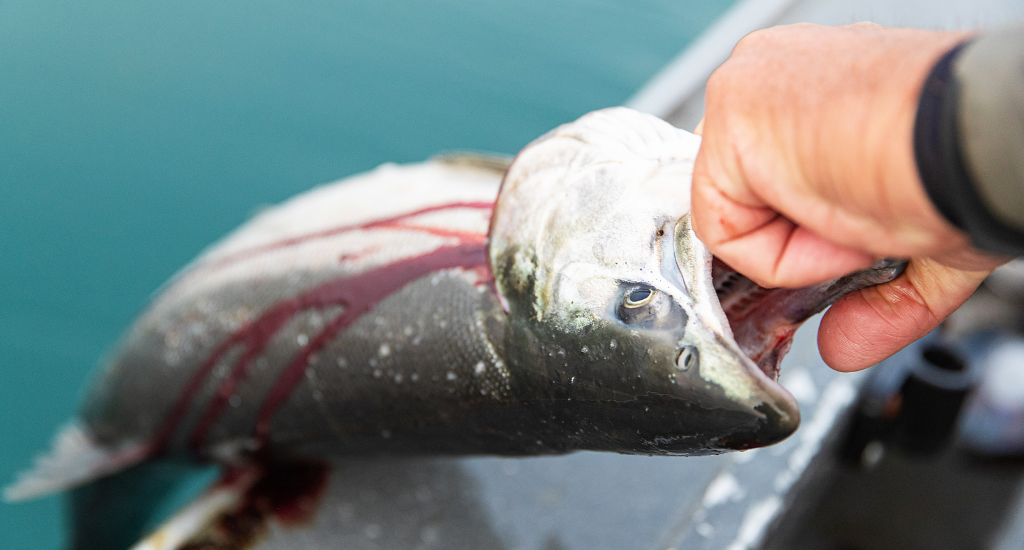
Catching coho on the fly depends on one thing: an aggressive presentation that stays in their lane. Coho respond best to motion, so your job is to swing, or strip flies through current seams where fish rest and react.
The Strip Retrieve: The Most Productive Method
Stripping streamers is one of the most popular fly fishing techniques used for coho.Use this approach when coho are cruising frog water, holding in slow pools, or staging near tailouts.
Follow these steps for a reliable strip retrieve:
- Cast to a likely seam or soft edge.
- Let the fly sink before moving it, usually 3 to 8 seconds, depending on depth.
- Strip in 6-to 20-inch bursts to mimic a baitfish.
- Maintain a fast rhythm, around 60 to 100 pulls per minute.
- Add pauses every few strips because coho often eat on the stall.
- Use a strip set first, then lift the rod after the line comes tight.
Speed changes trigger bites. Keep strips shorter and faster in quick water, then slow down in softer lanes.
Swinging Flies for Coho
Swinging flies cover water efficiently. Cast down and across, let the fly sink, then allow it to swing under steady tension. Use this in runs with clean flow, inside bends, and walking-speed current where coho hold off the main push. Focus on keeping the fly broadside to the fish as it crosses the seam.
Topwater Techniques: Skating Pollywogs and Poppers
Topwater takes happen when coho feel safe. Fish surface flies when the water is shallow, under 4 feet, clarity is decent, and the surface is calm. Create a wake with a fast strip or a steady skate, then pause. Keep your rod tip low so the fly stays moving straight.
Reading Water: Where Coho Hold
Coho hold where they can rest and ambush. Frog water is the key term. Frog water means slow, lazy sloughs and stagnant creek mouths, plus other soft backwaters where fish loiter. Target slow pools, current seams, back eddies, and cover like logs and stumps.
Small River and Creek Tactics
Small water demands short casts and stealth. Approach from downstream, keep steps quiet, and fish pocket water along seams and cover. Use lighter tippet, often 10 lb, to help flies swim naturally in clear flows. “Kelsey’s Hope” is a known small-river style fly choice that can work well in clear migrating conditions.
Saltwater vs. Freshwater Coho Fly Fishing
Saltwater and freshwater coho fly fishing need different moves. Coho change fast as they travel from saltwater to tidewater and into rivers. Match line choice, fly size, and retrieve speed to the stage. That keeps chrome bright fish in play.
- Saltwater fly fishing:
Beach fishing and estuary water target fish fresh from the salt. These coho chase small bait near the surface. Use an intermediate line to keep flies under the chop. Fish small, sparse patterns in sizes 8 to 10. Strip fast and steady. Time tides around points, current lines, and estuary seams.
- Freshwater fishing:
River coho demand control and clean drifts. A weight-forward floating line covers most water because it mends and swings well. Add weighted flies for depth, then use a sink tip when runs get faster. Focus on the first mile of tidal influence where tidewater stacks fresh fish. Fish seams, soft edges, and tailouts. Slow the retrieve and keep the fly in the lane longer.
- Hood Canal winter coho:
Cold water slows bites. Fish deeper water, use darker flies, and strip short with long pauses.
Essential Gears: Your Coho Fly Fishing Setup
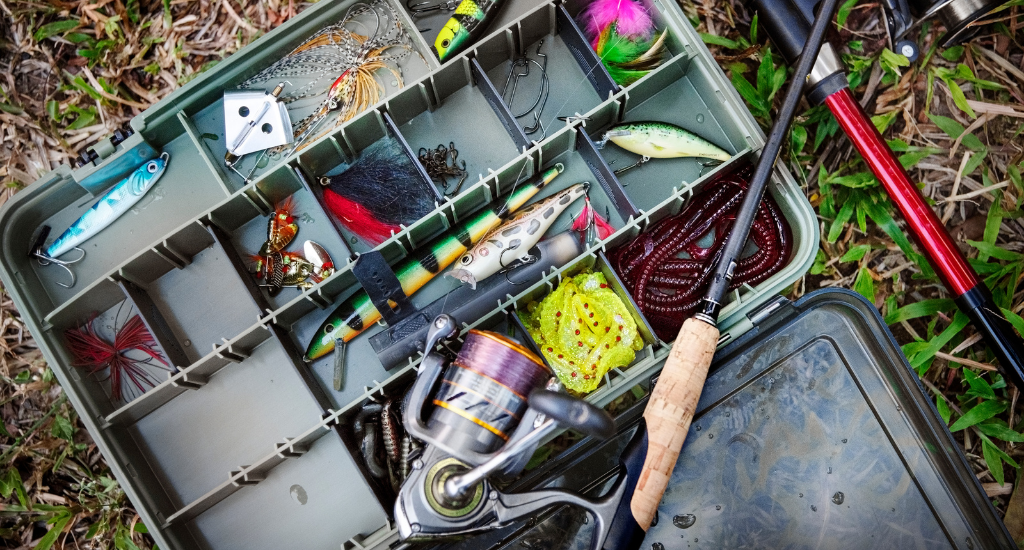
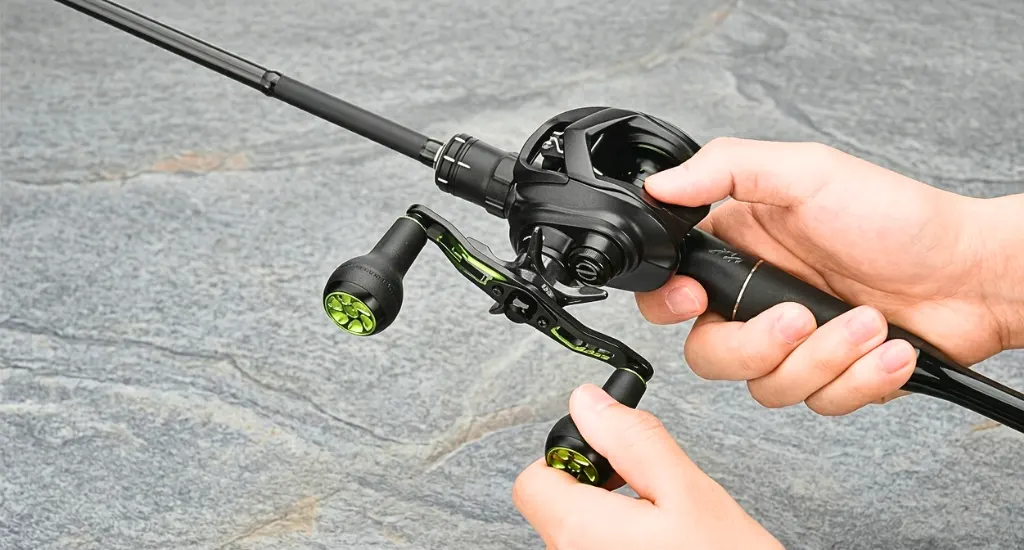
Coho gear should be simple and tough. An 8-weight fly rod, a smooth-drag reel, and the right line cover most rivers and beaches. Build this setup once, then focus on timing and retrieves instead of swapping gear all day.
These gears will give you a complete coho setup:
- Rod Choice: 7 to 9 weight rod
A 9-foot, 8-weight fly rod is the sweet spot. Use 7wt for smaller fish, 9wt for big Alaska silvers. - Reel and Backing: large arbor control
Large arbor reel with smooth disc drag. Spool 150 to 200 yards of 20 to 30 lb backing. - Fly Line: floating and sink-tip
Weight-forward floating line covers 90% of coho. Add sink-tip line for deeper holds or faster water. - Salt Line: RIO Outbound
For saltwater, use RIO Products Outbound to punch casts and keep flies tracking under chop. - Leader and Tippet: fluorocarbon
Run 4 to 5 ft leaders with 12 to 15 lb fluorocarbon. Go heavier in salt or around rocks. - Puget Sound Beach Setup
Use an intermediate sink-tip, 8 to 9 weight rod, 10 to 12 lb fluorocarbon. Fish moving with the tides for fresh coho.
Best Flies for Coho Salmon
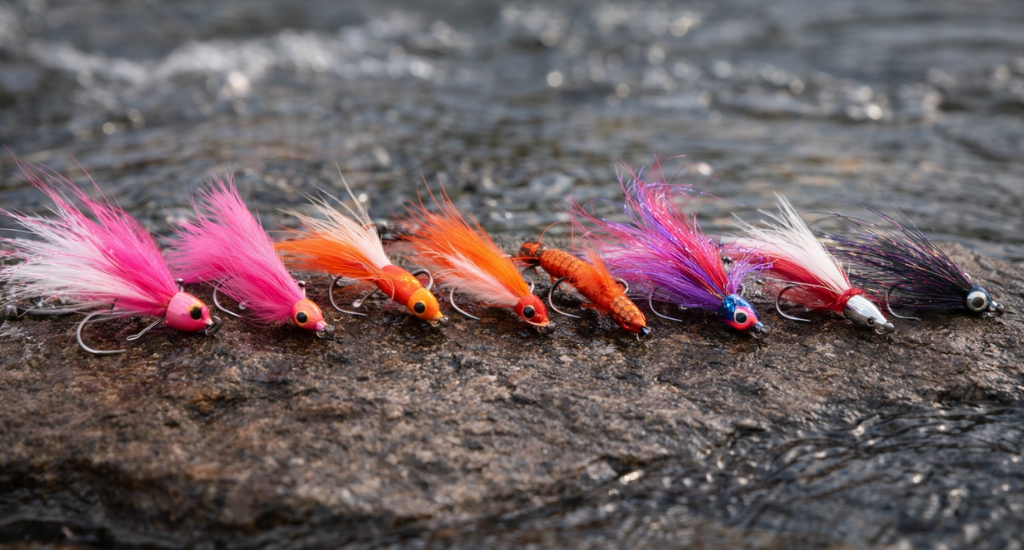
Coho flies work best when they trigger aggression. Coho strike for food and reaction, so pick patterns that swim clean, show clear color, and reach the travel depth. Sparse flies cast easier, sink faster, and hook better.
| Fly Pattern | Type | What It Imitates | Best Colors | Size Range | Best Use |
| Clouser Minnow | Subsurface | Baitfish | Pink/White, Chartreuse/White | #2 to #4 | Strips or swings in seams and runs |
| Starlight Leech | Subsurface | Leech | Black, Purple, Pink | #2 to #6 | Slow strips in softer edges |
| Egg Sucking Leech | Subsurface | Leech + egg trigger | Black/Pink, Purple/Hot spot | #2 to #6 | Rivers with heavy salmon traffic |
| Woolly Bugger | Subsurface | Leech, baitfish | Black, Olive, Brown | #4 to #6 | All-purpose option when unsure. |
| Pink Pollywog | Surface | Wog style baitfish | Pink, Chartreuse, Purple | #2 to #4 | Shallow runs, tailouts, rolling fish |
| Popper Wog | Surface | Wog with noise | Pink, Chartreuse, Purple | #2 to #4 | Calm water when fish need a wake |
| Sparse Streamer | Subsurface | Baitfish profile | Pink, White, Purple | #2 to #4 | Faster sink and cleaner swing |
Clouser Minnow is the go-to subsurface fly. This front-weighted pattern rides hook-up and tracks like baitfish on strips or swings. Start with pink and white, then switch to chartreuse and white when water is stained or light is low.
Leech flies close the deal, and topwater flies add fun. Starlight Leech, Egg Sucking Leech, and Woolly Bugger pulse on slow strips and hold a strong silhouette. Pink Pollywog and Popper Wog work best in shallow, calm water with short pops and pauses.
Best Locations: Where to Fly Fish for Coho
Top coho locations share two things: fresh fish and a travel lane. Coho bite best when they are chrome bright, moving in waves, and resting on seams. Pick water with current breaks, tide influence, and steady new arrivals.
Here are some renowned locations for Coho fishing:
- Alaska, Bristol Bay rivers: Togiak, Naknek, Alagnak, and Nushagak deliver consistent silvers. Fish mid-August to early September, especially after rain pushes fresh coho upstream.
- Alaska, Kenai Peninsula: Kenai-area silvers hold near tidewater and lower runs. Work obvious current seams where fish pause, then slide upriver on the next push.
- British Columbia, Squamish, and Cheakamus: Fall coho stack in seams and soft edges. Late September through October is strong, with chances into early November when flows stay right.
- British Columbia, Fraser Valley, and Vancouver Island: Fraser tributaries shine in early to mid-fall. Vancouver Island rivers pop after rain, when chrome bright fish move fast and grab hard.
- Pacific Northwest, Washington, and Oregon: Puget Sound beaches fish well on moving tides. Target points and current lines. Skagit and Skykomish rivers produce, but change speed when bites go quiet.
- Great Lakes, New York, and Michigan: The Salmon River in New York offers stocked fall coho. Michigan tributaries run from September to November, with September and October as the best window.
When to Go: Coho Salmon Run Timing by Region
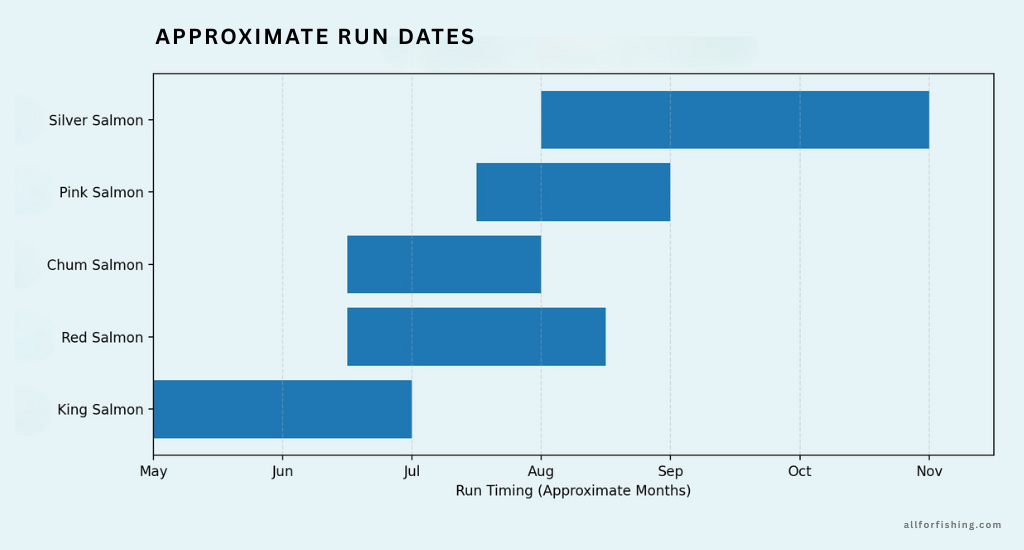
Coho salmon bite best when runs peak and fish are fresh. Timing matters more than fly choice because newly arrived coho are aggressive, chrome bright, and hold in predictable lanes. Plan trips around regional peak windows first, then adjust for rain, river flow, and tidal movement.
Alaska peaks earlier, British Columbia and the Pacific Northwest peak in fall, and the Great Lakes coho provide a strong autumn option. Use the table below as a baseline schedule, then fine-tune based on local conditions.
| Region | First Fish | Peak | Last Fish |
| Bristol Bay, Alaska | Late July | August–September | October |
| Kenai Peninsula, Alaska | July | August–September | October |
| British Columbia | August | Late September–Early October | November |
| Washington, Puget Sound | June (residents) | August–September | October |
| Great Lakes (NY and MI) | September | October | November |
Conclusion
Fly fishing for coho works when you keep it simple. You now know how Silver Salmon, Oncorhynchus kisutch, behave, why chrome bright fish bite hard, and how to stay in their travel lane.
Use a 7 to 9 weight rod, pick one proven fly like a pink Clouser Minnow, and strip or swing with steady contact. Fish tidewater, beach seams, and river soft edges when fresh fish move in. Match line choice to depth, then strip-set every grab. Expect a few lost fish. Coho jump and throw hooks.
Keep exploring. Check All for Fishing’s other blogs for more fly fishing topics, including run timing, fly picks, and water reading for new species and new places.
FAQs
What size fly rod for coho salmon?
A 9 to 10-foot, 8-weight fly rod is ideal. This setup casts common coho flies and controls strong runs. A 7-weight works for smaller fish in small rivers. A 9-weight fits large Alaska silvers and windy conditions.
What color flies work best for coho?
Pink flies work best for coho. Pink shows clearly in green water and low light, which triggers aggressive strikes. Chartreuse is a strong second option in stained water. Purple works well when fish are pressured or light is low. These are the best fly colors for coho in most fisheries.
How do you catch coho on the fly?
Catch coho by stripping streamers through current seams. Use an 8-weight rod, fish pink or chartreuse flies, and keep retrieves active. Let the fly sink, strip fast with pauses, and cover water where fish travel.
What is the best fly for coho salmon?
The Clouser Minnow in pink and white is the best all-around coho fly. Egg Sucking Leeches are produced in rivers with heavy salmon traffic. Pink Pollywogs work when coho rise in shallow or calm water.
How fast should you troll for coho?
Trolling speeds do not apply to fly fishing. Trolling for coho typically runs 2 to 3 mph. Fly fishing replaces speed with motion by stripping flies at about 60 to 100 pulls per minute to trigger reaction bites.