Fly fishing for carp is real, addictive, and tough, and common carp (Cyprinus carpio) prove it every season. Carp are tolerant of water temperatures, available in many locations, and tricky to catch, which makes them the perfect backyard challenge. These fish earn the “freshwater bonefish” name because they demand sight fishing, clean casts, and soft landings.
Yes, you can fly fish for carp, and when you do it right, the payoff is big. Expect powerful runs, long fights, and fish that test your patience more than your knots. This guide covers proven tactics, the best carp flies, sight fishing techniques, and the small details that turn spooked fish into hookups.
Understanding Carp Behavior and Biology
Carp behavior determines everything because they are difficult to catch on a fly. Carp are visual feeders that feed on the bottom, spook easily, and change moods quickly. Watch for tailing carp first, as tailing signals indicate locked-in bottom feeding. Treat cruising carp as a moving target because they need a lead and a quiet fly.
Lead by 2 to 4 feet, let it sit, then add one tiny twitch. Expect short feeding windows when light and water temperatures align. Stay low, move slowly, and avoid false casts, as shadows and vibration can blow the shot.
Expert Fly Fishing Techniques for Carp Fishing
Fly fishing for carp requires three core skills: stealth, accurate casting, and soft presentations. This trio puts your fly close without spooking fish, keeps the drift natural, and turns cautious carp into eaters.
Carp are difficult to catch because they see well, detect vibrations through their lateral line, and quickly reject flies when something looks wrong. Treat each shot like a hunt, not a cast-and-hope routine.
A. Sight Fishing and Stalking
Sight fishing is the top carp tactic because it lets you target feeders, not random water. Start by watching for tailing carp, mud puffs, or slow cruisers along banks and flats. Use polarized glasses because glare obscures what matters. Move like you are sneaking past a bird. Stay low, step softly, and avoid quick arm swings.
Keep the sun at your back whenever possible, as it improves visibility and obscures your silhouette. Pause often and observe, because carp shift from cruising to feeding with subtle body cues. Commit to patience because rushing close is the fastest way to blow a pod of fish.
B. Casting and Presentation Techniques
Accurate casting is the difference between hookups and refusals. Lead cruising carp instead of casting at them, because a fly landing on their head ends the game. Place the fly where the carp will be, then let it come to the fish. Make soft presentations because splash and leader slap spook carp in shallow water.
Use sidearm or low-trajectory casts when the wind is light because they land quieter. Pick angles that keep the line and leader away from the fish’s face because carp track unnatural shadows. Cast from farther back when needed because distance beats spooking, especially in clear water. Aim for a drag-free drift, as carp quickly detect movement and tension.
C. Fly Placement and Retrieval
Fly placement drives take because carp feed on a path. Put the fly 2 to 3 feet ahead of a cruising fish, then let it settle into its lane. Drop closer when fish are tailing, because they are locked on the bottom food and will not chase. Start with a dead drift because it appears natural to bottom-feeders.
Add tiny strips only when the carp is near the fly, because subtle motion can trigger interest without alarm. Stop moving the fly once the fish tips down, because extra movement often spooks it. Match the retrieve to the mood. Use slow, short pulls for curious cruisers. Let the fly sit for steady feeders.
D. Detecting Takes and Hook Sets
Take detection is mostly visual because carp mouth flies with little warning. Watch the fish first, then watch your line. Look for a slight flare of gills, a head dip, or the mouth opening and closing over the fly. Track line movement because small twitches often mean the fly is inside the lips.
Set with a strip-set because a raised rod can pull the fly away too early. Pull firm, then lift only after you feel the weight. Expect false takes because carp test food and spit fast. Stay calm, reset, and make the next shot cleaner.
E. Fighting and Landing Carp
Fighting carp is a pressure game because runs are long and steady. Keep the rod low and angled, as it controls direction and protects the tippet. Let the drag work, as sudden surges occur near the net. Move the fish away from weeds, rocks, or dock posts because carp use structure to break you off.
Expect long fights with big fish, as carp do not quit easily. Use a large rubber-mesh net to control the fish without damaging them. Handle carp gently and briefly because quick releases keep them strong, especially in warm water.
Advanced Carp Fly Fishing Strategies That Actually Work
Fly fishing for carp gets easier when you read signals and adjust fast. Advanced success comes from separating feeding fish from nervous fish, then matching depth, angle, and fly speed to their mood. These tactics matter most on pressured urban ponds, clear flats, and rivers where carp see everything and feel current shifts.
Read intent first. Target tailing carp because they are locked into bottom feeding. Treat cruising carp as “maybe” fish, and lead them with a calm drop. Watch for mud clouds because they signal active rooting. Surface sips and rolls can mean drifting food or comfort, not always feeding.
Use conditions as cover. Wind chop hides your outline and pushes food into banks and corners. In muddy water, move closer, slow down, and favor darker flies with strong silhouettes because contrast beats detail.
Solve tough fish with presentation. In clear water, lengthen leaders and land softer. If fish spook, shorten the fight, stop casting, and reposition because repeated shots ruin a flat. If carp hold on breaks or channels, get deeper with a sink-tip or a heavier fly.
Refusals need subtlety, not chaos. Go smaller, reduce movement, and add pauses when carp follow but refuse to bite. In rivers, focus on slower water: inside bends, backwaters, and current seams where carp can feed without fighting flow.
Pre-baiting can help, but check legality and local ethics. Log water temp, wind, depth, and fly choice after each trip for repeatable results.
When Is the Best Season for Carp on the Fly?

Seasonal carp fly fishing is temperature-driven because carp feed, move, and group up based on water temperature. Track water temperature first, because it predicts where carp hold and how willing they are to eat. The best fly fishing for carp happens when fish slide shallow and feed confidently.
Spring: This is the easiest window. As water reaches the low 60s, carp stage in shallow bays and backwaters. Look for wakes, tailing carp, and tight groups. Fish near spawners carefully and release fast.
Summer: This is the most consistent season. Fish early and late when carp cruise flats, weeds, and shorelines. Lead cruising fish by 2 to 3 feet and keep the fly low and quiet. During heat, target shaded edges and oxygen inflows.
Fall: This is the best numbers season. Sunny afternoons warm shallow flats and trigger feeding. Work mud lines where carp root for insects and worms. As water cools, slow down and lengthen pauses.
Winter: Winter is limited. Focus on warm regions or warm-water discharges. Fish deeper and slower, use long pauses, and expect fewer eats above the mid-40s.
Prime Carp Waters and Locations for Anglers

Prime carp water is any place that holds food, warmth, and low pressure. Fly fishing for carp gets easier when you stop chasing “perfect trout water” and start hunting edges, flats, and back corners. Focus on places with steady forage and low pressure, then find fish first and cast second.
| Water Type | Why It Produces Carp | Where to Look | Best Time Window | Notes for Anglers |
|---|---|---|---|---|
| Urban ponds | Constant forage, easy access | Shoreline flats, park edges, downwind corners | Morning, late afternoon | Permission often required |
| Reservoir backwaters | Warm bays collect carp and wind-blown food | Shallow coves, creek arms, mud flats | Late spring through fall | Bigger water, heavier rod helps |
| Slow rivers | Soft seams create easy feeding lanes | Inside bends, slack pockets, calm edges | Warm days, stable flow | Walk and scan for singles |
| Tailwaters | Stable temps, thick weed growth | Weed beds, slow margins, flat runs | Midday to evening | Clear water rewards stealth |
| Gravel pits | Clear water allows sight fishing | Shallow shelves, drop-offs, weed lines | Calm, bright periods | Spooky fish, long leaders help |
| Golf course ponds | Consistent warmth and food | Edges, shade lines, back corners | Early and late light | Always get permission |
| Muddy lakes/ponds | Carp feel safer, feed shallow | Travel lanes, flats, weed edges | Low light, warm afternoons | Track mud clouds and bubbles |
| Regional hotspots | Proven populations and access | Great Lakes bays, Southwest reservoirs, PNW flats, Colorado, and Texas waters | Late spring to early fall | Check local rules and permits |
Essential Fly Fishing Gear for Carp Fishing
Carp are powerful and picky. A good carp fly setup must do three things: cast accurately, land quietly, and keep steady pressure on long runs. Fly fishing for carp is easier when your gear balances finesse for spooky fish with backbone for 10–30+ lb fights.
- Rods (6–8wt, 9ft, medium-fast to fast): 6wt calm or smaller carp, 7wt best all-around, 8wt wind, big water, heavy flies.
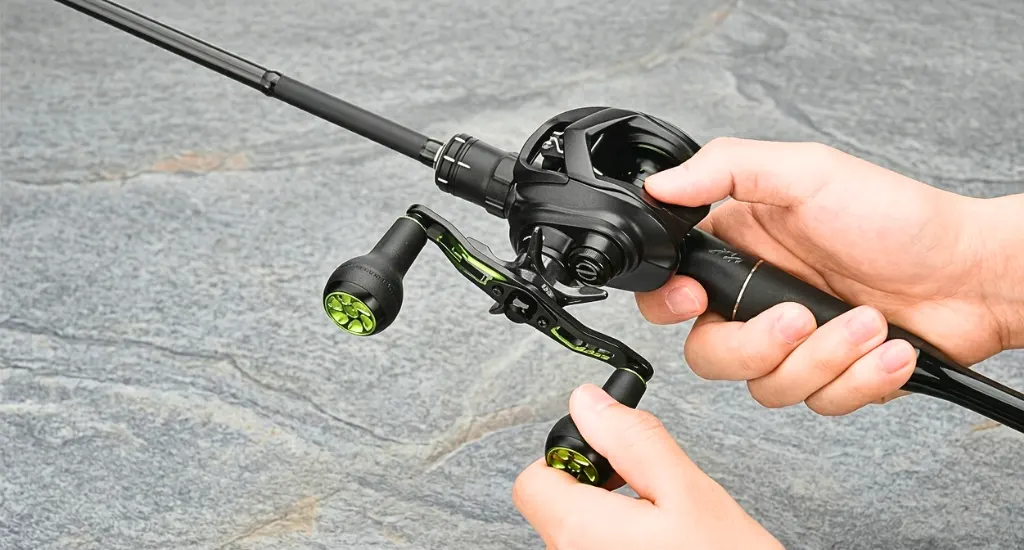
- Reel + backing: Large arbor reel, smooth drag, 100+ yards backing for sudden runs.
- Fly line (main choice): Weight-forward floating line for flats, edges, tailing, and cruising carp.
- Depth option: Sink-tip line for deeper carp on ledges, channels, and drop-offs.
- Leader: 9–12 ft leader to reduce splash and prevent refusals in clear water.
- Tippet: 2X–4X (6–12 lb) to balance stealth with strength on 10–30+ lb fish.
- Material choice: Fluorocarbon sinks and stays subtle; monofilament adds stretch and easier handling.
- Core carp flies (#6–#12): Carp Crack, Backstabber, Hybrid, Clark’s Carp Fly, crawfish, damselfly nymphs.
- Mud and trigger patterns: Aquatic worms or Squirmy Wormy; olive, black, rust, earth tones, add orange for cruisers.
- Essentials: Polarized sunglasses, quiet wading shoes, rubber-mesh net, pliers, and sun protection.
Common Mistakes and How to Avoid Them
Carp mistakes may seem small, but they can end the shot quickly. Fly fishing for carp rewards three things: stealth, accurate casting, and soft presentations. Fix these basics, and you will see more relaxed fish, more real eats, and more hookups.
- Rushing the approach: Move slowly and stay low because carp read pressure. Stop casting when the fish tenses up. Back off, reset your angle, and wait until it resumes cruising or feeding.
- Using leaders too short: Run a 9 to 12-foot leader because carp are wary in clear water. Short leaders pull the line close to the fish and add drag. Go longer when the water is slick and bright.
- Choosing the wrong rod weight: Start with a 7-weight, as it strikes a balance between power and touch. Use an 8-weight in big water with big fish. Use a 6-weight only when fish are smaller and conditions are calm.
- Ignoring water clarity: Change tactics in muddy water because sight cues fade. Focus on shallow edges, warm backwaters, and mudding fish. Use slightly heavier flies and stronger contrast, so carp can find them.
- Quitting too early: Stay patient because carp windows are short. Commit to one fish, make one good cast, then adjust. One clean eat can take ten minutes of stalking.
Conclusion
Carp fly fishing is the “earn it” game. When you spot tailing fish, lead cruising carp cleanly, and land the fly softly, everything clicks fast. Keep the focus on behavior first, then presentation, then small adjustments in depth and fly movement.
A balanced 7-weight setup, a long leader, and a few proven bottom-feeding patterns will handle most water conditions. Stay patient, reset after spooked fish, and treat each shot like a hunt. Do that, and carp will reward you with hard runs, long fights, and real skill-building that transfers to every species you chase.
FAQs
What flies work best for carp?
Carp Crack for shallow feeders, Backstabber for picky fish, Woolly Bugger for cruisers, crawfish near rocks and weed edges.
How do you fly fish for carp in muddy water?
Target shallow feeders, watch mud clouds and wakes, drop the fly ahead, let it sit, then slow, subtle strips.
What is the best setup for carp fly fishing?
7-weight rod, floating line, 9–12 ft leader, 2X–4X tippet, and #6–#12 worms, nymphs, and craw patterns.
Why is stealth important for carp?
Carp spook from shadows and vibration. Stay low, avoid false casts, land softly, and make one accurate presentation.
Can you fly fish for carp in winter?
Yes, in warmer waters like discharges or southern rivers. Fish deeper, go slower, and use small, subtle flies.