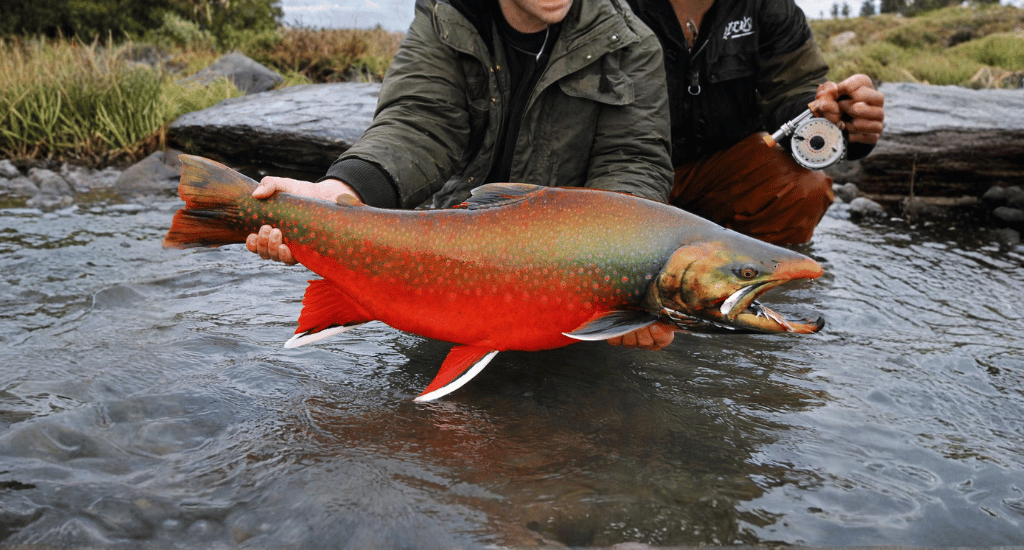
Steel-bright fins flash under cold water as fly fishing for Arctic char brings power and color to this bold, cold fish that strikes hard with fast, wild force today.
Greenland rivers and the Tree River in the Canadian Arctic hold sea-run char with huge size, bright skin, and raw strength in the far wild cold lands for trophy fish.
Read this blog to learn where rod flies place, and seasons fit Arctic char, plus clear steps to start up high in water and reach true trophy-class fish now.
Best Flies for Arctic Char
Cold, clear rivers and wild lakes make Arctic char chase flies with speed and force, so the right fly choice brings more hits and strong runs for any fly angler in this harsh northern land today.
Productive Fly Colors
Bright pink and orange flies copy shrimp and eggs that sea run char love. Coho salmon-style flies add bold flash that high-sight char see fast, which sparks sharp strikes in clear, cold water with a high attack mood often.
Effective Fly Types
Streamers act as small fish and lead this list since Arctic char chase them with hard hits. Wet flies sink slowly and suit soft flows. Dry flies work at times on calm lakes when char rise for food near the top.
Fly Size and Presentation
Medium to large streamers fit big char mouths and show strong flash. Short strips give sharp moves that pull fish close. Let the fly sink a bit, then quick pulls add life, so the char hits with full force each time.
Key Points to Keep in Mind
- Use two or three colors on each fly to stand out in dark water after the wind.
- Use flies with soft tails, so they wave well in slow flows.
- Cast across the current, then let the fly drift a short way.
- Add light strips to call fish near rocks and deep runs.
- Swap fly size when bites slow.
- Keep spare flies since sharp char teeth tear hair and thread fast in rough fights with large wild fish.
Fly Fishing Techniques For Arctic Char
Cold rivers and wide lakes in the far north need calm casts and smart moves since Arctic char hit fast and run hard, so each step shapes every drift for true trophy-class fish here.
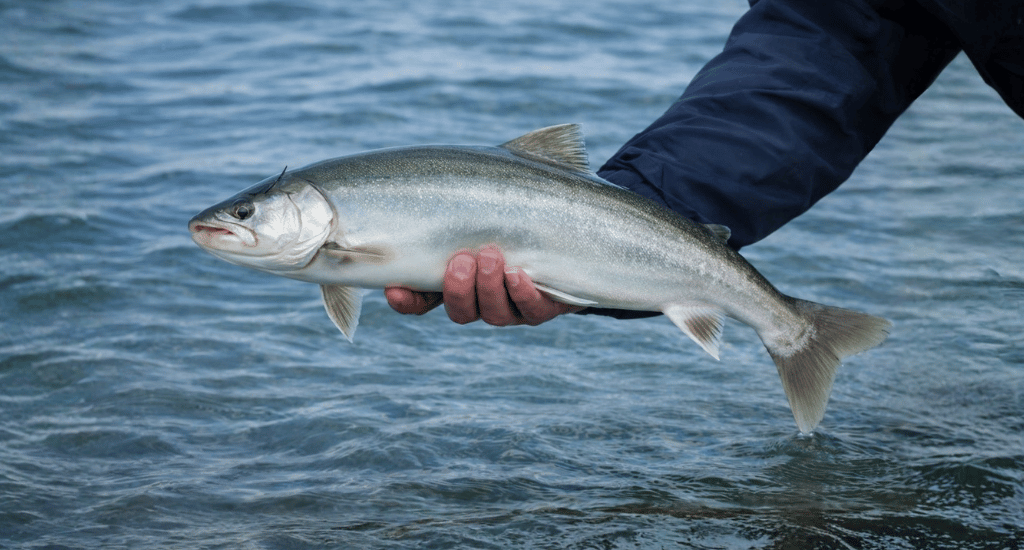
Step 1: Start Up High In The Water Column
Start up high in the water column with a floating line so the fly rides near the top where char often patrol early in the day, then let it sink slowly for deep fish below.
Step 2: Cast Across Current
Cast across the current and let the fly swing in a wide arc so the char sees flash and motion. This path pulls bold fish out from rocks and dark lanes with sharp, fast hits right away.
Step 3: Use Short Firm Strips
Use short, firm strips with small pauses to give the fly a pulse, and shine cold, clear water helps chart each move, so keep a steady pace until a hard grab shakes the rod tip.
Step 4: Change Fly Size And Color
Change fly size and color when strikes slow. A bright pink or orange Woolly Bugger can wake quiet fish, while a dark Zonker suits deep runs near the bank for shy char with soft takes.
Step 5: Wait for The Wind to Die Down
Wait for the wind to die down, since calm water gives clean casts and clear views. This condition helps place each fly near active fish and leads to firm hook sets on big sea-run Arctic char
Best Time Of Year To Fly Fish For Arctic Char
July and August bring peak season as sea-run Arctic char push into cold rivers to spawn. These fish look fresh and bright after ocean life and show strong runs with fast, sharp strikes.
Early-season char hold deep and show raw power, while late-season fish stay near shallow runs with calm moves. Long daylight hours in Arctic lands give more time for casts and steady action each clear day.
Key Timing Facts
- July offers fresh fish with full ocean strength and bright silver skin.
- August gives more char in rivers with high strike rates and bold takes.
- Early-season fish stay deep and hit flies with strong and fast runs.
- Late-season char move shallow and show slower yet steady fly interest.
- Long Arctic daylight allows more fishing hours without rush or low light.
Where To Fly Fish For Arctic Char
Wild cold lands hold some of the best Arctic char water on earth, where clear rivers and wide lakes give space for huge sea run fish with bright skin, strong runs, and true trophy size.
Iconic Arctic Char Destinations
Tree River in the Canadian Arctic gave many world-record fish, and the largest all-tackle Arctic char at 32 lb 9 oz. Kangia River in Greenland also holds huge char and suits single-hand and light trout spey rods well.
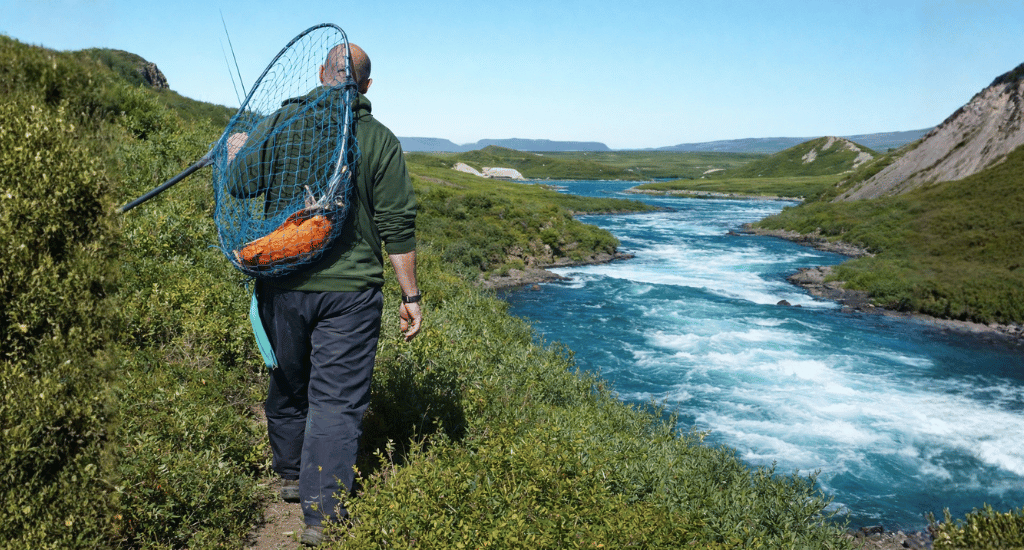
Top Arctic Char Waters
- Tree River stands as a world-famous home for giant Arctic char.
- Kangia River gives clear runs and steady sea-run fish each season.
- Many Arctic rivers and lakes also hold strong wild char with bright colors.
River Vs Lake Fishing
Rivers give more bold strikes and suit streamers since char chase fast through runs and pools. Lakes need a slow search since char cruise near drop-offs and inflow areas where food flows into open cold water.
River And Lake Tips
- Rivers give fast takes with high fly speed and sharp hook sets.
- Lakes need wide casts to cover deep edges and quiet zones.
- Streamers suit rivers, while slow wet flies work better in still water.
Gear, Clothing, And Safety For Arctic Fly Fishing
Arctic char rivers and lakes demand careful preparation. Fly fishing for Arctic char in these remote cold waters needs the right gear, warm clothing, and smart safety steps to handle wind, cold, and long days in wild northern lands.
Essential Gear For Remote Arctic Locations
Cold water waders keep legs dry and warm during long casts. Layered clothing protects against sudden wind, rain, or sun. Polarized sunglasses help spot char in clear water, making precise casts easier in bright or reflective conditions.
Hiking And Access Considerations
Many prime pools sit 30-45 minutes from the nearest landing, requiring physical readiness. Travel light to stay mobile, but keep essential backup gear like extra flies and line. Fitness and planning improve fishing success and safety in remote terrain.
Safety And Logistics
Arctic environments change quickly, from sun to storm. Hypothermia risk is real in cold water. Consider guided trips if new to the region; they offer local knowledge, safe access, and gear support, while independent anglers must plan routes, emergency plans, and transport carefully.
Conclusion
Fly fishing for Arctic char offers an unforgettable bucket-list adventure. Remote rivers, wide Arctic lakes, and long daylight hours create a setting where trophy-sized char strike hard and test every angler’s skill with bold, aggressive takes.
Proper preparation, careful gear, and respect for fragile Arctic ecosystems make the experience safe and rewarding. Ethical fishing ensures these wild waters stay healthy for future anglers.
For anyone chasing one of the world’s most unique fly fishing adventures, Arctic char deliver challenge, beauty, and memories that last a lifetime.
FAQs
How Do You Fly Fish For Arctic Char?
Fly fish for Arctic char using streamers and bright colors. Use aggressive retrieves in pocket water and deeper runs. Cast near rocks and riffles where char patrol, keeping the fly active to provoke strong strikes in clear, cold water.
Where Is The Best Place To Fly Fish For Arctic Char?
The best places include Greenland rivers like the Kangia River and Canadian Arctic rivers such as the Tree River. These waters hold large, trophy-sized sea-run char and offer remote, wild environments perfect for fly anglers seeking big fish.
What Is The Best Fly Rod For Arctic Char?
A 6-8-weight fly rod for Arctic char works best for versatility. A length of 9-9’6” gives good control and casting distance. Pair with a strong backing, a floating or sink-tip line, and a robust reel for Arctic char’s fast, powerful runs.