Cold water at your feet can change how you see lake fishing. Fly fishing in a float tube lets you sit on water, move slowly, and reach fish far from shore easily.
Anglers love float tubes on lakes, ponds, and reservoirs due to their small size and light weight. Beginners feel safe, while skilled anglers enjoy control, quiet movement, and close contact with nature.
This guide shows setup, safety, and simple techniques for success. Read on to learn gear use, clothing choices, and smart tube control, so each trip brings comfort, confidence, and more fish home.
How to Fly Fish in a Float Tube
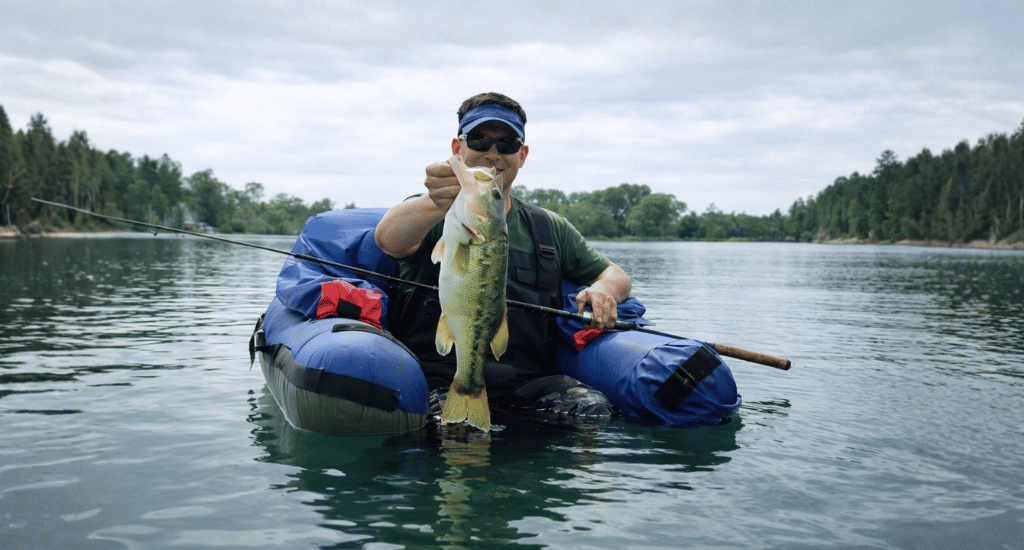
Fly fishing in a float tube means sitting on water while fishing with a fly rod. The tube keeps your body afloat and lets your feet move you slowly. This method works best on lakes, ponds, and calm reservoirs.
This section explains the required gear first. After that, it walks you through five clear steps. Each step shows what to do and why it matters, so beginners can fish with comfort and control.
Essential Gear for Fly Fishing in a Float Tube
Float tube fly fishing needs simple but specific gear. Each item helps with safety, comfort, and control on water. Proper gear makes fishing easier and avoids problems during long hours on lakes.
Required Gear
- Float Tube – An inflatable seat that keeps your body afloat and stable on water
- Fins – Worn over boots to move and turn the tube using leg power
- Fly Rod – Five or six-weight rod suits most lake fish species
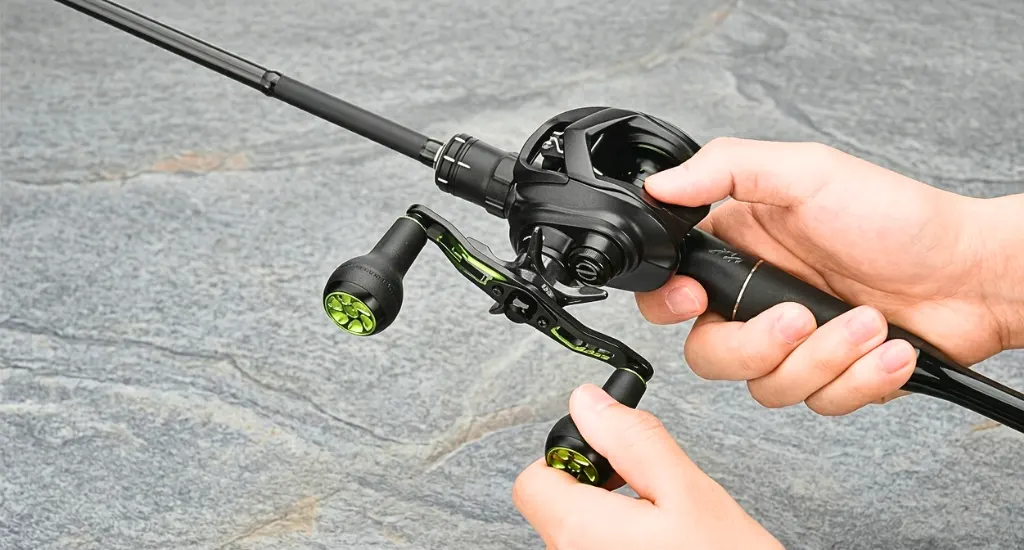
- Fly Reel – Holds fly line and helps control fish during fights
- Floating Fly Line – Stays on the surface and remains easy to control for beginners
- Waders – Chest waders keep legs warm and dry in cold water
- PFD – Personal float device adds safety during wind or sudden movement
- Anchor System – Slows drift and keeps position near fish zones
- Storage Pockets – Hold flies, tools, water, and small gear safely
Step 1: Set Up and Inflate the Float Tube
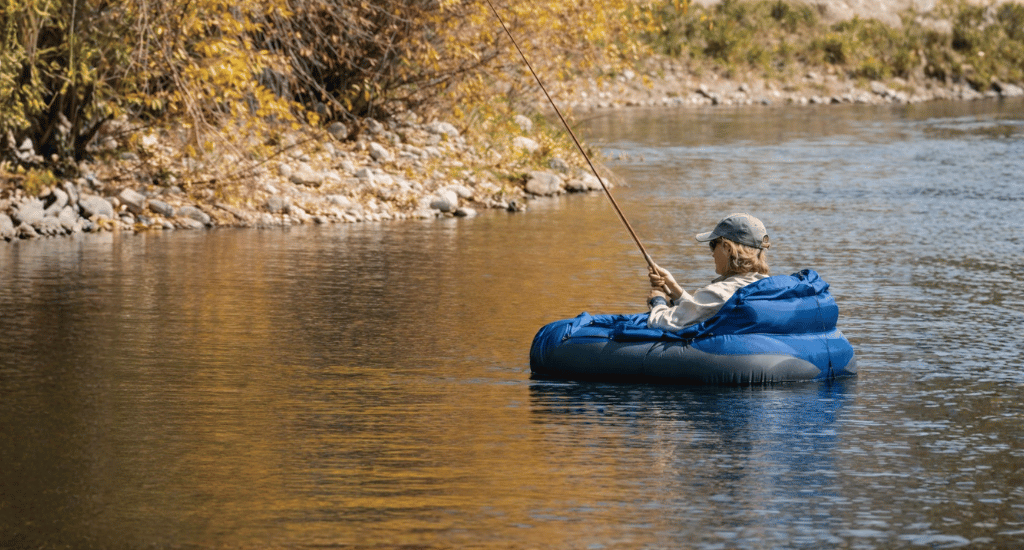
Place the float tube on flat ground near water. Inflate air chambers evenly until firm. Uneven air causes tilt and discomfort. A stable tube helps balance body weight and keeps casting smooth.
Sit in shallow water first to test balance. Adjust the air pressure if the seat leans. Secure straps and pockets before moving deeper. This preparation saves effort and avoids problems after launch.
Step 2: Put On Safety Gear and Enter the Water
Wear chest waders and secure fins over boots. Check fin straps before entry. Loose fins reduce control and cause stress. Put on a PFD to add safety, even on calm water.
Enter water slowly from a gentle slope. Sit down only after your legs feel stable. Avoid deep entry points. Calm entry keeps water clear and avoids sudden tube movement.
Step 3: Adjust Seat Position and Body Balance
Seat height affects casting and comfort. A higher seat gives better arm movement. A lower seat feels more stable in the wind. Adjust straps before fishing begins.
Keep body weight centered. Avoid leaning too far back or forward. Balanced posture reduces fatigue and helps fins move smoothly. Good posture improves control during long fishing sessions.
Step 4: Cast and Manage the Fly Line
Use short and controlled casts from a seated position. Side casts work best and keep the line clear from the water. Raise the rod tip high to prevent fly line drag.
Place stripped fly line across the lap or apron area. Keep the line away from the fins. Slow line pulls reduce tangles and improve fly action underwater.
Step 5: Control Position and Approach Fish Areas
Use gentle fin kicks to move and turn. Small movements keep the water calm. Quiet travel helps avoid fish alarm near feeding zones. Use an anchor near weed edges or drop-offs. Drift works better on open water. Approach the fish slowly and stop at casting range for better success.
Fly Selection and Techniques for Float Tube Fishing
Fly choice plays a major role in success while fishing from a float tube. Since anglers sit close to water, flies must match fish behavior and depth. Simple techniques work best. Each method below suits lakes, ponds, and reservoirs with calm and steady water.
Dry Flies for Surface Feeding Fish
Dry flies float on the water surface and copy insects that fish eat there. Use them during early morning or late evening hours. Cast near calm water and wait for gentle takes. A floating line helps keep the fly visible and controlled.
Nymphing from a Float Tube
Nymphs copy insects that live underwater. Fish often feed on them during daylight hours. Use a strike indicator, which is a small float on the line. It shows bites clearly. Slow movement helps keep the nymph near the fish depth.
Streamers and Leech Patterns
Streamers and leech flies copy small fish and water creatures. These flies work well in deeper water zones. Short pulls make the fly move like prey. Pause between pulls often. This action triggers strikes from larger and more aggressive fish.
Depth Control Using Sink-Tip and Full-Sink Lines
Sink-tip lines sink near the fly end, while full-sink lines sink fully. Both help reach deeper fish. Use slow retrieves to keep flies at proper depth. Count seconds after the cast to judge sink level accurately.
Elbow Technique for Better Fly Control
The elbow technique uses slow arm motion instead of full arm swings. Keep elbows close to the body during casts. This reduces splash and fatigue. It also improves line control while seated, especially during wind or long fishing sessions.
Advantages and Limitations of Float Tube Fly Fishing
Float tube fly fishing offers freedom on still water, but also has clear limits. This method suits calm lakes and patient anglers. Before use, it helps to know boththe benefits and drawbacks. Clear knowledge leads to safer trips and better fishing results.
Advantages of Float Tube Fly Fishing
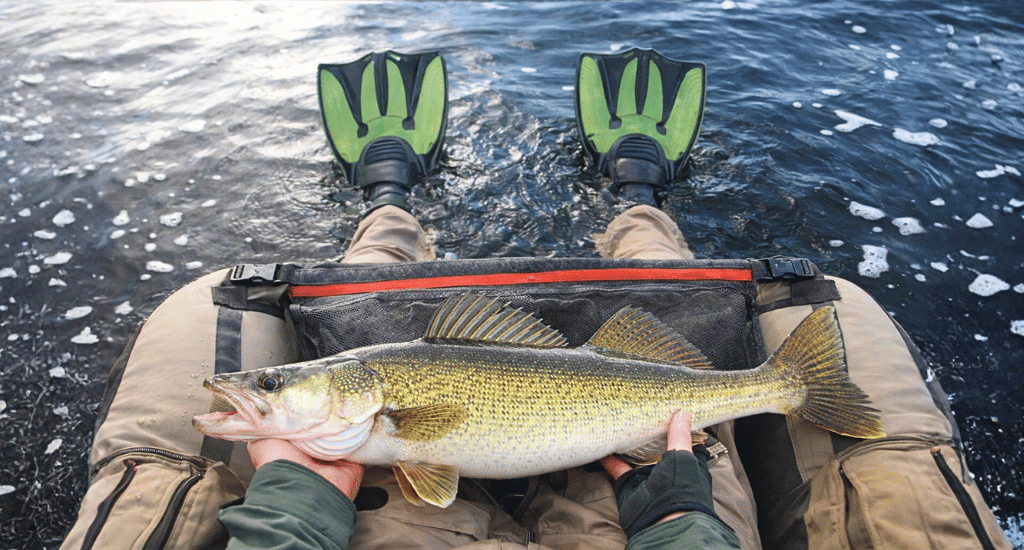
Float tubes give anglers quiet access to fish areas that shore anglers cannot easily reach. The design supports slow movement, close water contact, and relaxed fishing sessions on lakes and ponds.
- Quiet Movement – Low water position reduces splash and noise near feeding fish.
- Easy Transport – Lightweight allows carrying to remote ponds and small lakes.
- High Control – Foot movement gives precise direction and speed on still water.
- Low Cost – Costs less than boats, kayaks, or full pontoon setups.
- Close Water Feel – Sitting low improves awareness of depth, structure, and fish action.
Limitations of Float Tube Fly Fishing
Float tubes work best on calm water and fair weather conditions. Wind, cold, and distance can limit comfort and safety. Anglers must plan trips carefully and respect water conditions.
- Slow Travel Speed – Foot movement limits distance and takes more time.
- Wind Sensitivity – Strong wind pushes tubes and reduces position control.
- Cold Exposure – Legs stay in water, which causes discomfort during cold seasons.
- Limited Storage – Small pockets restrict gear and food space.
- Weather Dependence – Unsafe during storms, waves, or fast water movement.
End Note
Float tubes work well for fly fishing on lakes and ponds due to quiet movement and close water contact. They allow access beyond the shoreline and help anglers reach feeding fish easily. Simple gear, slow travel, and steady control make this method effective for many skill levels.
Stillwater anglers should try float tube fishing with care and patience. Start on calm water and short sessions. Use safety gear at all times. Practice balance and movement near shore first. Confidence grows quickly with safe habits and regular time on the water.
FAQs
Is fly fishing in a float tube safe?
Yes, fly fishing in a float tube is safe on calm lakes and ponds with proper care. A life vest, balanced tube, and weather check reduce risk. Avoid strong wind, waves, and fast water to stay secure.
Do I need special waders or fins?
Yes, chest waders and fins are important for float tube fishing. Waders keep legs warm and dry in cold water. Fins allow slow and controlled movement. Regular shoes or hip waders do not work well here.
Can beginners use a float tube for fly fishing?
Yes, beginners can use a float tube with basic guidance and practice. The slow pace helps new anglers learn control and casting. Calm water and short trips build confidence and comfort before longer sessions.