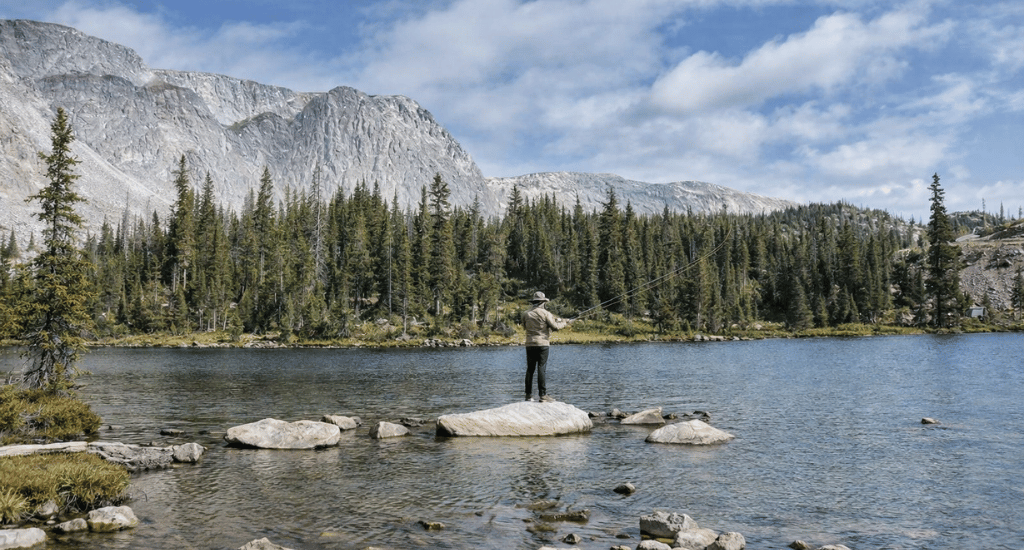
Thin air, clear water, and quiet peaks shape how to fly fish alpine lakes. These lakes sit high, stay cold, and hold trout that see well and react fast there often.
At high elevation, food stays scarce, light feels sharp, and weather shifts quickly. Trout cruise edges, weeds, and shoals, then pause near inlets or outlets to feed during short feed times.
This guide serves new anglers and seasoned hands alike. Read on to learn lake approach, trout locations, rod choice, line control, and smart changes when bites stop in alpine water today.
Best Flies And Techniques For Alpine Lake Success
Alpine lakes demand simple flies and calm action. Clear water lets trout inspect food closely. Small mistakes scare fish fast. Success comes after fly size, depth, and speed match the lake life and light.
High lakes lack heavy insect flow. Trout feed during short windows. Wind, sun, and water depth guide their path. Slow plans work best. Adjust the place and depth first when bites stop.
Productive Dry Flies For Alpine Lakes
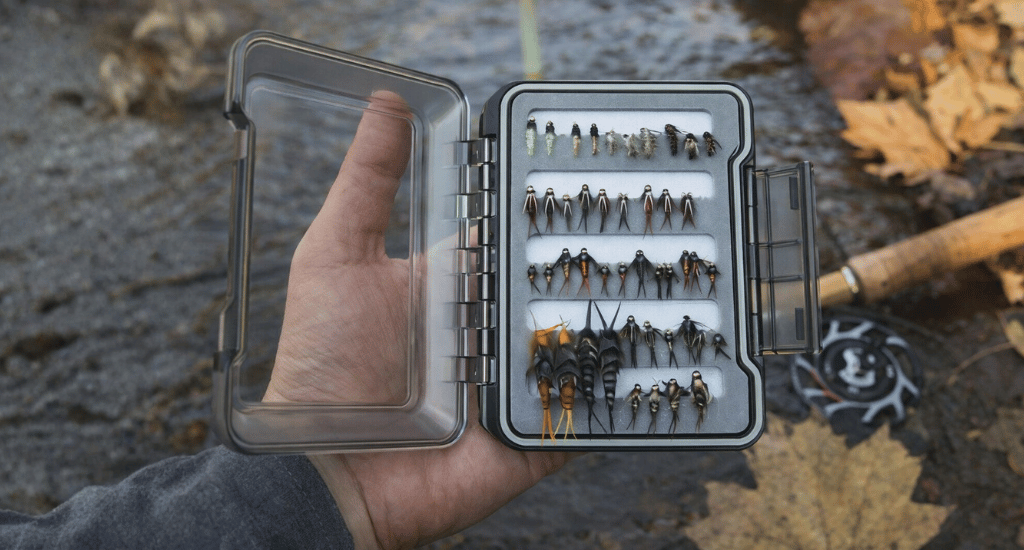
Dry flies sit on the water surface and copy adult insects. Small mayfly and midge patterns work well. Use them near weedbeds, mossbeds, and calm edges. Cast light and let the fly rest without drag.
Nymphs And Emergers That Work Best At Elevation
Nymphs sink and copy insects underwater. Emergers float just below the surface. These suit early-season alpine lake fly fishing. Fish them near inlets, outlets, and sloping shoals where trout cruise for food.
Streamers For Aggressive Alpine Trout
Streamers copy baitfish and lake leeches. Alpine trout often chase these flies. Cast along transition points and weed lines. Pull the line in short moves, then pause. This action often triggers strong strikes.
When To Fish Dry Vs Subsurface
Dry flies suit rising trout and calm water. Subsurface flies help during bright sun or cold wind. One golden rule applies here. Change depth, speed, and place first before switching flies.
Stillwater Techniques: Slow Retrieves, Wind Lanes, Sight Fish
Stillwater means lake fishing without current. Slow retrieves keep flies natural. Wind lanes collect insects on the surface. Watch for cruising trout and place flies ahead of their path with care.
Reading Water From Shore Vs Float Tube
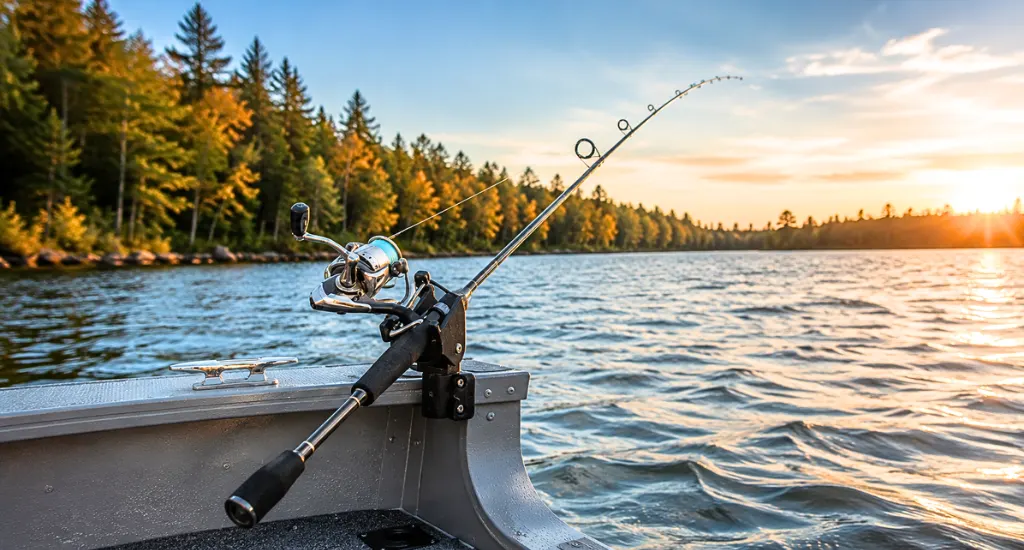
Shore fishing focuses on edges, weedbeds, and shallow slopes. A float tube lets you access deeper shoals and open lanes. In both cases, stand or sit steady with the line ready for long casts.
Essential Fly Fishing Gear For Alpine Lakes
Alpine lakes demand light, simple gear that handles wind, clear water, and long walks. The right setup helps quiet casts, better control, and fewer spooked trout in high places.
Fly Rod, Reel, And Line Setup
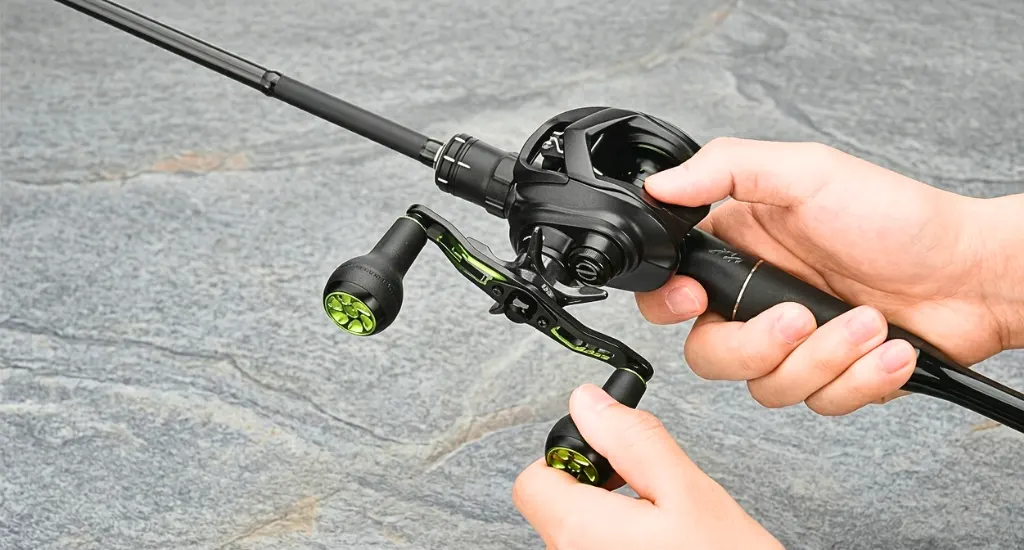
A balanced rod and line help reach cruising trout without a splash. Lightweight gear suits long hikes and open water. Smooth reels protect the thin line during strong runs.
- Rod: 9-foot rod, 4 or 5 weight, for control and reach
- Reel: Simple reel with smooth drag for alpine trout
- Line: Floating line for dry flies, nymphs, and indicator rigs
Leaders, Tippet, And Accessories
Clear water makes trout cautious. Thin leaders help flies drift naturally. Small tools keep the action smooth in changing weather. Simple gear keeps focus on water and fish.
- Leader: 9 to 12 feet for soft presentation
- Tippet: 4X to 6X for clear alpine lakes
- Extras: Polarized glasses, fly box, compact net
Timing, Weather, And Location Strategies For Alpine Lake Fly Fishing
Alpine lakes change fast, so timing, weather, and location decide success. Trout feed only during certain windows, move with the wind and sun, and follow insects. Smart planning puts anglers in the right place at the right moment.
Best Seasons For Alpine Lake Fly Fishing
Spring and early summer bring hatches, rising trout, and clear water. Late summer works too, but warmer water can slow feeding. Early season requires warm clothes, patience, and careful casting near edges or weedbeds for active fish.
How Time Of Day Affects Trout Activity
Trout feed more in the morning and late afternoon when the light is soft. Midday sun often slows them under shade or deep water. Adjust fly choice and depth to match their movement for the best strikes throughout the day.
Understanding Mountain Weather Patterns
Mountain weather shifts quickly. Clouds, wind, and sudden storms affect trout behavior. Fish may dive or pause feeding during strong winds or rain. Track forecasts and watch for sudden changes to stay safe and productive on the water.
Wind, Cloud Cover, And Insect Hatches
Wind moves insects and forms natural feeding lanes for trout. Cloudy skies reduce light and encourage surface feeding. Matching flies to active hatches, especially midges and mayflies, improves chances during calm or windy periods.
Choosing Productive Lake Zones (Inlets, Outlets, Drop-Offs)
Trout gather where food concentrates. Inlets bring insects and small fish, outlets flush them through the lake, and drop-offs hold cruising trout. Cast near edges, sloping shoals, and mossbeds. Read patterns before making each cast for best results.
Alpine Lake Fly Fishing Ethics And Conservation Tips
Alpine lakes are fragile and remote. Respecting the environment keeps trout healthy and preserves the scenery. Following ethical practices helps anglers enjoy these waters for years while protecting wildlife, plants, and the delicate high-elevation ecosystem.
Leave No Trace Principles For High-Elevation Lakes
Pack out all trash, line scraps, and gear. Avoid disturbing plants or soil near the shore. Stick to established paths and campsites. Small actions, like minimizing noise and stepping carefully, prevent long-term damage to fragile alpine terrain.
Catch-And-Release Best Practices
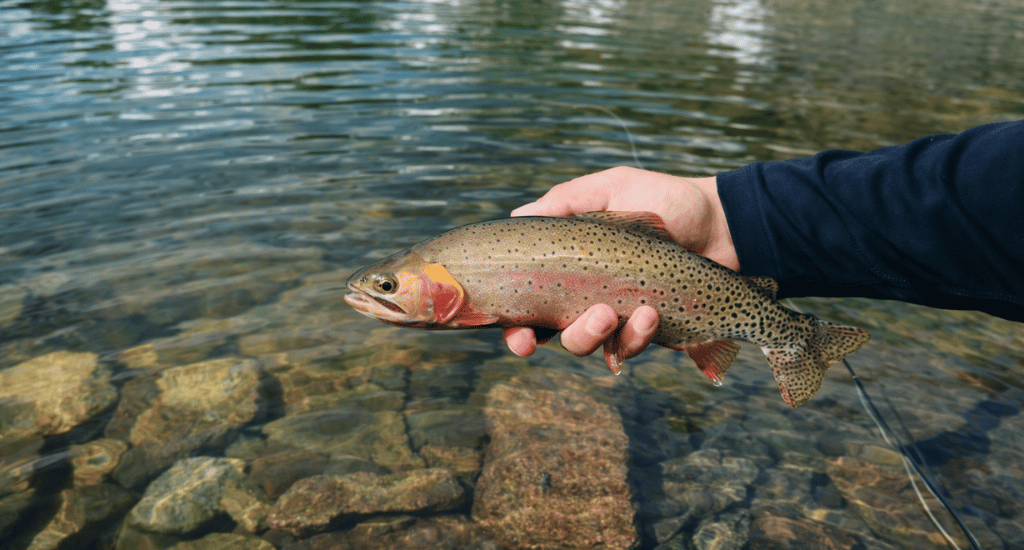
Handle trout gently to keep them alive. Use barbless hooks, wet your hands before touching fish, and release quickly. Avoid dragging fish on rocks. Proper catch-and-release preserves trout populations and ensures healthy runs in future seasons.
Handling Fish Safely In Cold, Oxygen-Poor Water
Cold, high-elevation water holds less oxygen, stressing fish quickly. Limit time out of water, support their body fully, and return them upright. Avoid squeezing or dropping fish. Quick, careful handling reduces mortality and keeps trout active.
Protecting Fragile Alpine Ecosystems
Do not trample moss, weeds, or shoreline plants. Avoid stirring sediment in shallow areas. Limit human impact to a single path. Each thoughtful step maintains water clarity, vegetation, and insect populations that trout rely on for food.
Respecting Local Regulations And Native Species
Check fishing limits, seasonal closures, and protected species rules. Some alpine lakes restrict fly type or daily catch. Follow signage and local guidance. Respecting these regulations ensures native trout thrive and preserves the natural balance of the lake.
Conclusion
Alpine lake fly fishing works best with careful planning, proper gear, and respect for trout behavior. Focus on timing, fly selection, and reading edges, shoals, and inlets while following ethical practices to protect fragile high-elevation waters.
Patience and quiet observation make the difference between strikes and empty casts. Explore lakes responsibly, adjust retrieves, watch the weather, and change tactics before switching flies. Each thoughtful step, careful cast, and careful landing of a trout improves your chances and keeps alpine waters healthy for seasons to come.
FAQs
What Is The Best Time Of Year To Fly Fish Alpine Lakes?
The best time of year to fly fish alpine lakes is from ice-off in spring through early fall. Trout feed actively during insect hatches in spring and summer, while cooler early fall water encourages consistent bites before the lake freezes.
Do I Need A Float Tube For Alpine Lake Fly Fishing?
You do not always need a float tube for alpine lake fly fishing. Shore fishing works well for edges and shallow zones, while a float tube gives access to deeper water. Choice depends on lake size, trout location, and comfort.
What Flies Work Best In Clear Alpine Water?
In clear alpine water, the best flies include small dry flies, subtle midges, and matching nymphs. Trout react to realistic size and delicate presentation. Bright or large flies often scare fish, so subtle patterns improve success.
How Do I Approach Spooky Trout In Alpine Lakes?
To approach spooky trout in alpine lakes, stay low, move slowly, and cast from a distance. Watch for trout movements and shadows. Present flies naturally, adjust drift, and avoid sudden actions to increase the chance of a strike.