Salmon fishing feels very different because these fish are strong, fast, and hard to control. Many anglers use the wrong rod size, which causes weak hook sets and poor casting distance. A bad rod size can lead to lost fish and broken lines.
So, what size rod for salmon fishing works best for each method? Bank fishing needs an 8.5 to 10.5-foot rod for long casts. Boat fishing works well with a 9 to 10-foot rod. Spinner setups use 8’6″ to 9’6″ rods, while bobber fishing performs best with a 9 to 10-foot rod.
Salmon are powerful fish, so you must stay careful with every choice you make. The right rod size plays a big role in your success on the water. This blog will explain everything in simple steps.
Best Rod Length by Fishing Technique
The right rod length depends on how and where you fish for salmon. Each method needs a different setup for better casting, control, and strength. This section explains the best rod size for each common salmon fishing style.
Bank Fishing (Shore Fishing)
Fishing from the shore needs longer casts to reach deeper water where salmon move. A longer rod helps you cover more distance and control the line better during strong currents and fish movement.
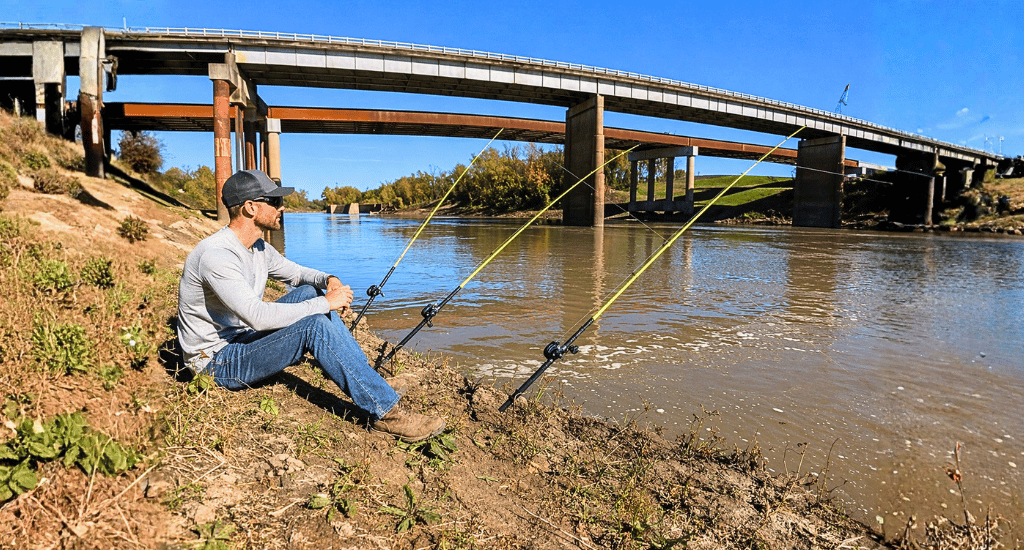
A rod with enough length also helps you fight big salmon safely without losing tension. It is often seen as the best size rod for salmon fishing when you fish from rivers or wide banks.
- Recommended: 8.5-10.5 ft rod
- Why: Longer casts are needed to reach deeper water
- Best: 9-10.5 ft medium-heavy rod for strength and control
Boat Fishing
Boat fishing keeps you close to salmon, so long casting is not always required. A shorter rod feels easier to handle and gives better control when a fish fights near the boat.
This setup works well when you want a quick reaction and a strong grip during the fight. It also matches well with setups used in what size rod and reel for salmon fishing setups on boats.
- Recommended: 9-10 ft rod
- Why: Less need for long casting distance
- Advantage: Better control in close-range fights
Spinner Fishing
Spinner fishing uses lures that need smooth and steady movement in water. A balanced rod length helps keep your casts accurate and gives better control over lure action during retrieval.
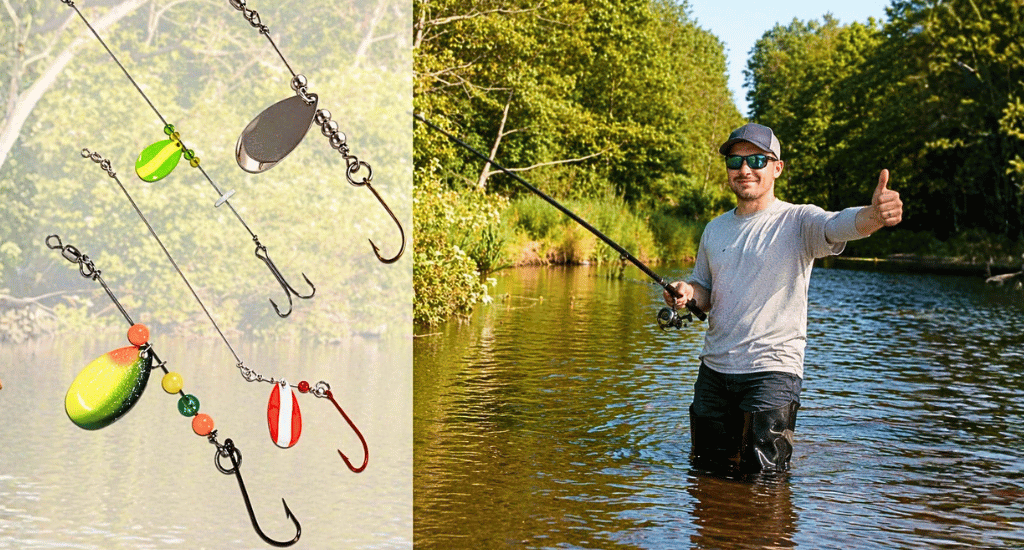
This rod size helps maintain a natural motion that attracts salmon in rivers. It also supports easy casting for beginners who want to learn proper lure control without heavy effort.
- Recommended: 8’6″ to 9’6″ rod
- Why: Smooth casting with lures
- Example setup: 8.5-9.5 ft rod for better balance
Bobber Fishing
Bobber fishing requires strong line control to keep the bait at the correct depth. A longer rod helps guide the line and keeps your setup steady, even when the water current moves fast.
This method works well in rivers where salmon move with the flow. This is the right size rod, especially for beginners, as it allows better adjustment of drift and keeps your bait in the right position longer.
- Recommended: 9-10 ft rod
- Why: Easier line control and mending
- Benefit: Keeps bait at the correct depth
Trolling (Saltwater/Boat)
Trolling often uses multiple lines, so rod length helps keep lines separated in the water. A longer rod reduces the chance of tangles and keeps your setup clean and effective.
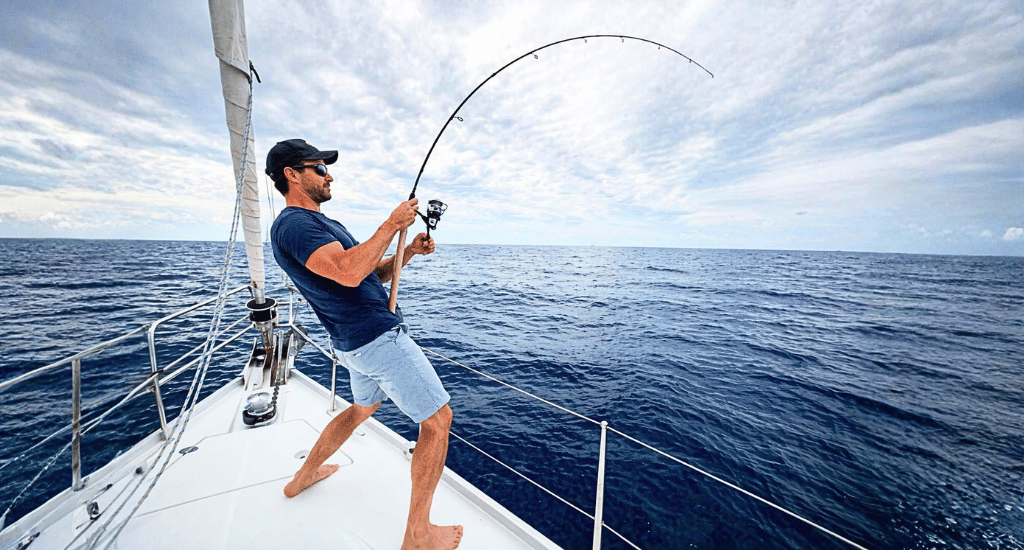
This method is common in saltwater and large lakes where boats move slowly. Longer rods also help spread lines wider and improve your chance of catching more fish.
- Recommended: 8’6″ to 11 ft (often 10’6″)
- Advanced range: Up to 12’6″ in some setups
- Purpose: Spread lines and reduce tangles
Why Rod Length Matters in Salmon Fishing
Rod length plays a key role in how well you cast, control fish, and manage your line. The wrong length makes fishing harder, while the right one improves your chances of success in different water conditions.
Casting Distance
Rod length directly affects how far you can cast your line in open water. Longer rods, usually between 8.5 to 10.5 feet, help send bait farther from shore. This is important when salmon stay in deeper areas away from the bank.
Fish Control and Leverage
Salmon are strong fish that pull hard and make fast runs during the fight. A longer rod gives better leverage and helps you stay in control. This extra strength reduces the chance of losing fish during heavy pressure.
Line Control (Mending Line)
Line control becomes easier when you use a longer rod in moving water conditions. Rods around 9 to 10 feet allow better adjustment of the line on the water. This helps keep bait in the correct path during drift or bobber fishing.
Fishing Location Impact
The fishing location decides what rod length works best for your setup and comfort. Smaller rivers work better with shorter rods, around 8.5 to 9 feet. Larger rivers and open banks need longer rods between 9.5 and 10.5 feet.
Choosing the Right Rod Power and Action
Rod power or action decides how strong your rod feels and how it reacts during a fight. These two features help you handle salmon safely and improve hook sets when a fish bites your bait.
Rod Power for Salmon
Rod power shows how much force a rod can handle during casting and fighting fish. Salmon need medium-heavy to heavy rods because they pull hard and fight with strong energy in the water.
- Recommended: Medium-heavy to heavy
- Handles: 12-20 lb line strength
- Why: Salmon are strong and aggressive fighters
Rod Action Explained
Rod action explains how fast the rod bends when pressure is applied during fishing. Fast or moderate-fast action rods respond quickly and help detect light bites before the fish moves away.
- Best: Fast or moderate-fast action
- Benefits: Better bite detection and quick response
- Advantage: Strong hook sets with more control
Common Mistakes When Choosing a Salmon Rod
Many anglers make simple mistakes when selecting a salmon rod, which affects their success on the water. These issues often come from poor setup choices, especially when deciding what size rod and reel for salmon fishing works best.
- If you use rods that are too short can limit casting distance. Also, these short rods make it hard to reach deeper water, where salmon usually travel and feed in strong current areas
- Using rods that are too light can fail under pressure, as salmon fight hard and can bend or even damage a weak rod during long battles
- Ignoring rod action can lead to poor hook sets, because slow-response rods may not transfer enough force when a salmon bites your bait
- Not matching the reel and line properly can create an unbalanced setup. It reduces control, lowers casting accuracy, and increases the chance of losing fish
Conclusion
Most anglers will find that a 9 to 10.5 feet rod works best in many salmon fishing situations. The best size rod for salmon fishing is not about extreme length, but about balance, comfort, and proper control during casting and fighting.
The key idea is to match your rod length with your fishing method, location, and salmon size. The right setup improves casting distance, control, and landing success, so start balanced and adjust based on your fishing style.