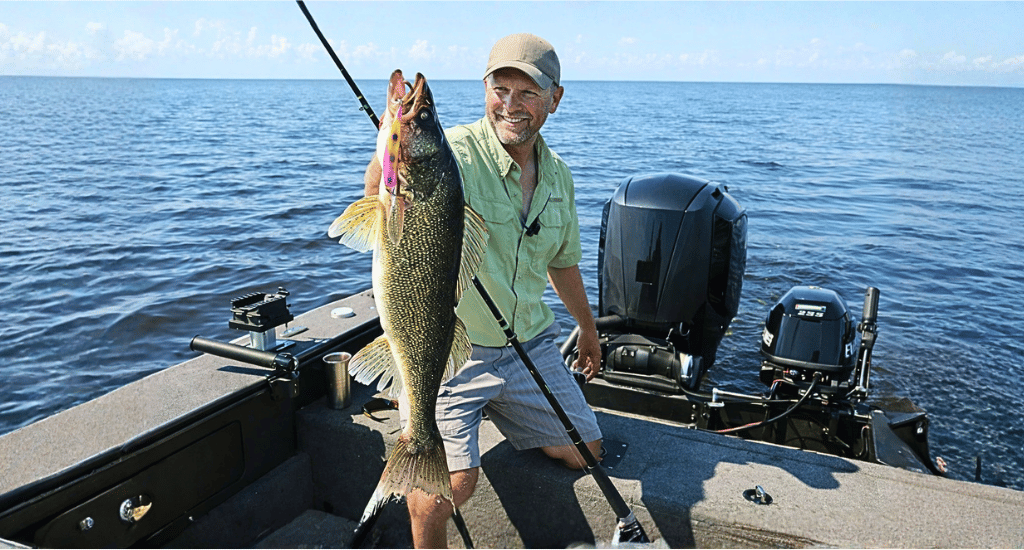
Rod size often confuses many anglers, especially when options like 6 feet, 6’6”, and 7 feet all seem similar at first glance. This confusion leads many people to ask what size fishing rod for walleye is before they make a purchase.
A 6’6” to 7-foot rod with medium-light or medium power works best for most situations. This specific size gives better control, helps you feel light bites, and improves your hookset when fish strike softly.
Learning the right size is important for better results. Here’s everything you need to know.
What Size Fishing Rod for Walleye? (Best Overall Setup)
Many anglers feel unsure because even a small change in rod size can affect control and bite feel. Walleye bites stay light and easy to miss, so the right setup matters a lot. This section explains the best length, power, and action in a simple and clear way.
Recommended Rod Length
Rod length means how long the rod is from the handle to the tip. This length affects how far you cast, how well you control the lure, and how clearly you feel bites. A balanced length works best for most people.
- 6’6″ to 7′ = ideal range for most anglers
- 5.5 to 7 feet = total usable range for different situations
- 6’6″ = best all-around rod if you use only one rod
- 7′ medium or medium-light = most recommended overall choice
A 6’6″ rod feels easy to handle and gives smooth control in both lakes and rivers. It works well when you fish from a boat or near the shore. Many anglers prefer this size because it offers a good mix of casting distance and accuracy.
A 7-foot rod gives you more reach and slightly better casting distance. This helps when fish stay far from your position. It also adds strength during hooksets, which helps when a fish bites lightly. This size works very well in open water where space is not a problem.
Shorter rods, like 5.5 to 6 feet, still work in tight areas. These rods help when space feels limited or when you need quick control. Still, most anglers find 6’6″ to 7′ more useful for everyday fishing situations.
Recommended Rod Power & Action
Rod power shows how strong the rod feels when you apply pressure. Rod action shows how and where the rod bends during use. These two features play a big role in bite detection and hooksets.
- Medium-light power = best for sensitivity and light bites
- Medium power = more strength and wider use across techniques
- Extra-fast action = quicker response when a fish bites
Medium-light power works best for walleye because these fish often bite softly. This type of rod helps you feel even the smallest tap. It also bends more easily, which helps keep the fish hooked during the fight.
Medium action or power rods give more strength, which helps when fish grow larger or when water conditions feel rough. This type of rod still works well, though it may not feel as sensitive as medium-light options.
Action matters just as much as power. Extra-fast action means the rod bends mostly near the tip. This helps you react faster when a fish bites. It also improves hooksets because less force gets lost along the rod.
Ideal All-Around Setup
A simple and proven setup works well for both beginners and experienced anglers. This setup gives balance, control, and a strong bite feel without adding extra complexity.
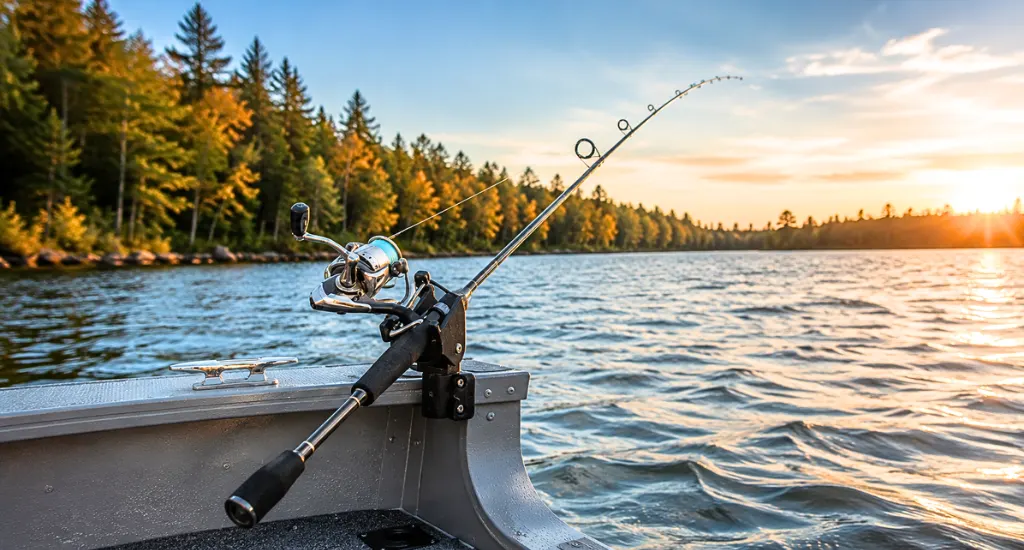
- Rod: 6’10” medium-light, extra-fast action
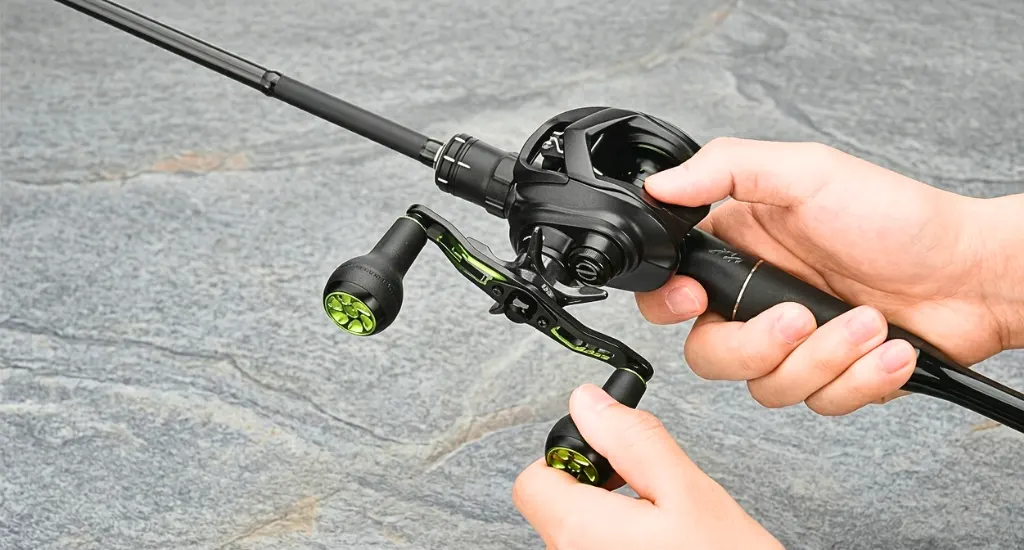
- Reel: 2500-size spinning reel
- Line: 10 lb braid
A 6’10” rod sits right between 6’6″ and 7 feet, which makes it very balanced. It offers enough length for casting while still giving good control during lure movement. The medium-light power keeps the rod sensitive, which helps you feel soft bites clearly.
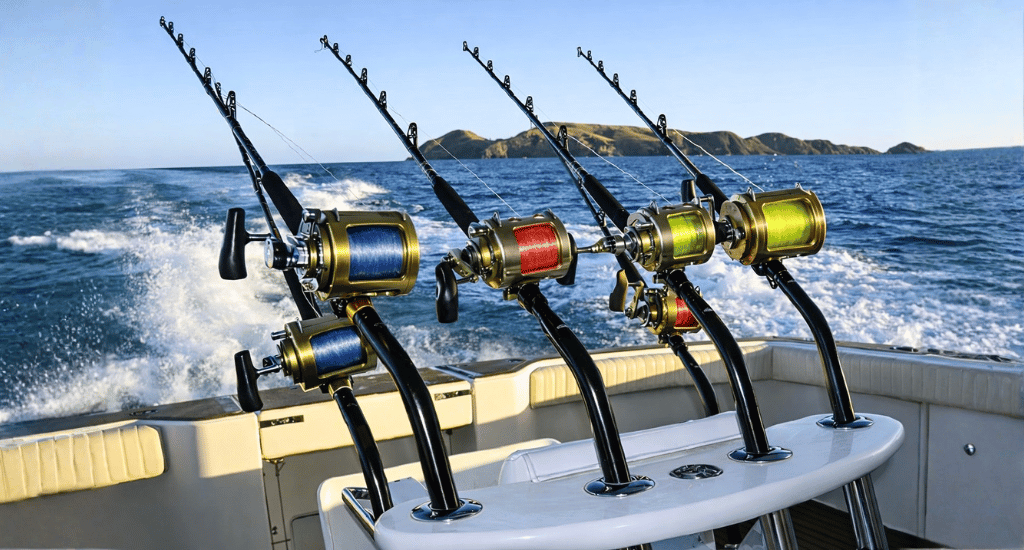
A 2500-size reel pairs well with this rod because it feels light and easy to use. It holds enough line for most situations without making the setup heavy. This balance helps you fish longer without fatigue.
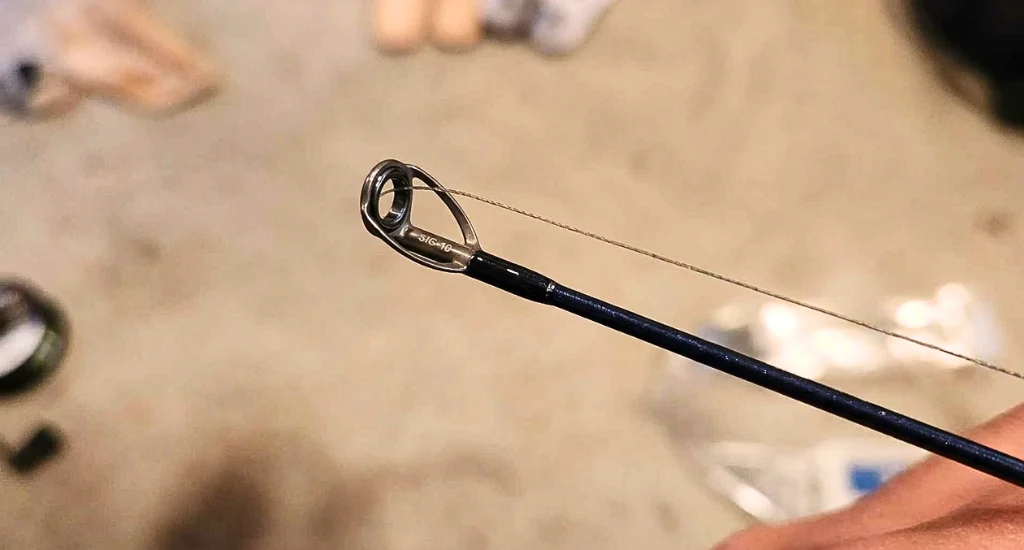
A 10 lb braided line adds strength and better sensitivity. Braid has very little stretch, so you feel each bite more clearly. It also improves hooksets because your response transfers directly to the hook.
Best Rod Length for Different Walleye Techniques
Different fishing methods need different rod lengths for better control and stronger results. One rod can work in many cases, but the right size improves performance and makes fishing easier and more effective.
Jigging
Jigging needs strong control and a clear feel of the bottom. A 7′ medium action rod works best for this method.
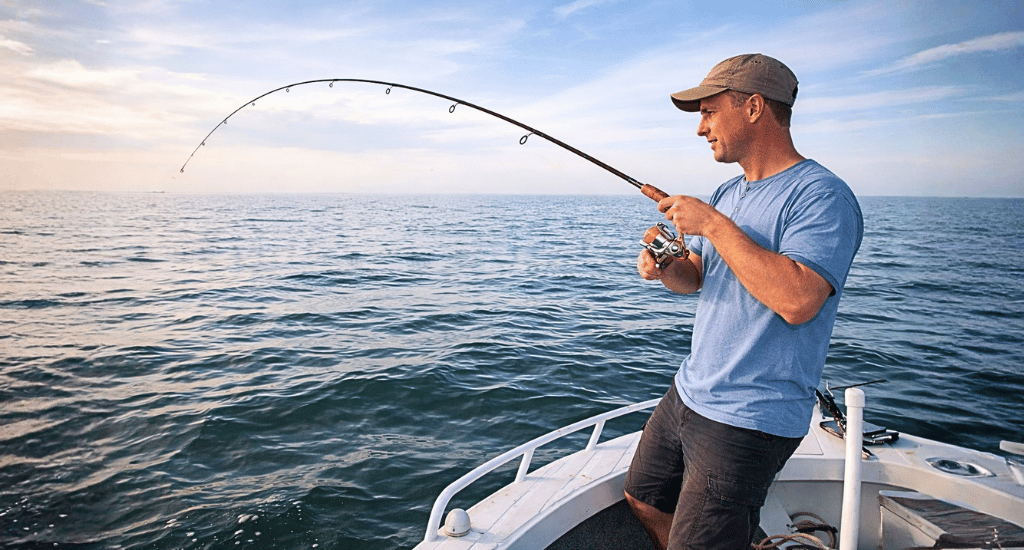
With this length, you can feel light bites and small changes on the lake floor more clearly. It also adds power to your hookset, which helps when walleye bite very softly.
Casting & General Fishing
Casting works well when you want to cover more water and locate active fish. A 6’6″ to 7′ medium-light rod is the best choice.
On the contrary, a 6’6″ rod offers better control and accuracy near structure or shallow water. A 7-foot rod gives extra casting distance and helps reach fish that stay farther away.
Jerkbait Fishing
Jerkbait fishing needs sharp downward rod movement to create proper lure action. A rod around 6’10” works best for this technique.
That slightly shorter length allows smoother movement without hitting the water surface. It also keeps each motion controlled, which makes the lure look more natural.
Trolling & Planer Boards
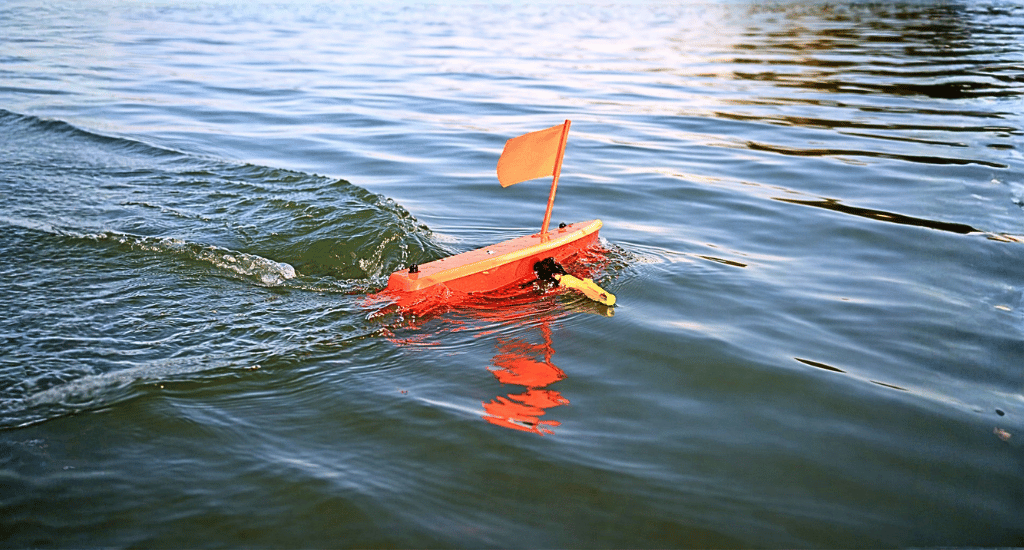
Trolling requires longer rods to manage multiple lines and spread them out. A 7’6″ rod that telescopes to 6’6″ works very well. A longer rod keeps lines separated and reduces tangles during slow movement. It also gives better control when a fish pulls hard on the line.
Ice Fishing Rod Size
Ice fishing happens in tight spaces, so a shorter rod works better. A rod between 28 and 32 inches is ideal. Short length allows a quick response when a fish bites under the ice. It also helps you control the line easily without wide movements.
Spinning, Fly & Ice Rod Sizes for Walleye
Different rod types serve different fishing styles, so size depends on how and where you fish. Spinning, fly, and ice rods each have their own ideal setup. This section explains the right size for each option.
What Size Spinning Rod for Walleye
A spinning rod works best for most anglers because it feels simple and easy to control. The ideal choice for a walleye spinning rod is a 6’6″ to 7′ medium-light rod.
This size gives a good balance between sensitivity and casting distance. It helps you feel light while still offering enough strength during the fight.
Pair the rod with a 2500-size reel and 8-10 lb line for better performance. This setup feels light in hand and works well for jigging, live bait, and general use.
What Size Fly Rod for Walleye
Fly fishing for walleye needs a stronger rod than trout setups because the flies are larger. The best answer for what size fly rod for walleye is a 6 to 8 weight rod.
A rod length between 8’6″ and 9′ works well in most situations. This size helps with casting control and line management in open water.
The setup suits rivers and shallow lakes where fish stay close to the surface. It also gives enough power to handle wind and slightly heavier flies.
What Size Ice Fishing Rod for Walleye
Ice fishing needs a much shorter rod because space is very limited. The ideal size for what size ice fishing rod for walleye is 28-32 inches.
This exact length allows a quick response when a fish bites under the ice. A medium-light power rod helps you feel subtle bites and react without delay.
Short rods also make it easier to control the line in small holes. This setup keeps your movements tight and effective during cold conditions.
Final Thought
A 6’6″ to 7′ medium-light rod works best for most walleye fishing situations. It gives good balance, better bite feel, and solid control. This size helps beginners and experienced anglers fish with more confidence.
Technique still plays a key role in rod choice. Jigging works best with a 7-foot rod, while jerkbait use suits a 6’10” rod. Ice fishing needs a 28-32-inch rod. Start with a versatile setup, then adjust based on your fishing style.
FAQs
Is a 7-foot rod good for walleye fishing?
A 7-foot rod works very well for walleye in most situations, especially in open water and jigging setups. It gives longer casts, better line control, and stronger hooksets, which help when fish bite lightly.
Can I use a 6-foot rod for walleye?
A 6-foot rod can still catch walleye, especially in tight spots or when you use jerkbaits. It gives better control in small areas, but a shorter length limits casting distance compared to longer rods.
What size ice fishing rod for walleye is ideal?
A rod between 28 and 32 inches works best for ice fishing because space is limited. This specific size gives quick response, better control, and improved sensitivity, which helps you detect soft bites under the ice.