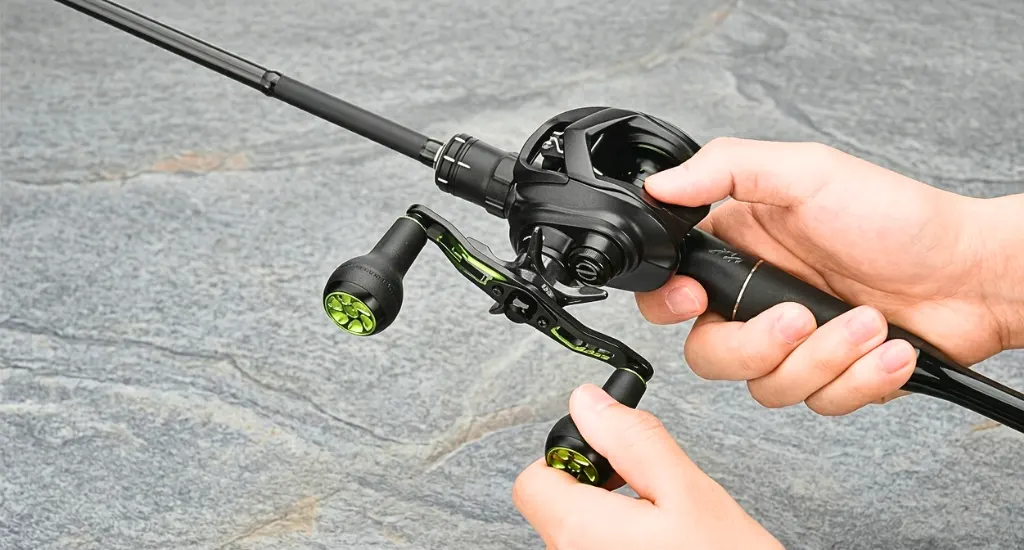
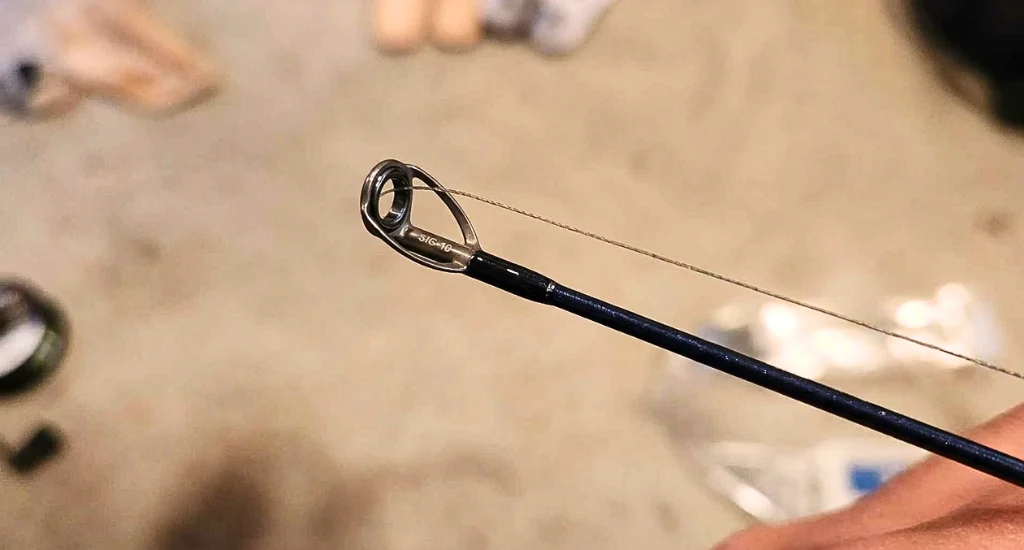
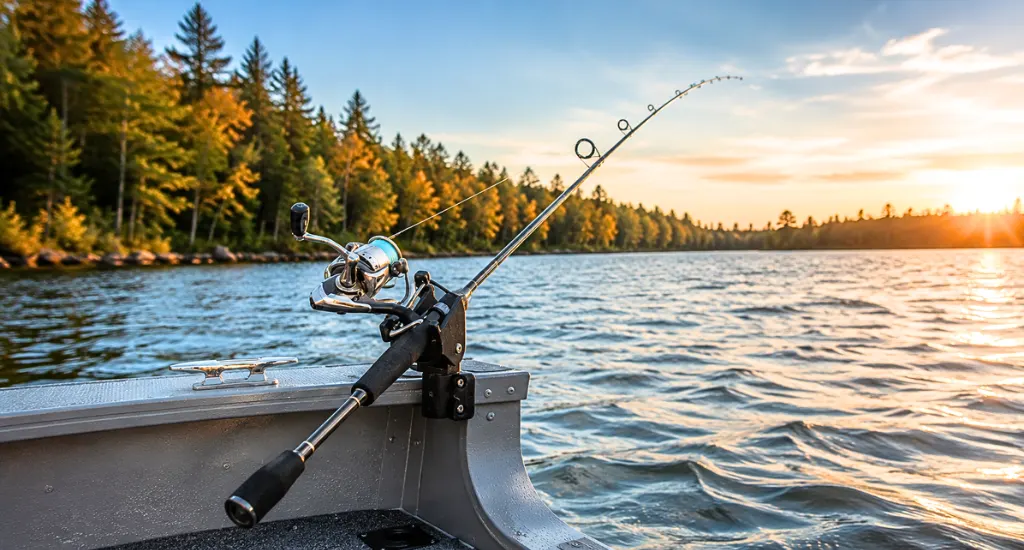
Many anglers feel confused when casts fail or control slips during trout fishing sessions. What’s the best size rod for trout fishing in most situations? A rod around six to seven feet gives steady control and smooth casting for beginners.
Many problems start when the rod length does not match the fishing spot or water type. Short rods limit casting distance, while long rods feel hard in tight spaces, yet trout can bite many rod sizes.
This guide will explain the best size rod for trout fishing, spinning and fly options, and simple setups for better fishing results.
Best Size Rod for Trout Fishing (Complete Breakdown)
Picking the best size rod for trout fishing helps you cast better and control your line with ease. Trout accept many rod sizes, yet the correct length improves accuracy, comfort, and success in most fishing spots.
What Is the Ideal Rod Length for Trout Fishing?
The ideal rod length for trout fishing sits between 6 feet and 6 feet 10 inches for most spinning setups. This range feels balanced in hand and works well in many common fishing spots.
This size range gives you:
- Good control over your casts
- Enough distance for small rivers and streams
- Easy handling for beginners
Most anglers prefer this range because it suits many situations without major problems. You can fish in moving water, small rivers, or calm areas with steady results.
Can You Use Any Rod Size for Trout?
Yes, trout can be caught with many rod sizes, so you are not limited to one option. A 4’6″ rod and a 7’6″ rod will both catch trout without much trouble.
Each rod size offers a different advantage:
- Short rods help in tight spaces with trees or bushes
- Longer rods give more casting distance and better line control
Short rods work well when space feels limited, like narrow creeks or areas with heavy cover. Longer rods perform better in open water, where you need more reach and smoother line movement.
Best Spinning Rod Length for Trout Fishing
The best size spinning rod for trout fishing usually falls between 6 feet and 7 feet. This length gives a strong balance between casting distance and control.
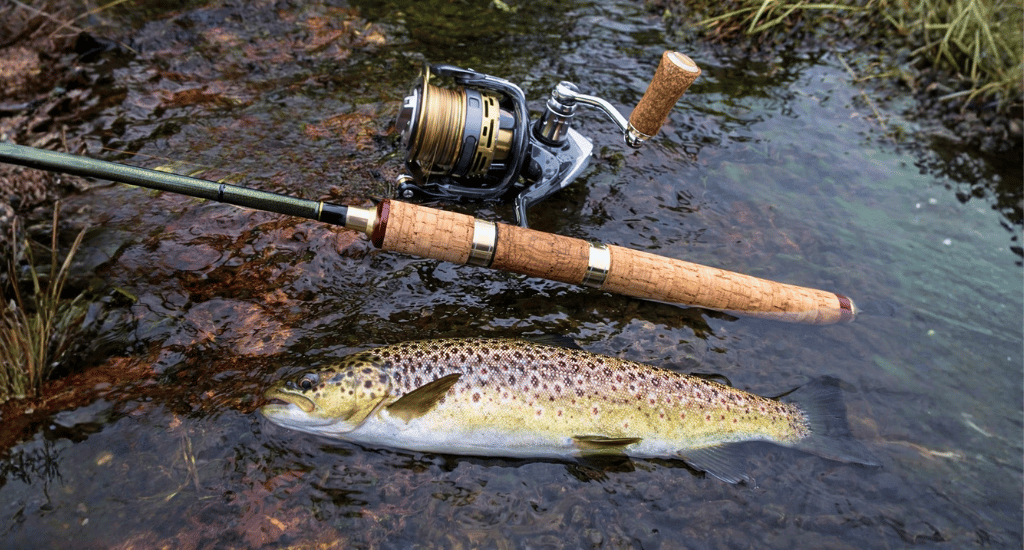
A 6’6″ ultralight rod stands out as a popular and reliable choice. Light power rods also work well for most trout fishing situations.
Key benefits of this setup:
- Better sensitivity to feel small bites
- Smooth casting with light lures
- Easy control for beginners and casual anglers
Ultralight rods bend easily, which helps you detect even soft bites from trout. It can make your fishing more enjoyable and increase your chances of success.
Best Fly Rod Size for Trout Fishing
Many anglers ask, what is the best size fly rod for trout fishing in most conditions. The standard answer is a 9-foot, 5-weight rod, which remains the most common choice.
This setup works well because:
- It suits many trout fishing environments.
- It balances power and control nicely.
- It is widely trusted by experienced anglers.
Most fly rods measure around 9 feet for good reason. This length makes casting easier and improves line control in the water.
It also helps with:
- Smooth casting motion.
- Better roll casts in rivers.
- Easier line mending for natural drift.
This rod size gives you a stable and reliable experience in many trout fishing situations.
When to Use Longer Rods (8-9 Feet)
Longer rods between 8 and 9 feet offer clear advantages in certain fishing conditions. These rods help you manage your line better in deeper water.
They are especially useful when:
- Fishing in rivers with deep runs
- Covering large pools
- Using trout magnets in flowing water
A key benefit comes from how these rods help float your lure naturally through water. It improves your chances of attracting trout.
Main advantages include:
- Longer casting distance
- Better drift control
- More reach in open water
When to Use Shorter Rods (Under 6 Feet)
Shorter rods under 6 feet work best in tight and crowded fishing areas. These rods feel easy to handle and give you better control in small spaces.
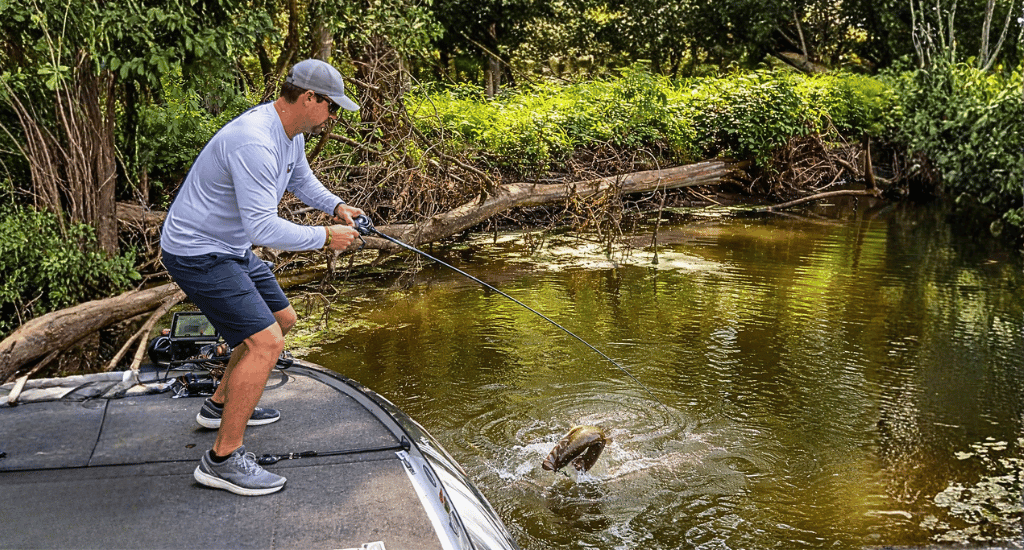
They are ideal for:
- Narrow creeks
- Overgrown banks with trees and bushes
Benefits of shorter rods:
- Easy movement in tight spots
- Accurate short casts
- Less effort during fishing
This type of rod helps you place your lure exactly where trout hide, even in difficult spots.
How to Choose the Best Rod Size for Your Situation
Choosing the right rod size depends on where you fish, your skill level, and the style you prefer. A proper match makes casting easier and helps you control the line with less effort.
Based on Fishing Location
Fishing location plays a big role in rod size choice for trout fishing. Small streams work best with shorter rods around 4’6″ to 6 feet for easy movement.
Medium rivers feel comfortable with rods between 6 and 7 feet for balanced casting and control. Large rivers and lakes need longer rods from 7 to 9 feet for better reach and line control.
Based on Skill Level
Skill level also affects how a rod feels during fishing sessions on the water. Beginners often do well with a 6’6″ spinning rod because it offers simple control and smooth casting.
A 9-foot fly rod works as a standard setup for those who want to learn fly fishing basics. Experienced anglers can adjust rod size based on technique and personal comfort.
Based on Fishing Style
Fishing style also decides which rod size works best in different trout fishing situations. Spinning setups use shorter and lighter rods for easy casting and quick control. Fly fishing setups use longer rods, around 8 to 9 feet, for better line control.
What Type of Rod Is Best for Trout Fishing?
The best rod type depends on your skill level, fishing style, and where you fish. A good match makes casting easier and helps you control the line with more confidence.
Spinning Rods
Spinning rods suit beginners because they feel simple and easy to use in most situations. They work well with live bait and small lures, which makes them very flexible. This setup gives smooth casting and steady control in rivers, streams, and lakes.
Fly Rods
Fly rods work best for natural bait presentation in rivers and flowing water areas. They need more skill because the casting style feels different from that of spinning rods. A longer rod helps control the line and improves how the bait moves in water. Check out our Fly Fish a River blog for more expert tips.
Ultralight Rods
Ultralight rods feel very sensitive and help detect even soft trout bites easily. A 6’6″ ultralight rod remains a popular choice for better control and comfort.
End Note
Trout can be caught with many rod sizes, so you are not limited to one option. Still, the right size makes casting easier and gives better control in different fishing conditions.
A 6’6″ spinning rod or a 9 ft 5-weight fly rod works well for most anglers. So, choose your best-sized rod for trout fishing based on where and how you fish, instead of following general advice without thinking.
FAQs
Is a 7-foot rod good for trout?
Yes, a 7-foot rod works very well for trout fishing in most situations. It offers a strong balance between casting distance and control, which helps anglers place lures accurately while still reaching fish in slightly wider water areas.
Can I use a 5-foot rod for trout?
Yes, a 5-foot rod can catch trout, especially in small and tight streams. It feels easy to handle in narrow spaces, but a shorter length reduces casting distance, which may limit reach in open water conditions.
Why are most trout fly rods 9 feet long?
Most trout fly rods are 9 feet long because this length makes casting smoother and more controlled. It also helps manage the line better on water and improves mending, which keeps the bait drifting naturally with the current.