Rod size matters a lot in kayak fishing because space stays tight and movement feels limited inside the kayak. A long rod can hit your seat, while a short one reduces casting distance and control.
Many anglers struggle with casting angles while sitting low on the water, which changes how the rod feels during use. The best size rod for kayak fishing usually stays between 6.5 and 8 feet, based on kayak size, body position, and fishing style.
This guide will explain how to pick the best size rod for kayak fishing, simple setup ideas, and what works best in real situations.
Best Size Rod for Kayak Fishing (Quick Answer + Full Breakdown)
Rod length creates a big difference when you fish from a kayak with limited space. The right size helps smooth casting, better control, and comfort during long sessions on the water.
Ideal Rod Length Range
Most anglers agree that the best size rod for kayak fishing stays between 6.5 and 8 feet for general use. This range gives enough casting distance while still fitting inside a small kayak space.
A very popular choice sits around 7 to 7.5 feet, which many anglers call a balanced option. This size feels comfortable in the hand and works well for many fishing styles without major problems.
Some setups allow slightly longer rods, especially in larger kayaks with more open space. In those cases, rods around 7.5 to 8.5 feet can offer better casting distance and improved control over fish.
Shorter rods also have their place, mainly in small rivers and narrow creeks with tight casting spots. Many anglers use rods between 5’10” and 6’10” in these areas for better accuracy and easier movement.
Sitting vs Standing – What Size Works Best?
Your body position changes how a rod feels during casting and fish control in a kayak. The wrong size can cause discomfort and reduce your overall performance on the water.
Sitting in a Kayak
A shorter rod usually works better when you stay seated close to the water surface. The ideal size stays around 6 to 6.5 feet, which helps avoid contact with your seat or body.
A long rod in this position can hit your life vest or seat edge during casting. This small problem can quickly become frustrating during a long fishing session.
Standing in a Kayak
Standing gives more freedom for casting and better angles toward the water. A rod length of 7 to 7.5 feet works well in this position for distance and control.
This extra length helps guide the line over the kayak’s edge and improves control during a fight with a strong fish.
Rod Butt Length Matters Too
Rod length alone does not decide comfort, as the handle section also plays an important role. The butt length should stay between 10 and 14 inches for most kayak setups.
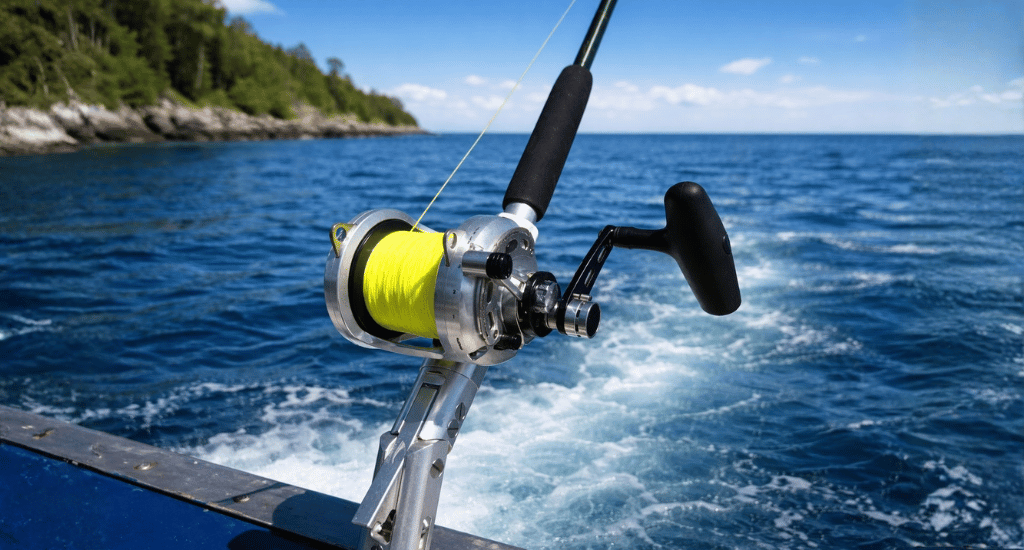
A longer butt can hit your seat or life vest during casting or hook setting. This creates discomfort and reduces smooth movement during fishing.
A very short butt removes some power during casting and fish control, which makes the rod feel less stable. A balanced length gives both comfort and strength during use.
Best Rod Action and Power for Kayak Fishing
Rod action and power describe how the rod bends and how strong it feels under pressure. These features affect casting, hook setting, and fish control in simple ways.
Many anglers prefer rods around 7 to 7.5 feet with medium or medium-heavy power. These options work well for many types of fish and different fishing styles.
A fast-action rod bends near the tip, which helps set the hook quickly and clearly. This works well for lures where quick response matters.
A moderate or moderate-fast action rod bends deeper along the blank, which suits moving lures like crankbaits. This bend helps keep the fish hooked during sudden movement.
Medium power gives a good mix of strength and flexibility, while medium-heavy adds more control for larger fish. These setups fit most kayak fishing situations without confusion.
Short vs Long Rods – Which One Should You Choose?
Choosing between short and long rods depends on your kayak size, fishing spot, and comfort level. Each option offers clear advantages along with a few trade-offs.
Short Rods (Under 7 ft)
Short rods feel easy to manage inside a tight kayak space with limited movement. They suit seated anglers who want smooth control without hitting nearby surfaces.
These rods also work well in small rivers where space remains restricted. However, they provide less casting distance compared to longer options in open water.
Long Rods (7+ ft)
Long rods help cast farther and give better control during a fight with strong fish. They also guide the line around the kayak more easily during tricky situations.
These rods can hit the kayak’s edge or water surface in tight spaces, especially when seated. This can reduce comfort and affect smooth casting in some cases.
Real Angler Preferences (From Experience Data)
Experienced anglers often use different rod sizes based on the fishing location and target fish. There is no single size that works perfectly in every situation.
Some anglers rotate rods between 24 inches and 7’6″, depending on their needs and fishing style. This wide range shows how flexible kayak fishing setups can be.
For creek fishing, many prefer rods around 5’10” to 6’10” for better control and easy movement. These shorter rods handle tight casting spots with less effort.
The main idea stays simple: rod size depends on your fishing environment and target species. The best size rod for kayak fishing rivers often leans toward shorter options for better control.
How to Choose the Best Rod Size for Your Kayak Setup
Choosing the best size rod for kayak fishing depends on a few simple factors that affect comfort and control. Your kayak design, body reach, and fishing spot all play a direct role.
Kayak Size and Layout
Kayak size decides how much space you have for casting and rod movement during fishing. Larger kayaks allow rods around 7.5 to 8.5 feet without much trouble or discomfort.
Smaller kayaks feel tight, so shorter rods between 6 and 7 feet work better. These rods reduce contact with the seat and improve control in a limited space.
Your Body Size and Arm Reach
Your height and arm length affect how easily you handle different rod sizes during casting. Taller anglers can manage longer rods without much strain or awkward movement.
Shorter anglers often feel more comfortable with shorter rods that are easier to control. A proper fit helps maintain balance and reduces effort during long fishing sessions.
Fishing Environment
Fishing location plays a key role in rod size choice for better results and smooth casting. Small rivers and creeks need shorter rods around 5’10” to 6’10” for tight spaces.
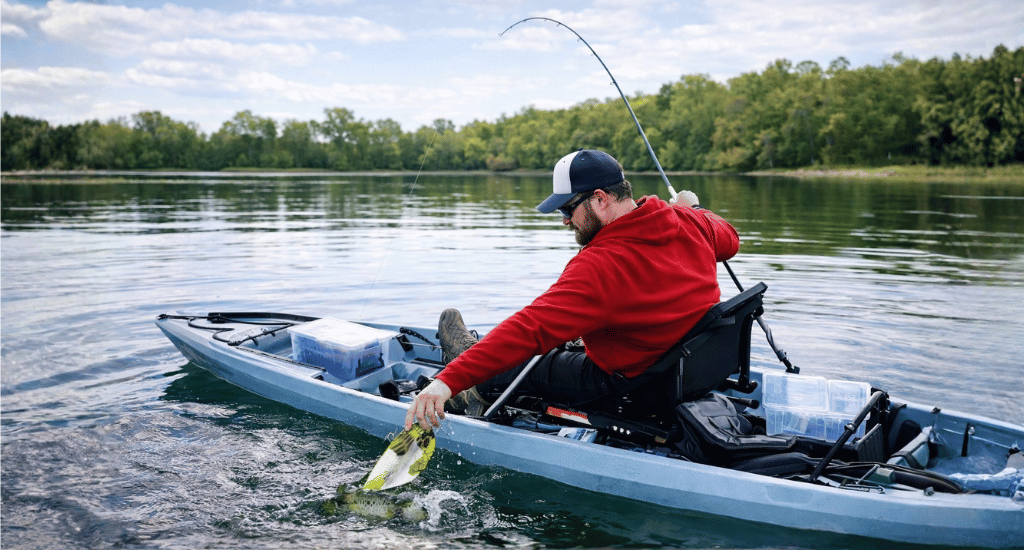
Open water areas like lakes allow longer rods between 7 and 8 feet. These rods help cover more distance and improve overall casting performance.
Target Fish Species
Fish size also influences the rod length and strength needed during fishing. Smaller fish work well with lighter and shorter rods that feel easy to handle.
Larger fish need longer rods with more power to maintain control and apply pressure. The best size rod for kayak fishing rivers often stays shorter because of space limits and fish type.
Common Mistakes When Choosing Rod Size for Kayak Fishing
Many anglers pick the wrong rod size because they ignore kayak limits and body position. A few simple mistakes can reduce comfort, control, and casting performance during kayak fishing sessions on the water.
- Choosing rods over 8.5 feet: Very long rods feel hard to manage inside a kayak with limited space. They often hit the water or the kayak’s edge, which affects smooth casting and overall control.
- Ignoring butt length (over 14 inches): A long handle can press against your seat or life vest during casting. This creates discomfort and limits free movement when you try to set the hook.
- Using only long rods while sitting: Long rods do not work well when you stay seated close to the water surface. They reduce control and make simple movements feel awkward inside a tight space.
- Not matching rod size with fishing location: Each fishing spot needs a different rod size for better results and comfort. The best size rod for kayak fishing rivers usually stays shorter for tight casting areas.
- Carrying too many rods in a small kayak: Too many rods create clutter and reduce your movement inside the kayak. This can make casting difficult and increase the chance of tangles or accidents.
If you want to know about a fishing rod, you can read our blog on a fishing reel with no anti-reverse trigger, too.
End Note
The best size rod for kayak fishing usually stays between 6.5 and 8 feet for most anglers. Many prefer 7 to 7.5 feet, as it offers a strong balance of control, casting distance, and comfort.
Shorter rods work better when you sit low inside the kayak during fishing. Longer rods suit a standing position with more casting freedom. You should always choose a rod that matches your comfort, kayak space, and fishing style.
FAQs
What is the best length rod for kayak fishing?
The best length rod for kayak fishing is between 6.5 and 8 feet for most situations. Many anglers feel comfortable with 7 to 7.5 feet, which offers a strong balance of casting distance, control, and easy handling inside a kayak.
Is a shorter rod better for kayak fishing?
Yes, a shorter rod works better when you sit low inside a kayak during fishing. A rod around 6 to 6.5 feet helps avoid hitting your seat or body and gives better control in a tight space.
Can I use a 7-foot rod in a kayak?
Yes, a 7-foot rod works very well for kayak fishing in most situations. This size feels balanced and easy to control, while still offering enough casting distance and strength for handling different fish types and fishing styles.