Fly fishing for bluegill is fun and great for beginners, focusing on small, buggy flies like poppers, nymphs (Woolly Buggers, San Juan Worms), and dry flies (ants, spiders) on a light 2-5 weight rod, using a floating line and a 4X-5X tippet, targeting shallow, structure-rich areas at dawn/dusk with slow retrieves and occasional twitches to imitate natural food.
In this complete guide, you will learn the simple gear setup that works, the fly patterns that cover almost every situation (poppers, Parachute Adams, beadhead nymphs, Woolly Buggers, Squirmy Wormies), and the proven presentations that catch fish from the surface down. Grab your fly rod and let’s go.
What Are the Best Fly Fishing Techniques for Bluegill? (Step-by-Step for Beginners)
To fly fish for bluegill, you only need three presentations: topwater popping, subsurface nymphing, and a popper-dropper combo. The good news is that bluegill are not picky. Poppers, dry flies, nymphs, and small streamers all catch fish if you put them near cover and slow down.
Popper Fishing Technique (Most Exciting)
Step-by-step popper fishing: 1) Cast to visible structure: lily pads, docks, weed edges. 2) Let the popper sit motionless for 5–10 seconds so the bluegill can inspect it. 3) Give one small pop or twitch. 4) Pause 3–5 seconds. 5) Repeat until the strike. The most common beginner mistake is popping too hard. Bluegill often prefer subtle, easy meals. For the hook-set, wait until you feel weight, then use a firm strip-set. The best time for topwater fishing is summer mornings and evenings on calm water.
Nymphing for Bluegill (Most Productive Year-Round)
Nymphing technique for fly fishing for bluegill: 1) Tie on a tiny beadhead nymph #10–#14. 2) Add a strike indicator 2–3 feet above the fly (optional, but helpful). 3) Cast near the structure and let it sink. 4) Fish it slow with 2–3 inch strips and pauses, or simply suspend it under the indicator. 5) Watch for any twitch and strip-set immediately because bluegill inhale and spit fast. In winter, downsize to #14–#16, fish very slowly, and focus on deeper water around 4–8 feet.
The Popper-Dropper Rig (Cheat Code for Consistent Action)
The popper-dropper rig is a dual-threat setup for fishing for bluegill with a fly rod. Set up: tie a popper on your tippet, then add an 18–24 inch section of 5X off the popper’s hook bend and tie on a small #12–#14 beadhead nymph. Why it works: the popper is an attractor and a strike indicator, while the nymph fishes subsurface where bluegill feed most of the time. Technique: cast, fish the popper with the normal pop-pause cadence, and watch for the popper to dip (dropper take) or explode (topwater hit).
How to Fish a Parachute Adams for Bluegill (SERP-Specific Technique)
To fish a Parachute Adams fly for bluegill, use a simple sit-then-skate dry fly technique.
Step 1: Cast near cover like weed edges, lily pads, docks, or bedding areas.
Step 2: Let the fly sit on the water for several seconds. That pause is critical because bluegill often slide in and inspect before eating.
Step 3: When nothing happens, skate it across the surface with short, steady line pulls to make it look like a struggling insect. This change from still to moving triggers aggressive strikes.
The best conditions are calm mornings or evenings in summer. For the hook-set, do not trout-set. Wait until you feel weight, then use a firm strip-set to stick the small hook.
What Gear Do You Need to Start Fly Fishing for Bluegill? (Beginner Setup That Works)
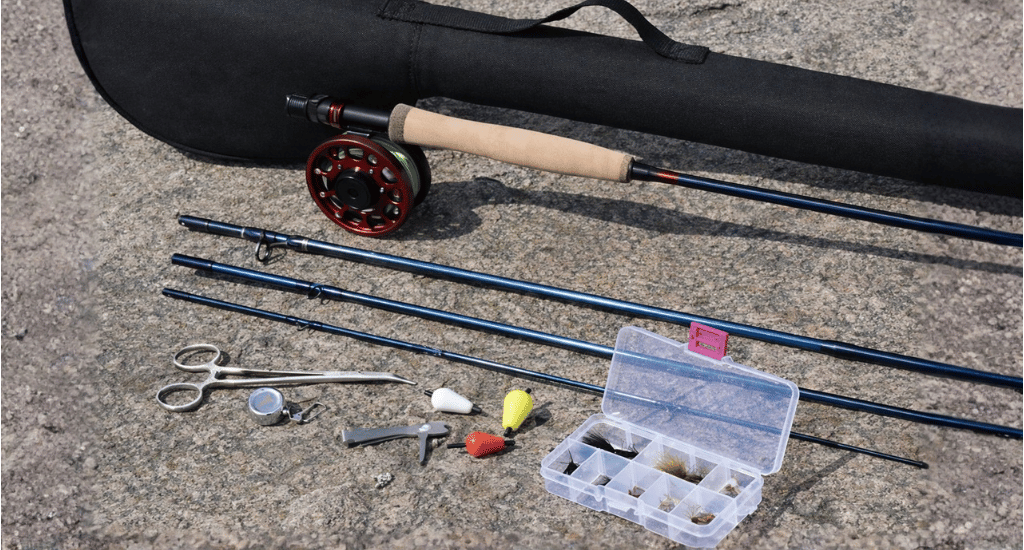
To fly fish for bluegill, you only need a light, simple kit that casts small flies softly and feels sporty on 6 to 10-inch fish. A complete beginner setup for fly fishing for bluegill bream can stay under $250 if you focus on the essentials.
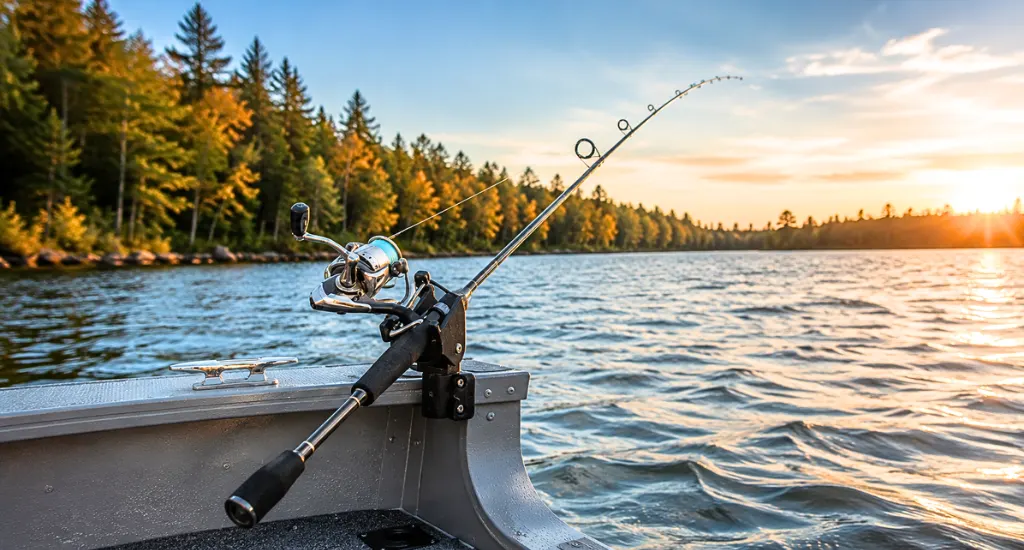
- Fly rod (3 to 4 weight, 8 to 9 feet): Ideal “what size fly rod for bluegill” choice. 3 wt for calm fun, 4 wt for wind and versatility.
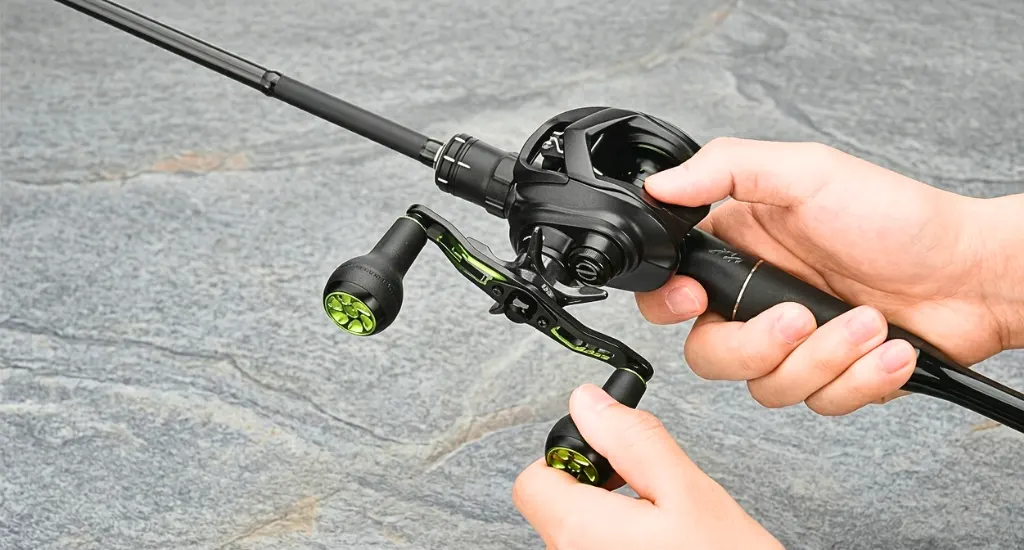
- Fly reel ($50 to $100): Basic reel is fine. Choose a dependable build and smooth drag to protect light tippet.
- Fly line (weight-forward floating): Standard line for 99% of fly fishing for bluegill. Easy casting, perfect for poppers and dries.
- Leader (7.5 to 9 feet, tapered): Helps turn over small flies and keeps a delicate presentation around spooky shallow-water fish.
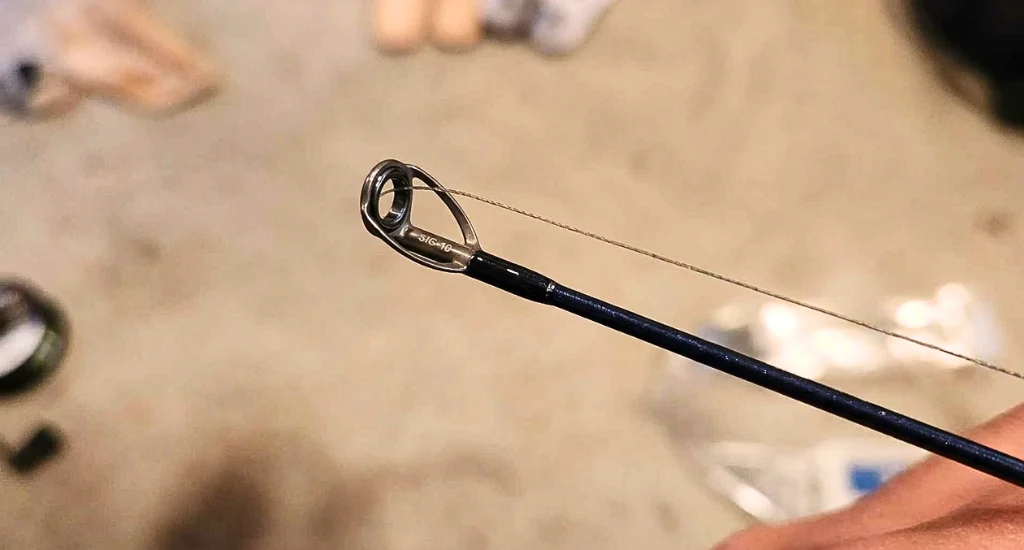
- Tippet (4X to 5X): Light but strong enough for bluegill. 5X tippet shines with tiny nymphs and subtle topwater bugs.
- Polarized sunglasses: Essential for sight-fishing. Lets you spot beds, weed pockets, and cruising fish while protecting your eyes.
- Hemostats or forceps: Make unhooking small-mouthed fish quick and safe, especially when they inhale nymphs or tiny hooks.
- Nippers or line cutters: Clean, fast tippet cuts improve knots and reduce frustration while fishing for bluegill with a fly rod.
- Small fly box: Carry a compact selection for fishing for bluegill with artificial flies: poppers, dries, beadhead nymphs, and small streamers.
- Strike indicators (optional): Very beginner-friendly for nymphing. Set 2 to 3 feet above the fly to detect fast “inhale-and-spit” takes.
What Are the Best Flies for Bluegill? (Patterns Covering 95% of Situations)
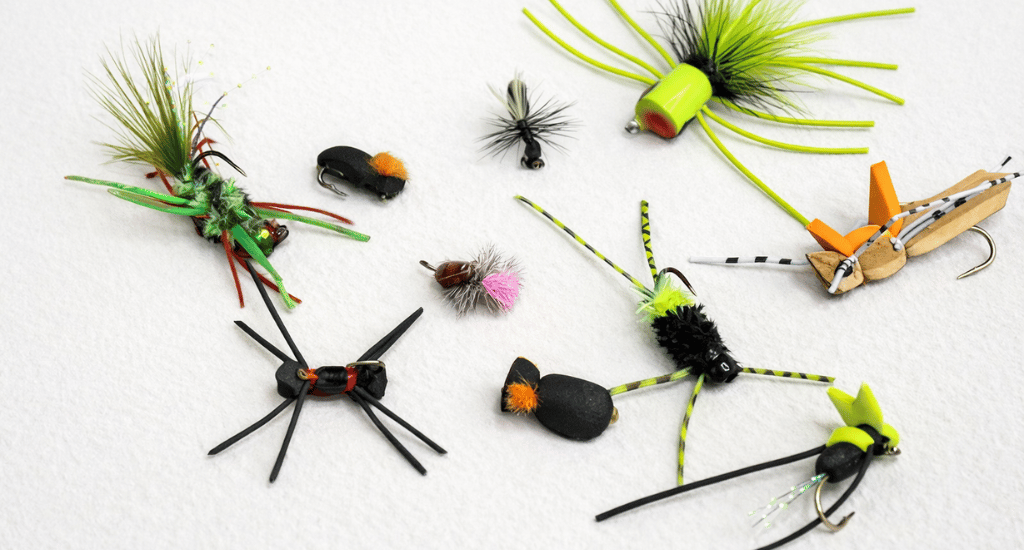
The best fly for bluegill is the one that matches where they are feeding: surface, just under the film, or deeper along weeds and cover. If you are choosing bluegill flies for a simple, effective box, carry a few proven patterns in the right sizes. These cover almost every pond, lake, and slow river where you fly fish for bluegill.
A. Poppers (Summer Prime and Most Exciting)
Best poppers for bluegill: small foam poppers in #8–#12.
Poppers are the easiest way to find aggressive fish around lily pads, docks, shade lines, and weed edges.
- Colors that work everywhere: yellow, white, black.
- Why they work: they call fish up, help you see the take, and trigger territorial strikes in warm water.
- Tip: Subtle pops and long pauses often outfish loud chugging, especially in calm water.
B. Dry Flies (When They Are Looking Up)
Dry flies shine when bluegill are cruising shallow or sipping near the surface, especially on calm evenings or around beds.
- Parachute Adams (#12–#14): Let it sit several seconds, then skate it across the surface to trigger strikes.
- Foam ants and beetles (#12–#14): easy, tough flies that get eaten all summer around overhanging banks.
- Elk Hair Caddis (#12–#14): great “search dry” when you are covering water and want a visible fly.
C. Nymphs (Year-Round and Most Consistent)
If you want the most reliable results when fly fishing for bluegill bream, fish nymphs around weeds, brush, and drop-offs. They work in every season, including cold water.
- Tiny beadhead nymph: your best winter-style option. Downsize when it is cold and fish it slowly.
- Pheasant Tail (#10–#14): a classic nymph that imitates a lot of small underwater food.
- Weighted black fur ant (#12–#14 wet-fly hooks): a deadly “bluegill fly” that sinks and gets inhaled.
- Copper John (#10–#14): adds flash and weight for slightly deeper water or light chop.
D. Small Streamers (Bigger Bites and Fast Searching)
Streamers are great for covering water, pulling fish off weed edges, and catching the occasional bonus bass while fishing for bluegill with a fly rod.
- Woolly Bugger (#10–#12): one of the most consistent streamer choices for bluegill.
- Clouser Minnow (small): excellent when fish are chasing minnows, or you need a little more sink and jigging action.
- Squirmy Wormies: simple, effective, and hard for bluegill to ignore, especially when they are in a feeding mood.
E. Top Flies for Summer Bluegills
For summer, start on top and stay there as long as the fish will play. Surface eats are prime, and it is the most fun way to fly fish for bluegill.
- Small foam poppers (#8–#12): your first choice around pads, docks, and shallow weeds.
- Foam ants and beetles (#12–#14): best mid-day and along shady banks where terrestrials fall in.
- Parachute Adams (#12–#14): deadly at dusk, especially with the sit-then-skate move.
- Backup when topwater slows: drop to a beadhead nymph under the surface and fish it slowly along the same cover.
How to Catch BIG Bluegill on Purpose (Advanced Strategies)
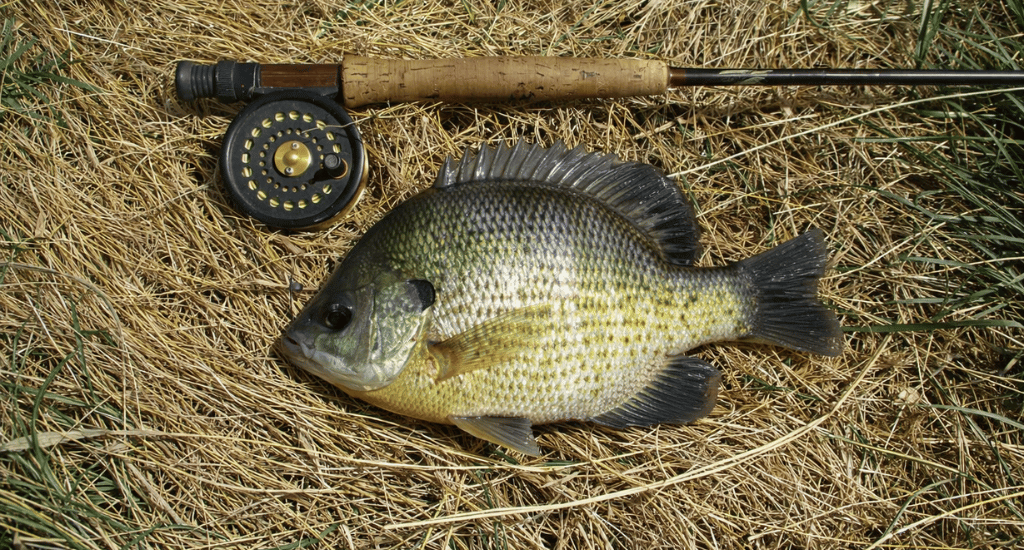
Fly fishing for BIG BLUEGILL means changing your goal from “lots of bites” to “one or two trophy bulls.” Most anglers catch 6 to 8-inch fish because they fish fast, fish shallow at random, and stay in crowded water. To target 10+ inch bull bluegill, you need better timing, better water, slightly bigger flies, and slower presentations.
1. Time it for spawning beds (late May to early June)
The most dependable window for big fish is the spring spawn, usually late May through early June. The largest males guard nests and are aggressive because they are protecting their territory.
Approach bedding areas quietly and fish them as you would on a sight-fishing trip. One good bed can hold the biggest bluegill you will catch all year.
2. Choose water that grows trophy bulls
Big bluegills are not everywhere. They need time, food, and less harvest pressure.
- Established farm ponds (3+ years with little or no harvest): these often grow thick, old bulls.
- Southern waters: longer warm seasons often lead to faster growth and higher averages.
- Avoid heavily pressured public ponds: constant fishing usually removes the best fish first.
3. Focus on the right holding zones
If you want trophy size, stop camping the obvious shoreline spots at midday. Big fish slide to edges that feel safe.
- Deep edge and drop-offs: work 6 to 10 feet near weed lines, brush, or timber, especially in bright sun.
- Transition lanes: outside weed edges and the first breakline are consistent “bull routes.”
- Off structure: isolated stumps, a single dock away from crowds, or a lone patch of pads often hold the dominant fish.
4. Size up your flies and go darker
Small flies catch numbers. Bigger flies filter small fish and tempt mature bulls.
- Poppers: bump up to #8 to #10 in black, olive, or dark patterns.
- Nymphs: fish #10 to #12 nymphs when you want a heavier meal.
- Woolly Bugger (#10): a proven big-bluegill fly because it looks like a leech, baitfish, or big nymph.
Darker colors often show a stronger silhouette, and trophy fish are usually more willing to eat a “real meal” than chase tiny snacks.
5. Slow down your presentation and extend the pause
Big bluegill are not usually frantic. They tend to track, inspect, and then commit.
-
- Let flies sit longer: longer dead-stops on poppers and dries often trigger the biggest bites.
- Retrieve slower: short strips with long pauses beat nonstop movement.
- Fish dawn and dusk: low light makes bulls less spooky and more willing to slide shallow.
6. Micro-tactics worth stealing (high-percentage moves)
- Sight-fish spawning beds: stalk bedding bulls in 1 to 3 feet and make the first cast count.
- Work the 6-to-8-foot weed edge: this is a midday “bull lane” when the shallows get bright.
- Match dragonflies in June to July: fish damsel/dragonfly nymphs (#10) around weeds when hatches are happening.
- Hit “off” structure: any isolated cover away from the crowd can hold the top fish in that pond.
If your goal is trophies, fish fewer spots, fish them slower, and pick water with the right ingredients. That is how you consistently fly fish for bluegill that break the 10-inch mark instead of just catching numbers.
Where and When to Fly Fish for Bluegill?
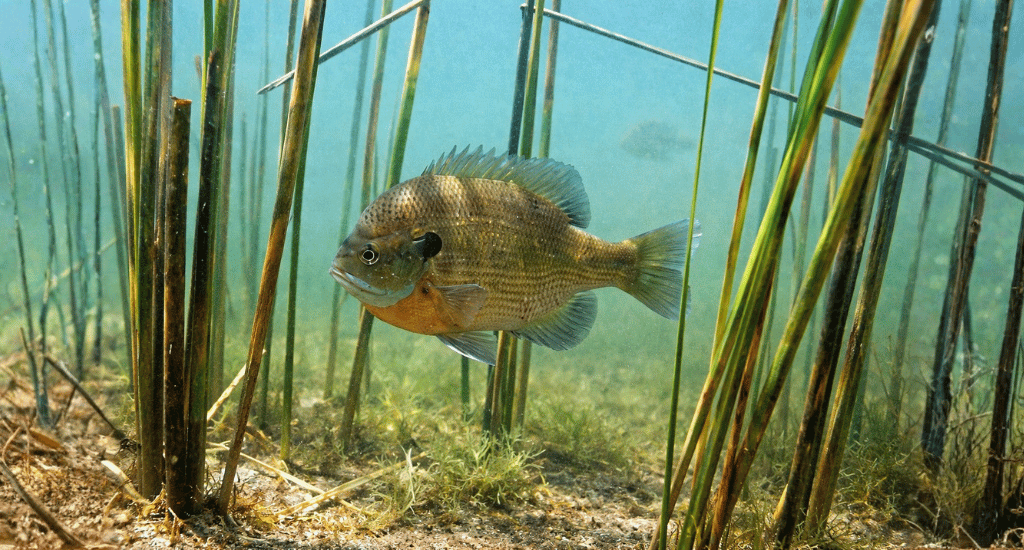
To fly fish for bluegill, think “shallow plus structure” and match it to the season. Bluegill are predictable once you know their cover and timing. Find weeds and shade, then fish early or late, and you will consistently catch bluegill across most U.S. waters.
Bluegill live in shallow water, usually 1 to 6 feet, close to cover. Weedbeds are the #1 location, followed by lily pads, docks and piers, fallen trees, and shaded edges. In spring, look for spawning beds in 1 to 3 feet of sand or fine gravel. Farm ponds, park lakes, reservoir bays, and slow-moving river backwaters all contain fish.
The best time of year depends on water temperature and spawning. Spring is the most dependable time for shallow, aggressive fish. Summer is the most fun for surface eats. Fall stays solid as fish feed up. Winter can work in warmer regions if you fish deeper and slower with tiny nymphs.
- Spring (May to June): Best overall. Fish spawning beds and nearby cover; large males guard nests and aggressively feed in shallow water.
- Summer (July to August): Excellent topwater. Poppers and terrestrials shine early and late, especially around pads, weed edges, and docks.
- Fall (September to October): Good feeding season. Work weed edges and drop-offs with nymphs and small streamers; fish are often less spooky.
- Winter (regional): Best in the South. Fish deeper water slowly with tiny beadhead nymphs; takes are subtle but steady.
Best Locations for Bluegill Fly Fishing in the USA (High-Confidence Picks)
Bluegill are widely distributed, so the “best” locations are usually those with strong habitat, low harvest pressure, and easy access. Start with ponds and protected lakes where weeds and shallow cover are plentiful.
- Midwest (Illinois, Indiana, Wisconsin): Farm pond country with excellent bluegill density; plenty of weedy, shallow water for consistent fly fishing.
- South (Texas, Florida, Georgia): Long seasons and lots of shallow cover. Great choice for fly fishing for bluegill bream nearly year-round.
- Northeast (New York, Pennsylvania): Many park lakes and community waters; focus on weedbeds, docks, and protected coves for steady action.
- Mid-Atlantic (Maryland, Virginia): Many accessible ponds and small reservoirs; bays, coves, and paddies are high-percentage water bodies.
- Best water types anywhere: Small farm ponds (1 to 10 acres), city and county park lakes, and state park waters with healthy weedbeds and clear edges.
Is Fly Fishing Good for Bluegill? (Benefits and Why It Works)
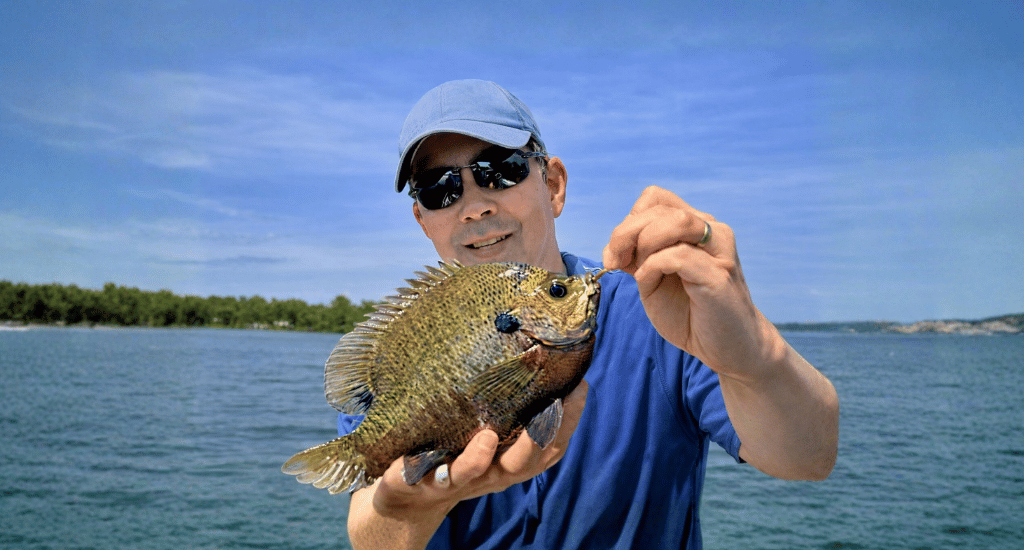
Is fly fishing good for bluegill? Yes. Bluegill are ideal fly fishing species because they are aggressive fly eaters, take well to flies, and are not nearly as selective as trout. They are widely distributed across the USA, so you can fish farm ponds, park lakes, reservoirs, and slow rivers almost anywhere.
Fly choice is simple because lots of patterns work: poppers, dry flies, nymphs, small streamers, Squirmy Wormies, and Woolly Buggers. Bluegill are beginner-friendly, with a high success rate and a setup cost of around $150 to $250. You can fish spring through fall in most regions, year-round in the South, and even catch winter fish by going slow with tiny beadhead nymphs.
CONCLUSION
Bluegill are ideal fly-fishing species because they are widely distributed and aggressive, taking flies well. Keep your setup simple with a 3-4 weight rod, floating line, and a small fly box that covers 95% of situations: poppers, Parachute Adams, beadhead nymphs, Woolly Buggers, and Squirmy Wormies. When you want steady action, the nymph-and-popper rig is the cheat code that covers both surface and subsurface at once.
For BIG bluegill, plan around spring spawning in May-June, and remember winter still works by fishing a tiny beadhead nymph deeper and slower.
Many flies catch bluegills well, making them ideal for learning and trophy hunting. Grab a 4-weight, hit a local pond, and check All for Fishing’s other blogs for more expert technique.
FAQs
What is the Best Fly for Bluegill?
The best flies for bluegill are small: poppers (#8-#12) in summer and beadhead nymphs (#10-#14) year-round. Also reliable: Parachute Adams, black fur ant, Woolly Bugger, Squirmy Wormies.
What Size Fly Rod is Best for Bluegill?
A 3-4-weight, 8-9-foot fly rod is ideal. Choose a 4-weight for versatility in windy conditions and small bass; a 3-weight for delicate, calm-water fishing. Medium-fast actions work.
How Do You Use a Popper-Dropper Rig for Bluegill?
Tie a popper (#10-#12), then add 18-24 inches of 5X from the hook bend to a beadhead nymph (#12-#14). Pop normally; watch dips for nymph takes.
When is the Best Time to Fly Fish for Bluegill?
May-June is the peak spawning period, when large males guard shallow beds (1-3 feet). Summer is great for poppers early and late. Winter: fish tiny beadhead nymphs deep and slow.
Is Fly Fishing Good for Bluegill?
Yes. Bluegill are widely distributed, aggressive fly-eaters that take flies well. Poppers, dry flies, nymphs, small streamers, Squirmy Wormies, and Woolly Buggers all work, even for beginners.
Where Can I Fly Fish for Bluegill in Texas?
In Texas, fish farm ponds, city park lakes, state park waters, and reservoir coves with weeds, pads, and docks. Prime season is March-November; spring bedding starts earlier, often April-May.