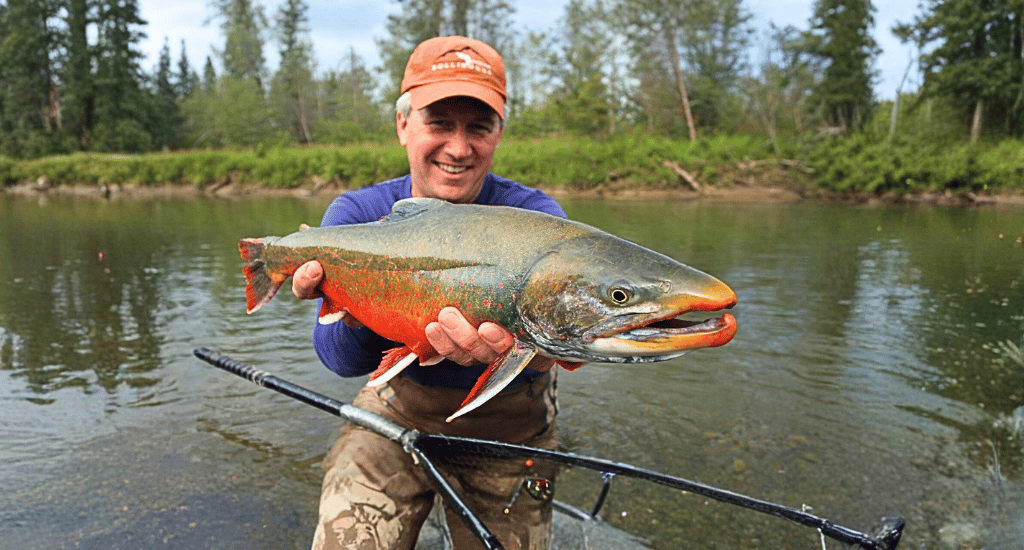
Alaska’s rivers hide a fighter that every angler dreams of. Fly fishing for Dolly Varden brings fast action and exciting takes that never get old. These fish strike hard, swim in schools, and offer a thrill similar to catching the small but feisty bluegill, earning them the nickname “Bluegill of Alaska.”
Dolly Varden are easy to reach in many streams and coastal rivers, making them perfect for beginners. Their aggressive feeding during salmon runs means hooks land quickly, and the sight of a school of them swirling near the surface is unforgettable.
This blog shows peak seasons, the best fly setups, and simple tactics to land more fish. Keep reading to unlock practical tips and insider tricks for fly fishing for Dolly Varden in Alaska.
Key Takeaways – Fly Fishing for Dolly Varden
- Aggressive, high-strike fish, fun for all skill levels
- Best time: June- early August; peak late July- early August
- Top flies: 6- 10 mm eggs, #2-#6 streamers, flesh flies
- Hot spots: river mouths, beaches, gravel streams, lake outlets
- Gear: 4-6 wt rod, 9 ft, floating line, 8-12 lb tippet
- Techniques: dead-drift beads, swinging streamers
- Handle ethically: barbless hooks, quick releases
Why Dolly Varden Are Called the “Bluegill of Alaska”
Dolly Varden is famous for their willingness to bite. They rarely hesitate when a well-presented fly drifts by, giving anglers fast action and frequent strikes. This eagerness makes each cast exciting and keeps the fight going throughout the day.
Anglers can often catch high numbers in a single outing. During salmon season, these fish gather in large groups, feeding aggressively and creating opportunities for both long days of action and memorable fishing stories.
Their combination of accessibility and aggressiveness makes them perfect for everyone. Beginners can enjoy steady success, while experienced anglers find enough challenge to keep every catch rewarding, solidifying Dolly Varden’s reputation as Alaska’s “Bluegill.”
Fly Selection for Dolly Varden
Choosing the right fly makes fly fishing for Dolly Varden easier and more productive. Egg patterns, streamers, and flesh flies work best. Match colors to local salmon runs and adjust sizes for river or coastal conditions to tempt bites quickly.
Egg Patterns & Beads (Most Effective)
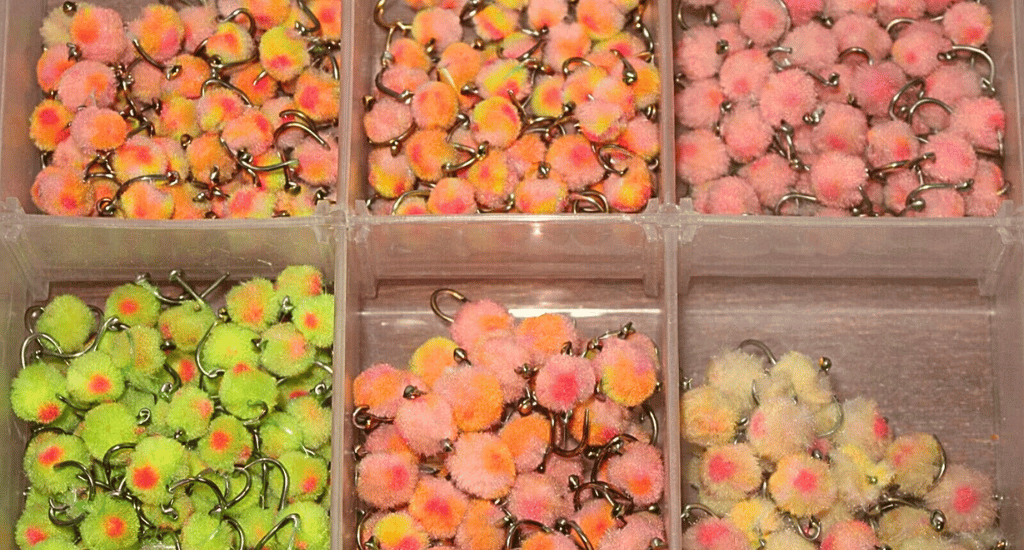
Bead sizes between 6mm and 10mm work best. Match the egg color to the salmon species in the river. Fish these under indicators using a dead-drift technique, letting the fly float naturally to trigger aggressive strikes.
Streamers & Smolt Patterns
Use sizes #2 to #6 in silver, white, or olive. These patterns shine near saltwater beaches and river mouths. Try fast retrieves or swing the fly across current seams to mimic small baitfish and attract attention.
Flesh Flies & Attractor Patterns
Colors like white, cream, and ginger mimic decaying salmon flesh. They work best during heavy salmon spawn periods when Dolly Varden feed aggressively. Cast near the edges of pools or slow water to maximize chances of a strike.
Best Techniques for Catching Dolly Varden
Success in fly fishing for Dolly Varden comes from using the right techniques. Dead-drift bead fishing and swinging streamers work best, with small adjustments helping both beginners and experienced anglers land more fish.
Dead-Drift Bead Fishing
- Most productive technique overall.
- Place the bead 1.5- 2 inches above the hook.
- Use a strike indicator for smooth, precise drifts.
Let the fly float naturally with the current. Dolly Varden often take aggressively when the bead lands near schools of salmon eggs or along the edges of pools.
Swinging & Stripping Streamers
- Swing wet flies across current seams.
- Fast, erratic retrieves trigger aggressive strikes.
- Works especially well on beaches and estuaries.
Streamers imitate small baitfish, drawing attention from hungry fish feeding in shallow or moving water.
Fly Rod, Reel & Tackle Setup for Catching Dolly Varden
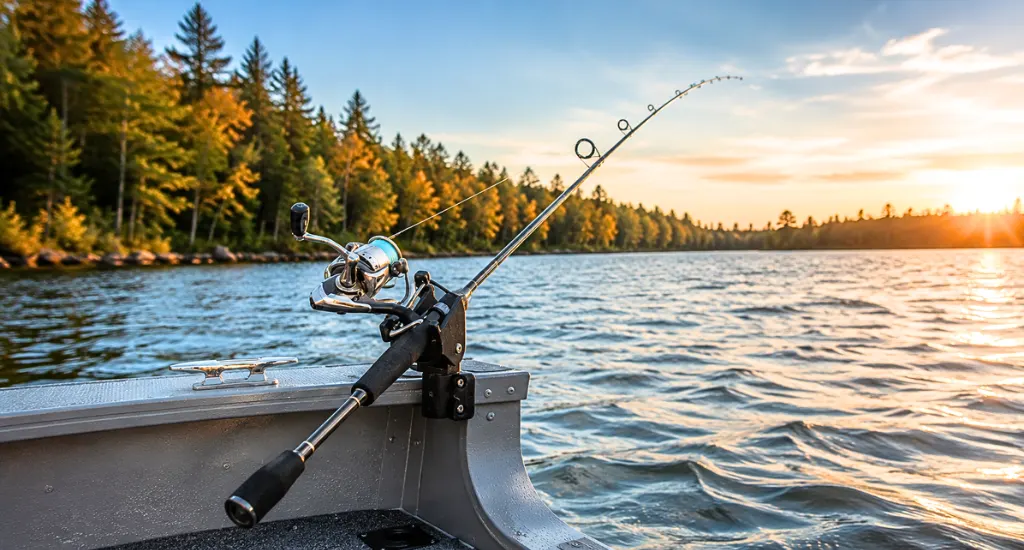
For successful fly fishing for Dolly Varden, the right gear matters. Using a balanced rod, proper line, and suitable tippet ensures smooth casting, precise fly presentation, and safer handling of these strong, feisty fish.
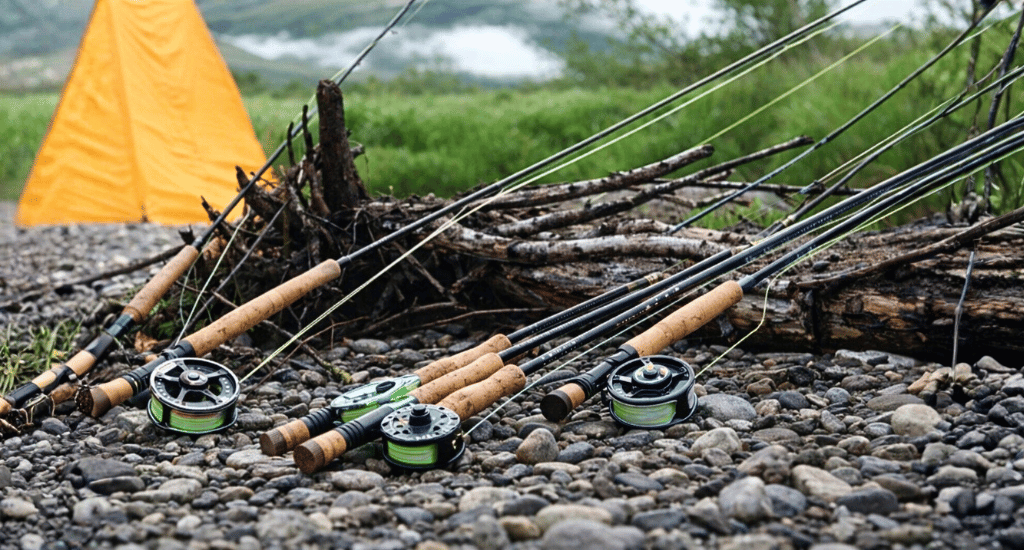
Rod & Line
- Fly rod weight: 4-6 weight.
- Rod length: 9 feet for comfortable reach and control.
- A floating line is ideal for bead and streamer fishing.
A medium-action rod helps with delicate presentations and absorbing the sharp strikes Dolly Varden delivers.
Leader & Tippet
- Leader length: 9-12 feet for stealthy approaches.
- Tippet strength: 8-12 lb fluorocarbon recommended.
A longer leader lets the fly drift naturally while strong tippet handles sudden runs without breaking.
Hook & Fish Handling Considerations
- Barbless hooks reduce injury and make releases safer.
- Dolly Varden fights hard despite moderate size.
- Quick releases protect heavily pressured fisheries and ensure fish survive for future anglers.
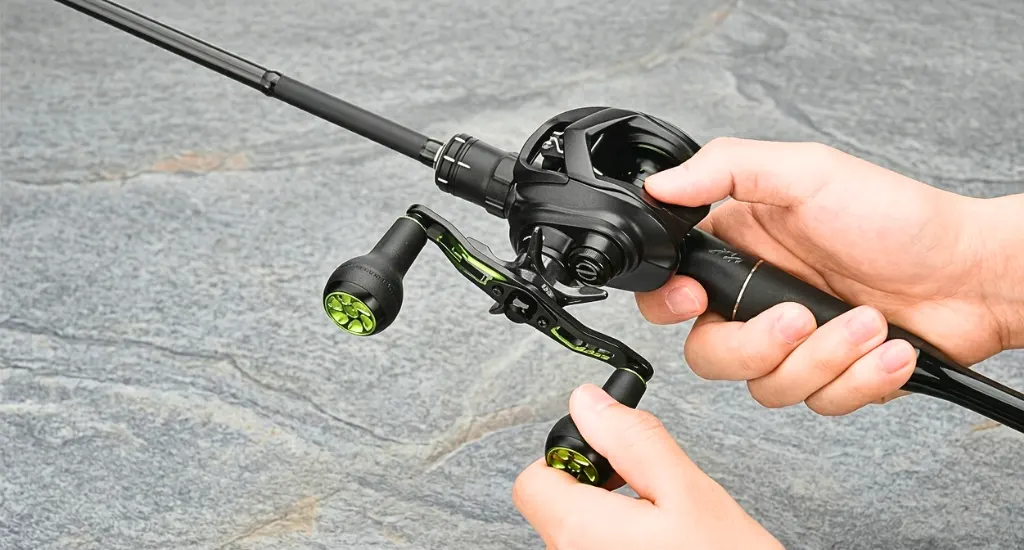
Reel & Drag Setup
- Smooth drag reels prevent line breaks during fast runs.
- Moderate drag settings allow control without exhausting the angler or the fish.
- Saltwater-rated reels are helpful for coastal streams to resist corrosion.
Best Time to Fly Fish for Dolly Varden
Timing matters most in fly fishing for Dolly Varden. Fish feed aggressively at specific times of the year, and knowing when to target them makes your outing more successful. Early and peak salmon seasons require slightly different tactics.
Early Season (June – Early July)
- Prime time for beach fishing and river mouths.
- Feed heavily on salmon smolt.
- Best flies: small streamers and smolt patterns.
Dolly Varden chase young salmon near the surface during this period. Cast near shallow edges and fast-moving water to tempt bites, giving steady action throughout the day.
Peak Season (Late July – Early August)
- Peak salmon egg drop attracts hungry fish.
- Most productive time for bead and egg fishing.
- High catch rates in clearwater streams and lake outlets.
During peak season, Dolly Varden gather where salmon spawn, striking aggressively at drifting eggs. Both beginners and experienced anglers enjoy some of the most exciting and rewarding fishing of the year.
Where to Find Dolly Varden
Knowing where Dolly Varden gather can turn a normal day into an action-packed fishing trip. These fish look for places with food, shelter, and flowing water, making certain spots much more productive for fly anglers.
River Mouths & Beaches
- Especially active during smolt migrations.
- Feed near shallow edges and fast currents.
- Best flies: small streamers and smolt patterns.
River mouths and coastal beaches are the top hotspots. Young salmon and baitfish move through these areas, attracting schools of Dolly Varden. Casting near edges or along current seams often results in multiple strikes, giving beginners quick action.
Clearwater Streams & Lake Outlets
- Gravel-bottomed streams give the highest bead and egg fishing success.
- Effective water depths: shallow to moderate (1-4 feet).
- Fish hide behind spawning salmon in riffles, pools, and tailouts.
These quieter waters let flies drift naturally. Dolly Varden often patrols the edges of riffles and behind salmon. Observing current breaks and deeper pockets helps place your fly in the strike zone, increasing catch rates throughout the day.
Wrapping Up
Dolly Varden are among Alaska’s most exciting fly-fishing targets. Their aggressive strikes, schooling behavior, and high catch rates make every cast thrilling. Peak success comes between June and August, especially when bead fishing during salmon runs.
Respectful handling ensures these fish remain healthy for future anglers. Quick releases and barbless hooks protect populations while letting you enjoy the fight. For anyone visiting Alaska with a fly rod, chasing Dolly Varden is an unforgettable experience and a must-add to any fishing adventure.
FAQs
What is the best month to fly fish for Dolly Varden?
The best month to fly fish for Dolly Varden is June through early August, with late July to early August being the peak bead-fishing season for the highest catch rates.
What size beads are best for Dolly Varden?
The best size beads for Dolly Varden are 6 mm-10 mm, matched to the local salmon egg size to attract aggressive bites and improve fly-fishing success.
Are Dolly Varden easy to catch on a fly rod?
Yes, Dolly Varden are easy to catch on a fly rod. They strike aggressively, school in accessible waters, and offer a beginner-friendly and rewarding Alaska fly-fishing experience.