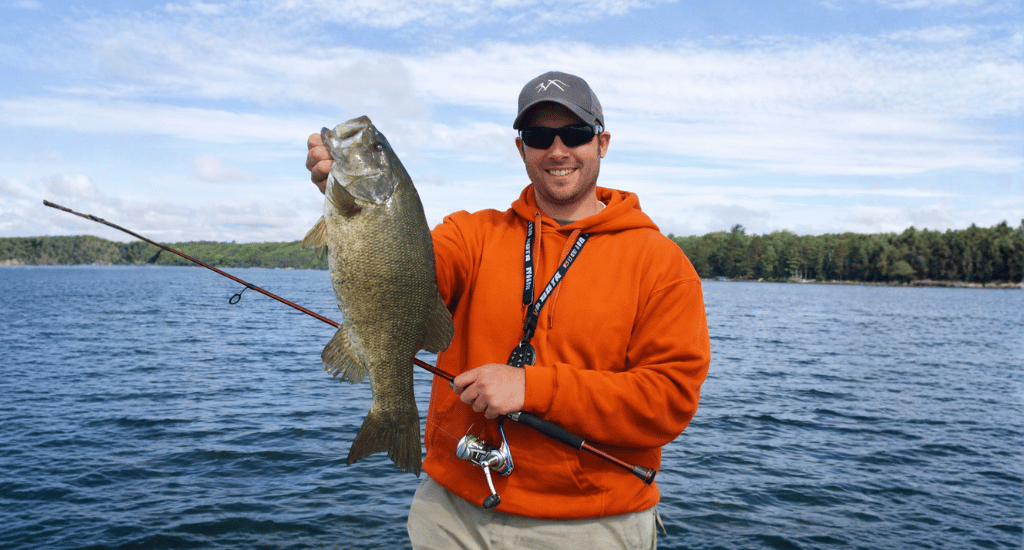
Silver flashes near weeds signal one thing: a bass waits with sharp eyes. Fly fishing for bass stays popular since this fish loves bold motion and clear shapes in water for quick strikes.
Bass live in shallow areas full of weeds and logs, yet they also stay near deep drop-offs. A fly that floats pulls one up. A fly that sinks draws one out.
This guide will show how to use each fly with simple gear and clear steps. Read this blog to build a strong plan and enjoy each cast with more trust and calm.
Why Fly Fishing for Bass Works So Well?
Bass act like hunters in the water. Their eyes stay alert for motion and shape. They chase food with speed and power. This habit makes them perfect for fly gear that sends bold shapes across the surface.
These fish do not wait for tiny bugs. They rush at fish, frogs, and other small animals. A fly that moves with life can spark a hard hit. That quick attack gives fly anglers many strong strikes.
Bass stay near places that give shade and cover. Weeds, docks, lily pads, sunken logs, and rocky banks all hold bass. These spots let a bass hide and then rush out for a fast grab.
Splash, sound, and sharp motion wake up a bass. A pop on the water or a fast swim can pull one out of cover. Flies make these signals with ease, which leads to more hits.
Fly Fishing for Bass (Complete Guide)
Fly fishing for bass uses bold flies, strong gear, and smart moves. This guide shares clear steps for rods, lines, flies, and fly work so any new angler can enjoy strong strikes.
Best Fly Rod, Line, and Leader for Bass
Bass need gear with real strength since their home has weeds and wood. This setup helps place large flies with control and pull hard fish out of tight spots with less line trouble.
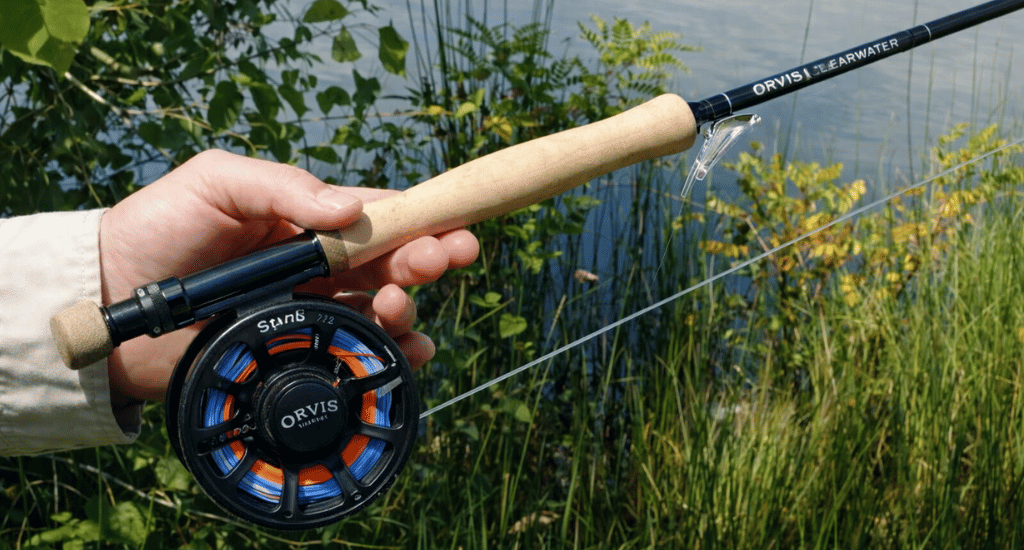
Fly Rod
A fly rod with 6-weight to 8-weight, mainly a 7 or 8-weight in 9 feet, gives strong lift. This rod sends big flies far and pulls bass free when they dive into weeds or wood.
Fly Line
A weight-forward floating line moves thick flies with ease. This line helps poppers and streamers land well. It also works on the water’s surface and just under the surface near shallow cover.
Leader and Tippet
A 0X to 2X leader has more strength than trout lines. These thick lines suit big flies and rough hits. Bass strike with force, so this line keeps flies firm during each hard pull.
Best Flies for Fly Fishing for Bass
Bass hit flies that look bold and alive. Some sit on the water’s surface, and some move below it. Both types draw strikes when used at the right time and near the right water cover.
Topwater Bass Flies
Use poppers, frogs, and mouse flies in early or late light and on cloudy days. Cast near lily pads, weed edges, docks, fallen trees, and shoreline cover where bass wait to strike.
Subsurface Bass Flies
Use Clouser Minnow, Lefty’s Deceiver, Game Changer, and crawfish flies when the sun stays high or the water turns deep. Cast near drop-offs, deep weed lines, rocky bottoms, and creek channels.
How to Present and Retrieve Bass Flies
Bass need a fly that moves in a real way. Strong pulls, quick line work, and a low rod tip help the fly act like live prey and keep the hook in place after a strike.
Strip Set Hook Technique
Do not lift the rod as with trout. Pull the line with the free hand. This move is a strip set. It locks the hook in place and stops the fly from sliding out.
Retrieve Style
Use short, fast pulls with uneven pace. This makes the fly look like a small fish or frog in fear. Bass react to this sudden motion and are hit with a strong force.
Rod Tip Position
Hold the rod tip low near the water. This keeps a straight line to the fly. It gives more feel and makes hook sets firm when a bass hits with speed.
Where to Find Bass on a Fly Rod
Bass stay close to cover that gives shade and food. Some live in warm shallow water while others stay near rocks and moving water. These places help anglers know where to cast flies.
Largemouth Bass Locations
- Shallow water – warm zones where bass rest and feed near the surface
- Thick weeds – hide spots that hold insects, frogs, and small fish
- Lily pads – shade and cover that bass use for ambush
- Docks – dark areas that give shelter and food
- Wood cover – fallen trees that trap prey
Smallmouth Bass Locations
- Rocky banks – firm ground that holds baitfish
- Faster current – moving water that brings food
- Gravel bottoms – clean beds where bass stay
- River seams – calm edges near fast water
Fly Fishing for Bass by Time and Conditions
Bass changes place and mood as light and weather shift. This section shows how the time of day and sky type guide fly choice and cast spots so anglers reach more fish with less effort.
Early Morning and Late Evening
Topwater poppers work best as bass move into shallow water to feed. Low light makes them feel safe, so loud surface flies draw fast strikes near weeds, pads, and wood cover.
Mid-Day and Bright Sun
Use subsurface streamers when the sun stays high. Bass slide into deeper and cooler water. Cast near drop-offs, deep weed lines, and shaded areas where fish wait for small prey to pass.
Overcast and Windy Days
Poppers and frog flies still work well on cloudy and windy days. Bass stay close to cover and react to surface noise. Cast near weeds, docks, and shoreline edges for strong hits.
How Fly Fishing for Bass Is Different From Trout
Bass and trout live in very different places and react to flies in their own ways. This makes the gear, flies, and line choice for bass much stronger and thicker than what trout anglers use.
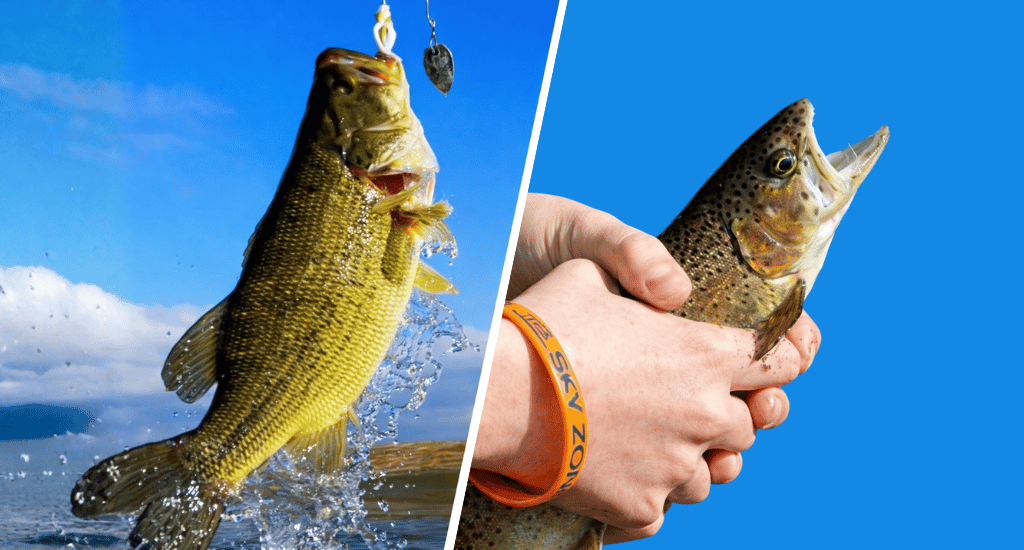
- Bass flies: Bass flies are bigger and heavier than trout flies. They push more air and water, so wind affects them more. These flies need strong rods and lines so they land near cover.
- Bass rods: Bass rods stay in the 6-8 weight range. These rods bend less and hold more power. This helps pull bass away from weeds, wood, and rocks where they try to hide.
- Bass homes: Bass live near heavy cover such as wood, weeds, and rocks. These spots give shade and food. A trout often stays in open water, so bass need gear that handles tight spaces.
- Bass line needs: Bass need 0X-2X leaders since their flies stay large and strikes feel strong. Thin trout tippet can snap under pressure, but a thick leader keeps flies safe during hard hits.
End Note
Fly fishing for bass offers fast action and strong strikes that make every cast exciting. Using a 6-8 weight, 9-foot rod, floating line, and 0X-2X leader covers nearly every situation an angler will face. Poppers work on the surface, while streamers reach deeper water. Cast near weeds, docks, rocks, and drop-offs to tempt bass hiding in cover.
Remember to use the strip set instead of lifting the rod and vary your retrieve speed. When the fly moves naturally, bass react instantly, crashing it like thunder on the water. Each strike brings adrenaline and fun.
FAQs
What weight fly rod is best for fly fishing for bass?
A 6- to 8-weight fly rod works best for bass. For most situations, a 7- or 8-weight rod, 9 feet long, gives enough power to cast large flies and control bass near weeds or wood cover.
What flies catch the most bass?
Topwater flies, such as poppers, frogs, and mouse patterns, work best early or late. Subsurface flies such as Clouser Minnow, Lefty’s Deceiver, and Game Changer excel in deeper water, especially near drop-offs or weed lines.
Do bass take flies better in shallow or deep water?
Bass feed in shallow water early and late, near weeds and cover. Deep water works mid-day, near drop-offs, deeper weed lines, and cooler spots where bass retreat during bright sunlight.