Fly fishing for trout involves using specialized gear, typically a 9-foot rod, weight-forward line, and artificial flies (dry flies, nymphs, or streamers) to mimic insects or baitfish in streams, rivers, or lakes. Best times to fish include hatches (early morning/evening) or when the water is clear and > 50℉. Key techniques are achieving a natural dead-drift and targeting deep, shady, or structure-heavy areas.
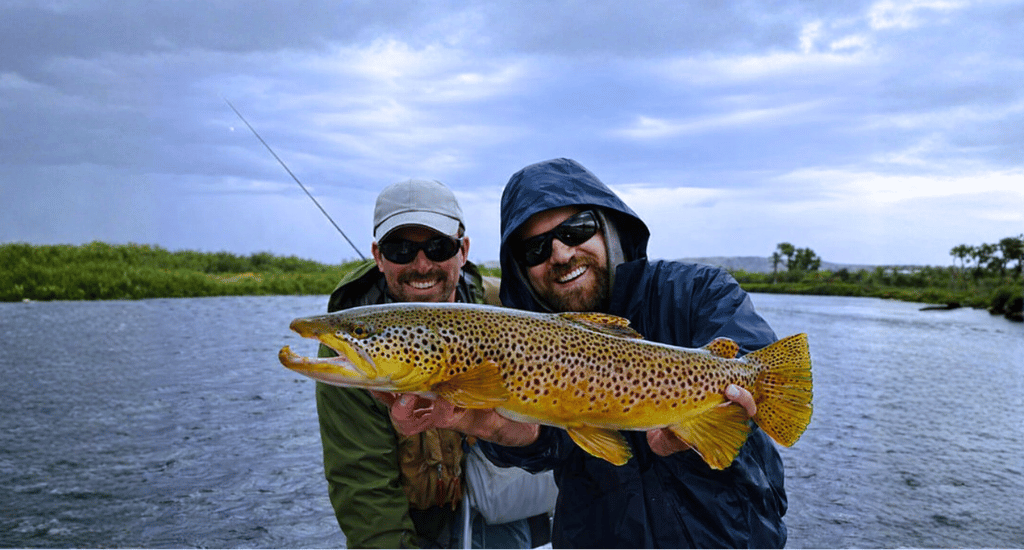
Trout species keep it fun and varied. Rainbow trout eat fast and fight hard. Brown trout get selective and love cover. Brook trout live in small, cold water. Cutthroat trout reward good water reading.
This beginner guide covers the gear, core techniques, and top locations. Expect a relaxing, rewarding way to enjoy the outdoors, plus a real learning curve before the first steady streak of fish. By the end, you’ll have a clear system you can use on streams, rivers, and lakes.
How Do You Fly Fish for Trout in Rivers and Streams?
Fly fishing for trout works best when you start with how, not theory. Choose the right water and depth, pick dry flies, nymphs, or streamers, then make clean casts and control your line for a natural drift. This section covers steps, presentations, where trout hold, essential casting, and landing fish cleanly.
A. The 5-Step Beginner System for Fly Fishing for Trout
Fly fishing for trout gets easier when you follow a repeatable system. This quick start works in streams and rivers, keeps decisions simple, and helps you catch trout faster with fewer random fly changes.
Pick water type and target depth
Start on rivers and streams with visible structure: seams, riffle tails, pockets, and undercut banks. Decide depth first: surface for rising fish, mid-column for swing lanes, bottom for nymphing.
Choose a fly category
Use dry flies when trout are rising or hatches are obvious. Use nymphs as your default when nothing shows. Use a streamer when you want a reaction bite or bigger trout. Keep it simple: Adams, Pheasant Tail, Woolly Bugger.
Make the cast and manage the line
A 20–45 foot cast is enough for most trout. Use a roll cast in tight banks. Keep Slack controlled so you can detect takes.
Present naturally
Aim for a drag-free drift on dries and nymphs. Swing wets through moderate flow. Strip streamers with short pulls and pauses.
Set, fight, and land
Set fast but smooth. Maintain steady pressure, use side-angle control, and land quickly for safe catch-and-release.
B. Fundamental Trout Fly Fishing Techniques
Trout fly fishing works when you do three things first: find trout, pick the right fly type, and present it naturally. A drag-free drift is the core rule, because trout trust food that moves like real insects.
Dry flies: Most effective during hatches and when fish are rising. Cast upstream, mend early, and keep the fly drifting without drag.
Nymphs: Most consistent for subsurface trout in seams, runs, and deeper lanes. Use an indicator for easy depth control, or a tight-line for direct feel.
Streamers: Best for aggressive trout near banks, logs, and drop-offs. Strip with pauses and vary speed until you trigger a chase.
Accuracy beats distance. Learn an overhead cast, a roll cast, and simple mending. Read water by starting with seams, eddies, foam lines, and cover where the current delivers food.
C. Reading Water (Where Trout Hold)
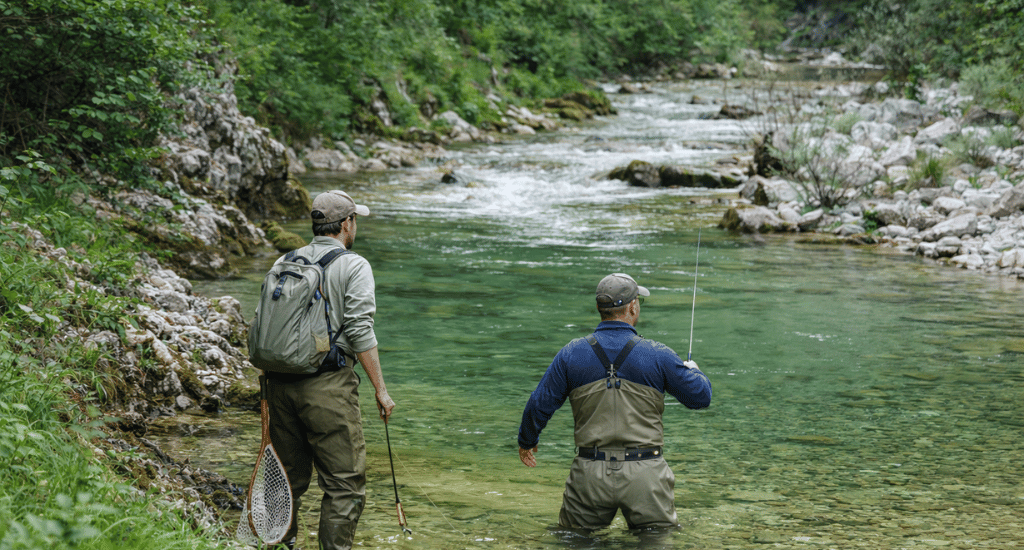
Trout hold in areas where they get food with minimal effort. Start with seams, where fast and slow currents meet, because drifting insects funnel there. Fish riffles for oxygen and constant food, then target the runs below them where trout sit in steady “walking-speed” flow. Pools hold trout when water is low, warm, or clear, especially along the edges.
Think in depth and speed lanes. Trout pick a lane that brings food while staying safe. Aim your drift through that lane, not the whole river.
Prioritize structure and cover. Rocks, undercut banks, logs, weed beds, and drop-offs break current and hide trout. Cast tight, drift clean, and cover the best edges first.
D. Casting That Actually Matters (Beginner Essentials)
Trout casting is about control, not distance. Use the overhead cast when you have space behind you and need accuracy across seams, riffles, and runs. Use the roll cast when trees or high banks block a backcast, or when you need quick, short shots in tight rivers.
Add basic mending right after the cast. A small upstream mend buys you a longer drag-free drift and keeps your fly moving like real food.
Win with line control and drag reduction. Keep only the needed line on the water, lift excess off the current, and follow the drift with your rod tip. If the line pulls the fly, trout refuse, even during hatches.
E. Hook Set, Fighting, and Landing
Setting by technique (dry vs nymph vs streamer)
Set based on tension, not emotion. On dry flies, lift smoothly when the fish closes, and the line tightens. On nymphs, set fast on any tick, stall, or sideways move. For streamers, use a firm strip set first, then raise the rod once you feel the weight.
Playing fish in the current
Get the trout under control early. Keep a low rod angle with side pressure to steer it out of heavy current. Let the reel and drag do the work on longer runs, and avoid high-sticking big fish.
Safe handling basics
Land quickly, keep the fish wet, and use rubber nets if possible. Wet your hands, avoid squeezing, and release the trout facing into the gentle current.
Matching the Hatch and Fly Selection
Matching the hatch is simple and effective. It gets more eats because trout key on the same insects they see all day. It has one rule: match size first, then shape, then color.
Start with insect observation at the water’s edge. Look for mayflies and caddisflies before you tie on a fly. Flip a rock, watch the drift, and scan the air for adults when fish are rising. Track hatches by season, because spring often brings mayflies and caddis, and summer adds hoppers along grassy banks.
Use a small fly box built around basics. Carry a few mayflies, caddis, stoneflies, and hopper patterns in common sizes. Use matching patterns when you see steady rises or obvious insects. Use attractor patterns when fish are not locked in or light is low. Downsize when refusals happen, and change only one variable at a time.
Top 8 “Must-Carry” Patterns with Best Size:
| Fly Category | Must-Carry Pattern | Best Size | Best When | Fast Tip |
|---|---|---|---|---|
| Dry fly (mayfly) | Parachute Adams | #16 | General rises, mixed hatches | Match size first, then drift drag-free. |
| Dry fly (caddis) | Elk Hair Caddis | #16 | Riffles, evening caddis activity | Add a tiny twitch only if chasing. |
| Dry fly (midge cluster) | Griffith’s Gnat | #20 | Slick water, picky trout | Go lighter tippet and longer leader. |
| Nymph (mayfly) | Pheasant Tail | #16 | Default subsurface option | Adjust depth before changing flies. |
| Nymph (general) | Hare’s Ear | #14 | When you’re unsure what’s hatching | Fish near the bottom, slow and steady. |
| Nymph (midge) | Zebra Midge | #20 | Cold water, tailwaters, winter | Watch for tiny line ticks or stalls. |
| Big nymph (stonefly) | Pat’s Rubber Legs | #8 | Runoff edges, pocket water | Add a split shot if you never tick the bottom. |
| Streamer (baitfish) | Woolly Bugger | #8 | Low light, structure, bigger fish | Strip-pause, then vary speed. |
Essential Fly Fishing Gear for Trout
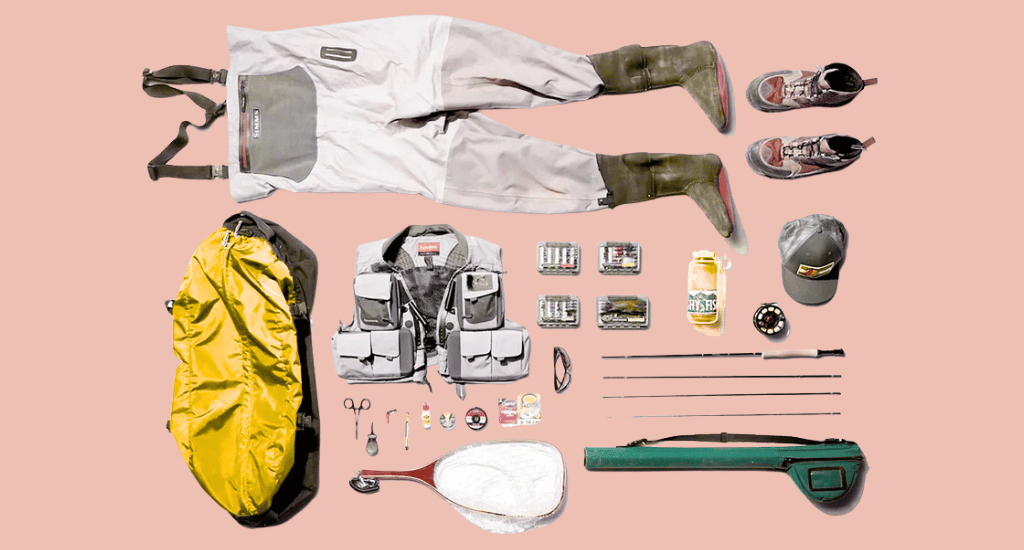
Trout gear works best as one system. Match rod, line, leader, and flies so casting and drifts stay clean.
- Fly rod (9ft 5wt standard): Use a 9ft 5wt fly rod for most trout waters. Medium-fast to fast action helps beginners cast better.
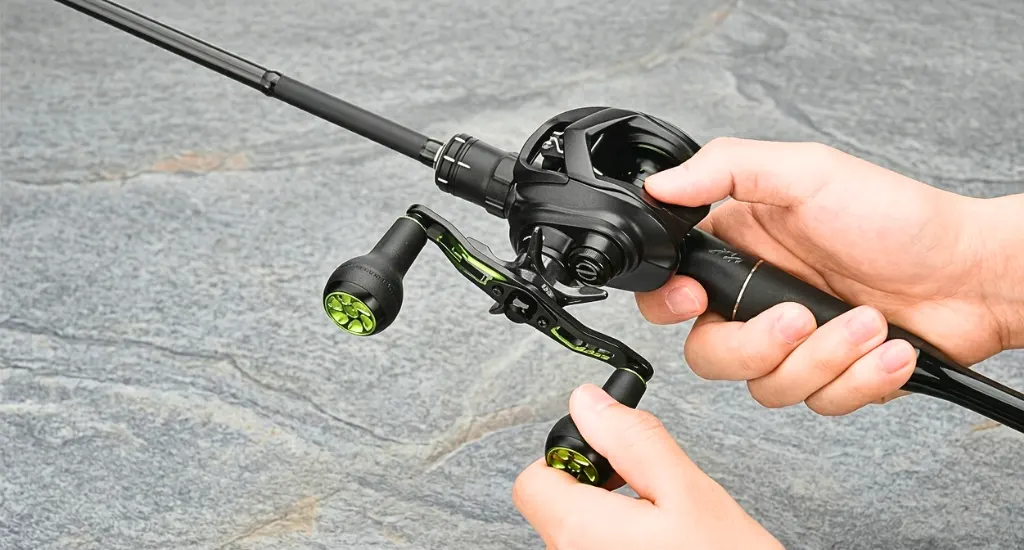
- Reel (balanced, smooth drag): Choose a reel that balances a 5wt rod. Smooth drag protects light tippet on sudden runs.
- Fly line (WF floating): Use a weight-forward floating line as your default. Match line weight to rod weight for easy loading.
- Sink-tip option: Add a sink-tip line when you need depth for nymphs or streamers in faster, deeper runs.
- Leader (7.5–9ft tapered): Start with a 7.5–9ft tapered leader. It turns flies over without slapping the water.
- Tippet (5X–7X): Use 5X–7X tippet for clear water and picky trout. Go thicker when fishing streamers or in heavy current.
- Knots (simple, strong): Tie improved clinch and surgeon’s knots. Reliable knots matter more than fancy gear.
- Indicators and split shot: Carry a strike indicator and split shot. They control depth and show subtle nymph takes.
- Dry flies (mayflies, caddis): Fish Parachute Adams and Elk Hair Caddis. Keep a #16 Parachute Adams for visibility.
- Nymphs (subsurface staples): Use Pheasant Tail, Hare’s Ear, and Copper John. These match many aquatic insects.
Seasonal Trout Fly Fishing
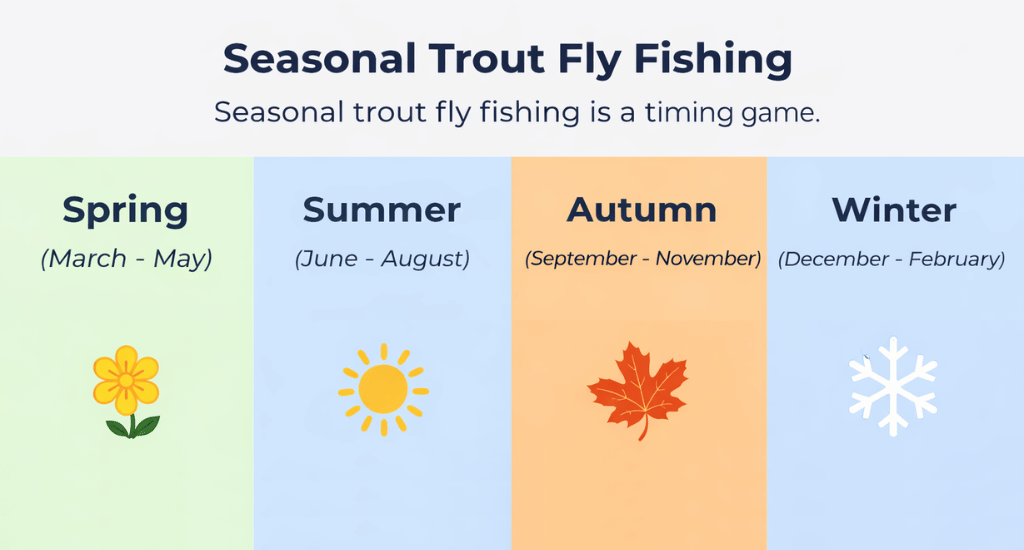
Seasonal trout fly fishing is a timing game. Match your flies and presentations to runoff, hatches, and water temperature, and your catch rate will climb quickly. Use spring to hunt fresh feeding windows, use summer to fish the coolest hours, and use fall to lean on streamers and aggressive fish.
Spring Trout Fishing
Spring fishing rewards post-runoff planning. Fish edges and softer lanes when flows are high, because trout slide out of heavy current. Start with midges and BWO when the water is cold and clear. Watch for spawning closures, because some stretches protect fish during the early season.
Summer Trout Fishing
Summer fishing produces the most consistent dry-fly action. Fish early in the morning and evening when heat spikes, because trout feed most actively in cooler water. Match caddis and mayflies during hatch windows, then switch to terrestrials when bugs fall in. Protect trout by avoiding warm afternoons if water temps push high.
Fall Trout Fishing
Fall fishing triggers aggressive feeding. Throw streamers along banks and structure, because bigger trout hunt before winter. Expect strong eats during shorter days and cooler nights. Monitor brown trout spawning activity, as fish move and some areas restrict wading to protect redds.
Winter and Daily Conditions
Winter fishing stays possible on tailwaters. Fish midges slow and deep when the water is stable. Let the weather steer your plan, because wind and pressure changes shift feeding windows throughout the day.
Approach and Stealth Tactics
Stealth wins more trout than flies. It keeps fish relaxed because pressure and vibration push trout out of their feeding lane quickly. It starts with one rule: avoid quick movements and wade carefully and slowly.
Choose smart positioning before you cast. Set up low and off to the side so your line lands first, not your body or shadow. Use cover like rocks, brush, and bank height to hide your approach. Keep a long gap from the target, then close the distance only when you have a clean lane.
Wade with control to reduce disturbance. Step heel-to-toe, pause between steps, and keep your knees soft so rocks do not clack. Enter from downstream when possible, and avoid pushing a wake into the run. Stop moving once you are in range, then make the cast.
Trout Fishing Ethics and Conservation
Trout ethics protect the fishery. Catch-and-release keeps wild trout healthy and keeps good water fishing well.
Use barbless hooks for clean releases. Keep trout wet during handling. Wet hands first, then unhook fast, then limit air time to a few seconds.
Follow local regulations every trip. Know seasons, closures, and bait rules before you fish. Respect stream etiquette by giving space, wading softly, and not stepping through obvious holding water.
Protect wild trout where they live. Avoid targeting stressed fish in warm water. Watch for invasive species rules, clean your boots and gear, and never move live fish or water between streams.
Common Beginner Mistakes and How to Avoid Them
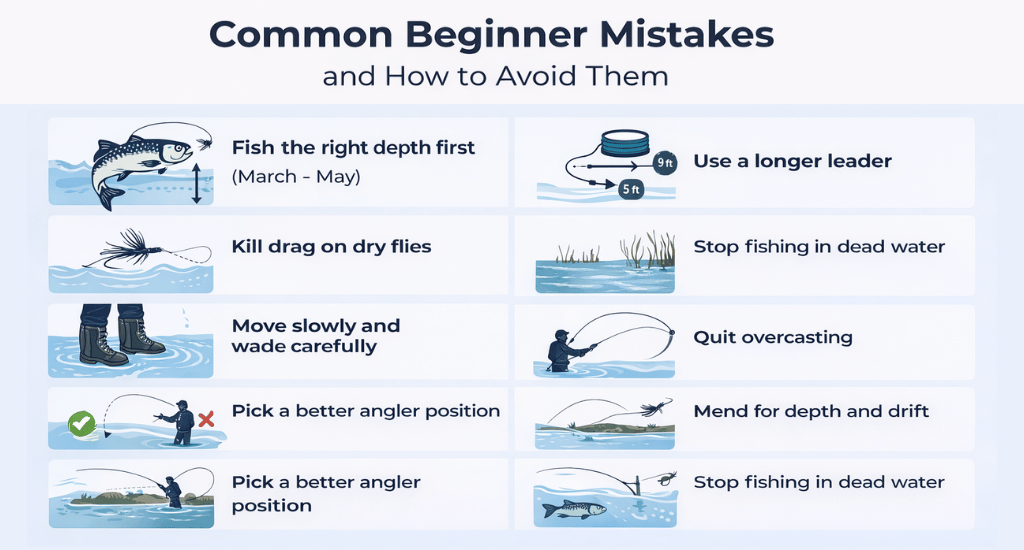
Beginner mistakes waste good water fast. Fixing a few habits speeds up your learning curve and puts more trout in the net.
- Fish the right depth first. Get nymphs down fast. Add a split shot or a heavier nymph if you are not ticking near the bottom.
- Kill drag on dry flies. Mend early and often. Aim for a natural drift, not a wake, when trout are rising.
- Move slowly and wade carefully. Avoid quick movements. Step heel-to-toe and pause often, because vibration and shadows spook trout.
- Pick a better angler position. Stay low and off the skyline. Cast from an angle that keeps the line off the main seam.
- Use a longer leader. Run 7.5 to 9 feet for dries. Add tippet length if fish are wary in clear water.
- Stop fishing in dead water. Target seams, eddies, and structure. Skip flat, fast, featureless runs because they are the least effective.
- Quit overcasting. Make fewer false casts. One clean cast lands softer and spooks fewer fish.
- Mend for depth and drift. Mend upstream to slow the fly. Mend downstream to speed it up, depending on the current lane.
Conclusion
Fly fishing for trout gets simple when you focus on repeatable basics: find the right water, control depth, and earn a drag-free drift. With a 9-foot rod, weight-forward floating line, and a small box of dry flies, nymphs, and streamers, you can cover streams, rivers, and lakes all season.
Keep improving one skill at a time: reading seams and structure, mending for line control, and setting smoothly on real tension. Stay stealthy, handle trout gently, and follow local rules so the fishery stays strong. Do that, and the “learning curve” becomes a steady streak of fish.