The biggest myth about salmon fishing in Alaska is that Sockeye (Red) Salmon won’t take a fly. Fly fishing for sockeye works when you match their spawning run behavior and fish the right lane with the right depth.
Sockeye salmon (Oncorhynchus nerka) are anadromous Pacific salmon, and they have earned a reputation as the hardest Pacific salmon to fly because they stop feeding and demand precise presentation.
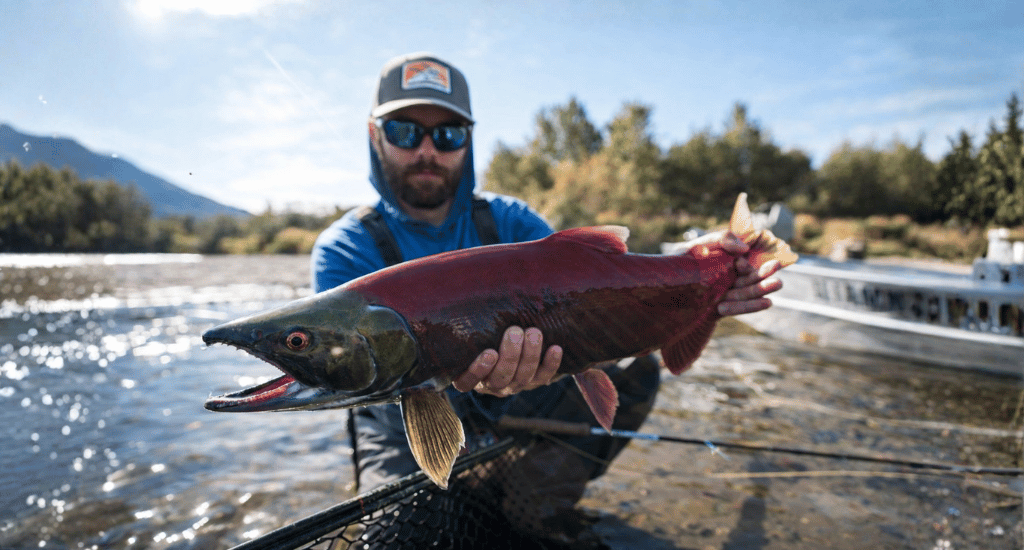
Fresh fish show up chrome bright, then turn into red salmon with a vivid spawning glow. They are hard-fighting fish on light fly gear, and every hookup feels earned. This guide covers the proven methods, gear, and prime rivers to do it right.
Fly Fishing Techniques for Catching Sockeye Salmon
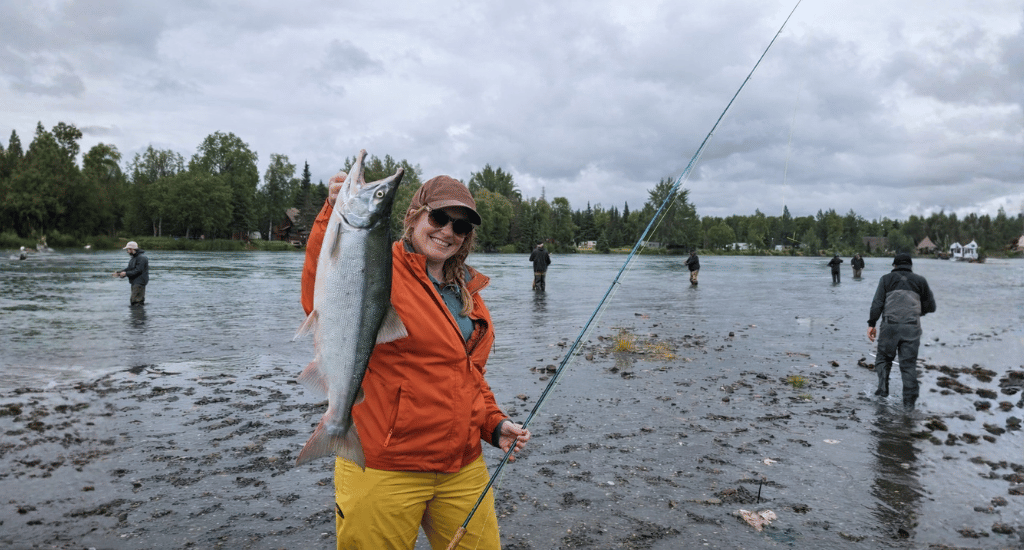
Fly fishing techniques for sockeye work best when they solve one problem first: sockeye stop feeding in freshwater. Success comes from clean drifts in the travel lane, steady depth control, and repeatable presentations that keep your leader and fly at mouth level, not above them.
The Flossing and Kenai Flip Technique
Flossing is a controlled drift that mouth-hooks sockeye, and it works because fish travel with slightly open mouths in the current. Start by making a roll cast at a 45-degree angle upriver. Feed just enough line so the rig sinks and tracks near the bottom.
Mend upstream to slow the swing and keep depth. Let the leader slide into the lane, then come tight smoothly as the line passes below you. Set with a firm strip or smooth lift, not a hard sweep. Check local rules, because leader length, hook placement, and weight can define legality.
Sight Fishing for Sockeye
Sight fishing is the fastest learning tool because you see the lane instead of guessing it. Wear polarized glasses because glare hides fish shapes and color changes. Look for stacked silhouettes, slow tail pulses, and light flashes in seams and edges.
Approach from downstream and stay low, because sockeye spook from footfalls and moving shadows. Cast slightly upstream of the fish and drift the fly to nose level. Repeat the same drift line, because sockeye often react after multiple clean passes. Change depth first if you see fish sliding under your fly without turning.
Dead Drift and Nymphing Techniques
Dead drifting is the most reliable presentation because it keeps the fly natural and low-drag. Fish small nymphs, beads, and egg patterns because they track clean near the bottom. Use a strike indicator for mixed currents, then set depth so the fly ticks bottom now and then.
Adjust deeper in small steps until you stay in the lane without dragging hard. High-stick nymphing helps on faster runs by cutting slack and improving contact. Lead the drift with your rod tip and keep a straight line, because sockeye often feel like a soft stop, not a slam.
Swinging Flies for Sockeye
Swinging works best when fish show aggression in consistent runs with a defined seam. Make a quartering downstream cast and mend right away, because the mend controls sink time and swing speed. Let the fly swing broadside through the lane, then add short strips at hang-down for late grabs.
Fish wet flies and small streamers when the water has color, or the flow is strong. Use spey casting on big rivers when space is tight, because it covers water fast and saves energy. Keep the swing slow and low, because sockeye rarely chase far in heavy current.
Triggering Strikes from Non-Feeding Fish
Aggravation strikes drive most hookups because sockeye are reacting, not eating. Put the fly in the lane and show it again, because repetition beats random fly changes. Change depth before you change patterns, because depth controls strike rate. Speed up slightly for chrome bright fish in a steady flow. Slow down for darker fish or colder water.
Adjust angle and mend timing in small steps, because tiny speed changes turn a follow into a grab. Keep expectations real, because some days are a grind until a school slides through and gives you a short window.
Hooking and Fighting Sockeye
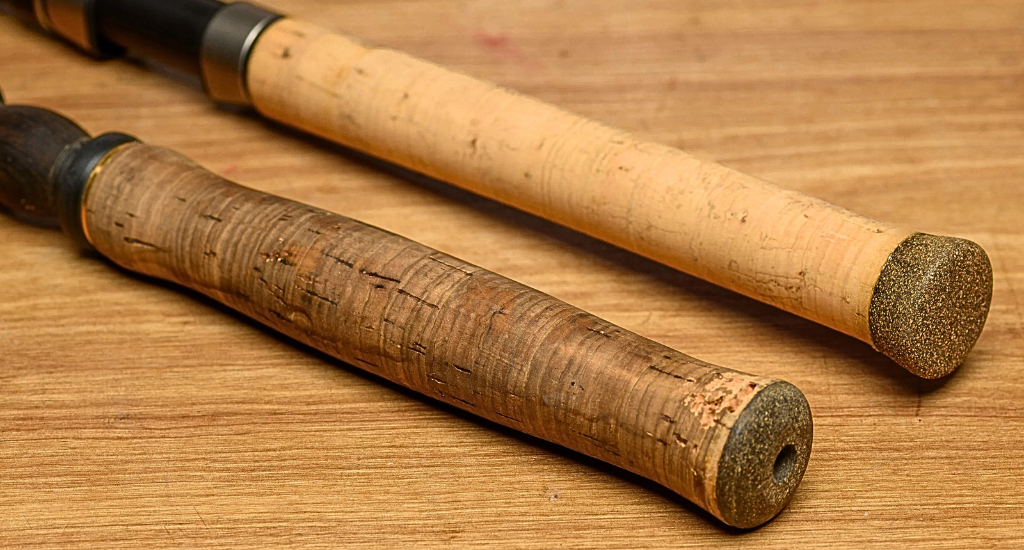
A strip-set hooks more sockeye because it keeps tension and drives the point without lifting. Pin the line to the cork, pull with your line hand, then raise the rod after you feel weight. Expect powerful runs and jumps, because fresh sockeye fight hard in the current.
Get the fish on the reel fast to prevent tangles. Fight with side pressure and a low rod angle, because it turns fish and reduces break-offs. Use steady pressure, not max pressure, because a smooth fight reduces angler fatigue and helps land fish faster. Lead the fish into softer water and net quickly for a clean release.
Location-Specific Tactics for Sockeye Fly Fishing
Location tactics drive sockeye success because each river sets different rules for fish travel, crowd pressure, and staging. Fish the travel lanes first, keep your drift clean, and match your approach to the water you are standing in.
Russian River (Alaska) Techniques
Russian River sockeye fishing is combat-style, rewarding discipline over long casts. Follow the rotation and hold your water, because crowded banks punish sloppy swings and drifting lines. Target deeper slots, current edges, and defined lanes where schools slide through.
Plan for July if you want peak numbers and steady movement. Fish small, proven patterns and stay efficient.
Tie on the Russian River Fly when you need a reliable profile in tight lanes, then rotate to other small bright attractors as light and water color change. Follow regulations closely, because hook rules and snagging definitions get enforced hard.
Lake Outlet Fishing
Lake outlet sockeye fishing is staging fishing that rewards patience and lane reading. Work the softer water below the outlet where the current slows, because fish stack and rest before pushing upstream.
Keep the fly at nose level with controlled drifts and depth control, then repeat the lane until you see a reaction. Borrow kokanee tactics when outlets fish like a mix of river drift and lake pause.
Fish incoming tides at tidewater mouths if you are near coastal rivers, because fresh fish often pulse in. Scale down in small streams for stealth, and scale up in big rivers for depth and control. Avoid spawning redds once fish pair up.
Prime Sockeye Rivers and Destinations
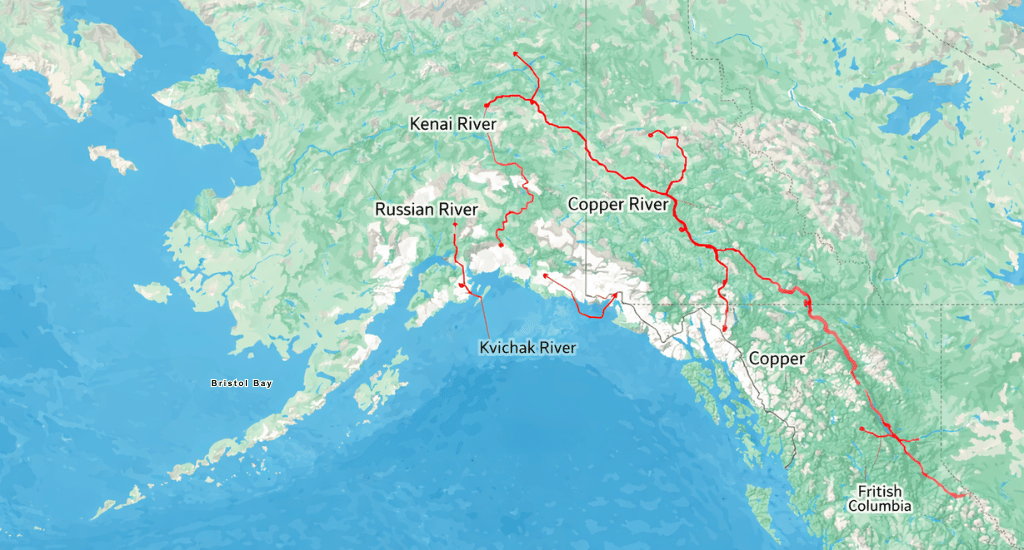
Prime sockeye rivers stay consistent because runs return on schedule. Fly fishing for sockeye gets easier when you pick a system with strong numbers, simple access, and clear rules.
- The Kenai River is a popular destination for sockeye because it is reliable and accessible by road in Southcentral Alaska. Fish from June through August, with July as the peak in many seasons. Target travel lanes on edges, seams, and softer inside water from bank or boat.
- The Russian River matters because it stacks fish and crowds fast. Expect strict enforcement and combat-style etiquette.
- The Kvichak River delivers classic western Alaska scale.
- The Copper River is famous but less DIY-friendly due to limited access.
- The Fraser River in British Columbia often peaks later, commonly in July through September.
- Bristol Bay tributaries and the Naknek area offer huge numbers with a more remote feel.
Quick planning notes:
- Run timing: Alaska, June to August, often peaking in July. BC and WA are often from July to September.
- Rules: Harvest vs catch-and-release varies by river and even by section. Check before you fish.
- Access: Guided trips simplify remote systems. DIY shines on road-access rivers like the Kenai and Russian.
- Crowds: Russian River can be packed during peak days, so fish early, move often, and stay respectful.
Understanding Sockeye Behavior and Biology
Sockeye are non-feeding salmon that still get caught on flies. Fly fishing for sockeye works because the spawning run concentrates fish and triggers reflex strikes.
Sockeye salmon are anadromous fish that migrate from the ocean to freshwater. Plan for June through September, with July as peak season and June to August as the most reliable window in many Alaska systems.
Fresh sockeye fight hardest and show chrome bright sides. Spawning fish shift fast into a red body and green head, and their shape thickens as they commit. Some stocks rear in lakes, while stream-type fish stay longer in rivers.
Sockeye are hard to hook because they stop feeding and have a firm mouth. Trigger grabs with depth control, clean drifts, and the right cues like flesh, beads, and caddis.
Quick ID and context:
- Size: 4 to 8 lb is common, with bigger fish possible.
- Schooling: river fish travel and hold in tight groups.
- Kokanee: landlocked sockeye often feed more and fish differently than ocean-run reds.
Essential Fly Fishing Gear for Sockeye
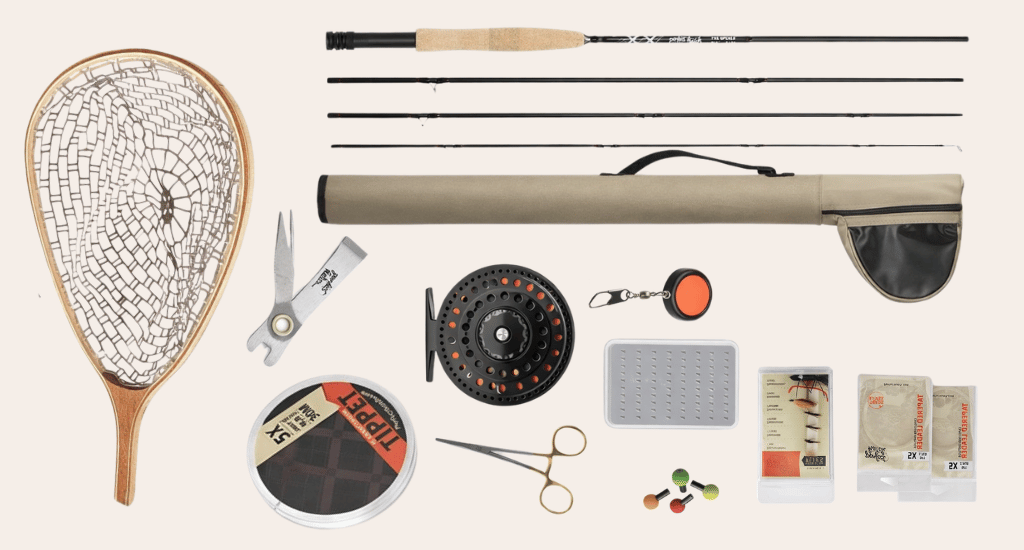
Sockeye gear stays simple because rivers punish weak setups. Build durability first, then pay for performance in rod action, drag quality, and a line that mends clean.
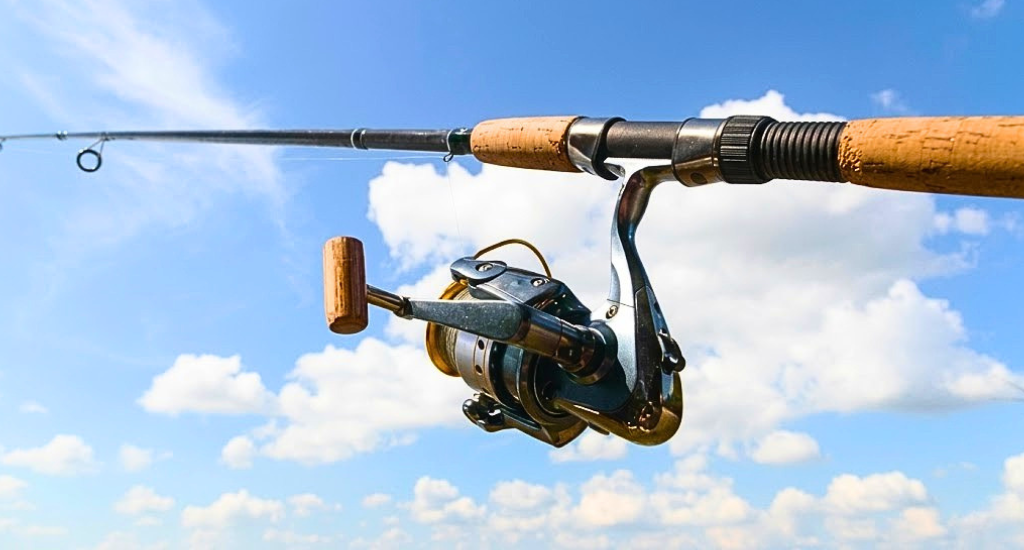
- Fly rod (7 to 9 weight): Control line and turn fish in heavy seams. An 8-weight is the best all-around choice for most rivers and fresh runs.
- Rod length and action: Pick 9 to 10 feet for reach and mending. Pick fast action for quick pickups and solid hook pressure.
- Reel and backing: Use a large arbor reel with strong drag. Load 150+ yards backing for long downstream runs.
- Fly line: Match the line weight to the rod. Use weight-forward floating in shallow edges. Use a sink-tip in deep slots and fast pools.
- Leader and tippet: Start 9 to 12 feet for clear water. Finish 2X to 4X (8 to 12 lb). Use fluorocarbon for sink and abrasion.
- Sockeye flies (#6 to #10): Fish Russian River Fly, Montana Brassie, and Karluk Flash Fly. Add eggs, flesh flies, and bead-head nymphs for travel lanes.
- Colors: Keep it tight with pink, orange, chartreuse, and red for visibility and confidence.
- Must-have extras: Wear chest waders for cold water. Use polarized sunglasses, a rubber-mesh net, and pliers/forceps for quick releases.
Timing Your Sockeye Fishing Trip
Timing drives sockeye success because runs shift fast. Plan for peak movement and steady travel lanes, and you get more shots and cleaner hookups.
July is peak season in Alaska and the safest first-trip bet. Target June through August for most systems, with June offering chrome-bright fish and lighter crowds but more number swings.
Use August as a late-season option when you want space and deeper water plays. Expect more colored fish and tighter crowds at key access points, especially at dawn and early morning.
Track runs with real data, not guesses. Follow fish counters, weirs, and sonar reports when available, then adjust for flow, water clarity, and tide pulses on coastal rivers. Fish early and late when pressure is high.
Common Mistakes and Troubleshooting When Catching Sockeye
Sockeye punish small errors fast. Fix technique first, then depth, then fly size. Fly fishing for sockeye gets simple when your drift stays clean, and your gear stays standard.
- Myth Trap: Sockeye do take flies. Fish travel lanes with proven methods. Use flossing, dead drifts, or swings instead of waiting for “feeding” behavior.
- Wrong Floss Angle: Flossing fails without the 45-degree upriver roll cast. Recast at 45, mend once, and let the line lead the drift.
- Underweight Rod: Light rods lose control in pushy water. Use a 7-9 weight fly rod, with an 8-weight as the best all-around choice.
- Oversized Flies: Big patterns reduce clean hookups. Downsize to #6 to #10 flies, then adjust weight and color before changing styles.
- Bad Lane Control: Fast swings miss the strike zone. Slow the swing, mend for speed, and track the fly through seams and softer inside lanes.
- Spooking Fish: Heavy steps move fish deeper. Approach low, stay off bright gravel, and lengthen leaders when water is clear.
- Wrong Depth: High flies fish “empty” water. Add sink-tip or weight and count down, until you tick bottom, then back off slightly.
Conclusion
Sockeye reward precision, not luck. Fly fishing for sockeye works when you fish the travel lane, control depth, and repeat clean drifts until a school slides through. Use flossing and the Kenai flip where legal, then mix in dead drifts, nymphing, and slow swings in seams and softer inside water.
Build around an 8-weight, a sink-tip option, and durable leaders to control fish in current. Time your trip for the peak run, track fish counts, and adjust for flow and clarity. Explore All for Fishing for more fly fishing guides, tactics, and destination breakdowns.