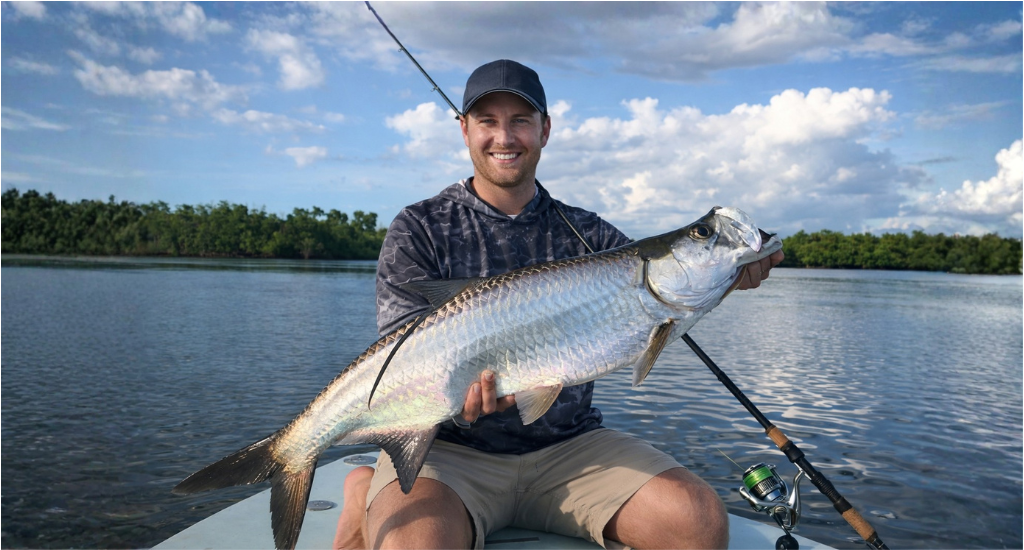
Silver light cuts the water as a huge fish rolls near the boat. Fly fishing for tarpon brings that moment close, and the Silver King earns its name with size, shine, and wild jumps. One strike can bend a strong rod and wake every nerve in your hands.
This sport sits at the top of saltwater fly fishing because of skill and effort. Tarpon move with care and speed. Gear must stay strong, and calm hands matter. A long fight often follows a clean hook set. Read this blog to learn the right gear, flies, places, and smart tips that help tarpon come to hand.
Key Takeaway: Fly Fishing for Tarpon
- Strong rods, reels, and leaders handle the Silver King
- Use a strip-set to drive the hook into the hard mouth
- Keep the line tight and the bow rod during jumps
- Cast within 50-70 feet for better reaction
- Start with juvenile tarpon to build skill
What Makes Tarpon a Unique Fly Fishing Challenge
Tarpon stand apart due to a hard mouth that feels like a flat dinner plate. A fly hook must hit the right spot, or it will slip out. Many first strikes fail, even when the fish eats the fly. This makes each solid hook set feel rare and earned.
Once hooked, tarpon burst away with fast runs and high jumps. The fish can leap in the air and shake its head. That move often throws the hook if the line goes slack.
Tarpon size can vary a lot. Baby tarpon may weigh 5 to 15 pounds. Big adults can pass 100 or even 200 pounds. Each size needs care and skill. Luck plays a small role here. Cast aim, line control, and timing guide success with this fish.
Core Techniques for Successfully Hooking Tarpon
Tarpon need more than hope and a good fly. Strong skills, sharp timing, and clean control rule this game. These core steps help keep the hook set firm and the fish on the line even when chaos fills the water.
The Strip Set (Critical)
You should use two or three hard pulls with your line hand once the tarpon eats the fly. Do not lift the rod like a trout hook set. This pull drives the hook deep into the hard mouth.
Staying Tight
Keep steady pull on the line at all times. Any loose line gives the tarpon a chance to shake free. This rule matters most when the fish runs fast or leaps high above the water.
“Bow to the King” Technique
When a tarpon jumps, lower the rod tip toward the fish. This move drops some pressure on the line. Less strain keeps the hook set safe while the fish shakes its head in the air.
Casting Accuracy Over Distance
You should aim for clean casts that land within 50 to 60 feet. Place the fly inside a small space, like a hula hoop, on the water. Limit backcasts to two or three to keep control.
Line Hand Control
Hold the loose line with care after the cast. Quick pulls help keep tension. This control lets you react fast when the tarpon eats and runs.
Calm Body Control
Try to stay still and keep your feet firm on the deck. Sudden steps or panic moves can tangle the line. A quiet body keeps the fight clean and gives the fish fewer chances to escape.
Essential Fly Fishing Gear for Tarpon
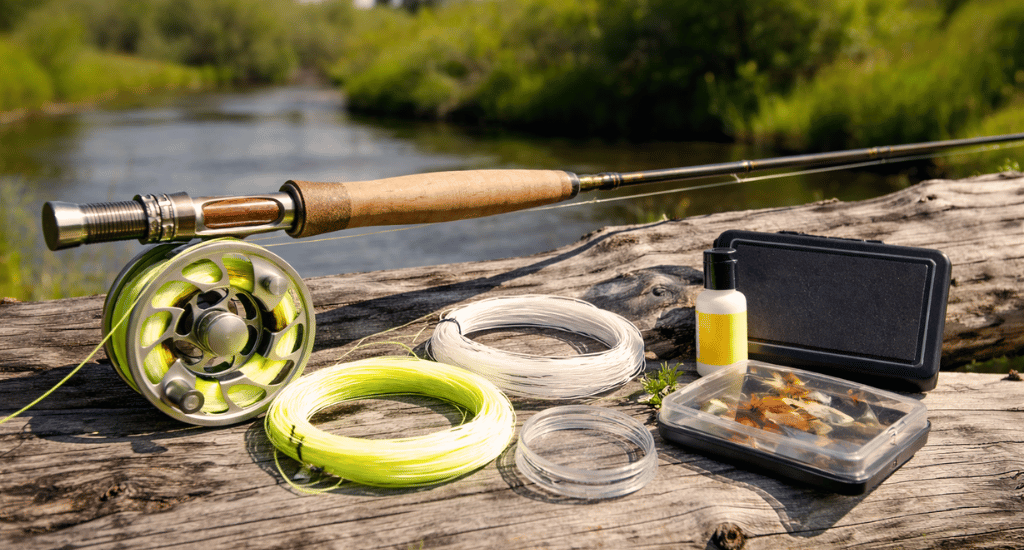
Tarpon pushes every piece of gear to its limit. The right tools keep control during long runs and wild jumps. This setup helps the fly stay on target, and the hook stays firm in that hard mouth.
Fly Rods
An 8-weight rod fits tarpon under 20 pounds, yet use stays rare. A 9 or 10 weight works well for young and mid-sized fish. Large tarpon need 11 or 12-weight rods. Most guides trust a 12-weight. Graphite rods give strong power with less arm strain.
Fly Reels
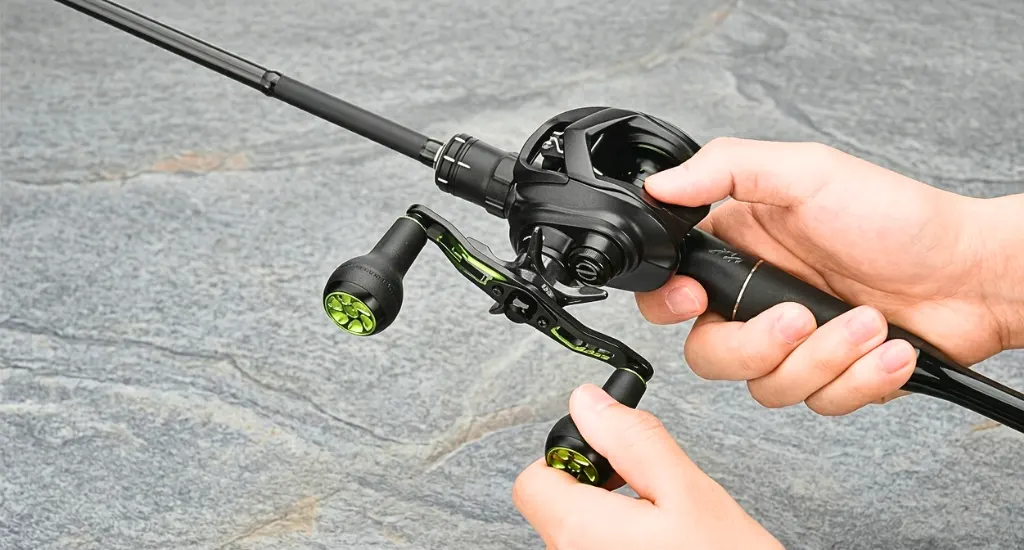
Large arbor reels hold more line and bring it back fast. A smooth, sealed drag keeps a steady pull even in saltwater. Each reel should store over 200 yards of backing to handle long runs.
Fly Lines
Floating lines suit flats and shallow water where tarpon cruise. Intermediate or sink tip lines fit channels and deeper zones. Mono core slime lines help with shy fish because of their low shine and soft touch on the water.
Leaders & Shock Tippets
Custom leaders help turn the fly over with ease. A thick butt section leads the cast. The mid section stays near 16 to 20 pound test. Add a 12-inch shock tippet of 80 to 100-pound fluorocarbon. This guards against rough gill plates and the hard mouth.
Best Tarpon Fly Patterns
Top flies include the EP Streamer, Cockroach, and Purple Pimp. Baitfish and worm shapes also work well. Use hook sizes from 2 to 3/0. Sharp hooks, often barbless, help clean hook sets and safe releases.
Beginner Tips for Fly Fishing for Tarpon
Tarpon can feel tough for new anglers, yet the right plan makes the path clear. These simple tips help build skill, save time, and cut stress while the Silver King tests your nerve and focus.
Start with Baby or Juvenile Tarpon
Young tarpon weigh less and tire faster than big adults. They live in calm bays and canals, which makes casting easier. These fish give new anglers more chances to see, eat, and feel strong runs.
Practice Casting 60 to 70 Feet
Most tarpon shots fall inside this range. Work on clean casts that land soft and straight. Aim for a small space on the water. This helps the fly reach the fish without loud splashes.
Learn Strip Sets Before Your First Trip
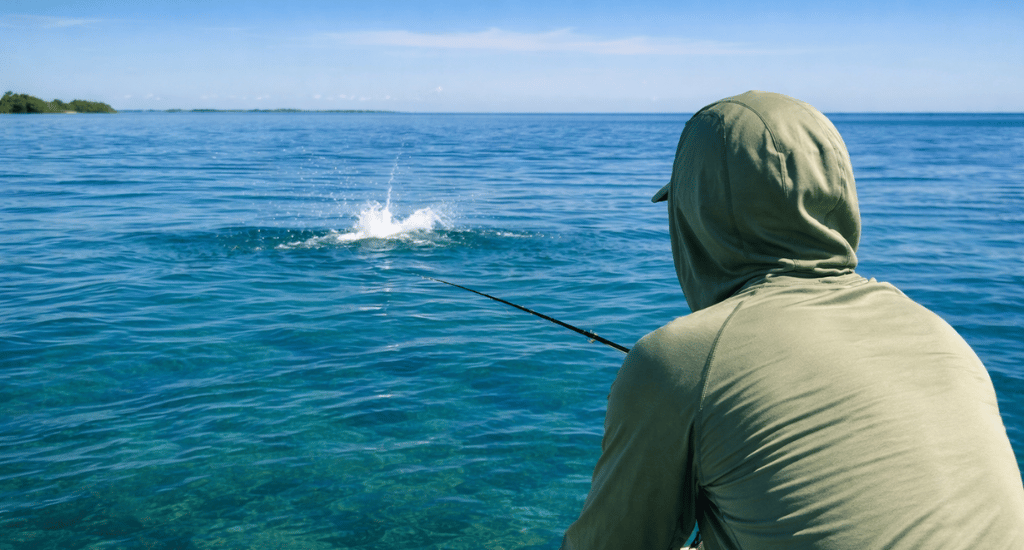
A strip set uses your line hand to drive the hook. This move fits the hard tarpon mouth. Lift sets fail here, so train this skill on land before any trip to saltwater.
Use Guides in the Florida Keys or Belize
Local guides know tarpon paths and daily habits. Places like the Florida Keys or Belize offer clear water and strong fish stocks. A guide also helps with boat position and clean shots.
Expect Misses and Lost Fish
Even skilled anglers lose many tarpon. Hook-ups stay rare due to the hard mouth and wild jumps. Each miss still teaches a lesson, so stay calm and keep faith in the next cast.
Common Mistakes Tarpon Anglers Make
Tarpon punish small errors with quick escapes. Many lost fish come from simple habits that work on other species yet fail here. These common mistakes show where new and even skilled anglers often slip.
Trout Set Instead of Strip Set
A trout-style rod lift pulls the fly out of a tarpon’s mouth. That mouth feels flat and hard, so the hook needs force from the line hand. Skip the lift and pull with short, sharp strips.
Rods Lighter Than 10 Weight
Large tarpon need strong rods to turn their head and slow long runs. Rods under 10-weight bend too much and lose control. A light rod also makes fights last too long and harms the fish.
No Bow During Jumps
When a tarpon leaps, the line pulls tight as the fish shakes its head. If the rod stays high, the hook may pop free. Drop the rod tip toward the fish during each jump.
Casting Too Far
Long casts look good yet hurt success. Shots past 70 feet reduce aim and slow reaction. Tarpon move fast, so close and clean casts give better line control and quick hook sets.
Weak Backing and Drag
Tarpon can run for far in seconds. Reels need smooth drag and over 200 yards of backing. Too little line or poor drag leads to sudden breaks and lost fish during strong first runs.
Conclusion
Fly fishing for tarpon asks for grit, sharp skill, and the right tools. Strong rods, clean casts, and calm hands all play a part. Start with a small tarpon and build skill step by step as your trust grows with each cast.
So, fly fishing for tarpon pays back every ounce of work when the Silver King rolls close and stays on the line. That bright flash and deep pull leave a mark on the heart. A few moments in saltwater feel so alive and real.
FAQs
What size fly rod do you need for tarpon?
The size of the fly rod you need for tarpon depends on the fish. Small tarpon under 20 pounds use an 8-weight; juvenile tarpon need 9-10 weight, and large migratory tarpon require 11-12 weight rods.
How hard is it to catch a tarpon on a fly rod?
Catching a tarpon on a fly rod is very hard. Hook-to-land ratios are low, and even experienced anglers find it tough. This difficulty is why fly fishing for tarpon is seen as the pinnacle of saltwater sport.
Where is the best fly fishing for tarpon?
The best fly fishing for tarpon happens in places like the Florida Keys, Belize, Cuba, Mexico, and Costa Rica. These locations give strong tarpon populations, clear water, and guided support to improve your chances.