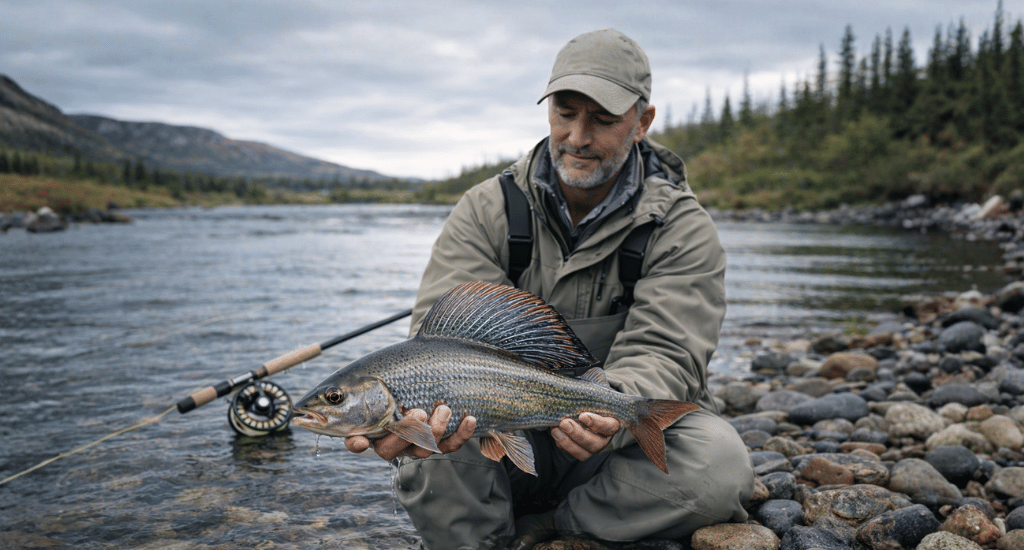
Silver fins slice clear water, flashing bright flags of wild joy that draw anglers in. Fly fishing for Arctic grayling offers fast bites and vivid color in cold rivers and lakes. These bold fish fight with short, sharp moves, making every cast exciting.
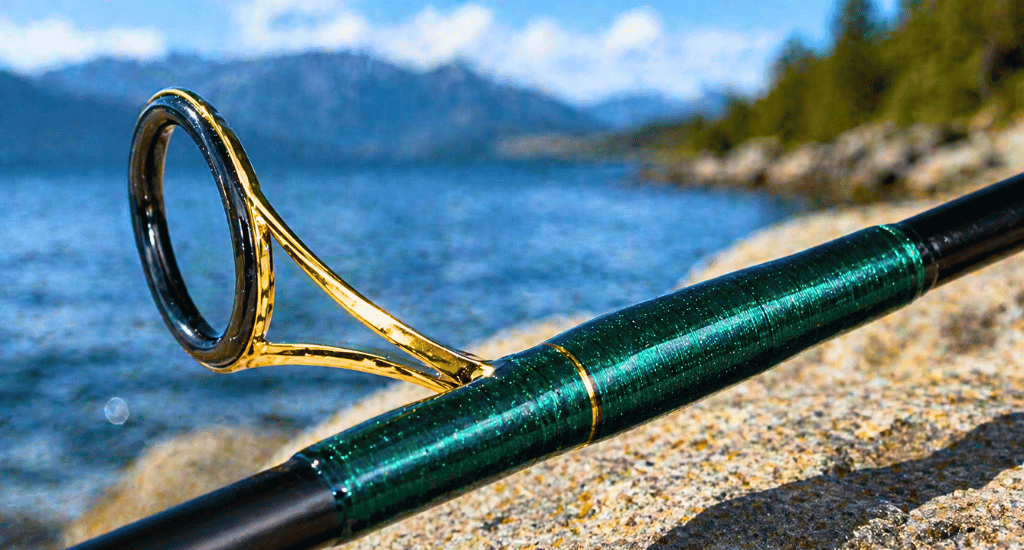
Found in Alaska, Canada, and northern U.S. waters like Montana’s Lake Rogers, grayling have tall dorsal fins that help them turn quickly. Light rods are ideal, offering a thrilling fight despite their small size.
This guide covers rods, flies, casting, top spots, seasons, and fish care, helping you enjoy more successful, stress-free grayling fishing days.
Is Fly Fishing Suitable for Arctic Grayling
Yes, fly fishing fits Arctic grayling very well. This fish loves small insects that land on the water. A fly looks like one of those bugs. That match makes the grayling rise and strike with speed.
Grayling stay in calm pools, runs, and deep holes. A wet fly can drift down to them in those spots. A dry fly can float on top. Both styles bring good results.
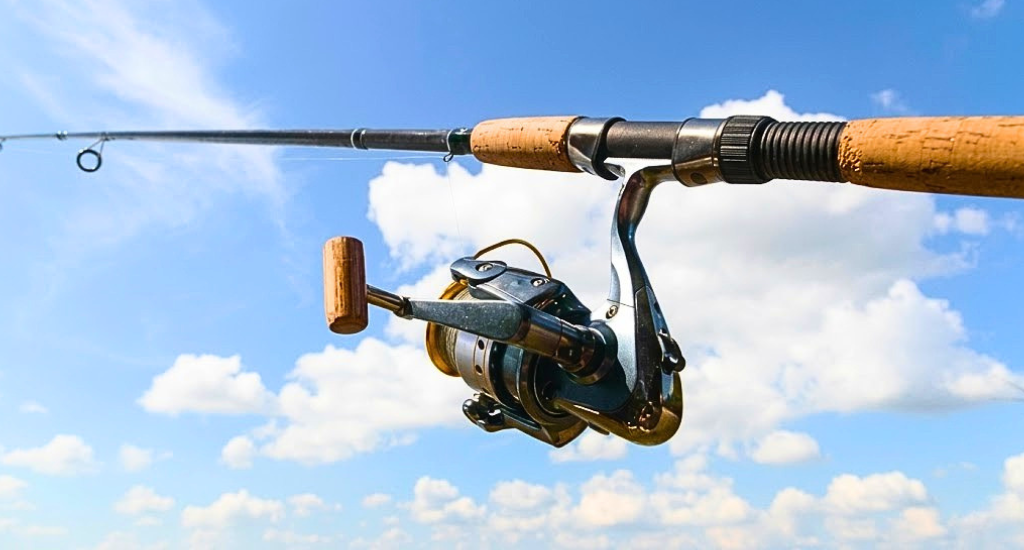
Light rods give better control. Many anglers use soft rods like the TFO Blue Ribbon for dry flies. Subsurface flies, which sink below the top, work well with the LK Legacy rods.
These fish show quick moves and strong pulls. That mix makes fly fishing feel lively. For anyone who enjoys fine control and fast bites, Arctic grayling fit that style well.
Best Fly Patterns for Arctic Grayling
Arctic grayling respond to a wide range of flies, and knowing the right patterns can turn an average day into a memorable one. Using dry flies, nymphs, and streamers in the right spots increases the chance of lively strikes. Here’s a practical guide to top fly patterns that work for grayling.
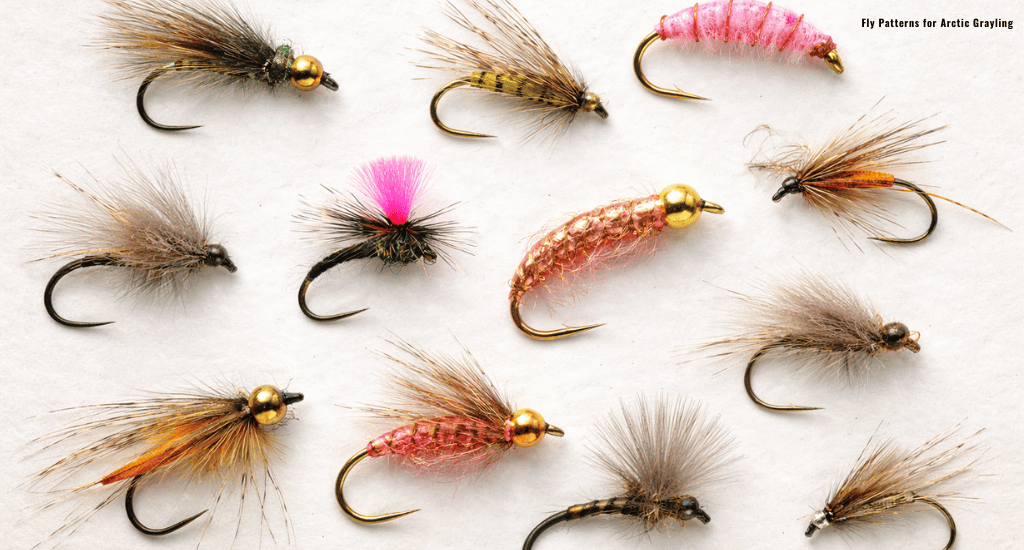
Dry Flies (Top Producers)
Elk Hair Caddis
This fly floats naturally on the surface and imitates adult caddisflies. Grayling notice its movement and often rise to take it. Works best in slower water near riffles and pools.
Adams
A classic pattern that imitates mayflies. It performs well in clear water and attracts fish throughout the season. Light-colored wings make it visible, and the soft hackle encourages strikes.
Humpys (yellow or red)
Bright and buoyant, these flies float well even in shallow runs. Yellow or red works best under sunny conditions. The fish can see them clearly, making them a reliable choice for active grayling.
Black Gnats
Small but effective, black gnats imitate tiny insects near the surface. They work best in summer when grayling feed on swarms of midges. Easy to cast and drift naturally.
Royal Coachman
A classic fly with bright colors that attract attention. Works in fast water or areas where fish need a visual trigger. Effective in early summer when insects are sparse.
Mosquito Patterns
Perfect for slow pools and calm water. These flies imitate tiny hatching mosquitoes, which grayling eagerly take during warm evenings.
Seasonal Notes
In July, size 10 Stimulators and size 12 Humpys perform well. Dark patterns often outperform bright ones in deeper or shaded water. Matching the season and hatch improves success.
Nymph Patterns
Bead-Head Nymphs
Weighted flies that sink quickly to grayling feeding near the bottom. They imitate larval insects and work well in slow pools and shallow riffles.
Chironomid Patterns
Small flies that imitate midges under the surface. Effective when fish refuse dry flies, especially in early summer mornings or late evenings.
Nymphs are useful when grayling aren’t actively rising. Slow drift and subtle movement help trigger strikes from less aggressive fish.
Wet Flies & Streamers
Woolly Buggers (especially fall)
Mimic leeches or small baitfish. Heavy flies that reach deep pools where grayling feed. Fall is prime time for this pattern.
Leech Patterns
Effective in strong currents and deeper holes. These flies imitate natural prey and attract bigger fish.
Useful in:
Deeper holes and faster water where surface flies may not reach. Adding a split shot helps keep the fly near the bottom in heavy flow.
Proven Presentation Techniques for Arctic Grayling
Catching Arctic grayling often depends more on how you present your fly than the fly itself. Grayling notice subtle movements, so smooth casts, proper depth, and natural drift make a big difference. Here are six proven steps to improve your fly presentation.
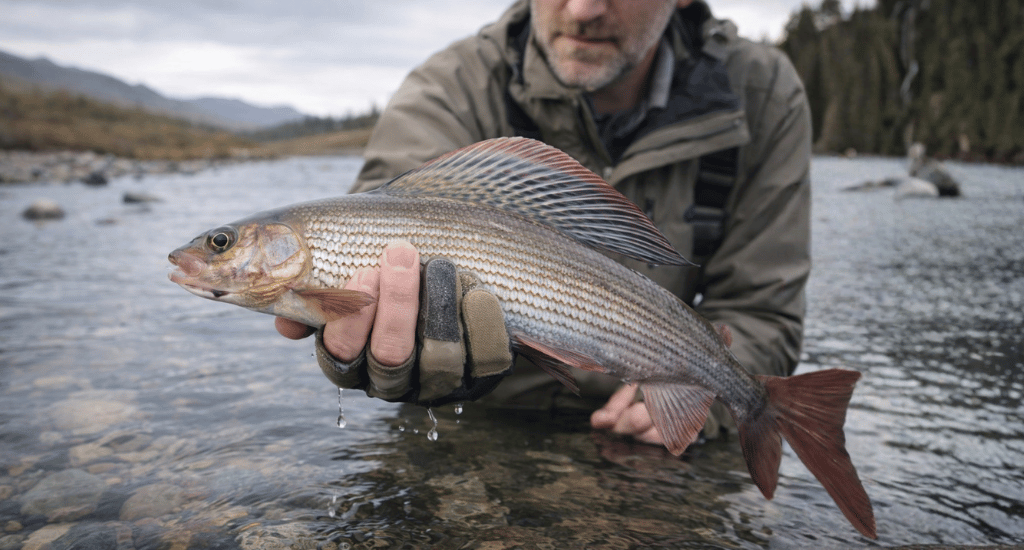
1. Read the Water Carefully
Study pools, riffles, and runs before casting. Look for rising fish, subtle surface ripples, or shadowed areas. Grayling often feed near rocks, seams, or slower current edges. Choosing the right spot improves the chances of a quick strike.
2. Use Gentle Casts
Soft, accurate casts prevent spooking fish. Aim to land the fly lightly on the water. Avoid splashes that can alert grayling. Longer casts are useful for deep holes, but accuracy matters more than distance.
3. Match the Drift
Allow your fly to move naturally with the current. Grayling respond best to a slow, lifelike drift. Adjust the line to prevent drag, which can make your fly move unnaturally. Subtle corrections can trigger more bites.
4. Adjust Depth Properly
Use dry flies on the surface and nymphs below. Streamers or wet flies reach deeper zones. Grayling often feed at mid-depths in pools or near structures. Adding a split shot helps flies stay at the right depth in faster water.
5. Vary Retrieve and Movement
For subsurface flies, use a pop-and-tighten or slow strip technique. Grayling react to short, sharp pulls that imitate small prey. Change speed and rhythm if fish ignore the first drift. This mimics natural motion and draws attention.
6. Observe and React
Watch grayling behavior closely. If they rise frequently, focus on dry flies. If they remain near the bottom, switch to nymphs or wet flies. Adapt quickly to changing conditions to increase your success rate.
These steps focus on making the fly appear natural and enticing. Grayling can be picky, but patient observation, careful casting, and subtle movement often lead to strong bites. Following these techniques gives any angler a better chance to enjoy active, exciting grayling fishing.
Best Fly Fishing Gear for Arctic Grayling
Catching Arctic grayling is easier with the right tools. Fly fishing for Arctic grayling works best with light, sensitive gear that lets the fly move naturally. Using proper rods, lines, and hooks gives more bites and fun fights.
Fly Rod Selection
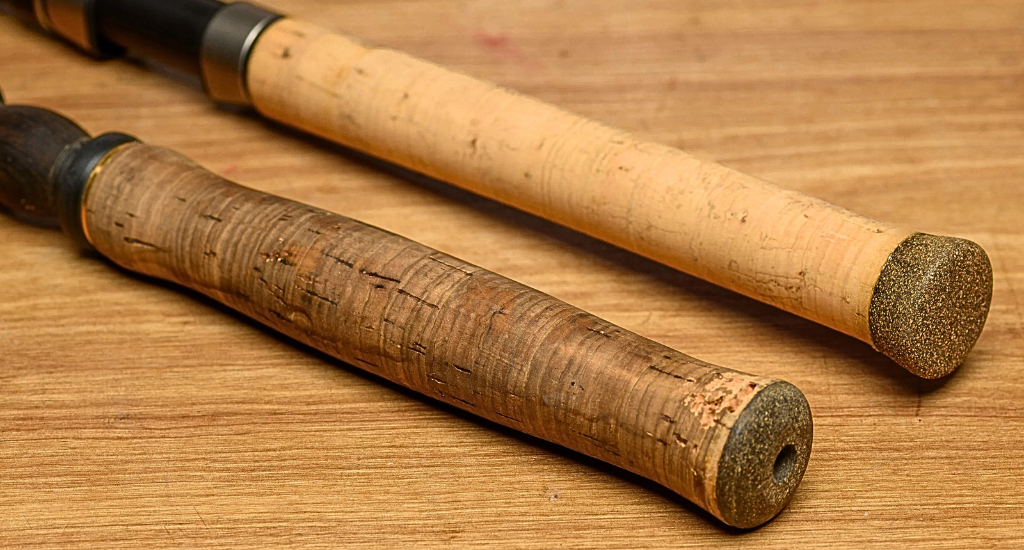
A 3-4-weight fly rod works perfectly for grayling. Eight to nine feet in length helps with short to medium casts. Light rods give a lively, responsive fight that makes every strike feel exciting without tiring the angler.
Fly Line
A Weight Forward (WF) floating line is ideal for fly fishing for Arctic grayling. It handles dry flies, nymphs, and light wet flies with ease. This line type helps the fly drift naturally on the surface or below.
Leader and Tippet Setup
Delicate presentation is critical for grayling. Use a 2-4 lb test leader with 3X or 4X tippet. Fine tippets make the fly appear more natural and reduce the chance of spooking fish, especially in clear water streams and pools.
Hooks and Regulations
Barbless hooks are strongly recommended. Many northern fisheries legally require them. They make catch-and-release safer and faster, protecting the fish while allowing anglers to enjoy fly fishing for Arctic grayling responsibly.
Using light rods, the right line, subtle leaders, and barbless hooks gives you control, fun, and more strikes. These gear choices make fly fishing for Arctic grayling effective while keeping the experience enjoyable and ethical.
Best Time to Fly Fish for Arctic Grayling
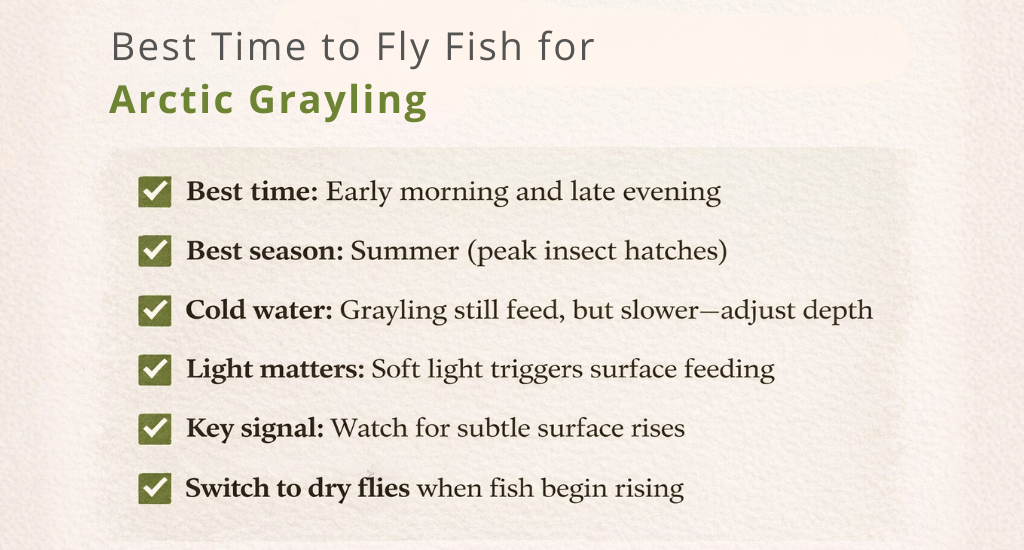
Early morning and late evening bring the best results for fly fishing for Arctic grayling. During these hours, the water is calm, and grayling rise to take insects near the surface. Gentle light helps them see the fly clearly.
Summer is especially productive. Warm weather encourages insects to hatch, which attracts grayling to feed actively. Long daylight hours also give anglers more time to cast and experiment with dry flies and nymphs.
Grayling remain active even in colder months. They move more slowly in chilly water but will still feed near pools and runs. Adjusting fly choice and depth can maintain success throughout the season.
Light conditions play a key role. Soft light in the morning or evening increases surface feeding, making dry flies highly effective. Watching for subtle rises helps you target the most active fish.
Tips for Catching More Arctic Grayling
Catching Arctic grayling often depends on technique more than gear. Small details in how you cast, drift, and handle the fish can make a big difference. Fly fishing for Arctic grayling rewards patience, observation, and careful presentation.
Drift Quality Matters More Than Exact Fly Matching
Grayling notice subtle movements on the water. A natural drift often triggers more strikes than an exact insect match. Let the fly float or sink naturally with the current, keeping a soft line to avoid drag and false presentation.
Present Flies Naturally and Gently
Avoid sudden splashes or heavy casts that can spook fish. Light, accurate casts with minimal disturbance give grayling a reason to rise. A gentle presentation increases the chance of repeated strikes in the same pool or run.
Expect Aggressive Surface Strikes
Arctic grayling are fast and bold on the surface. Dry flies can trigger explosive, exciting bites. Be ready to react quickly with soft rod lifts to set the hook without pulling too hard or tearing the fly away.
Light Rods Enhance Sport and Control
Use 3-4 weight rods for best results. Light rods allow delicate casts, easier drift control, and a responsive fight when grayling pull. They also reduce fatigue during long sessions and improve handling in small rivers and streams.
Practice Strict Catch-and-Release to Protect Populations
Barbless hooks and careful handling help grayling survive after release. Avoid touching gills or leaving fish in the net too long. Responsible practices keep populations healthy and maintain quality fly fishing for Arctic grayling over the years.
Conclusion
Arctic grayling reward anglers with quick strikes, vivid colors, and lively fights. Fly fishing for Arctic grayling works best with light rods, small flies, and careful, precise presentation. Every cast can bring exciting action when the fly drifts naturally.
Watching grayling rise, reading the water, and practicing ethical handling make each outing memorable. Focus on clean drifts, surface feeding, and gentle technique, and these bold fish will provide consistent action and unforgettable moments on cold rivers and lakes.