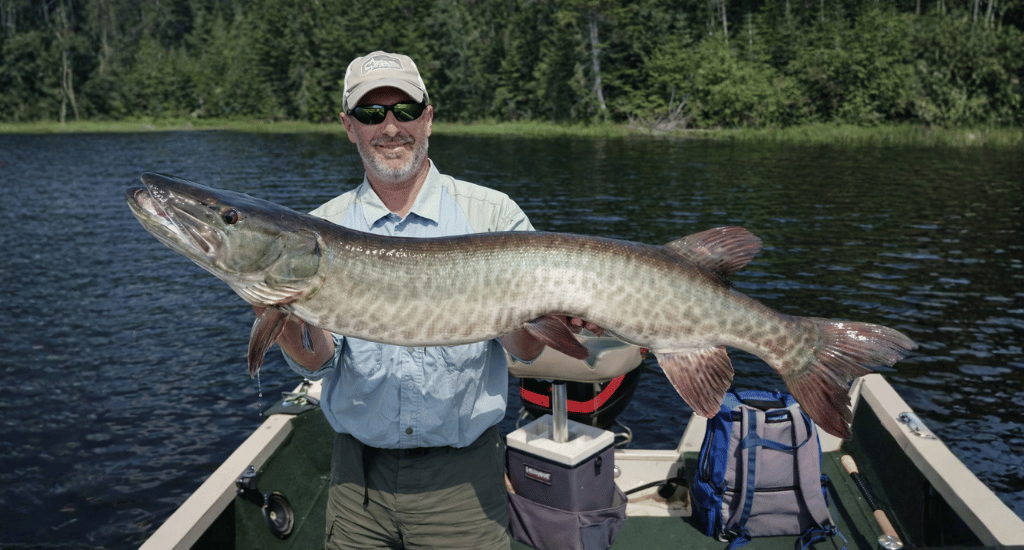
Hooks slice the quiet water as hope rides every long cast in fly fishing for muskie. A muskie is a large freshwater fish with sharp teeth and strong power. Many anglers call it
the fish of ten thousand casts since this fish may ignore many tries before a strike. It stays deep and moves slowly, which makes each cast feel like a test of will.
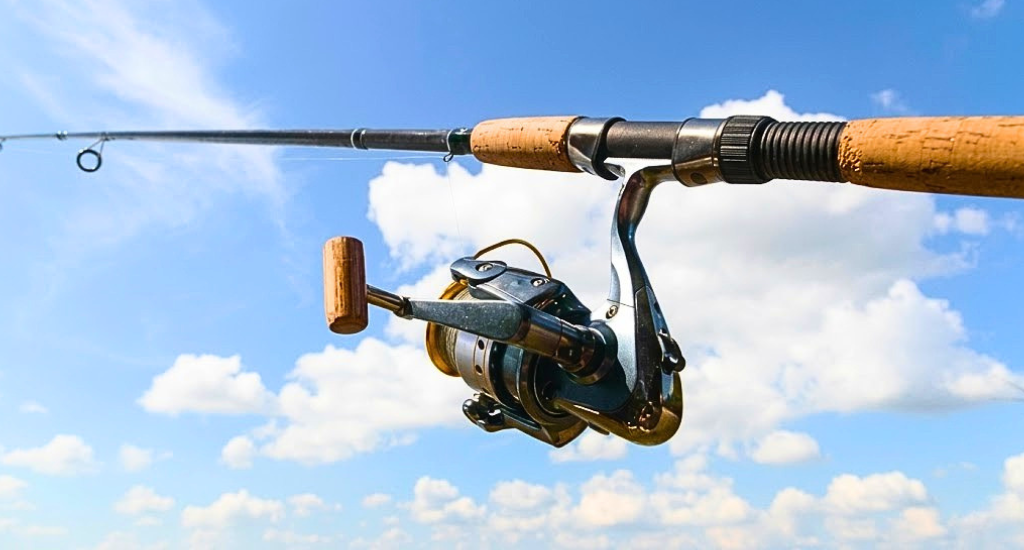
This sport needs heavy rods, thick lines, and big flies, which are fake bugs that draw fish. Arms feel tired after long hours, and the wait feels long. A muskie may fight hard, so strong gear stays vital.
This blog will guide you through this bold style of fishing. Read on to learn how to face the wait, the strain, and the thrill of this rare catch.
Key Takeaways for Fly Fishing for Muskie
- Fly fishing for muskie needs strong rods and thick lines
- Big flies help draw attention from this large predator
- Long waits are normal, so patience stays vital
- Short and sharp casts improve control
- Follow-ups may happen before a true strike
- One solid hit can make the whole day worth it
Is Muskie a Hard-to-Catch Fish on a Fly?
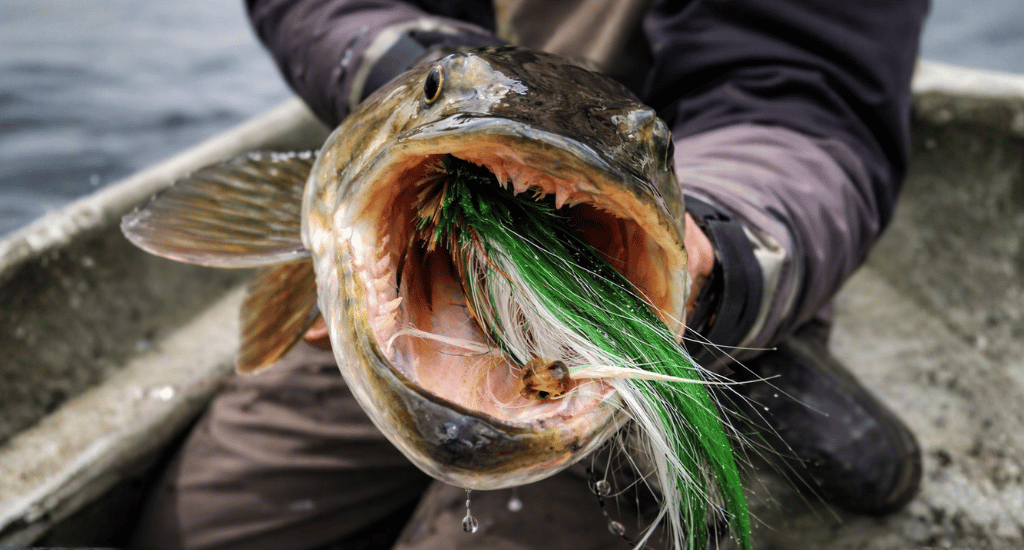
Muskie sit at the top of the lake food chain. People call them apex predators, which means no other fish hunts them. They eat smaller fish and move with great force. A fly,
which is a fake bug or bait, may grab their eye for a short time. Even so, a muskie can turn away at the last second. This habit makes each cast feel like a test.
These fish live in low numbers. A large lake may hold only a few. You can cast all day and see none. That small count adds to the hard side of this sport. You may do many long casts with no sign of life.
A muskie may swim near the fly and then drift off. Anglers call this a follow-up. It can happen many times with no bite. This sport needs long hours of focus and strong arms. A calm mind helps you stay ready for the one true strike.
Step-by-Step Muskie Fly Fishing Techniques That Trigger Strikes
Step-by-step muskie fly fishing moves can push a slow fish to strike when each part of the plan stays tight, clear, and steady under tough water and wild fish pressure each long cast.
Step 1: Position the Boat Near High-Probability Structure
Place the boat close to weed beds, rock edges, or fallen logs. These spots give muskie a safe home. Keep space so the fly can drop near the fish with no splash and no spook at that calm dark zone.
Step 2: Make Short, Accurate Casts With Control
Use short casts with full line control. Aim for small gaps near cover. A tight cast lets the fly land softly. This keeps the fish calm and ready for a fast chase once the lure shows clearly in that spot.
Step 3: Start an Aggressive Strip Retrieve
Pull the line with quick hand moves to make the fly dart. This sharp action tells muskie that food tries to flee. Strong pulls can wake a lazy fish and push a sudden strike near the surface or deep zone.
Step 4: Change Speed When a Muskie Follows
When a muskie trails the fly, shift speed. Slow pulls can tease the fish. Fast pulls can spark a rush. This change may force a bite as the fish feels a lost meal near its reach at that brief time.
Step 5: Perform a Proper Figure-Eight at the Boat
At the boat, guide the rod tip into a wide eight shape. This move keeps the fly in sight. A muskie may hit as the lure sweeps near its nose with a bold curve under the boat edge at close range.
Step 6: Set the Hook With a Strong Strip-Set
When a muskie bites, pull the line hard. This strip set drives the hook deep. Do not lift the rod. A firm pull keeps the hook set, so the fish stays tight on the line under heavy fight and wild.
Muskie Fly Fishing Gear Setup (Critical Section)
The right gear makes muskie fly fishing safer and more fair for the fish and the angler, since this large fish can break weak tools with one hard pull near the boat.
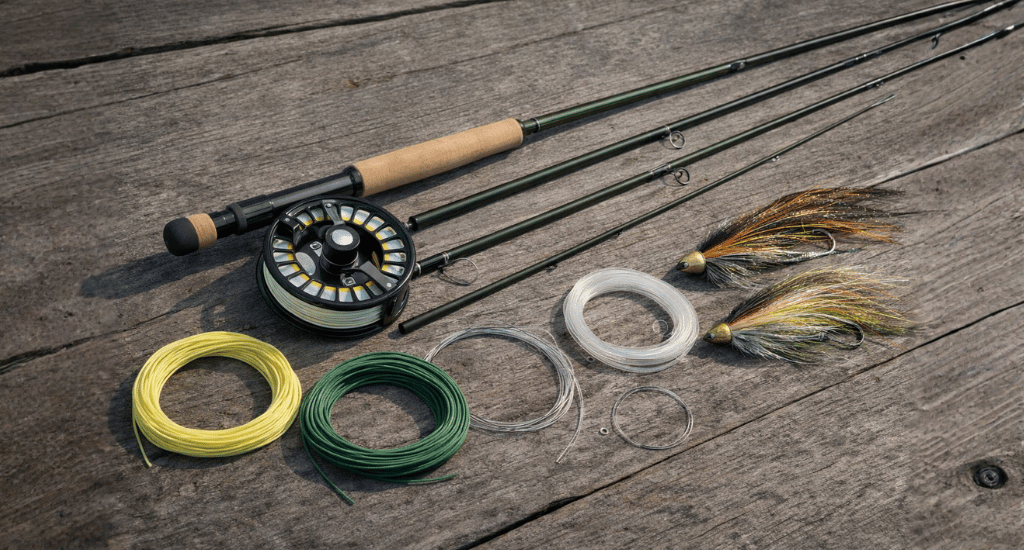
Fly Rod for Muskie
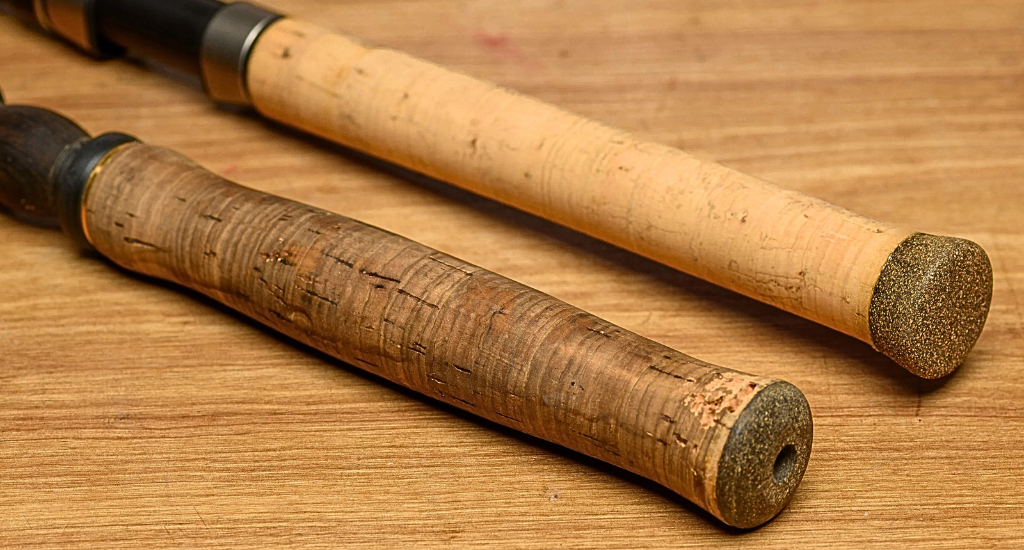
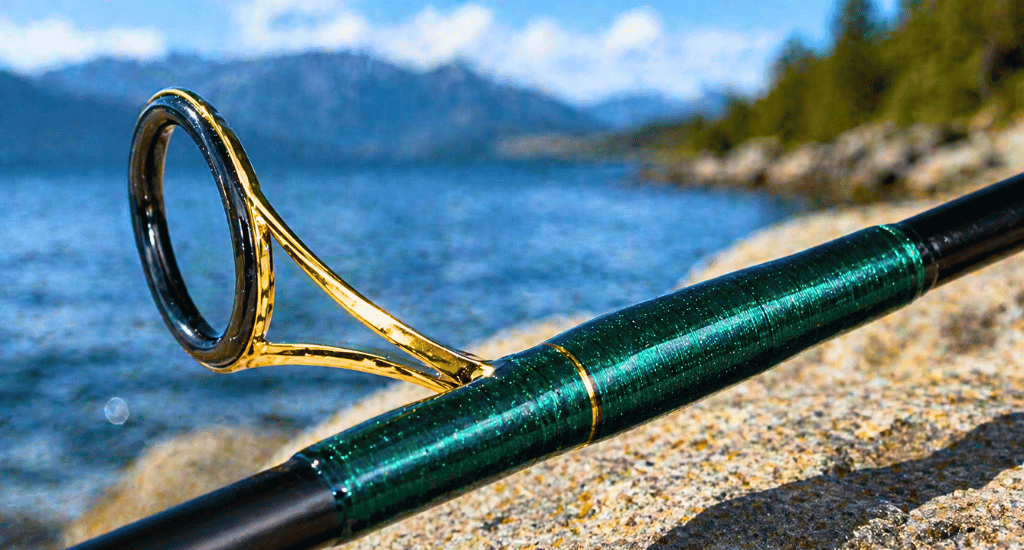
A muskie fly rod must feel strong in the hand. A nine to eleven-weight rod works best. Length stays near eight and a half to nine feet. Graphite rods bend less and push big flies through the wind with ease.
Reel and Backing
A large arbor reel helps the line move fast. A strong drag keeps control when a muskie runs. Heavy backing sits under the fly line. It gives extra length so the fish cannot break free on a long pull.
Fly Line Choices
A floating line helps new anglers cast with less strain. Sink tip or light sink lines push the fly down near three feet. The line must shoot smoothly so large flies travel far and land clean near cover.
Leader and Tippet
A leader links the fly line to the fly. For muskie, thick fluorocarbon over one hundred-pound test works well. Some anglers add a wire bite guard. This stops sharp teeth from cutting the line during a strike.
Best Time to Fly Fish for Muskie
Early light brings fresh hope to the water. Dawn wakes Muskie after a night’s rest. Dusk brings low sun and cool air. These two times often bring strong feeding action.
- Dawn
- Dusk
Both windows bring low light, which helps muskies feel safe. They move out of cover and hunt more near the surface or along weed edges at these calm hours.
Moon rise and moon set also shape muskie mood. A rising moon can spark short feeding waves. A falling moon can slow them. Many anglers plan trips around these sky shifts.
Late-season cold water can push muskie to eat more. As water cools, small fish move slowly. Muskie take this chance to feed with less effort, which helps the fly draw more strikes.
Muskie does not follow a clock. They can strike at any time of day. Still, clear feeding windows bring better odds. Watch the light, the moon, and the water feel. These clues help you stay ready for that rare hard hit.
Fly Fishing for Muskie in Tennessee
Tennessee offers strong rivers and deep pools where muskies live and hunt. Clear water, steady flow, and rich fish life make this state a fine place for fly fishing for muskie. Many muskies hold near rock ledges, deep bends, and quiet pockets behind fast current.
Anglers who use heavy rods and big flies can cover these areas with more control. Cool seasons often bring better action, since muskie move out of deep water to feed. With the right timing and steady focus, fly fishing for muskie in Tennessee can lead to hard strikes and unforgettable fights.
Boat vs Shore Fly Fishing for Muskie
Choosing where to fish changes everything in muskie fly fishing. The right location can make long hours easier and increase the chances of a strike. A boat gives freedom to reach hidden spots, while shore fishing keeps you close but limited.
Why a Boat Is Often Necessary
A boat gives a wide reach on big water. You can move across bays, weed beds, and deep edges with ease. This helps cover more space where muskies may wait. A boat
also reaches offshore spots like rock bars and sunken logs, which shore anglers cannot touch.
A flat casting deck gives a steady foothold. This makes long casts feel safer and cleaner. It also lets you guide the fly near the boat for a smooth figure eight move when a fish follows closely.
Shore Fishing Limitations
Shore fishing brings many limits for muskie fly anglers. You can reach only the near bank, not the deep zones where large fish stay. Many prime spots stay far out of reach. A figure eight move near the feet feels hard with waves and rocks in the way.
Long hours of standing on rough ground also strain the body. Heavy rods and big flies add more stress. These limits make shore success rare when a muskie stays far from land.
Conclusion
Fly fishing for muskie requires more than skill. It asks for heart, calm, and steady hands. Long waits test the mind, yet one true strike can light up the day. Care for the fish matters, since this wild hunter plays a key role in the lake.
Fly fishing for muskie rewards those who stay ready through slow hours and sore arms. Each cast builds hope. Each chase adds fire. If you seek a true freshwater predator, this path brings deep thrill and a story worth every long throw.