Fly fishing for gar uses heavy fly tackle and tooth-snagging flies to hook a hard-mouthed, prehistoric fish in warm, shallow water. Anglers sight-cast to cruising gar, lead the fly past the snout to trigger the grab and turn, then apply steady pressure to stay connected.
Rope flies made from nylon rope help because they snag in teeth when hook penetration is tough. Gar fishing heats up in summer, especially late spring through summer, when surface cruising and rolling create clear shots.
This guide shows where to find gar, what gear and flies actually work, and how to present, set, and land fish consistently without hurting you or the gar.
Understanding Gar Species and Behavior
Gar’s success starts with species and behavior. Gar are primitive fish that feed by sight and ambush, so fly fishing works best when you spot them shallow and make clean, close presentations.
Common Gar Species for Fly Fishing
Longnose gar are the most common fly target. This species cruises shallow flats and edges and often shows at the surface. Adults are usually manageable at a 7 to 8 weight when you are not in heavy current or thick weeds.
Spotted gar are the most “fly-friendly” small gar. This species stays smaller, lives around vegetation, and will eat well-presented flies in clear, warm water. A 6 to 7-pound weight is enough in most ponds, bayous, and backwaters.
Shortnose gar fight hard for their size. This species can live in larger rivers and holds in slower edges and seams. A 7 to 8 weight is a solid baseline, with heavier gear if the current is strong.
Alligator gar are a different class of fish. This species reaches true trophy size, has thick armor, and can overpower light tackle fast. Use a 10- to 12-weight fly rod for alligator gar, plus stronger leaders and a reel with serious drag.
Rod weight matters because gar size changes everything. Small gar require finesse and clean shots. Large gar require lifting power, better control, and faster fights.
Gar Feeding Behavior and Habitat Preferences
Gar feeding happens near the surface. Gar cruise shallow water, pause, and ambush when prey drifts close. Warm shallow water near vegetation is the most consistent zone, especially on sunny days when gar rise.
Gar strikes follow a unique pattern called “the grab.” Gar often swipes and clamps first, then turns the fly to swallow. This is why quick hook sets fail. Set only after the gar turns and you feel a steady weight.
Gar will not move until the fly passes them. Put the fly in front of their face and bring it past their nose. Many gar eat on the pass, not on the initial splash.
Surface rings reveal feeding lanes. Look for circular rings and subtle dimples on calm water because gar rolling and feeding leave clear signs. Follow fresh rings, and you often find a pod cruising nearby.
- Seasonal patterns: Late spring through summer produce the most surface activity.
- Water temperature: Gar feed best in 70 to 85°F water because warm water increases cruising and surface behavior.
- Time of day: Early morning and evening produce more surface shots because lthe ight is lower and fish roam shallower.
- Strike behavior: Wait for the turn before setting because the gar must align the fly to eat.
Essential Fly Fishing Gear for Gar
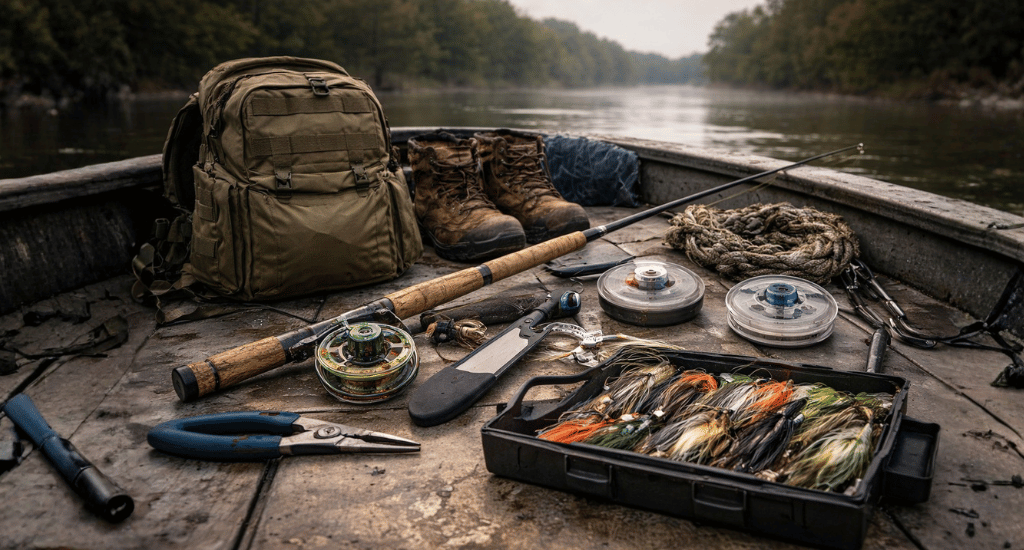
Gar gear must solve three problems fast. Your setup must drive hooks into a hard mouth, survive teeth, and control long runs in shallow water. Fly fishing for gar gets easier when you match rod weight, line type, and leader strength to the size of the gar you expect.
Fly Rods and Reels for Gar
A streamer rod is the best baseline. This rod type throws bulky flies, turns over heavy leaders, and keeps pressure steady during the grab-and-turn. Use rod weight by species size.
Use a 7- to 9-weight for longnose gar and smaller gar. This range handles most ponds, bayous, and flats where fish run moderate size. Use an 8 to 10 weight as the standard choice.
This range covers a range of gar sizes and helps land fish faster when current or weeds add pressure. Use a 10- to 12-weight for alligator gar. Bigger fish need lifting power and better control near the boat.
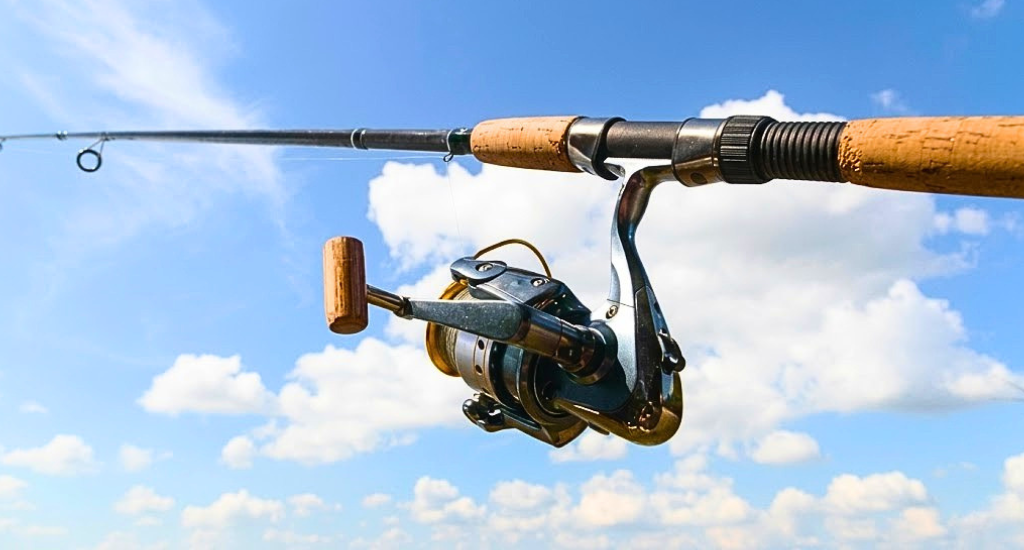
A large arbor reel improves line pickup. Pair it with a smooth drag that starts clean and stays consistent. Gar surge and roll, so sticky drag costs fish. Add enough backing for surprise runs. Use 150 yards or more for large gar because long runs happen when fish roll and then burn off.
Fly Lines and Leaders for Gar Fishing
A floating line covers most surface shots. Choose a weight-forward line with a visible color so you can track fly position and manage slack during the grab. Use an intermediate or sink tip when the gar hold lower, or when you need the fly under chop.
The Rio Predator sink tip is a solid option for depth control. This sink tip helps keep streamers in the lane along edges and shallow drops.
Leaders must resist teeth and abrasion. Build short, strong leaders with fluorocarbon, then add a wire leader or wire tippet at the end when bite-offs become common. Heavy tackle matters because gar teeth saw through standard mono fast.
Best Flies and Fly Patterns for Gar
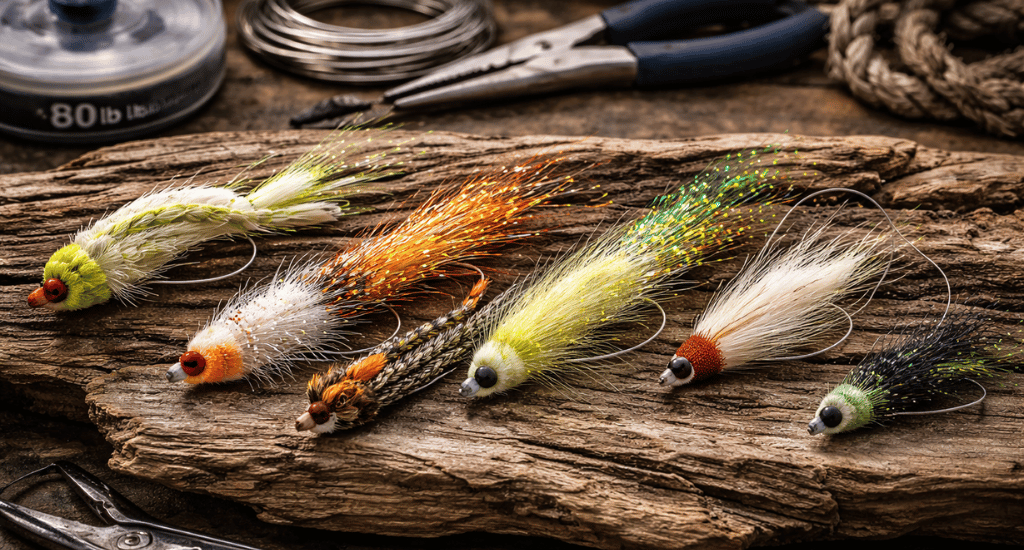
Gar flies must solve the teeth problem first. Gar grabs feel solid, but hook-ups fail because their mouths are hard and their bites are full of sharp teeth. The best fly fishing for gar patterns either snag teeth on purpose or stay small and flashy enough to get inhaled.
Rope Flies vs Traditional Patterns
Rope flies hook gar by snagging teeth. A rope fly uses nylon rope fibers instead of a hook point, so the fibers tangle in the gar’s teeth during the grab and turn. This approach reduces missed hook sets and lowers deep-hook risk when fish clamp and roll.
Rope flies work because gar chew. Gar often swipes, clamps, and then twists, and the rope fibers catch during that twist. Traditional hooks can slide out during the same motion.
A basic rope fly is easy to tie. Cut a short piece of nylon rope, unravel it into loose strands, and tie it onto a shank or tube. Trim it to a baitfish shape. Add flash if you want more visibility. Keep it sparse so it sinks and swims clean.
Non-rope alternatives still work. Use standard flies when gar are eating aggressively, when you want a single-fly option for mixed species, or when rope flies are not allowed in your area. Blue Line Garfly is a known example of a purpose-built gar fly that follows the tooth-snag idea with a refined build.
Top Producing Gar Fly Patterns
Small, flashy streamers get consistent grabs. These patterns look like shad and minnows and trigger chasing behavior on shallow flats. Fish them unweighted or lightly weighted so they ride just under the surface.
Woolly Buggers work as a simple search fly. The profile suggests leeches and small baitfish, and the movement stays alive on a slow strip.
Clouser Minnows cover deeper lanes. This pattern swims with a clean dart and helps reach fish holding off the edge.
Surface poppers draw attention in calm water. Use them when gar are rolling and tracking at the surface.
Custom gar flies focus on durability. Reinforced thread wraps, tougher materials, and fewer soft hackles help flies survive teeth.
Fly Size and Color Selection
Gar fly size should match the water and fish mood. Use sizes 2/0 to 4/0 when you want a big target in open water. Downsize to smaller streamers when the gar follow but refuse.
High-visibility colors help in stained water. White and chartreuse show up well and draw tracking fish. Black flies are a reliable choice in low light and tannin-stained water because their silhouettes remain clear.
Natural baitfish colors work best in clear water where gar inspect longer.
Durability matters every cast. Choose tougher materials and expect flies to get shredded because gar teeth wear patterns fast.
Fly Fishing Techniques and Tactics for Gar
Gar tactics start with sight and patience. Fly fishing for gar works best when you hunt visually, stalk quietly, and put the fly past the fish instead of on top of it. Gar are prehistoric fish that cruise warm, shallow water, so your best shots happen in clear backwaters, oxbows, shallow bays, and slow river edges.
Locating Gar on the Water
Surface rings find gar fast. Look for circular rings, dimples, and rolling wakes because gar’s surface leaves clear signs. Follow fresh rings, and you often find a fish cruising just below the film.
Polaroid glasses improve spotting. Use polarized sunglasses to cut glare and pick up long shadows, nose tips, and slow movement in skinny water. Focus on warm, shallow water with light current and cover. Vegetation lines and calm pockets hold cruising fish.
A quiet approach keeps fish in range. Walk slowly, keep your steps light, and stop early so the water settles. Gar is spooked by vibration more than by sound. Patience matters because a gar may sit still for long stretches.
Presentation and Retrieve Strategies
Cast beyond and in front of the fish. Place the fly a few feet past the gar and slightly ahead of its path because gar often ignore a fly that lands too close. Lead the fish and let the fly enter the lane naturally.
Let the fly pass the gar’s head. Gar often will not move until the fly has gone past them. Start the retrieve only after the fly crosses the nose line, then pull it away like fleeing bait.
Use controlled strips with clear pauses. Strip slowly to moderate and keep the fly tracking straight. Add a figure-eight style retrieve in tight quarters when you want steady motion without big line swings. Watch the fish, not the fly. Gar often shows an aggressive strike by speeding up, flaring, and clamping at the last moment.
Hook Setting and Fighting Gar
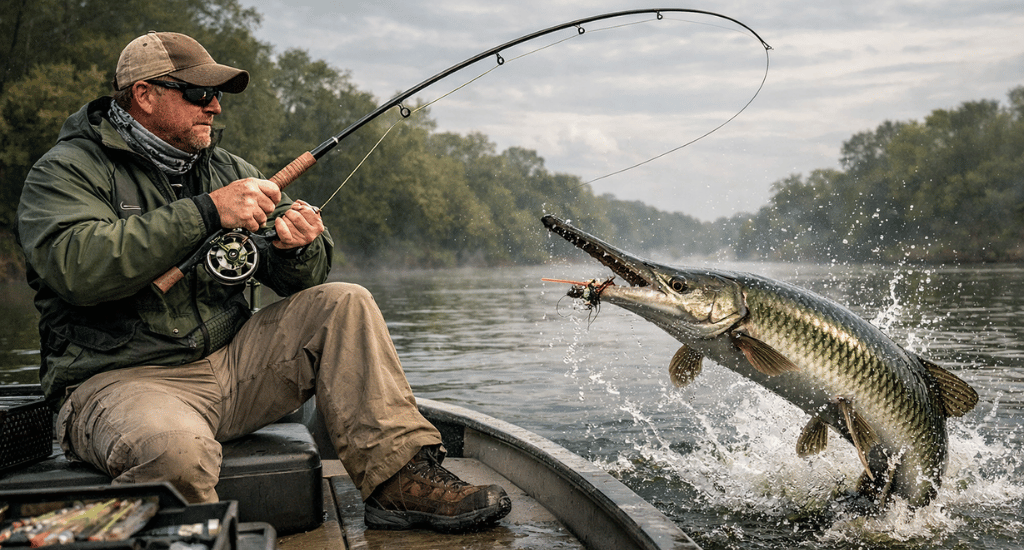
Delay the hookset on the grab. The Grab is the first clamp where the gar bites and holds before turning to eat. Setting too soon pulls the fly out of their bony mouth.
Strip-set after the turn. Wait until the gar turns and you feel steady weight, then use a firm strip set to drive contact. Lift the rod only after the line comes tight.
Keep pressure steady to stay hooked. Maintain a low rod angle and constant tension because the gar rolls and shakes to throw flies. Avoid pumping the rod hard because you can pry the fly free.
Use rope flies when hookups are low. Rope flies snag teeth and stay connected during rolls, while traditional hooks rely on penetration into a hard mouth. This advantage helps answer the big gar problem: how to keep them hooked.
Best Times and Locations for Gar Fly Fishing
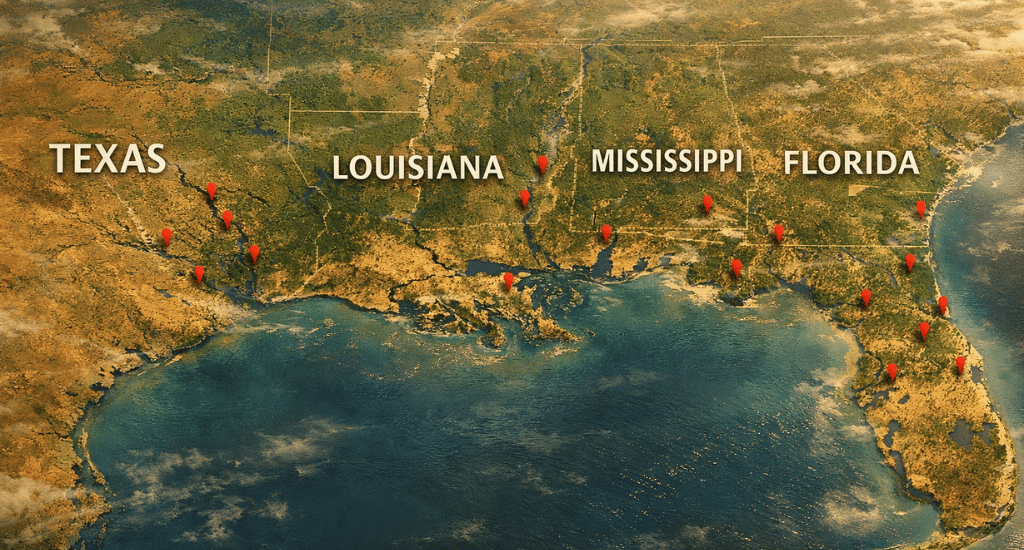
Gar fly fishing is best in warm, shallow water during late spring through summer. Fly fishing for gar improves when you pick southern waters with backwaters and when you fish the months when gar surface often and feed aggressively.
Prime Gar Fly Fishing Locations
Southern US rivers produce the most reliable gar action. These systems have shallow flats, warm water, and slow edges where gar cruise and roll.
- Texas: Texas is a top-gar state. The Trinity River area in Texas is known for gar, and many nearby river systems and reservoirs hold longnose and spotted gar. Texas also leads the search demand for fishing for alligator gar in Texas because trophy fish live in large rivers and connected backwaters.
- Mississippi: The Mississippi River system offers wide access. Main river edges, side channels, and slack pockets can all hold gar, especially when bait is stacked along the calmer seams.
- Louisiana: Louisiana bayous offer classic sight-fishing. Slow water, vegetation, and clear lanes make it easier to spot fish and place flies.
- Florida: Florida also fits the gar profile. Fishing for gar in Florida often means canals, rivers, and backwater ponds where warm water and vegetation keep fish shallow.
Seasonal Timing and Conditions
Gar heats up in summer. Peak activity often runs from May through September because warm water increases cruising, rolling, and surface feeding. Late spring through summer is the prime period for consistent shots.
Post-spawn periods can concentrate fish. Expect late spring aggregations in shallow zones after spawning activity ends.
Hot summer days produce the most surface action. Target sunny windows because gar rise and rolls more in warm conditions. Early morning and evening still produce strong shots, especially when the light and wind stay low.
Water clarity improves fly success. Favor clearer water because visual hunting and accurate casts drive hookups.
What to Consider When Handling and Conservation for a Gar?
Safe handling protects you and the fish. Gar have sharp teeth, hard scales, and powerful thrashing, so fly fishing for gar needs a plan before you lift one from the water.
Safe Gar Handling Techniques
Use control tools first. Long-nose pliers remove flies fast and keep fingers away from teeth. A rubber net supports the fish and reduces rolling at the bank. A jaw spreader can help when a fly is pinned deep, but use it gently and only when needed.
Land gar quickly and keep them wet. A short fight reduces stress and makes dehooking easier. Keep the fish in the water while you set up the pliers and camera.
Manage rope flies carefully. Rope flies tangle in the teeth, so removal requires patience, not pulling. Work the strands loose with pliers, then slide the rope out in small steps. Do not pry against the jaw.
Avoid hand grabs near the mouth. Grip behind the head or support the body with the net when you need to lift for a photo. Keep your hands clear of the teeth line at all times.
Gar Conservation and Ecological Importance
Gar matters for healthy water. These fish are ancient and have persisted for a very long time, with gar lineages stretching deep into the fossil record. Gar also helps balance fish populations as top predators, similar to how sharks shape marine systems.
Practice clean catch-and-release. Unhook fast, limit air time, and release the fish upright after it regains balance. Take quick photos while the fish stays supported and close to the water. Photographic documentation works best when it does not turn into a long handling session.
Beginner’s Quick-Start Guide to Fly Fishing for Gar
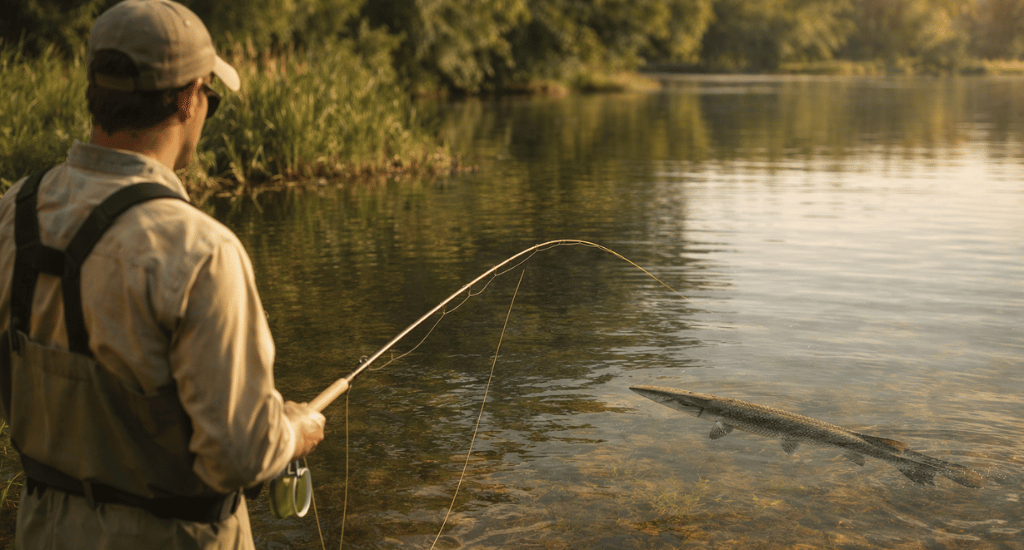
Fly fishing for gar gets easy when you follow a repeatable system. Use a simple gear, hunt fish visually, and delay the hookset until the grab turns into steady weight.
- Build a basic gear setup: Use a 7 to 9 weight rod for longnose and spotted gar, then step up to 10 to 12 weight for alligator gar. Pair it with a weight-forward floating line and at least 150 yards of backing.
- Rig a teeth-safe leader: Use a short, strong leader with heavy fluorocarbon, then add wire tippet if bite-offs happen. Keep the leader length short so you can control the fly near the fish.
- Pick one fly to start: Use a rope fly if hookups are low because it snags in gar teeth. Use a small, flashy streamer for a traditional option.
- Find gar using surface signs: Look for rings, rolls, and slow wakes, as gar often show themselves in warm, shallow areas. Check backwaters, oxbows, shallow bays, and weed edges.
- Approach with quiet patience: Move slowly and stop early because gar spook from vibration. Set up for a clean casting lane before you cast.
- Place the cast beyond the fish: Cast a few feet past and in front of the gar, then bring the fly through its lane. Gar often will not react until the fly passes their nose.
- Read the strike the right way: Watch for The Grab, where the gar clamps first and turns after. Delay your set until you feel steady weight.
- Strip-set, then fight with tension: Set with the line hand first, then lift the rod. Keep constant pressure because the gar rolls and shakes to throw flies.
- Land and handle safely: Use long-nose pliers and a rubber net. Keep your hands away from your teeth and keep the fish wet for quick, clean release.
Common Challenges and Problem-Solving for Catching Gar
Gar problems are normal, not a sign you are doing it wrong. Fly fishing for gar presents unique challenges because they have hard mouths, sharp teeth, and a strike that often looks like a hookset but isn’t.
- Fix refusals and short strikes first. Downsize the fly and slow the retrieve if gar follow, but do not grab. Lead the fish farther and let the fly pass its nose before stripping if the gar ignores the cast.
- Fix lost fish by changing the hookset. Delay the set until after The Grab because the gar clamp first and turn second. Strip-set with the line hand, then lift the rod only after steady weight. Keep pressure constant through the roll to keep them hooked.
- Fix fly destruction with tougher builds. Use fewer soft materials and add stronger thread wraps if flies get shredded. Rope flies solve this problem well because fibers snag teeth and do not rely on hook penetration.
- Fix teeth cut-offs with leader protection. Add heavy fluorocarbon and switch to wire tippet when bite-offs happen. Keep leaders short to reduce slack and reduce contact with teeth during rolls.
- Fix spooky fish with patience and stealth. Slow your approach, stop early, and keep water disturbance low because gar spook from vibration. Stay off the bank edge when possible.
- Fix missed opportunities with accuracy. Cast beyond and in front of the fish because shot placement matters more than speed. Practice short casts and quick re-casts because most gar shots happen close.