Fly fishing for catfish works by using heavier fly gear to present weighted flies near the bottom where catfish feed. Anglers use 6 to 10-weight rods, sinking or sink-tip lines, and strong leaders to fish flies that imitate crayfish, leeches, and baitfish.
Slow strip retrieves, pauses, and bottom-focused presentations trigger aggressive takes, especially around structure during dawn, dusk, and warm conditions.
This guide shows exactly how to do it. You will learn why catfish eat flies, what gear actually matters, which flies produce, how to present them effectively, and where to fish across rivers, lakes, and ponds. Every section is built to shorten the learning curve and help you catch catfish on a fly rod faster.
Can You Really Catch Catfish on a Fly Rod?
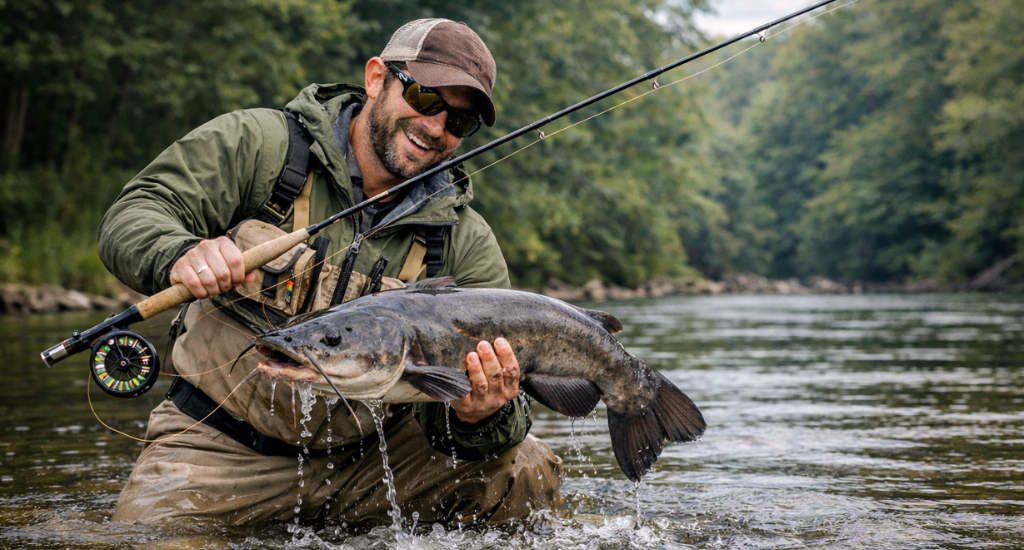
Yes, you can catch catfish on a fly rod. Fly fishing for catfish works because whiskered fish hunt by feel and vibration, and a fly can trip that switch fast. The fight is strong and steady, not soft recreational fishing.
Channel catfish are the best start. They eat flies on purpose and grab them hard. Fish warm-water spots like banks, riprap, and creek mouths, where they cruise for easy meals.
This is unconventional fly fishing, but it is proven. Put the fly in their travel lane, keep it near the bottom, and they will commit.
Advanced Techniques and Presentation: Catfish Fly Fishing Strategies
Catfish fly success comes from depth and contact. A good presentation keeps the fly near the bottom, keeps tension in the system, and keeps your retrieve slow enough to feel heavy takes. Catfish rarely want a fast chase. Catfish often want an easy meal that moves like it is hurt.
Here are some advanced fly fishing method for catfish:
-
The Strip-and-Pause Retrieve
A strip-and-pause retrieve triggers catfish strikes. This retrieves copies of injured prey, giving catfish a clean moment to commit. Start with the sink first. Let your fly sink 3 to 4 feet before you move it. That quick drop puts the fly in the feeding lane instead of skating over heads.
Use slow strips that stay controlled. Pull the line in short lengths, then stop. Keep strips deliberate and keep them small. Many days, the best speed is inch by inch. The goal is bottom presentation without snagging every cast.
Expect hits on the pause. Catfish often track the fly, then eat when it stops. Hold tension while paused to feel the take. Set the hook with a firm strip retrieve, then lift the rod after the line comes tight.
-
Swinging Flies in Current
A swing technique finds active fish. This approach uses current to move the fly like real forage. Cast slightly upstream, then let the fly sink. Let the fly drift until it comes under tension, then allow it to swing across the flow. The path is simple and effective.
Fish the swing below dams and in tailwaters. Current seams, eddies, and soft edges collect bait and hold catfish. A swung streamer looks like a wounded baitfish losing ground, and catfish crush that picture.
Use the 60-20-20 rule for coverage. Spend 60 percent of the time letting the fly drift and sink. Spend 20 percent adding a slow strip. Spend 20 percent letting it swing and hang. This mix keeps the fly deep and keeps the movement natural.
-
Targeting Structure and Cover
Structure fishing produces consistent catfish. Catfish hold tight to cover during the day, especially in clear water or under high pressure. Put casts close to what they use. Submerged logs, rock piles, rip rap banks, bridge corners, and deep holes all matter.
Aim at the prime depth band. Focus on 3 to 5 feet of depth along the structure when fish are feeding shallow. Work parallel to banks and rip rap when possible. Keep the fly tracking the edge, not cutting away from it.
Control your angle for fewer snags. Lead your fly past cover, then pull it out clean with a slow retrieve and a steady rod tip.
Understanding Catfish Behavior for Fly Fishing Success
Catfish biology makes fly fishing work. Catfish hunt by sense of smell, vibration, and touch, so they do not need to see a fly. The “bottom feeder” label is half true. Many fish slide up to feed, especially in warm water and low light.
Barbels act like taste feelers. Those whiskers help them find food in mud and cover. The lateral line reads thumps and pressure waves, so a fly that pushes water gets noticed.
Nocturnal feeding boosts your odds. Fish dawn, dusk, and safe night hours. Stained water is fine because smell and vibration stay strong. Treat catfish like an opportunistic predator, and fish will follow.
Essential Gear: Catfish Fly Fishing Setup
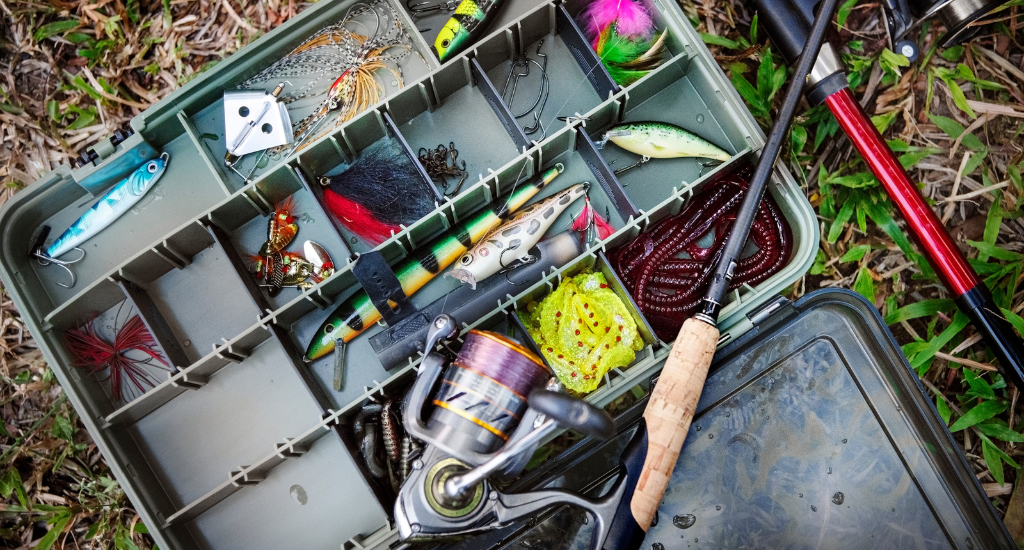
Catfish gear needs power and control. Big flies, heavy fish, and rough cover punish light setups fast. Use a strong rod, the right line, and a tough leader so you can sink the fly, stay connected, and land fish clean.
Here’s the essential catfish fly fishing gear:
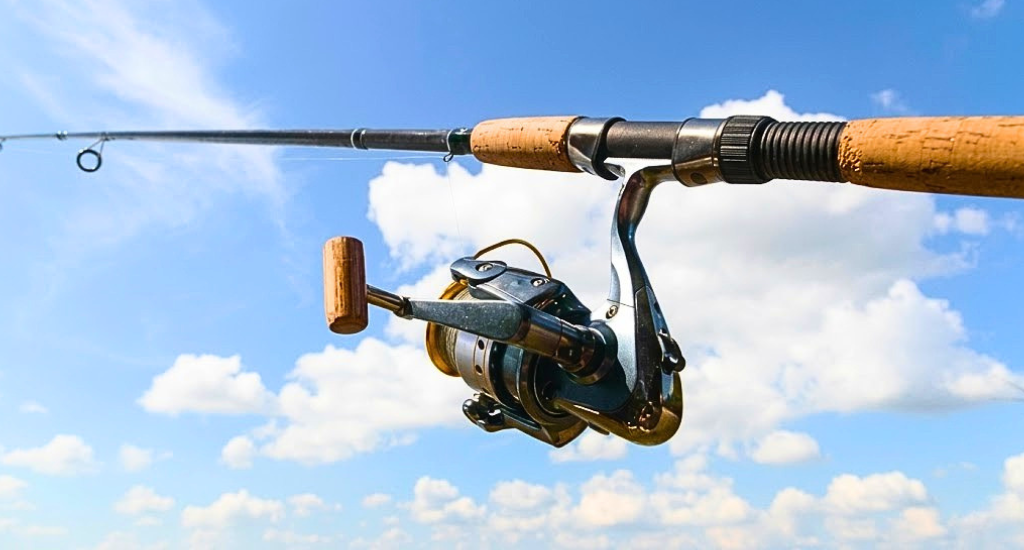
- 8-10 weight fly rod: An 8-10 weight fly rod handles big flies and hard pulls. It turns heavy catfish away from logs and rocks. It also casts sink tips better and keeps hook sets solid.
- Sinking line or sink-tip line: A sinking line gets your fly down fast and stays deep. A sink-tip line sinks the front but keeps handling easily. Pick based on depth, current, and how snaggy the bottom is.
- Fly reel drag system: A fly reel drag system protects your tippet and stops long runs. Catfish surge, then dig deep. Use a smooth drag you can fine-tune, not a sticky drag that pops leaders.
- Heavy leader with fluorocarbon: A heavy leader resists abrasion around riprap, wood, and mud banks. Add fluorocarbon tippet for added toughness and improved sink rate. Keep it short for control and strong enough for strip sets.
- Scientific Anglers line option: Scientific Anglers makes solid sinking lines and sink-tip line choices that track true and hold depth. Match the line grain to your rod. A stable line helps you keep the fly in the lane.
Best Flies for Catching Catfish
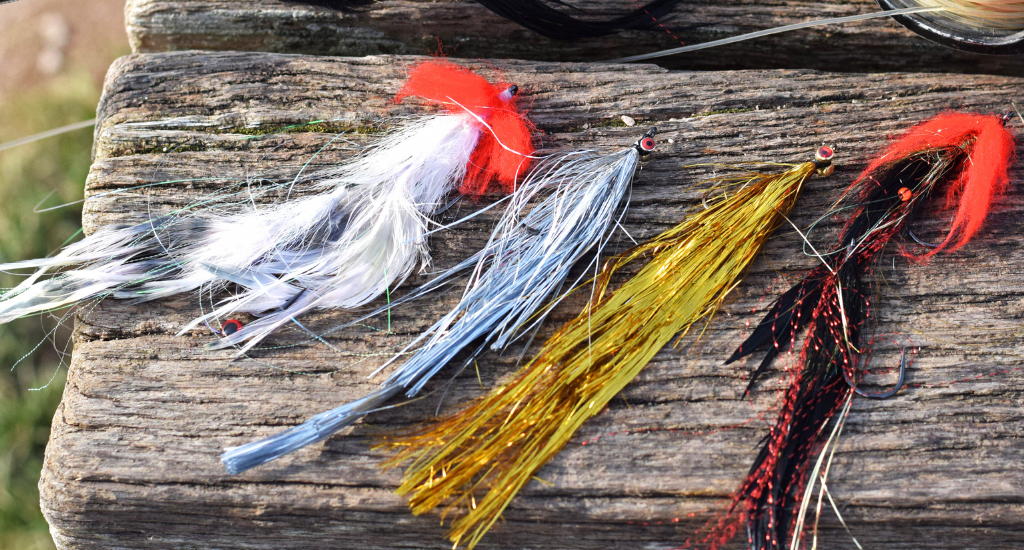
Catfish flies need two things: depth and thump. Streamer flies do both. They push water, look like food, and are easy to track in dirty water. Match what catfish already eat, then add weight before color. Here are some details:
| Fly Pattern | What It Imitates | Best Colors | Size Range | When It Works Best | Notes |
| Woolly Bugger | Leech, crayfish, baitfish | Black, olive, brown, white | #6 to #2 | Rivers and lakes, low light, stained water | Black Woolly Bugger with tungsten bead is a top producer on the Red River. Weighted versions stay in the strike zone longer. |
| Clouser Minnow | Baitfish | Tan/white, chartreuse/white | #4 to #1/0 | Current seams, channel edges, open water | Effective for blue catfish and large channel cats. Bob Clouser’s pattern has caught 86+ species. |
| Crayfish Pattern | Crayfish | Brown, rust, olive | #6 to #2 | Rocky bottoms, rip rap, structure | Excellent for channel catfish feeding near the bottom. |
| Leech Pattern | Leech | Black, purple, dark olive | #6 to #2 | Slow water, night fishing | works well on slow strips and short hops. |
| Hellgrammite Nymph | Aquatic insects | Black, dark brown | #8 to #4 | Riffles, runs, and river systems | Bitch Creek and Murray’s Hellgrammite, are proven options. |
| Zonker | Baitfish | White, black, olive | #4 to #1/0 | Murky water, aggressive fish | Strong movement and profile trigger reaction strikes. |
| Muddler Minnow | Baitfish, sculpin | Natural brown, olive | #6 to #2 | Shallow flats, edges | Pushes water and stays visible in low clarity. |
| Large Streamers | Baitfish | White/chartreuse | #2 to 2/0 | Dirty water, night sessions | High visibility helps catfish locate the fly fast. |
Woolly Bugger is the workhorse. It acts like a leech pattern, a small crayfish pattern, or a beat-up baitfish. Fish a bead head or, better, a tungsten bead to keep it near the bottom. Run black in low light or stained water, then switch to olive, brown, or white when forage shows.
Clouser Minnow is the hunter. It sinks fast, rides hook-up, and darts like a fleeing baitfish. Use it on seams, bridge corners, and channel edges where catfish pin meals.
Other Effective Patterns
Catfish eat crawfish, bugs, and meat. Rotate these patterns when Buggers and Clousers slow down.
- Crayfish pattern: strong choice for channel catfish around rocks and rip rap.
- Leech pattern: steady producer on slow strips and short hops.
- Hellgrammite nymphs: Bitch Creek and Murray’s Hellgrammite work in riffles and runs.
- Zonkers and Muddler Minnows: solid when baitfish are thick.
- Large streamers in white and chartreuse: best in murky water for maximum visibility.
Prime Locations for Fly Fishing Catfish
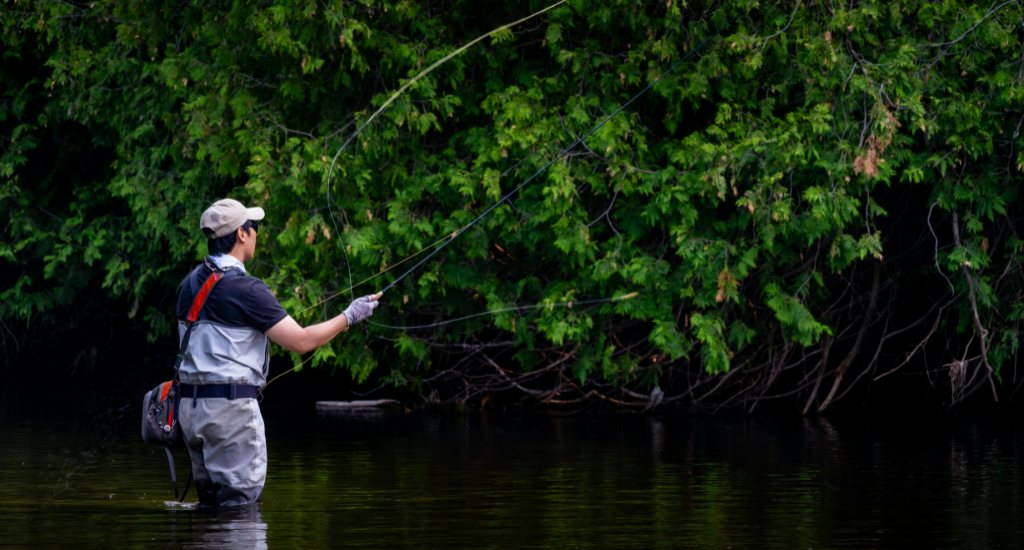
Prime catfish water has current and cover. Rivers, tailwaters, lakes, and ponds all produce when a travel lane runs tight to structure.
| Water Type | Location | Why It Works for Fly Fishing Catfish | Best Areas to Target | Notes |
| River Tailwaters | Red River at Lockport, Manitoba | Concentrated bait and strong current attract large channel catfish | Dam tailraces, seams, deep runs | Considered North America’s premier fly fishing catfish destination. |
| Large Rivers | Mississippi River system | Wide habitat and steady forage support aggressive channel cats | Wing dikes, rip rap, drop-offs | Productive for streamers and bottom presentations. |
| Large Rivers | Missouri rivers | Easy access and strong populations of channel catfish | Bank structure, rock piles, holes | Excellent fly fishing opportunities without a boat. |
| Large Rivers | Ohio River system | Deep channels and current breaks hold feeding catfish | Currents, eddies | Best with sinking lines and slow retrieves. |
| Rivers | North Carolina rivers | Clearer water allows visual approaches | Log jams, undercut banks | Known for flathead catfish sight-fishing. |
| Lakes | Natural and reservoir lakes | Stable structure creates travel routes | Rip rap banks, points | Early morning shallow feeding is common. |
| Ponds | Farm ponds and small lakes | Predictable fish movement and limited depth | Shoreline structure, drop-offs | Ideal for beginners using smaller flies. |
| Stillwater | Lakes and ponds | Catfish cruise repeatable paths | Transition zones | Focus on where shallow flats meet deeper water. |
Start with the dam tailraces. These spots stack bait and oxygen, so channel cats feed longer. Fish seams, soft edges, and the first deep drop below fast water.
Red River, Manitoba, at Lockport is a standout. This stretch is famous for big, willing channel catfish and repeatable holds. Big systems like the Mississippi River also shine when you get streamers deep along wing dikes, rip rap, and holes.
Missouri waters can be fished well from the bank. North Carolina rivers add clear-water options, including flathead hunting. In lakes and ponds, work rip rap, points, drop-offs, and transition zones.
How to Get Started with Catfish Fly Fishing – Tips for Beginners
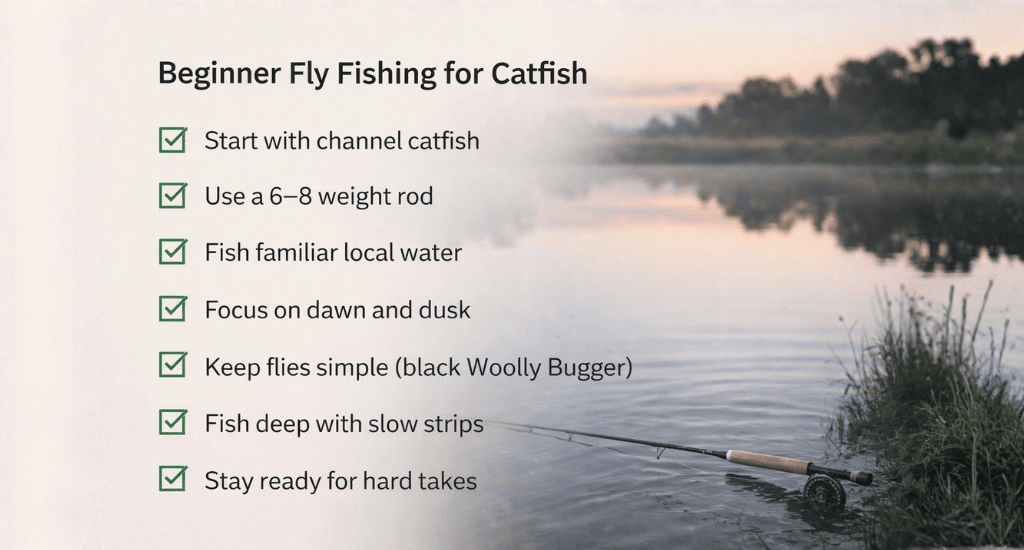
Getting started is simple and cheap. Beginner fly fishing for catfish works because channel catfish are willing to eat, and most waters hold them. Skip the hype, use basic skills, and pick an accessible fishery. This is how to catch catfish on a fly rod.
Step 1: Start with channel catfish first. Channel catfish are the most cooperative target. They feed hard and make the learning curve easier. Add white catfish when available, since they run smaller and often bite without heavy gear or big flies.
Step 2: Use the gear you already own. A 6- to 8-weight fly rod works for smaller cats. Pair it with a strong leader and a reel with smooth drag. You do not need a new setup to start learning.
Step 3: Fish in local, familiar water. Choose an accessible fishery you can visit often. Ponds, rivers, and lakes all hold catfish. Look for travel lanes near rip rap, points, drop-offs, creek mouths, and current seams where food funnels past.
Step 4: Fish the best light windows. Target dawn and dusk for steady action. Low light pulls catfish shallow and keeps them moving. Add safe night sessions later, but start simple. Warm water usually means more bites and longer feeding runs.
Step 5: Keep flies and retrieves simple. Fish a black Woolly Bugger as your default. It covers the leech and small baitfish looks. Use short strips with small pauses, then strip set when it loads. Do not overthink it, basic trout skills transfer.
Conclusion
Fly fishing for catfish is simple and proven. This guide showed why catfish eat flies, how smell and vibration drive strikes, and where a fly belongs in the lane. You now have the core setup, including 6 to 10-weight rods, sinking options, and tough leaders.
You also have the top patterns, like the Woolly Bugger and Clouser Minnow, plus when to fish them. Use tailwaters, big rivers like the Mississippi, and easy waters like lakes and ponds. Start at dawn or dusk, keep it deep, and strip set hard.
Keep learning with All for Fishing’s other blogs to explore more fly fishing tactics, species, and water types.